


What is Isofix Car Seat: Ultimate Safety Guide

As a parent, ensuring your child’s safety is likely at the top of your list. When it comes to car travel, choosing the right car seat is crucial.
But with so many options, how do you know which one is the best? Enter Isofix car seats. You might have heard about them, or perhaps you’re just encountering the term for the first time. Either way, understanding what an Isofix car seat is could be a game-changer for you and your family’s safety.
Imagine a car seat that not only promises enhanced safety but also offers ease of installation, taking the guesswork out of securing your little one. Curious to know how this system works and why it might be the ideal choice for you? Keep reading to discover everything you need to know about Isofix car seats, and why they could be the perfect fit for your family’s needs.
Isofix System Basics
The Isofix system is a widely recognized method for securing car seats. It aims to enhance child safety during travel by simplifying installation. This system minimizes the risks associated with incorrect car seat installation, a common issue. With Isofix, parents can ensure their child’s car seat is securely anchored.
Definition Of Isofix
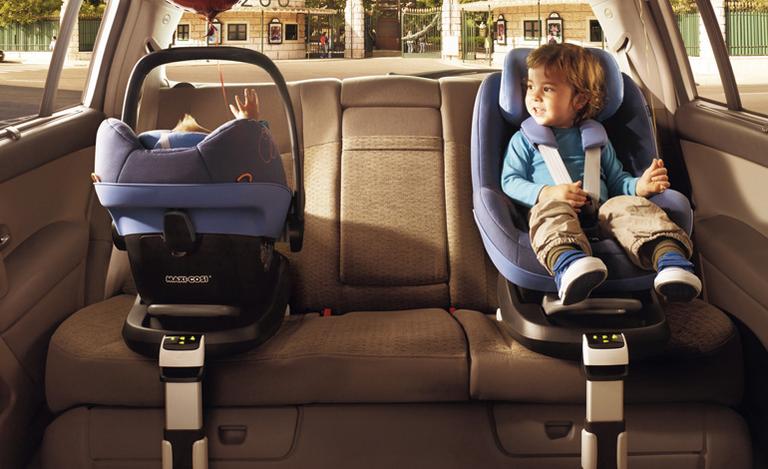
Isofix is a standardized car seat attachment system. It connects the child seat directly to the vehicle’s chassis. This eliminates the need for seat belts for installation. The system uses metal clips and anchors. These are built into the car’s structure, ensuring a firm fit.
Isofix is designed to make car seat installation easier. It reduces the likelihood of installation errors. The system provides a reliable connection between the seat and the car. This connection enhances safety during collisions.
History And Development
The Isofix system was developed in the 1990s. It was a collaboration between automobile manufacturers and child safety experts. The goal was to create a safer way to install car seats. Before Isofix, car seats relied solely on seat belts for installation.
In 1997, the first Isofix seats became available. They offered improved safety and ease of use. Over time, more car manufacturers adopted the system. Isofix is now a standard feature in many vehicles worldwide. Its development marked a significant advancement in child safety.
Credit: www.halfords.com
Benefits Of Isofix Car Seats
Isofix car seats offer significant benefits for parents and caregivers. Designed with a focus on safety and ease of use, these seats provide peace of mind. They ensure that children are securely fastened during car journeys.
Enhanced Safety Features
Isofix car seats provide superior safety for children. They connect directly to the car’s structure. This reduces movement during sudden stops or accidents. The seats offer a stable and secure fit. This minimizes the risk of incorrect installation. Many Isofix seats also come with additional safety features. These include side-impact protection and support legs. These features further enhance child safety in various collision scenarios.
Ease Of Installation
Installing Isofix car seats is straightforward. Traditional seat belts are not necessary. This reduces the likelihood of incorrect installation. Simply click the seat into the Isofix points in your car. The process is quick and easy, saving time and frustration. Clear indicators on the seat confirm a secure connection. This provides assurance that the seat is properly installed.
Compatibility With Vehicles
Isofix systems are widely compatible with many vehicles. Most modern cars come equipped with Isofix anchorage points. This makes it easy to find a car that supports your Isofix seat. Always check your car’s manual to ensure compatibility. Some Isofix seats are also adaptable. They fit both Isofix and non-Isofix vehicles. This flexibility is ideal for families with multiple cars.
How Isofix Works
Understanding how Isofix works helps parents ensure their child’s safety. Isofix is a standardized car seat attachment system. It provides a secure and straightforward installation method. This system reduces the risk of incorrect car seat installation. Let’s explore how Isofix works.
Mechanism Of Attachment
Isofix uses a simple mechanism to attach car seats. It connects the car seat directly to the vehicle’s chassis. This connection is more secure than seatbelt installations. The system uses fixed attachment points in the car. These points are built into the car’s structure.
Understanding Connectors And Anchors
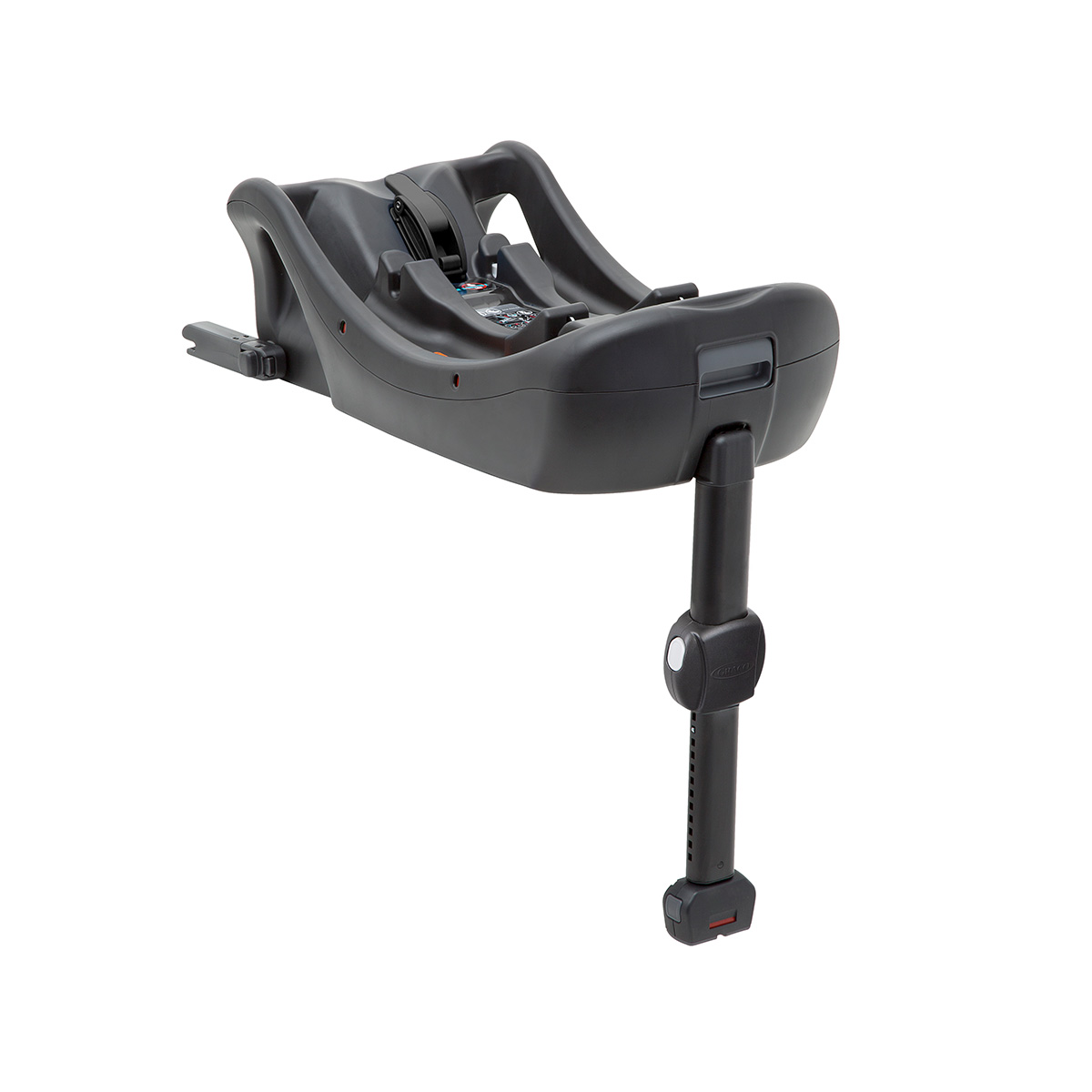
Isofix car seats have connectors. These connectors click into anchors in the car. The anchors are metal bars located between the seat cushion and backrest. This design ensures a firm and stable fit. The connectors have a locking mechanism. This mechanism prevents the seat from moving.
The connection process is quick and easy. The connectors make a clicking sound when attached. This sound confirms the car seat is securely installed. Some Isofix seats have indicators. These indicators show if the seat is correctly attached.
Types Of Isofix Car Seats
Isofix car seats offer a secure way to protect your child in vehicles. They reduce the risk of incorrect installation. Different types of Isofix car seats suit various age groups and needs. Choosing the right type ensures safety and comfort for your child.
Rear-facing Seats
Rear-facing Isofix seats are for infants. They provide the best protection for young children. In a crash, the seat absorbs most of the impact. This keeps your baby’s head and spine safe. These seats are ideal for babies up to 15 months. Some models accommodate children up to four years old.
Forward-facing Seats
Forward-facing Isofix seats suit older toddlers. They usually fit children from 15 months to four years. These seats have a five-point harness for safety. The harness keeps your child secure in the seat. It distributes the force of an impact evenly. This reduces the risk of injury. Choose a seat with adjustable height settings. This ensures it grows with your child.
Booster Seats
Booster Isofix seats are for older children. They are suitable for kids aged four and above. These seats use the car’s seat belt system. Boosters position the seat belt correctly across the child’s chest. This prevents injury during a collision. Isofix boosters are more stable than non-Isofix versions. They stay in place even when not in use. Some models offer back support for extra safety.
Installation Tips
Isofix car seats offer a secure way to keep children safe while traveling. Proper installation is crucial for ensuring maximum safety and ease of use. This section provides helpful tips for installing Isofix car seats effectively. Follow these guidelines to make the process smooth and hassle-free.
Step-by-step Installation Process
First, find the Isofix anchor points in your car’s back seat. They are usually located between the seat cushion and backrest. Next, align the Isofix connectors on the car seat with these anchor points. Push the connectors firmly until you hear a click, indicating they are locked. Adjust the seat’s position by pulling or pushing it gently. Ensure it fits snugly without moving around.
Check the indicators on the Isofix connectors. They should show green, confirming the seat is properly attached. Attach the top tether strap, if available, to the designated point in your car. This provides extra stability. Finally, give the seat a slight shake to ensure it is secure.
Common Mistakes To Avoid
Some people forget to check the Isofix indicators. Always ensure they show green before you drive. Avoid using a car seat that is incompatible with your car’s Isofix system. Compatibility is key for effective installation. Do not ignore the top tether strap. It adds extra security, reducing the risk of seat movement.
Make sure the connectors click into place. A loose connection compromises safety. Double-check the seat’s position. It should be stable and correctly angled. Avoid rushing the installation process. Take your time to ensure everything is properly connected.
Safety Standards And Regulations
Isofix car seats have become a staple for child safety in vehicles. They provide a secure and standardized way to install car seats. Safety standards and regulations ensure these seats protect children effectively. Understanding these standards can help parents make informed choices.
International Guidelines
International guidelines set the benchmark for Isofix car seat safety. These guidelines are developed by various global safety organizations. They ensure that car seats meet minimum safety requirements. Countries often adopt these guidelines into their national regulations. This helps maintain consistent safety levels across the globe.
Certification Marks
Certification marks indicate that a car seat meets safety standards. In Europe, the ECE R44/04 and R129 are common certifications. These marks show that the seat has passed necessary safety tests. In the U.S., look for the FMVSS 213 certification. This assures parents that the seat is safe for their child.
Choosing The Right Isofix Car Seat
Isofix car seats provide a secure and convenient way to install child seats in vehicles. Designed with built-in connectors, they easily attach to compatible car anchors. This system reduces installation errors, ensuring your child’s safety during every journey.
Choosing the right Isofix car seat can be challenging. Safety and comfort are key for your child’s travel. Isofix car seats offer a secure and easy installation. They connect directly to the car’s chassis, minimizing errors. It’s important to select one that matches your child’s needs. Below are factors to consider and age and weight recommendations.
Factors To Consider
The Isofix system reduces risks during installation. Check compatibility with your car model. Not all cars support Isofix car seats. Ensure the car seat fits well in your vehicle. Look for adjustable features for growing children. Comfort is essential for long journeys. Consider the ease of cleaning the seat cover. A removable cover is practical for spills. Look for added safety features like side impact protection.
Age And Weight Recommendations
Isofix car seats come in different groups. Each group targets specific age and weight ranges. Group 0+ suits newborns up to 13 kg. They provide a reclined position for infants. Group 1 seats are designed for 9 to 18 kg. They offer more upright seating for toddlers. Group 2/3 fits children from 15 to 36 kg. They transition from car seats to booster seats. Always check the manufacturer’s guidelines. Proper fit ensures maximum safety for your child.
Credit: gracobaby.eu
Maintaining Isofix Car Seats
Isofix car seats offer secure attachment points in vehicles, enhancing child safety during travel. These seats connect directly to a car’s frame, reducing movement in sudden stops or crashes. Regular inspection and cleaning ensure their longevity and effectiveness, keeping your child safe on every journey.
Maintaining Isofix Car Seats is crucial for ensuring the safety and comfort of your little ones during every journey. Proper care and regular checks can significantly extend the life of your Isofix car seat and maintain its effectiveness. Pay attention to cleaning, care, and safety checks to keep the seat in top condition.
Cleaning And Care
Keep your Isofix car seat clean for a comfortable ride. Remove crumbs, dust, and dirt regularly. Use a vacuum cleaner with a soft brush attachment. Clean the fabric with a mild detergent and warm water. Avoid harsh chemicals that can damage the material. Check the manufacturer’s instructions for specific cleaning guidelines. Ensure all parts are dry before reassembling.
Regular Safety Checks
Perform regular safety checks to ensure the seat’s reliability. Inspect the seat’s attachments for any signs of wear or damage. Verify the tightness of the Isofix connectors. Check the harness for fraying or weakening. Ensure the recline mechanism works smoothly. Examine buckles and straps for proper function. Regular checks boost the seat’s safety performance.
Frequently Asked Questions
What Is An Isofix Car Seat?
An Isofix car seat is a child safety seat with a standardized anchoring system. It connects directly to the car’s chassis using Isofix connectors, ensuring a secure fit. This minimizes installation errors and enhances safety during travel. Isofix car seats are compatible with most modern vehicles, providing peace of mind for parents.
How Does Isofix Improve Car Seat Safety?
Isofix improves safety by reducing the risk of incorrect installation. It provides a rigid connection between the car seat and the vehicle. This ensures the seat remains stable in the event of a collision. The system’s design also simplifies installation, making it easier for caregivers to correctly secure the seat.
Can Any Car Use An Isofix Car Seat?
Not all cars can use an Isofix car seat. Most newer models, typically post-2006, have Isofix anchorage points. It’s essential to check your vehicle’s manual or consult the manufacturer. If your car supports Isofix, it will have designated anchor points between the seat cushions.
Is Isofix Safer Than Using A Seat Belt?
Isofix is generally considered safer than using a seat belt for car seat installation. It reduces the likelihood of incorrect installation. Isofix provides a more secure and stable connection, minimizing seat movement during crashes. This enhances protection for the child, making Isofix a preferred choice for many parents.
Conclusion
Isofix car seats offer safety and ease for families. Simple installation reduces risks and ensures a secure fit. Parents find peace knowing their child is safe. Choosing Isofix means fewer worries during travel. Compatibility with many vehicles adds convenience. Consider Isofix when buying a new car seat.
It might be the solution you need. With Isofix, road trips become less stressful. Safety and simplicity go hand in hand. Make informed decisions for your family’s safety. Isofix could be your best choice for child car seats. Remember, safety matters most on every journey.


