


How Long Can 1 Month Old Be in Car Seat: Safety Tips

Are you a new parent planning a road trip or just a quick drive to the grocery store? One question that might be on your mind is, “How long can my 1-month-old be safely seated in a car seat?”
As a parent, your baby’s safety is your top priority, and knowing the right information can help you make informed decisions. You’ll discover essential guidelines and tips to ensure your little one’s comfort and safety during car rides. Stay tuned, as we unravel expert advice and share insights that will give you peace of mind every time you buckle up your baby.
Car Seat Duration For Infants
Parents often worry about how long infants can stay in car seats. Safety is a top priority for families traveling with young ones. Understanding the right duration helps ensure your baby’s comfort. It also prevents health risks associated with prolonged sitting.
Understanding Infant Car Seat Guidelines
Experts recommend limiting car seat time for infants. Babies should not stay in car seats for more than two hours. This applies to all infants, including one-month-olds. Prolonged sitting can cause breathing issues. It may also lead to discomfort. Frequent breaks help keep your baby safe and comfortable.
Signs Your Baby Needs A Break
Watch for signs that your baby needs a break. Fussiness or crying can indicate discomfort. Check your baby’s position often. Ensure their head is upright. Babies can slump over, making breathing hard. Stop the car and take breaks if needed.
Tips For Safe Car Travel With Infants
Plan your journey with regular stops. This reduces continuous time in the car seat. During stops, take your baby out of the seat. Hold them or lay them flat. This allows them to stretch and breathe better. Bring toys or soft music for comfort. Keep the car temperature comfortable.
Choosing The Right Car Seat
Select a car seat that fits your baby well. The right fit provides better support. Ensure the car seat is installed correctly. Follow manufacturer instructions for safety. Check that straps are snug but not too tight. A well-fitted car seat improves comfort and safety.
Health Risks Of Prolonged Sitting
Parents often worry about their baby’s time in a car seat. While car seats are essential for safety, prolonged sitting can pose health risks. Understanding these risks helps ensure your baby’s well-being.
1. Spinal Development Concerns
A baby’s spine is delicate. Extended sitting may affect its natural growth. Babies need to lie flat for proper spinal development. Car seats don’t offer this position.
2. Breathing Difficulties
Prolonged sitting can hinder breathing. Car seats position babies semi-upright. This angle can compress their chest and reduce airflow. Regular breaks are crucial.
3. Increased Risk of Flat Head Syndrome
Flat Head Syndrome can develop with extended car seat use. Babies’ skulls are soft and moldable. Consistent pressure in one spot can lead to flat spots.
4. Circulation Issues
Sitting for too long can affect circulation. Babies’ legs may swell or become numb. Regular movement helps maintain healthy blood flow.
5. Discomfort and Fussiness
Babies express discomfort through fussiness. Extended sitting can make them restless. They need regular movement to stay content and healthy.
Recommended Car Seat Practices
Ensuring your baby’s safety in a car seat is crucial. It can be challenging to determine how long a 1-month-old can stay in one. Following recommended car seat practices can help maintain safety and comfort. These practices make travel safer and more pleasant for your little one.
Regular Breaks
Take regular breaks during long drives. Limit car seat time to 30 minutes to 1 hour. After this, allow your baby to stretch and move. Regular breaks prevent discomfort and help with circulation. Babies need time out of the car seat for healthy development.
Proper Positioning
Ensure your baby is positioned correctly in the car seat. The baby’s head should rest comfortably without slumping forward. Use the car seat’s harness to secure your baby snugly. The harness should be at or below the shoulders. Proper positioning helps prevent breathing issues and keeps your baby safe.
Choosing The Right Car Seat
Finding the right car seat for a 1-month-old is crucial. It ensures safety and comfort during every car ride. Parents often feel overwhelmed by the available options. Understanding the key features and safety ratings simplifies the process. Prioritizing these factors will ensure your baby’s well-being on the road.
Safety Ratings
Safety ratings are essential when selecting a car seat. They indicate how well a car seat protects in a crash. Check for car seats tested by reliable safety organizations. Look for models with high safety scores and proven crash protection. These ratings give parents peace of mind.
Age-appropriate Features
Choose car seats designed for infants. Look for features like adequate head support. Newborns need extra neck support to stay secure. Ensure the seat has a proper harness system. A five-point harness offers better security. Verify the seat’s weight and height limits. These ensure a snug fit for your growing baby.
Monitoring Infant Comfort
Monitoring infant comfort in a car seat is crucial for their well-being. At one month old, infants are sensitive to their surroundings. Ensuring they are comfortable can prevent distress during travel. Parents often worry about how long their baby can stay in a car seat. Understanding signs of discomfort and adjusting the seat can help.
Signs Of Discomfort
Babies communicate discomfort in subtle ways. Watch for crying or fussiness. These are primary indicators of discomfort. Check if your baby squirms or arches their back. Look for signs of sweating or flushed skin. These may suggest overheating. A baby pulling at straps might need more room. Pay attention to labored breathing or unusual sounds. These can indicate poor positioning.
Adjusting The Seat
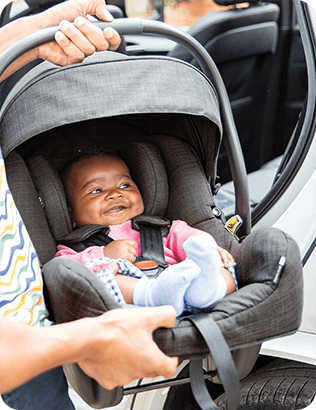
Ensure the car seat fits your baby snugly. Adjust the harness straps correctly. They should be tight enough to secure. Avoid making them too tight. Recline the seat to support your baby’s head. This helps maintain a comfortable angle. Use padding or inserts designed for infants. They provide additional support and comfort. Regularly check the seat’s position and angle. Keep it stable during rides.
Credit: realendpoints.com
Long-distance Travel Tips
Traveling long distances with a 1-month-old baby can be challenging. Ensuring comfort and safety is crucial. Planning ahead helps make the journey smoother. Here are some tips for a peaceful trip with your little one.
Planning Stops
Frequent stops are essential on long drives. Babies need breaks from the car seat to stretch. Aim to stop every couple of hours. These breaks also give you time to check on your baby. Ensure the stops are at safe locations. Look for rest areas or parks. Avoid busy highways or crowded places.
Keeping Baby Engaged
A 1-month-old can get restless during travel. Bring soft toys to keep them occupied. Play gentle music to soothe them. Talk to your baby during the journey. Your voice can be comforting. Ensure the car temperature is comfortable. A happy baby makes travel more enjoyable.
Expert Recommendations
Choosing the right car seat for your newborn is crucial. Parents often wonder how long their 1-month-old can safely remain in a car seat. Expert recommendations provide valuable insights. These suggestions ensure your baby’s safety and comfort during car rides.
Pediatrician Advice
Pediatricians often suggest limiting car seat time for infants. Babies should not stay in a car seat for more than two hours at a time. Long periods can affect their posture and breathing. Regular breaks are essential for their well-being. During breaks, take your baby out of the seat. Let them stretch and move around. This helps prevent discomfort and promotes healthy development.
Safety Organizations
Safety organizations echo similar advice. They emphasize the importance of car seat breaks. The American Academy of Pediatrics recommends frequent stops on long trips. These stops allow babies to change positions. The National Highway Traffic Safety Administration also stresses safety. They advise parents to monitor their baby’s position in the seat. Proper positioning reduces the risk of breathing issues.
Safety should always be the priority. Following expert recommendations helps protect your little one. It ensures their comfort and safety during travel. Always prioritize your baby’s needs during car journeys.

Credit: www.shutterstock.com
Frequently Asked Questions
How Long Can A Newborn Stay In Car Seat?
A newborn can stay in a car seat for up to two hours. This limit helps prevent breathing difficulties and discomfort. Frequent breaks are recommended during long trips. Ensure the car seat is properly installed and reclined. Always monitor the baby’s comfort and position for safety.
Is It Safe For 1 Month Old In Car Seat?
Yes, it’s safe for a 1-month-old to be in a car seat. Ensure proper installation and recline. Limit duration to prevent discomfort. Regularly check their position and breathing. Follow manufacturer guidelines for optimal safety. Frequent breaks during long drives are advisable.
How Often Should Breaks Be Taken During Car Trips?
During car trips, take breaks every two hours. This helps prevent discomfort and allows for movement. Frequent breaks ensure safety and comfort. Monitor the baby’s position and breathing during breaks. A change of environment can also be beneficial for the baby.
Can Extended Car Seat Use Affect Baby Health?
Extended car seat use can affect a baby’s health. It may cause breathing difficulties and discomfort. Limit use to two hours. Regular breaks are essential. Ensure the baby is securely positioned. Always monitor for signs of distress or discomfort during travel.
Conclusion
Always prioritize your baby’s comfort in a car seat. Short rides are best for newborns. Limit extended trips to avoid discomfort. Regular breaks are essential. Check the seat’s fit often. It should be snug and secure. Babies need to move freely.
Adjust straps for safety. Ensure a flat head position. Parents should monitor closely. Listen to your baby’s cues. Crying or fussing means it’s time for a break. Safe travel keeps your baby happy. Make car journeys enjoyable for them. Their health and safety come first.


