


How Long Can 5 Month Old Be in Car Seat: Safety Tips

Are you planning a road trip with your little one or just wondering how long your 5-month-old can safely stay in a car seat? You’re not alone.
As a parent, ensuring your baby’s comfort and safety during car rides is a top priority, and knowing the right guidelines can make all the difference. In this post, we’ll explore the ideal duration for your baby’s time in a car seat, backed by expert advice and safety recommendations.
By the end, you’ll feel confident and informed, ready to hit the road with peace of mind. Stay tuned to discover tips that could transform your travel experience with your little one.
Car Seat Safety Basics
Ensuring your baby’s safety in the car is crucial. Car seats are designed to protect infants in case of sudden stops or accidents. Proper use of a car seat can reduce the risk of injury.
Understanding how long a 5-month-old can be in a car seat is important. Short rides are usually safe, but longer durations may require breaks.
Importance Of Proper Use
Correct installation of the car seat is vital. Follow the manufacturer’s instructions carefully. Ensure the seat is securely fastened. A snug fit is necessary for safety.
Check the harness straps. They should be tight without pinching. Loose straps can compromise safety. Adjust them as your baby grows.
Common Mistakes To Avoid
One common mistake is not tightening the straps enough. Loose straps can endanger your baby. Double-check the harness for a secure fit.
Avoid placing the car seat in the front seat. The back seat is safer for infants. Ensure the seat faces the rear of the vehicle.
Never leave your baby alone in the car seat. Supervision is essential, even during short breaks.
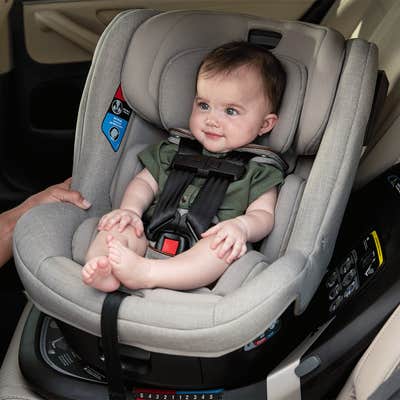
Credit: portlandmedia.org
Recommended Time Limits
Understanding the recommended time limits for a 5-month-old in a car seat is crucial. Safety is the top priority for parents. Babies have specific needs. They cannot stay in a car seat for too long. Knowing the limits helps keep your baby safe and comfortable during journeys.
Guidelines For Infants
The American Academy of Pediatrics provides clear guidelines. Infants should not be in car seats for more than two hours. This applies within a 24-hour period. Long durations can affect their breathing. Frequent breaks are essential to maintain safety.
Factors Influencing Duration
Several factors can influence how long your baby can stay in a car seat. The type of car seat matters. Ensure it fits your baby correctly. The baby’s health is another factor. Babies with medical conditions may need more frequent breaks. Temperature inside the car also affects comfort. Make sure it’s neither too hot nor too cold.
Signs Of Discomfort
Signs of discomfort in a 5-month-old baby in a car seat include crying, squirming, or arching their back. Babies should not stay in car seats for more than two hours at a time to prevent discomfort and potential breathing issues.
Regular breaks help keep your baby comfortable and safe.
Understanding the signs of discomfort in your 5-month-old during car rides is crucial. Babies can’t verbally express their discomfort. Parents need to watch for physical and behavioral cues. Recognizing these signs ensures a safe and pleasant journey for your little one.Physical Signs To Watch
A baby in discomfort may start sweating. Check for clammy skin, especially around the head. Redness on the face or neck is another indicator. A change in breathing patterns can also signal discomfort. Shallow or rapid breaths may need attention. Constant wriggling or squirming is a sign too. Notice if they can’t seem to settle in the seat.Behavioral Indicators
Crying is a strong indicator of discomfort. Listen for persistent or unusual cries. Fussiness beyond normal levels can point to discomfort. If your baby often arches their back, it may mean they’re uncomfortable. A sudden change in mood from happy to irritable is telling. Watch if they’re avoiding eye contact or seem less responsive. This could indicate they’re not comfortable. Being aware of these signs can help parents act quickly. Ensuring a comfortable car seat experience is key.Tips For Longer Journeys
Traveling with a 5-month-old requires careful planning for their comfort. Experts suggest limiting car seat time to two hours. Frequent breaks ensure safety and happiness during longer journeys.
Taking a long drive with a 5-month-old needs planning and care. Car seats are essential, but little ones shouldn’t stay in them too long. Longer trips require careful preparation. Follow these tips to ensure a smooth journey.Planning Breaks
Plan regular breaks every two hours. This gives your baby time to stretch and breathe. During these stops, take your baby out of the car seat. Let them move and relax. Fresh air can also help refresh both you and your baby. Breaks keep the journey enjoyable and safe.Comforting Techniques
Keep your baby calm with their favorite toys or soft music. A familiar blanket can provide comfort. It helps them feel secure in the car. Feeding before the trip can also help. A full tummy makes a baby sleepy. A well-rested baby is a happy traveler.Choosing The Right Car Seat
Choosing the right car seat for your 5-month-old is crucial. It’s about safety, comfort, and convenience. A good car seat will support their growing body, keeping them secure during travel. Finding the perfect seat requires understanding specific features. Let’s explore what to consider.
Features To Consider
Look for adjustable harness straps. They ensure a snug fit as your baby grows. Check for ample padding. This adds comfort on long rides. Consider a recline feature. It helps maintain proper posture and reduces strain. A removable cover is practical. Easy cleaning is a must with babies.
Safety Certifications
Ensure the car seat meets safety standards. Look for labels like the NHTSA or JPMA. These certifications guarantee rigorous testing. They ensure the seat’s reliability. A certified seat offers peace of mind. It assures your child’s safety on every journey.
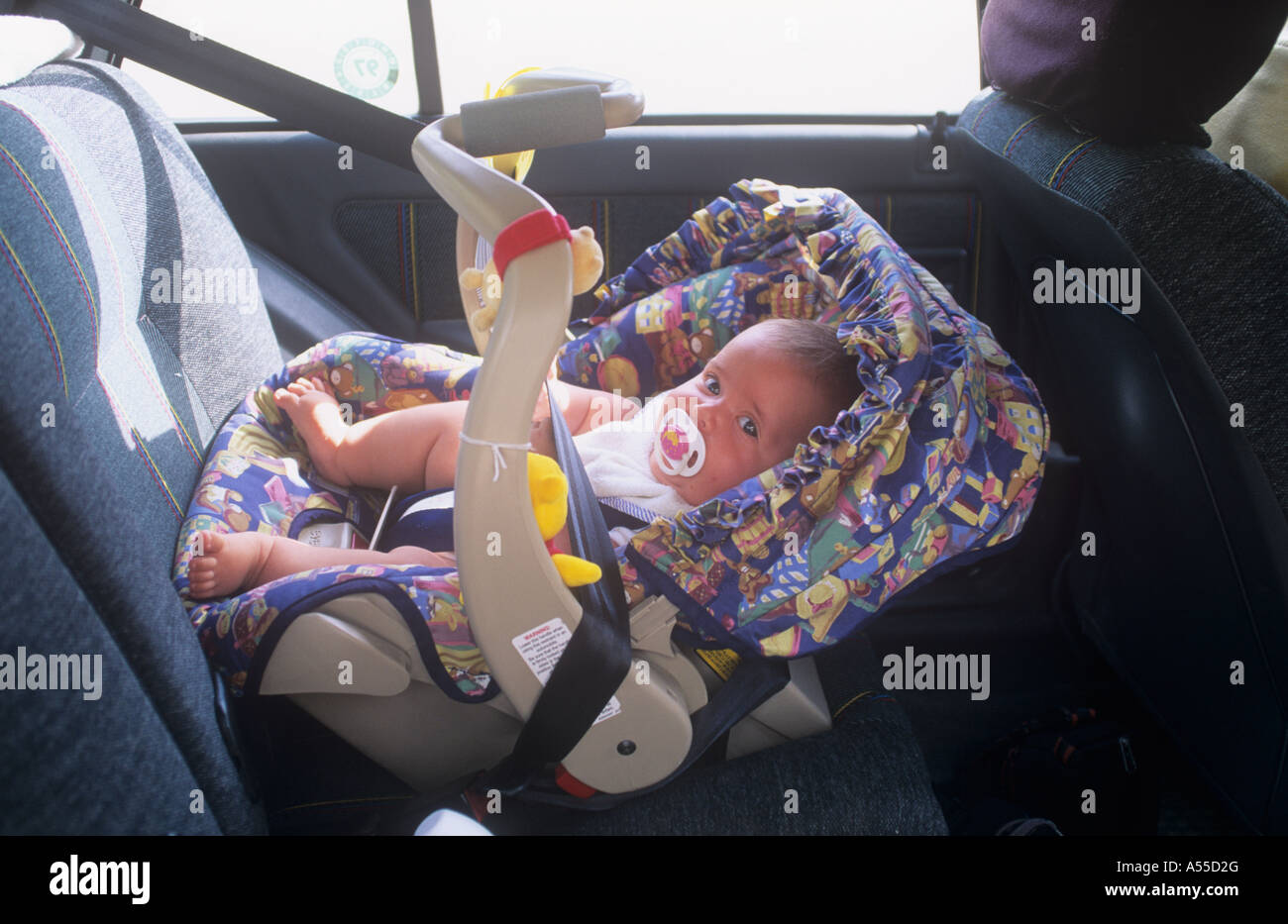
Credit: www.alamy.com
Expert Advice
Traveling with a 5-month-old requires careful planning. Ensuring their comfort and safety in a car seat is crucial. Experts provide essential guidance on the duration a baby can safely remain in a car seat. This advice is invaluable for parents seeking peace of mind during travel.
Pediatric Recommendations
Pediatricians advise that babies should not stay in car seats for long durations. Extended periods can lead to discomfort and health issues. Generally, a maximum of two hours is recommended. Breaks should be taken to allow the baby to stretch and move. This helps maintain proper circulation and comfort.
Insights From Safety Specialists
Safety specialists emphasize the importance of frequent checks. They recommend monitoring the baby’s position and comfort during travel. Ensuring the car seat is correctly installed is vital. Specialists also suggest keeping toys or soft items nearby for distraction. This can help keep the baby calm and content during the journey.

Credit: ncchild.org
Frequently Asked Questions
How Long Can A 5-month-old Sit In A Car Seat?
A 5-month-old should not sit in a car seat for more than 2 hours at a time. It’s crucial to take breaks to allow your baby to move and stretch. Extended periods in a car seat can affect a baby’s developing spine and cause discomfort.
Is It Safe For A 5-month-old To Sleep In A Car Seat?
While short naps are okay, prolonged sleeping in a car seat isn’t recommended. This position can restrict airflow and put pressure on a baby’s spine. Always transfer your baby to a crib or bassinet for longer sleep periods to ensure safety.
What Are The Signs Of Discomfort In A Car Seat?
Signs of discomfort include excessive crying, squirming, or arching their back. If your baby shows these signs, stop and check their position. Ensure the harness is snug but not too tight, and adjust the angle of the car seat if needed.
How To Ensure Proper Car Seat Installation?
Always follow the car seat’s manual for installation guidelines. Ensure the seat is securely attached and doesn’t move more than an inch. Check that the harness fits snugly against your baby without being too tight. Regularly inspect the car seat for any wear or damage.
Conclusion
Ensuring your baby’s safety in the car is crucial. Limit car seat time to two hours. Take breaks during long trips. These breaks help your baby stretch and breathe fresh air. Watch for signs of discomfort or restlessness. A happy baby means a safer trip.
Consider your baby’s needs and adjust accordingly. Each child is unique. Trust your instincts as a parent. Always prioritize safety and comfort. Your care makes all the difference. Enjoy your travels with peace of mind. Safe journeys ahead!


