


Can You Buy a Used Car Seat: Safety Tips & Guidelines

When you’re expecting a new addition to your family, there’s a long list of essentials you need to prepare. One item that often sparks a debate is the car seat.
You might wonder, “Can you buy a used car seat? ” It’s a tempting thought, especially when you’re looking to save money amidst a sea of expenses. But wait, before you dive into that online marketplace or garage sale, there’s crucial information you need to know to ensure your little one’s safety.
Your decision could make all the difference. Imagine the peace of mind you’ll feel knowing you made the best choice for your child’s safety. Read on to discover what you need to consider before purchasing a used car seat. Your baby’s safety might just depend on it.
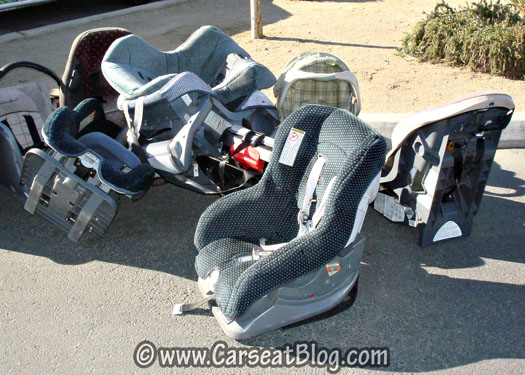
Credit: carseatblog.com
Assessing The Risks
Buying a used car seat may seem like a good deal. It’s cheaper than a new one. But are the risks worth it? Let’s explore the potential dangers. Understanding these risks can help you make an informed decision.
Assessing Damage And Wear
Used car seats may have unseen damage. Cracks and worn parts aren’t always visible. Such damage can weaken the seat’s safety features. Accidents can cause hidden structural problems. Always inspect for signs of wear. Check belts and buckles for strength and condition.
Expiration Dates Matter
Car seats have expiration dates. Materials degrade over time. An expired seat may not offer adequate protection. Manufacturers set these dates for safety reasons. Always check the label for expiration information.
Missing Parts And Manuals
Used seats may lack essential components. Missing pieces can affect installation. Incorrect installation reduces safety. Many used seats come without manuals. Manuals provide crucial instructions for secure fitting.
History Of Accidents
Previous accidents can compromise a seat’s integrity. Damage isn’t always visible to the naked eye. Ask about the seat’s history. A seat involved in a crash might not be safe anymore.
Recalls And Safety Standards
Check if the seat has been recalled. Recalls address safety defects. Compliance with current safety standards is crucial. Older models might not meet today’s regulations.
Checking Expiration Dates
Buying a used car seat can save money, but ensure safety first. Checking expiration dates is crucial. It ensures the car seat offers maximum protection. Manufacturers set expiration dates for a reason. Materials degrade over time. Safety standards evolve. An expired car seat might not protect in an accident.
Understanding Expiration Dates
Every car seat has an expiration date. Usually found on the label or embossed on the plastic. It indicates the period the seat remains safe to use. Most car seats expire within 6 to 10 years from the manufacture date. Always check this date before purchasing a used car seat.
Why Car Seats Expire
Car seats expire due to material wear and tear. Over time, plastic and foam degrade. Exposure to temperature changes and sunlight accelerates this process. An expired seat might not withstand crash forces. Using it could risk a child’s safety.
Locating The Expiration Date
Finding the expiration date is simple. Look for a label with the date of manufacture. The expiration date is usually nearby. Some manufacturers emboss the date into the plastic. Don’t buy if the expiration date is missing or unclear.
Consequences Of Ignoring Expiration Dates
Ignoring expiration dates can compromise safety. An expired car seat might fail during a crash. It may not meet current safety standards. This puts the child at risk. Always ensure the car seat is within its valid period.
Inspecting For Damage
Buying a used car seat can save money. But safety is crucial. Inspecting for damage is essential before purchasing. A thorough check ensures the seat will protect your child. Look closely at various parts of the car seat. This will help you decide if it’s safe to use.
Cracks And Fractures
Examine the plastic parts for cracks. Pay attention to the edges and corners. Small fractures can weaken the car seat. Press gently on the plastic to check for hidden damage. Avoid seats with visible cracks or stress marks.
Straps And Buckles
Inspect the straps for fraying or wear. Pull them to ensure they are sturdy. Check the buckles for smooth operation. They should click securely when fastened. Ensure the harness is adjustable and functional. Damaged straps or buckles compromise safety.
Verifying Recall Status
Buying a used car seat can save money. Yet, safety must be the priority. Checking the recall status is essential. It ensures the car seat is safe for your child. A recalled seat might have defects. These defects could put your child at risk. Below are steps to verify a car seat’s recall status.
How To Check For Recalls
Begin by finding the car seat’s model number. This is usually on a label on the seat. It includes the manufacture date too. Use this information to search for recalls. Visit the manufacturer’s website. They often have a recall section. Enter the model number there. The website will show if the seat has any recalls.
Using Government Resources
The National Highway Traffic Safety Administration (NHTSA) offers a recall tool. Visit their website. Enter the car seat’s model number and manufacture date. This tool provides recall information. It’s a reliable source for safety updates.
What To Do If A Recall Is Found
If the car seat has a recall, don’t use it. Contact the manufacturer immediately. They might offer a repair or replacement. Keeping your child safe is worth the effort. Always follow the manufacturer’s instructions for recalls.
Importance Of Regularly Checking For Updates
Check the recall status regularly. New recalls can arise after purchase. Staying informed ensures ongoing safety. Sign up for recall alerts. Many manufacturers offer this service. It helps you stay updated on safety news.
Understanding Crash History
When buying a used car seat, understanding its crash history is crucial. A car seat may look perfect but could be unsafe if involved in a crash. Knowing its history helps ensure the safety of your child.
What Is Crash History?
Crash history refers to any incidents the car seat has been through. This includes minor accidents or major collisions. Even a slight impact can compromise the seat’s integrity.
Why Crash History Matters
A seat involved in an accident might have unseen damage. Structural damage affects its ability to protect during a future crash. Safety standards require seats to maintain their original form after an accident.
Signs Of A Compromised Seat
Inspect the seat for visible cracks or dents. Check the harness for wear or fraying. These signs indicate the seat may not perform well in another crash.
Obtaining Crash History Information
Ask the seller about the seat’s accident record. Request documentation or receipts from repairs. Honest sellers should provide this information without hesitation.
The Importance Of Manufacturer Guidelines
Manufacturers often have guidelines for post-accident usage. Some recommend replacement after any crash. Always check the seat’s manual for specific advice.
Ensuring Proper Fit
Buying a used car seat can be economical, but safety is crucial. Proper fit ensures your child’s safety and comfort during travel. You must consider several factors to guarantee the best fit. Let’s explore these essential aspects.
Child’s Age And Size
The car seat must match your child’s age and size. Babies require rear-facing seats for maximum protection. Toddlers often need forward-facing seats with harnesses. Older children use booster seats. Always check the seat’s specifications. Ensure it aligns with your child’s growth stage.
Measure your child’s height and weight. Compare these to the seat’s limits. An ill-fitting seat can compromise safety. A snug fit is vital for effective restraint.
Vehicle Compatibility
Not all car seats fit every vehicle. Check your car’s manual for seat compatibility. Some seats require specific installation methods. Ensure the used seat fits well with your car’s design.
Examine the seat’s base. It should secure firmly without wobbling. Test the seat in your vehicle before purchase. Look for proper anchor points and seat belt paths. An improperly fitted seat can endanger your child.
Consider the space in your vehicle. A larger seat may not fit smaller cars. Ensure you have enough room for the seat and other passengers.
Cleaning And Maintenance
Cleaning and maintaining a used car seat is crucial for safety and comfort. A well-maintained seat ensures your child is protected during travels. Regular cleaning also helps preserve the seat’s appearance and functionality.
How To Clean The Fabric
Start by removing the fabric cover. Check the label for washing instructions. Use mild detergent and cold water. Air drying is best to prevent shrinking.
For stains, treat them promptly. A mixture of water and vinegar can help. Always test on a small area first.
Cleaning The Straps And Buckles
Straps need gentle cleaning. Avoid soaking them in water. Use a damp cloth instead. Dry them thoroughly before reassembling.
Buckles can trap dirt. Use compressed air to remove debris. A toothbrush works for stubborn grime.
Maintaining The Plastic And Metal Parts
Plastic components need regular checks for cracks. Wipe them with a damp cloth. Metal parts can rust. Use a metal polish to maintain them.
Inspect all parts regularly. Ensure they function correctly. Replace damaged components promptly.
Regular Safety Checks
Safety checks are vital. Ensure the seat is securely installed. Adjust the straps for a snug fit.
Check for recalls. Used seats might have safety notices. Stay informed and act quickly if needed.

Credit: saferide4kids.com
Seeking Professional Advice
Buying a used car seat involves careful consideration. Safety and reliability are key factors. Expert guidance can be invaluable. A professional can assess the car seat’s condition. They ensure it meets current safety standards. This reduces risk and ensures peace of mind.
Why Seek Professional Advice?
Experts have extensive knowledge about car seats. They understand the nuances of different models. Their insight can prevent costly mistakes. A professional can identify hidden damage. They check for recalls and expired parts. Their advice can make your purchase safer.
How Professionals Evaluate Used Car Seats
Professionals conduct thorough inspections. They assess the seat’s structural integrity. They look for signs of wear and tear. Their checks cover belts and buckles. They examine padding and harnesses. This comprehensive evaluation ensures safety.
Finding Reliable Professionals
Local car seat inspection stations are helpful. Certified technicians offer trusted advice. You can also visit car safety clinics. Online resources list qualified experts. Seek recommendations from friends and family. Their experiences can guide your choices.
Alternatives To Buying Used
Buying a used car seat may seem like a budget-friendly choice. Yet, there are safer alternatives that won’t break the bank. Ensuring your child’s safety is paramount, so finding affordable and trustworthy options is crucial. Discover new, cost-effective solutions and community resources to get a reliable car seat without compromising safety.
Affordable New Options
Some retailers offer budget-friendly new car seats. These seats meet all safety standards. Watch for sales and discounts at major stores. You might find a new car seat within your budget. Also, consider convertible car seats. They last longer and provide value for money. Spending a little more initially can save money in the long run.
Community Resources
Local community programs sometimes offer car seat assistance. Check with local charities or non-profits for help. They might provide free or low-cost car seats. Some hospitals also have programs for new parents. Community centers often have resources for families in need. Explore these options before buying used.
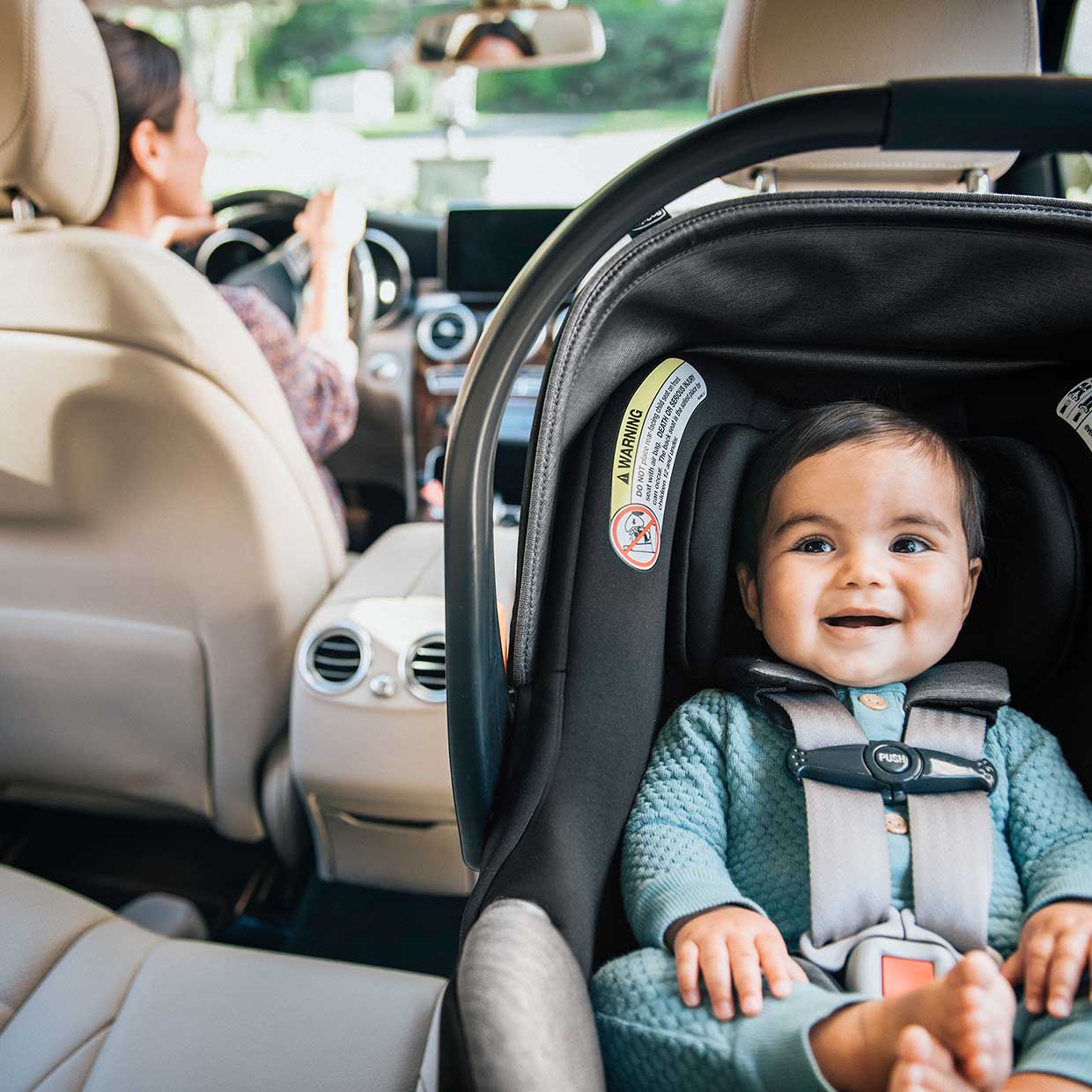
Credit: www.chiccousa.com
Frequently Asked Questions
Is It Safe To Buy A Used Car Seat?
Buying a used car seat can be risky. Ensure it hasn’t been in accidents, and check expiration dates. Verify recalls and inspect for damage. Always prioritize safety over cost.
What Should I Check In A Used Car Seat?
Check the car seat for recalls and expiration dates. Inspect for any damages or missing parts. Ensure the harness is in good condition and the instruction manual is available.
Can Used Car Seats Expire?
Yes, car seats have expiration dates. Materials degrade over time, impacting safety. Check the seat’s label for its expiration date.
Are There Legal Issues With Used Car Seats?
Some regions have laws against selling used car seats. Always check local regulations. This ensures compliance and safety for your child.
Conclusion
Buying a used car seat involves thoughtful considerations. Safety should always come first. Check the seat’s history and expiration date. Ensure it has not been in accidents. Inspect the seat for recalls and damages. Always verify the label for standards compliance.
Seek advice from trusted sources. Consider the peace of mind new seats offer. Remember, a child’s safety is priceless. Your decision impacts their well-being. Make informed choices. Research thoroughly and consult experts. Safe travels start with a safe seat.


