

Why is Rear Facing Car Seat Safer: Essential Insights

Imagine you’re driving down the road with your little one safely tucked in the back seat. Your priority is their safety, right?
But have you ever wondered why experts emphasize using a rear-facing car seat for as long as possible? It’s more than just a recommendation; it’s a vital safety measure that could make a huge difference in an accident. We’ll explore why a rear-facing car seat is not just safer but essential for your child’s protection.
You’ll uncover the compelling reasons that might just change the way you think about car seat safety forever. Stay with us, and let’s dive into the crucial details that every parent needs to know.
Importance Of Rear-facing Car Seats
Ensuring the safety of our children during travel is vital. Rear-facing car seats offer enhanced protection. They reduce the risk of injury in crashes. They are designed to support a child’s head, neck, and spine. This is crucial during sudden stops or collisions. Understanding their importance helps parents make informed choices. Let’s delve into why rear-facing car seats are safer.
Enhanced Protection In Collisions
Rear-facing seats distribute crash forces across the child’s body. They shield vital areas from impact. Forward-facing seats don’t offer this same protection. Rear-facing seats act like a cocoon. They hold the child safely. This reduces the chance of serious injuries.
Support For Head And Neck
Young children have delicate necks. Their heads are proportionally larger. Rear-facing seats support these areas better. They keep the child’s head aligned with the spine. This minimizes neck strain during sudden stops. Forward-facing seats can cause the head to jerk forward. This increases the risk of neck injuries.
Recommended By Safety Experts
Safety experts advocate rear-facing seats for young children. Studies show they are more effective. They protect against severe injuries. Organizations recommend them until at least age two. Some suggest longer. Following expert advice increases child safety during travel.
Longer Use Benefits
Many parents worry about space. Rear-facing seats fit comfortably in most cars. Modern designs cater to longer usage. They adjust as the child grows. This ensures ongoing protection. Parents can choose convertible seats for extended use. This maximizes safety benefits over time.

Credit: www.youtube.com
Crash Dynamics Explained
Understanding crash dynamics helps reveal why rear-facing car seats are safer. During a collision, forces act on the car and its passengers. These forces can cause injuries if not properly managed. Rear-facing car seats distribute these forces differently, offering better protection.
Impact Force Distribution
Rear-facing seats distribute impact forces across a child’s entire body. This reduces stress on any single area. In forward-facing seats, forces concentrate more on specific parts. This distribution difference plays a crucial role in injury prevention. Rear-facing seats mimic the natural cradling effect. This helps minimize potential harm during a crash.
Protection For Head And Neck
Children have fragile necks and heads. Rear-facing seats offer superior protection for these areas. During a crash, the seat’s back supports the child’s head and neck. This reduces the likelihood of serious injuries. The seat absorbs much of the crash energy. It keeps the head and neck aligned, minimizing strain. Forward-facing seats lack this level of protection for young children.
Age And Weight Considerations
Ensuring the safety of children in vehicles is crucial. Rear-facing car seats offer enhanced protection. Age and weight are key factors in determining the appropriate car seat. Parents should know the guidelines for infants and understand when to transition to a forward-facing seat. This helps keep children safe during travel.
Guidelines For Infants
Infants should always ride in a rear-facing car seat. This position supports their head, neck, and spine. It distributes the force of a crash more evenly. The American Academy of Pediatrics recommends using a rear-facing seat until at least age two. Some seats accommodate children up to 40 pounds. Check the manufacturer’s weight limit to ensure proper use.
Transitioning To Forward-facing
Transitioning to a forward-facing seat should be a thoughtful decision. Children should remain rear-facing until they outgrow the seat’s limits. Age, weight, and height are important considerations. Typically, children can switch after their second birthday. Always follow the car seat manufacturer’s recommendations for transitioning. Safety is the priority.
Safety Standards And Regulations
Rear facing car seats offer enhanced protection for young children during accidents. They support the head, neck, and spine better. Safety standards recommend rear-facing seats for as long as possible to reduce injury risks.
Safety standards and regulations play a crucial role in child car seat safety. Understanding these rules ensures your child’s protection during travel. Every parent wants their little one to be safe. Knowing the guidelines helps make informed choices.U.s. And European Standards
In the U.S., rear-facing seats follow strict rules. The National Highway Traffic Safety Administration (NHTSA) sets these standards. They focus on crash testing and impact protection. Car seats must pass rigorous tests. European regulations are equally stringent. The European Union enforces rules through the ECE R44/04 standard. This standard ensures seats meet safety criteria. Both regions require specific labeling for compliance.Recent Updates And Changes
Safety standards evolve with new research. In recent years, updates have been made. The American Academy of Pediatrics extended rear-facing recommendations. Children should remain rear-facing until age two or beyond. European guidelines also support extended rear-facing. These changes stem from studies showing increased protection. Adjustments in regulations reflect ongoing efforts for child safety. Parents need to stay informed about these updates. Awareness of changes ensures optimal safety for children.Real-life Case Studies
Real-life case studies offer compelling insights into why rear-facing car seats are safer. These stories and statistics highlight their importance in protecting young passengers. Parents worldwide have shared experiences that underscore the value of rear-facing seats.
Survivor Stories
Many families have faced accidents where rear-facing seats saved lives. One mother recounted a crash where her child remained unharmed. The seat absorbed impact, shielding the child from serious injury. Another story involves a father who credits the rear-facing seat for his child’s safety during a collision. These stories are powerful reminders of the protection rear-facing seats provide.
Statistical Evidence
Data supports the safety benefits of rear-facing car seats. Studies show children in rear-facing seats are less likely to suffer severe injuries. Statistics reveal a significant reduction in fatalities for rear-facing seat occupants. Research indicates these seats offer better support to a child’s head, neck, and spine. The evidence clearly shows rear-facing seats enhance child safety in vehicles.
Credit: www.consolata.org
Expert Recommendations
Rear-facing car seats are crucial for child safety. Many experts agree on their importance. Following expert recommendations ensures your child’s protection in a vehicle.
Pediatrician Advice
Pediatricians stress the importance of rear-facing car seats. They say children should use them as long as possible. This position protects the child’s head, neck, and spine. It reduces the risk of injury in a crash. Pediatricians recommend keeping children rear-facing until at least age two.
Safety Organization Guidelines
Safety organizations also advocate for rear-facing seats. The American Academy of Pediatrics and others provide clear guidelines. They suggest using rear-facing seats until the child outgrows them. This advice is based on extensive research. It highlights the protective benefits of rear-facing seats. Following these guidelines keeps young passengers safer.
Common Misconceptions
Choosing the right car seat can be challenging for parents. Rear-facing car seats are often misunderstood. Many parents worry about their child’s comfort and safety. Let’s explore some common misconceptions.
Myths Vs. Facts
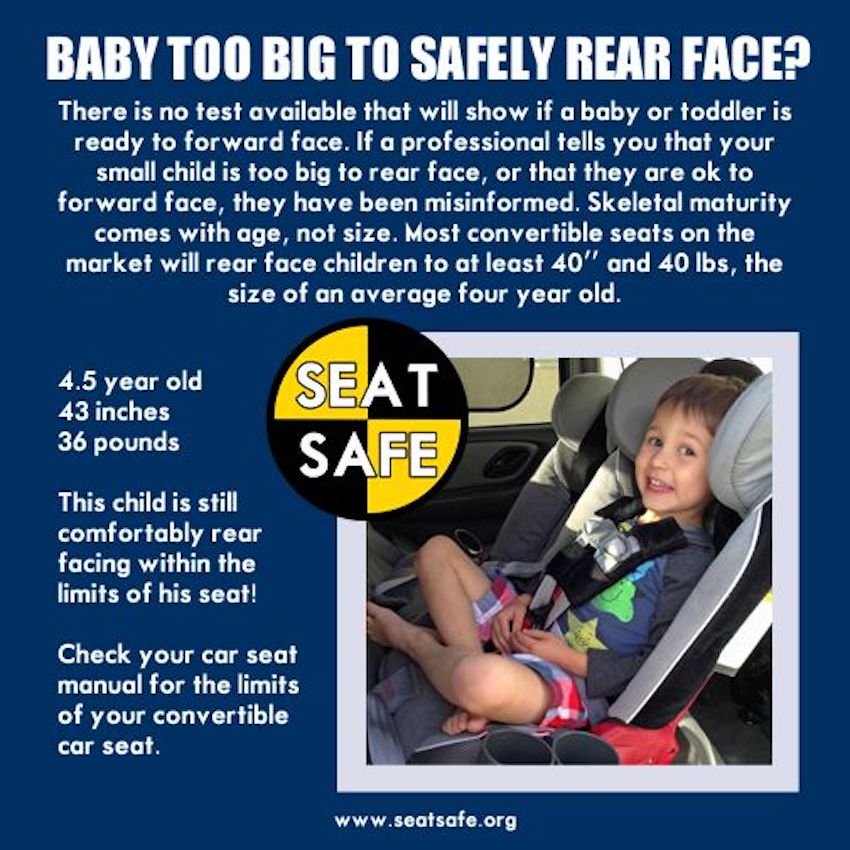
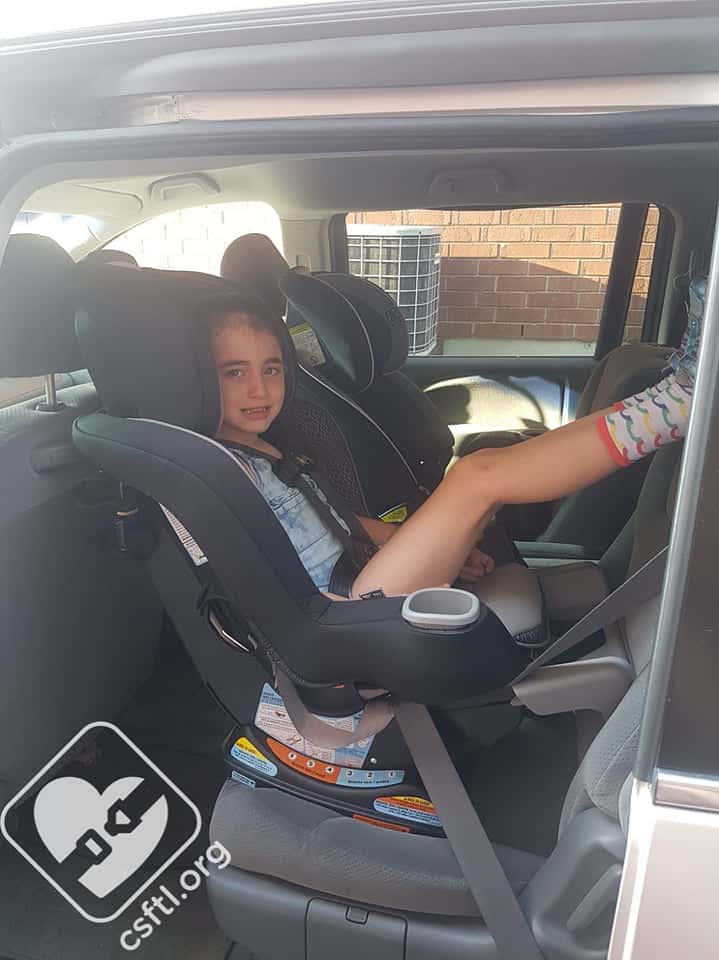
One myth is that rear-facing seats are unsafe in crashes. In reality, they offer better protection in frontal collisions. Another myth is that rear-facing seats are uncomfortable for older children. Children can comfortably sit with crossed legs.
Some believe rear-facing seats limit a child’s view. Yet, most children enjoy seeing out the rear window. Parents might think forward-facing is safer after a certain age. But experts recommend rear-facing as long as possible.
Addressing Parental Concerns
Parents often worry about leg injuries in rear-facing seats. Studies show these injuries are rare. Rear-facing seats distribute crash forces over the entire body.
Some parents think rear-facing is inconvenient for everyday use. Many modern car seats are easy to install and adjust. Concerns about space can deter parents. Yet, most cars accommodate a rear-facing seat comfortably.
Tips For Proper Installation
Ensuring your child’s safety in the car is a top priority. Rear-facing car seats provide the best protection for your little one. For maximum safety, proper installation is crucial. Here are some important tips to help you install your rear-facing car seat correctly.
Choosing The Right Seat
Select a car seat that fits your child’s age, weight, and height. Check the seat’s label for weight and height limits. Make sure the seat is compatible with your vehicle. Some seats fit better in certain cars. Visit a store to test the fit if possible. Read reviews and check safety ratings before buying.
Correct Installation Techniques
Always follow the car seat’s manual for installation instructions. Secure the seat tightly using the vehicle’s seat belt or LATCH system. The seat should not move more than an inch side-to-side. Ensure the harness straps are at or below your child’s shoulders. The chest clip should be at armpit level.
Adjust the recline angle to prevent your baby’s head from falling forward. Most seats have indicators for the correct angle. Double-check the installation by pressing firmly on the seat. It should not shift. Seek help from a certified car seat technician if unsure.
Future Of Car Seat Safety
The future of car seat safety is evolving rapidly. With advancements in technology and updates in regulations, car seats are becoming safer. Parents are increasingly aware of the importance of rear-facing seats. This awareness is shaping safety standards. Let’s explore how technology and regulations are contributing to safer car seats.
Technological Innovations
Technology is playing a crucial role in car seat safety. New materials are being used to make seats more durable. These materials absorb impact better during a crash. Sensors are another innovation. They alert parents if the seat is not installed correctly. Some seats now have self-tightening features. These ensure the seat remains secure at all times.
Advanced crash testing methods are being developed. These tests simulate real-world accidents more accurately. The results help manufacturers improve seat designs. Car seats are also becoming more user-friendly. Features like adjustable harnesses and easy-to-use buckles make installation simpler.
Evolving Safety Standards
Safety standards for car seats are constantly changing. Organizations are updating guidelines to reflect new research. These updates aim to reduce injuries in car accidents. Rear-facing seats are gaining attention in these standards. They offer better protection for children’s heads and necks.
Countries are implementing stricter regulations for car seats. These regulations focus on age and weight limits for rear-facing seats. Compliance with these standards is becoming mandatory. Manufacturers are required to meet these evolving standards.
Parents are encouraged to keep children rear-facing longer. Educational campaigns spread awareness about these benefits. This shift is driving a change in safety standards. It ensures children are protected better in the event of a crash.
Credit: csftl.org
Frequently Asked Questions
Why Is Rear Facing Safer For Babies?
Rear-facing car seats provide better support for a baby’s head, neck, and spine. In a crash, these seats distribute the force more evenly, minimizing injury risks. They protect the most vulnerable parts of a baby’s body, offering superior safety compared to forward-facing seats.
At What Age Should Kids Switch To Forward-facing?
Children should remain rear-facing until at least age two, or until they outgrow the seat’s limits. Many experts recommend keeping them rear-facing for as long as possible. This ensures maximum safety during the crucial early years of development.
Are Rear-facing Car Seats Necessary For Toddlers?
Yes, rear-facing car seats are necessary for toddlers. They offer better protection in a crash, reducing the risk of injury. Toddlers have developing bones and muscles, making rear-facing the safest option. They provide crucial support during sudden stops or impacts.
How Do Rear-facing Seats Protect In Crashes?
Rear-facing seats cradle a child’s body, distributing crash forces across the entire back. They provide superior head, neck, and spine protection. These seats reduce the likelihood of severe injuries by cushioning the child during impacts, making them the safest choice.
Conclusion
Rear-facing car seats offer more protection for children. They support the head, neck, and spine. In a crash, this positioning reduces injury risk. Safety experts agree. Rear-facing seats are crucial for young children. Parents should prioritize this setup for their child’s safety.
It provides peace of mind on the road. Always choose the safest option for your little ones. Safety is a top priority for every family. Ensure your car seat is properly installed. This small step can make a big difference.
Give your child the best protection today. Stay informed and keep your loved ones safe.


