


Can You Donate a Car Seat? Discover How and Where

Have you ever found yourself with an extra car seat that your child has outgrown? It sits there, taking up space, and you wonder if it could be put to better use.
Can you donate a car seat? The answer might surprise you and potentially impact a family’s life in ways you hadn’t imagined. This isn’t just about decluttering your home; it’s about giving safety and peace of mind to another parent.
Before you decide what to do with that unused car seat, let’s explore the possibilities together. You’ll discover the potential hurdles and the rewarding opportunities that come with donating a car seat. Ready to turn your unused item into a beacon of hope for someone in need? Let’s dive in.
Credit: www.henrycountyymca.org
Eligibility For Car Seat Donation
Donating a car seat is a generous act. It helps families in need. Understanding eligibility is crucial for a successful donation. Ensure your car seat meets specific criteria. This guarantees safety for the recipient.
Condition Requirements
Inspect your car seat carefully. It must be clean and in good shape. No major damage or missing parts. Check for cracks or broken pieces. Ensure straps are not frayed. A well-maintained seat ensures safety for a child.
Age And Expiry Considerations
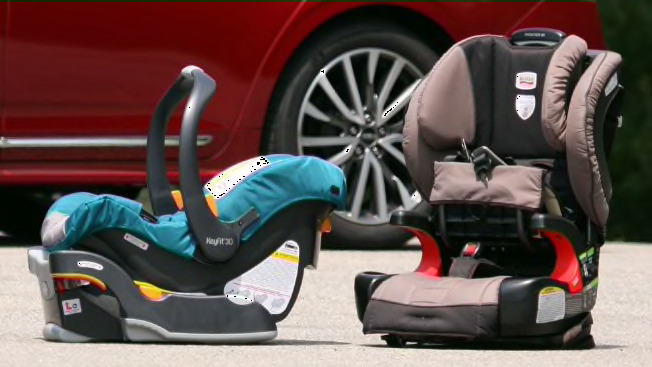
Car seats have expiry dates. Look for a label with this information. Most seats expire after six years. Ensure your seat is within this timeframe. An expired seat may compromise safety. Check the manufacture date to confirm usability.
Credit: www.consumerreports.org
Benefits Of Donating Car Seats
Donating a car seat offers numerous benefits. It goes beyond just clearing space. Your donation can make a difference for the environment and for families in need. Each car seat donated can have a significant positive impact.
Environmental Impact
Every year, countless car seats end up in landfills. This contributes to environmental waste. Donating your car seat helps reduce this waste. It ensures the materials are reused. Recycling car seats saves resources. It also decreases the need for new materials. This action supports a healthier planet. Each car seat donation counts in environmental conservation.
Helping Families In Need
Many families struggle to afford car seats. Your donation can help bridge this gap. It provides safety for children at no cost to their families. Donated car seats can ease financial burdens. They offer peace of mind to parents. Your act of kindness can make a child’s journey safer. You give families a precious gift: security.
Where To Donate Car Seats
Donating a car seat can help families in need. Many parents cannot afford new car seats. Your donation can make a big difference. But where can you donate your car seat? Many options are available for those willing to give.
Local Charities And Organizations
Many local charities accept car seat donations. Check with your nearby thrift stores. Some churches also take car seat donations. They give them to families in the community. Ensure the car seat meets safety standards. It must not be expired or damaged.
National Donation Programs
Some national programs accept car seats. They help distribute them across the country. Organizations like Baby2Baby take car seat donations. They help families in need nationwide. Always verify the requirements before donating. This ensures your car seat can be safely reused.

Credit: www.fccin.org
Preparation For Donation
Donating a car seat requires proper preparation. The process ensures the seat is safe and ready for its new owner. Below are essential steps to follow before donating a car seat. These steps ensure the seat meets safety standards and is in good condition.
Cleaning And Maintenance
A clean car seat is crucial for donation. Start by wiping down the seat with a damp cloth. Use mild soap to remove stains and dirt. Ensure all parts are clean, including straps and buckles. Check for any wear or damage on the seat. Repair or replace damaged parts if possible. A well-maintained seat is more likely to be accepted for donation.
Documentation And Instructions
Include all relevant documents with the car seat. This includes the manual and any warranty papers. These documents help the new owner understand the seat’s features. They also provide information on installation. Clear instructions ensure the seat is used safely. If the manual is missing, try contacting the manufacturer for a replacement.
Alternatives To Donation
Donating a car seat is not always possible. Many charities have strict safety guidelines. Some won’t accept used car seats. There are other ways to give your car seat a second life. Consider recycling, selling, or trading it. These options can be both eco-friendly and beneficial.
Recycling Options
Recycling a car seat helps the environment. Some parts can be reused. Many cities have recycling programs. Check with local waste management services. They might accept car seats. Some stores host recycling events. They collect old car seats. This keeps them out of landfills.
Selling Or Trading
Selling a car seat can be a good choice. Online marketplaces are a good start. Ensure the car seat is in good condition. Check for recalls. Another option is trading. Some stores offer trade-in programs. You might get a discount on a new car seat. This can be a cost-effective way to upgrade.
Legal And Safety Considerations
Donating a car seat is a generous act. It helps families in need. Yet, legal and safety considerations are crucial. These factors ensure the safety and compliance of donated car seats. Understanding these aspects is vital before donation.
Regulations On Used Car Seats
Certain regulations govern the donation of used car seats. Laws vary by location. Some places allow donations of used seats. Others may have strict rules. Checking these regulations is essential. It ensures the donation is compliant and safe.
Age and condition of the car seat matter. Most places require seats less than six years old. The seat must not have been in accidents. It should have clear labels and instructions. These factors affect donation eligibility.
Ensuring Compliance And Safety
Donors should ensure the car seat is safe. Check for recalls or defects. Ensure all parts are intact. Missing parts affect safety. Harness, buckles, and padding should be in good condition. These checks guarantee the seat’s safety.
Proper cleaning is important. Clean the seat thoroughly. Avoid harsh chemicals. They can damage materials. A well-maintained seat is safe for use. Donors need to include manuals. Instruction manuals are crucial for proper installation. This ensures future users can install the seat correctly.
Frequently Asked Questions
Can You Donate A Used Car Seat?
Yes, many organizations accept gently used car seats. Ensure they meet safety standards and aren’t expired.
Where Can I Donate My Old Car Seat?
Check local charities, thrift stores, or recycling programs. Some organizations run specific car seat donation drives.
Is It Safe To Donate A Car Seat?
Donating is safe if the seat hasn’t expired and is in good condition. Check for recalls first.
Why Should I Donate A Car Seat?
Donating helps families in need and promotes environmental sustainability. It prevents waste and supports community welfare.
Conclusion
Donating a car seat can help families in need. Ensure the seat meets safety standards. Check for recalls before donating. Clean the seat thoroughly for the next user. Contact local charities or organizations. They often accept car seat donations. Some recycling centers may take old seats.
Always prioritize safety and usability. Your donation can make a difference. It provides a secure ride for a child. Consider giving your car seat a new purpose. It’s a generous and impactful choice.


