


What Car Seat Should a 4 Year Old Be in: Expert Safety Guide

Choosing the right car seat for your 4-year-old can feel overwhelming. You want to keep your child safe, comfortable, and happy during every ride.
But with so many options and rules, how do you know which seat is best? This guide will help you understand exactly what type of car seat your 4-year-old should be in, so you can drive with confidence and peace of mind.
Keep reading to discover the key facts every parent needs to know.

Credit: www.nytimes.com
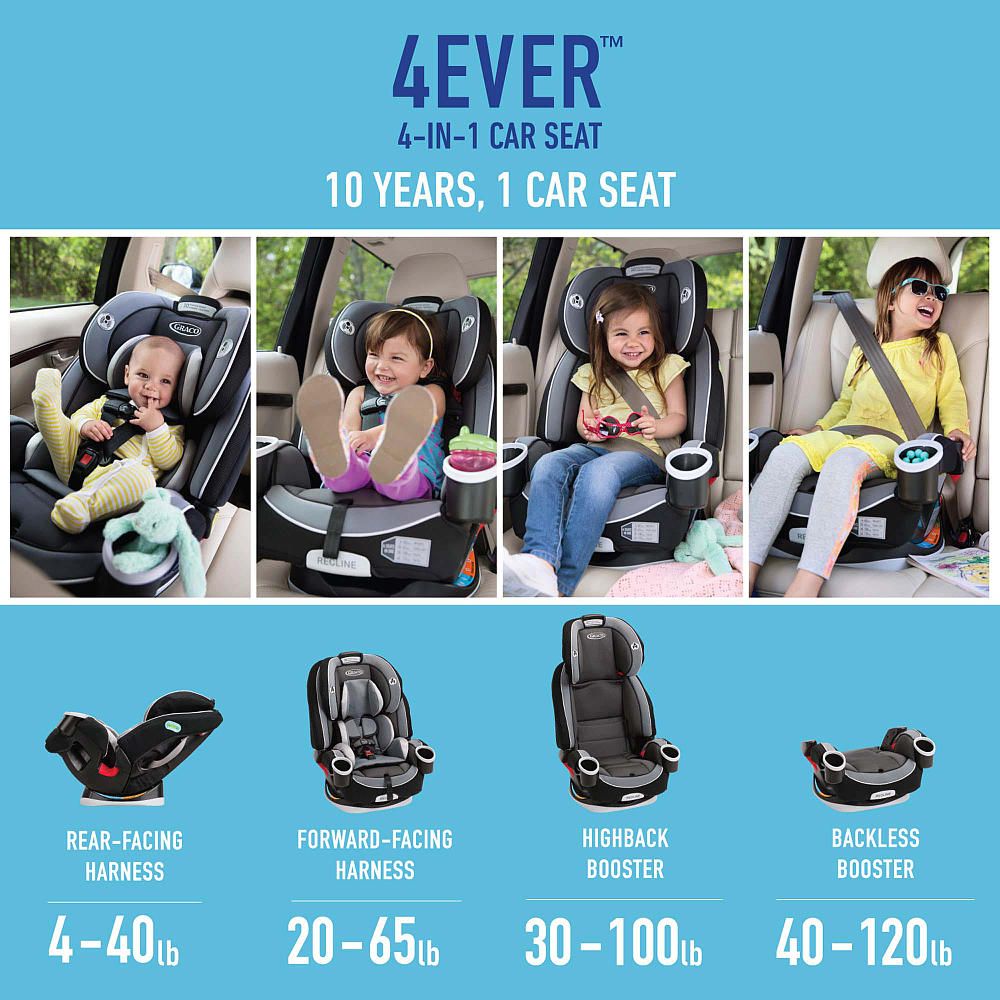
Car Seat Options For 4 Year Olds
Choosing the right car seat for a 4 year old is important for safety. At this age, children need seats that fit their size and weight. Parents have a few good options. Each option offers different levels of protection and comfort. Understanding these choices helps keep kids safe on every trip.
Car seat options vary by how the child sits and how the seat attaches. Knowing when to switch seats also matters a lot. This guide explains the best seats for 4 year olds and when to change seats.
Forward-facing Car Seats
Forward-facing car seats are common for 4 year olds. They use a harness to hold the child in place. These seats face the front of the car. They provide strong protection in crashes. Many models have adjustable straps and headrests for growing kids. Parents should check the weight and height limits on the seat. These seats often fit children from about 22 to 65 pounds.
Booster Seats
Booster seats raise the child to fit the car’s seat belt properly. They do not have a harness. Instead, the car’s belt secures the child across the chest and hips. Booster seats are best for children who outgrow forward-facing seats. These seats improve comfort and safety. Most boosters work for kids who weigh at least 40 pounds. Kids should be tall enough to sit with their back against the car seat and knees bent at the edge of the seat.
When To Transition
Transitioning depends on the child’s size, not just age. Stay in a forward-facing seat until the child reaches the top height or weight limit. Switching too early can reduce safety. Move to a booster when the harness no longer fits well. The child should wear a booster until the seat belt fits correctly without it. Proper fit means the belt lies flat on the shoulder and hips, not the stomach or neck.
Key Safety Features To Look For
Choosing the right car seat for a 4-year-old means focusing on safety. Certain features make a big difference in keeping your child secure. These features help protect your child during every ride. Understanding these key safety elements guides you to the best choice.
Five-point Harness
The five-point harness holds the child at the shoulders, hips, and between the legs. It spreads crash forces over the strongest parts of the body. This harness keeps the child from slipping out in a crash. Most experts recommend this harness for children up to at least 4 years.
Side Impact Protection
Side impact protection cushions the child’s head and body during side collisions. This feature often includes extra padding or energy-absorbing foam. It reduces the risk of injury by controlling crash energy. Look for seats with deep side wings for better protection.
Adjustable Headrests
Adjustable headrests grow with the child, providing proper support. They help position the seat belt correctly across the shoulder and chest. Headrests also protect the neck and head in case of a crash. Easy adjustments ensure the seat fits well as your child grows.
Height And Weight Guidelines
Choosing the right car seat for a 4-year-old depends a lot on height and weight. These two factors ensure your child’s safety and comfort during car rides. Car seats are designed with limits for height and weight. Using the right seat helps protect your child in case of an accident.
Manufacturer Recommendations
Each car seat brand sets its own height and weight rules. Look at the label or the manual for these details. Many 4-year-olds fit well in a forward-facing car seat with a harness. Some may start using a booster seat if they meet the height and weight limits. Follow the exact numbers to keep your child safe.
State Laws And Regulations
States have laws about car seats based on children’s size. These laws often say when to switch from a car seat to a booster. Most states require children to use a booster until they reach about 4 feet 9 inches tall. Weight limits also play a role in these rules. Always check your state’s current laws before choosing a seat.
Proper Installation Tips
Proper installation of a car seat for a 4-year-old is essential for safety. A well-installed seat keeps your child secure during every trip. Incorrect installation can reduce the seat’s protection. Follow these tips to install the car seat correctly.
Using Latch System
The LATCH system makes car seat installation easier. It uses built-in anchors in the vehicle’s seat. Attach the car seat’s lower anchors firmly to these anchors. Pull the straps tight to remove any slack. Check that the seat does not move more than one inch side to side. Always read the car seat and vehicle manual for LATCH instructions.
Securing With Seat Belt
Some car seats require the vehicle’s seat belt for installation. Thread the seat belt through the car seat’s belt path. Buckle the seat belt and lock it by pulling the belt all the way out. Push the car seat firmly into the vehicle seat. Tighten the belt to remove any slack. Make sure the car seat does not shift more than one inch.
Common Installation Mistakes
Many make simple mistakes when installing car seats. Loose straps are one common error. They reduce the seat’s effectiveness in a crash. Using the wrong belt path confuses many parents. This can cause improper fit. Failing to lock the seat belt is another frequent mistake. Always double-check your installation for these issues.
Signs Your Child Is Ready To Move On
Knowing when your 4-year-old is ready to change their car seat is important. It helps keep them safe and comfortable during rides. Some clear signs tell you the right time to move on from the current seat. Watch for these signs closely to make a smooth transition.
Outgrowing Current Seat
Check the height and weight limits on the car seat label. Many seats have limits that your child might soon reach. If your child’s head is near the top of the seat, it is time to upgrade. Legs touching the back of the car seat too tightly also show outgrowing.
Behavioral Readiness
Notice if your child sits well without fussing or trying to wiggle out. A child ready to move on follows seatbelt rules better. They understand the need to stay buckled up. This shows they can handle a bigger seat with a seatbelt.
Physical Development
Strong neck and back muscles help your child stay safe in a new seat. Improved balance means they sit properly for longer trips. Coordination to buckle and unbuckle helps with booster seats. These physical skills show readiness for the next car seat stage.
Credit: realendpoints.com
Frequently Asked Questions
What Type Of Car Seat Is Best For A 4-year-old?
A forward-facing car seat with a harness is best for 4-year-olds. It provides proper support and safety during rides. Always ensure the seat fits your child’s height and weight according to manufacturer guidelines.
When Can A Child Switch To A Booster Seat?
Children can switch to booster seats once they outgrow forward-facing seats. Usually, this happens around age 4 or when they exceed the seat’s weight limit. Booster seats help position the seatbelt correctly for better protection.
How Long Should A 4-year-old Stay In A Harness Seat?
A 4-year-old should remain in a harness seat until reaching the seat’s height or weight limit. This often means staying in the harness seat until age 5 or 6. Harnesses provide better crash protection than seatbelts alone.
Is It Safe For A 4-year-old To Use A Seatbelt Only?
It is not recommended for 4-year-olds to use seatbelts alone. Seatbelts fit properly only when a child is about 4 feet 9 inches tall, usually at age 8 or older. Booster seats improve safety and seatbelt fit.
Conclusion
Choosing the right car seat keeps your 4-year-old safe on every trip. A forward-facing seat with a harness suits most kids this age. Make sure it fits your child’s size and weight correctly. Always follow the car seat’s instructions carefully.
Double-check the seat is tightly secured in your vehicle. Safety matters more than convenience or style. Protect your child by using the proper car seat every time. Simple steps can prevent serious injuries. Your child’s safety is worth the extra effort.


