


What to Do With Car Seat After Accident: Essential Steps

Your car just went through an accident, and thankfully, everyone is okay. But now you’re left wondering, “What do I do with the car seat?”
It’s a question that many parents face after a crash, and it’s crucial to get the answer right. Your child’s safety depends on it. Ignoring this issue can lead to hidden dangers that put your little one at risk in the future.
By understanding the steps to take, you can ensure that your child remains protected on the road. Stick around, and we’ll guide you through everything you need to know. Protecting your child is your top priority, and this information will give you peace of mind on your next drive.
Assess Damage
After a car accident, assessing the damage to your car seat is crucial. This process ensures the safety of your child during future travels. Understanding the extent of damage helps make informed decisions about repair or replacement. Begin by checking for visible signs of harm before inspecting internal components.
Visible Damage Check
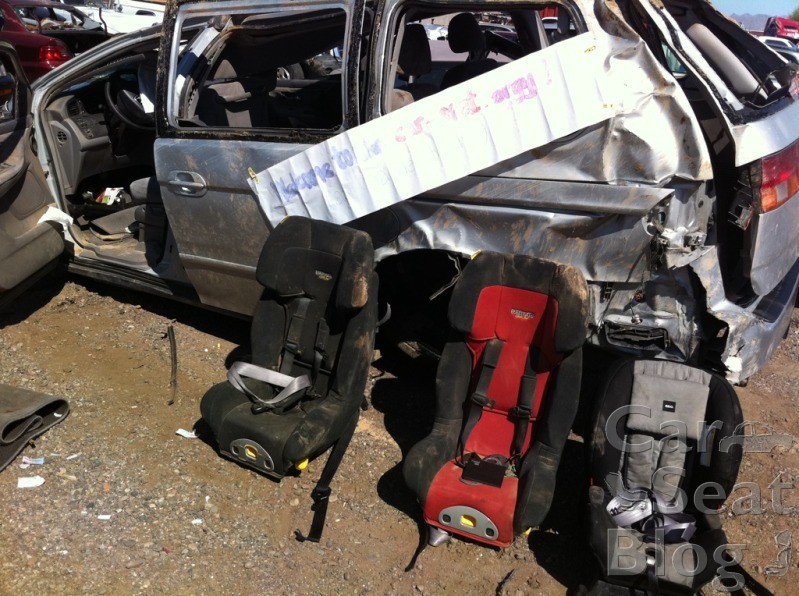
Start with a thorough visual examination. Look for any cracks or breaks in the seat’s structure. Examine the harness for fraying or tears. Check the buckle for proper functioning. Inspect padding for deformities or compression. This initial step helps identify obvious issues that compromise safety.
Internal Components Inspection
Internal damage requires a deeper investigation. Examine the seat’s frame for hidden fractures. Assess the harness system for any malfunction. Check internal foam for integrity loss. Ensure all adjustable parts work smoothly. Consider consulting a professional for an expert review if uncertain.
Credit: carseatblog.com
Manufacturer Guidelines
After an accident, knowing what to do with your car seat is crucial. Manufacturer guidelines are your first step. They provide essential information. The details help ensure safety for your child. These guidelines are usually found in the car seat manual. Knowing them can save time and effort.
Warranty Considerations
Understanding warranty terms is important. Manufacturers often offer warranties for specific conditions. After an accident, check if your warranty covers replacement. Some warranties become void after a crash. Knowing this helps plan the next steps. Check the warranty details in your car seat manual.
Replacement Recommendations
Manufacturers often recommend replacing car seats after accidents. This ensures the seat maintains its safety standards. Even minor accidents can affect car seat integrity. Always follow the manufacturer’s advice on replacements. Safety should always be the top priority.
Consult Insurance
After an accident, your car seat’s safety may be compromised. It’s essential to consult your insurance company. They can guide you on the next steps. This can help ensure your child’s safety. Insurance companies have specific protocols for such situations. This consultation can determine if your car seat needs replacement.
Coverage For Car Seats
Insurance coverage for car seats varies. Some policies cover the cost of a new car seat. Others might not. Always check your policy details. It’s crucial to know if your car seat is covered. This can save you money and stress. Sometimes, the cost is included in the overall damage assessment.
Claims Process
Filing a claim for a car seat is straightforward. Contact your insurance company promptly. Provide details about the accident. They might ask for photos or receipts. This helps process your claim faster. Always keep a copy of your original car seat purchase. It can be useful for claims.
Replace Or Repair
After a car accident, many wonder about their car seat’s fate. Should you replace it? Or is repairing an option? This decision impacts safety and finances. Let’s explore both choices.
Safety Standards
Safety is the top priority after an accident. Car seats protect children. They must meet safety standards. Damaged seats may fail in future accidents. Manufacturers often recommend replacing them. Even if damage isn’t visible, internal issues may exist. A new seat guarantees compliance with current standards. It offers peace of mind for parents.
Cost Analysis
Repairing a car seat might seem cheaper. But consider hidden costs. Repair fees, parts, and labor add up. A new seat might be more economical. Warranty coverage can also affect costs. Some warranties cover replacement after accidents. Check your policy details. Weigh immediate repair costs against long-term safety investments.
Dispose Of Safely
Car seats play a vital role in child safety during travel. After an accident, they might not offer the protection they once did. It’s crucial to dispose of them safely. Proper disposal ensures environmental safety and compliance with local regulations.
Recycling Options
Many communities offer car seat recycling programs. These programs help reduce landfill waste. Check with local waste management services for available options. Some retailers also run recycling events. They collect old car seats and recycle materials responsibly.
Safe Disposal Methods
When recycling is not available, other disposal methods exist. First, dismantle the car seat. Remove fabric, straps, and padding. Cut the seatbelt straps to prevent reuse. Check with local waste facilities for disposal instructions. Never leave a car seat by the curb. It might be mistakenly reused by others.

Credit: www.today.com
Document The Process
After an accident, documenting the process of handling your car seat is crucial. It ensures that you have a clear record for insurance claims or future reference. Proper documentation provides peace of mind. It verifies the steps you took to ensure safety. Let’s break down the process into manageable steps.
Photographic Evidence
Start by taking clear pictures of the car seat. Capture various angles. Include close-ups of any visible damage. Photographs should show the seat’s position in the car. Make sure to document any areas that absorbed impact. Use natural light for better clarity. These images serve as vital evidence. They help in understanding the extent of damage. Quality photos can support your insurance claim.
Record Keeping
Keep a detailed record of the accident. Note the date, time, and location. Describe the incident briefly. Include the car seat’s brand and model. Record the seat’s age and any prior issues. Write down any visible damage observed. This information is useful for insurance purposes. It also helps when contacting the car seat manufacturer. Organize these records in a file. Digital copies are also beneficial. They are easy to share when needed.
Educate Yourself
After a car accident, knowing what to do with your car seat is crucial. Educating yourself on the steps to follow ensures safety and future preparedness. Understanding the protocols and tips can prevent further risks. Here, you will find essential guidelines to keep your little ones safe.
Safety Protocols
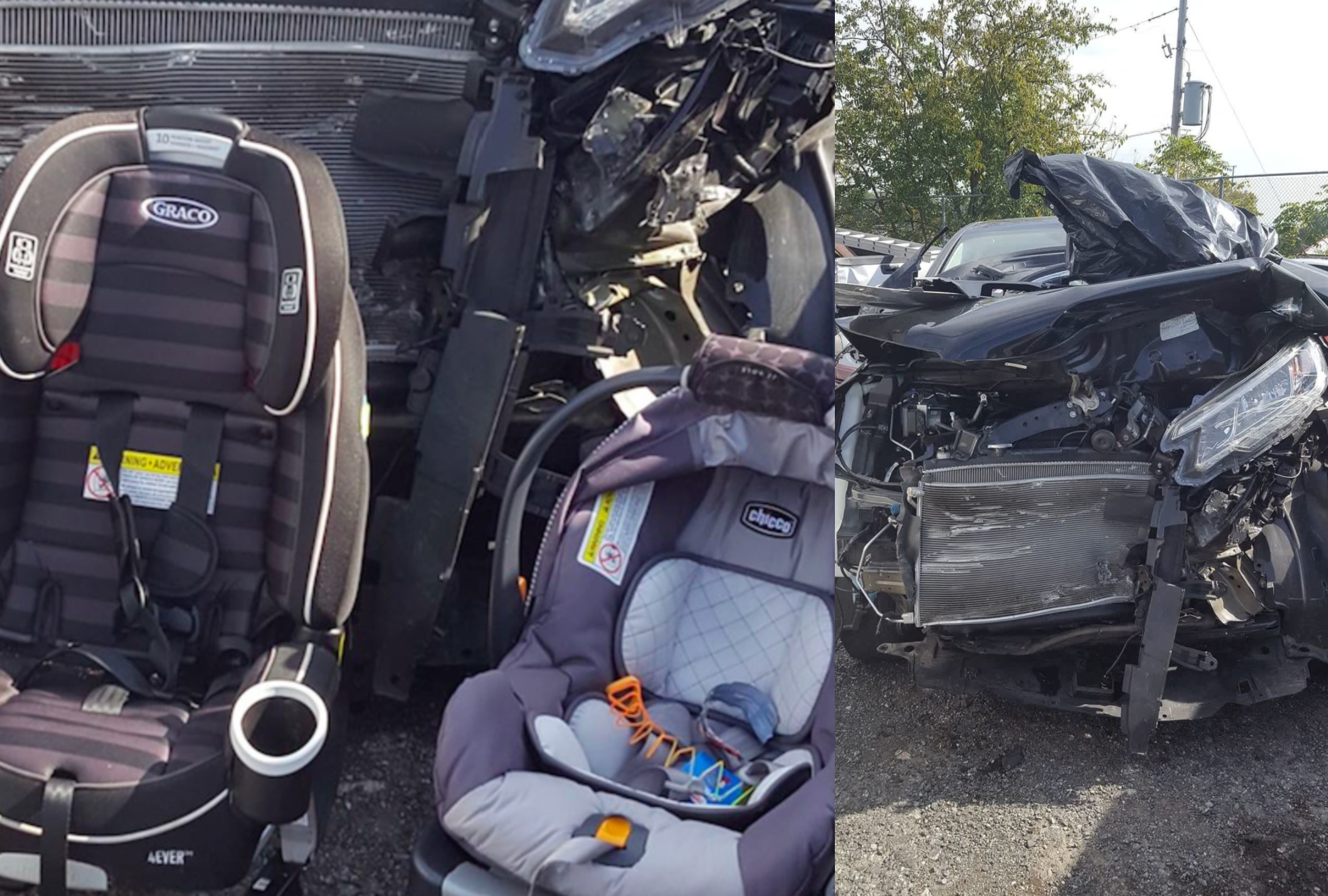
First, check the car seat for visible damage. Cracks or broken parts indicate it should not be used again. Contact the manufacturer for advice if unsure. Many brands offer guidance on post-accident seat inspections. Next, review local regulations. Some areas have specific rules for car seat replacement after an accident. Following these ensures compliance and safety.
Future Prevention Tips
Consider investing in a high-quality car seat. Brands with strong safety ratings offer better protection. Regularly inspect your car seat for wear and tear. Proper maintenance extends its lifespan and reliability. Always follow installation instructions carefully. Incorrect installation can compromise safety. Lastly, keep your child’s weight and height in mind. Ensure the car seat is suitable for their current size.
Credit: cafemom.com
Frequently Asked Questions
What Happens To A Car Seat After An Accident?
After an accident, a car seat may lose its structural integrity. It’s crucial to inspect it for damage. Manufacturers often recommend replacement to ensure continued safety. Check your vehicle’s manual or contact the car seat manufacturer for guidance.
Can You Reuse A Car Seat After A Crash?
Reusing a car seat after a crash is not advisable. Even minor crashes can affect its safety features. Most manufacturers recommend replacing the car seat to ensure your child’s safety. Always follow the manufacturer’s guidelines for post-accident procedures.
How To Inspect A Car Seat Post-accident?
To inspect a car seat, check for visible cracks, bends, or deformities. Examine the harness and buckle for functionality. It’s also important to verify the seat’s installation. Consulting the manufacturer’s guidelines can provide specific post-accident inspection steps.
Do Insurance Companies Cover Car Seat Replacement?
Many insurance policies cover car seat replacement after an accident. Contact your insurance provider to confirm coverage details. Providing accident reports and receipts can expedite the process. Always verify the specifics of your policy regarding car seat replacement.
Conclusion
Accidents can damage car seats. Always check for safety. Replace if needed. Inspect the seatbelt and latches too. Children’s safety matters most. Contact the manufacturer for guidance. Some may offer replacements. Certified technicians can help. They know what to look for.
Proper disposal is also important. Recycling centers might accept damaged seats. Keep safety a priority. Protecting your loved ones is essential. Stay informed and make wise decisions. An intact car seat is crucial. It ensures safety on every journey. Remember, safety first always.


