

When was the First Car Seat Made: A Journey Through Time

Imagine the comforting feeling of knowing your child is safe and secure in the backseat as you drive. Car seats have become a staple in ensuring the safety of little ones on the road, but have you ever wondered when the first car seat was made?
This question might pique your curiosity, especially if you are a parent or someone who values safety innovations. Understanding the history of car seats not only highlights their importance but also gives you insight into how far we’ve come in protecting our precious cargo.
Get ready to discover the fascinating story behind the birth of car seats and how they evolved into the essential safety devices they are today. Dive into this intriguing tale and see how your everyday safety tool came to be.
Early Days Of Car Travel
In the early days of car travel, safety was not a priority. The joy of owning a car overshadowed concerns about passenger protection. Cars were seen as a luxury, and people were thrilled by the newfound mobility.
Seats were simple and comfort was minimal. Families traveled with children unrestrained. The idea of a car seat was not yet born. People focused more on the excitement of the journey.
Car Travel In The Early 20th Century
During the early 1900s, cars were a novelty. Roads were often unpaved, and travel was an adventure. Most people did not own cars; they were a rare sight.
Families enjoyed picnics and outings in open-topped vehicles. Safety features were absent. Passengers held on tightly during bumpy rides.
How People Managed Without Car Seats
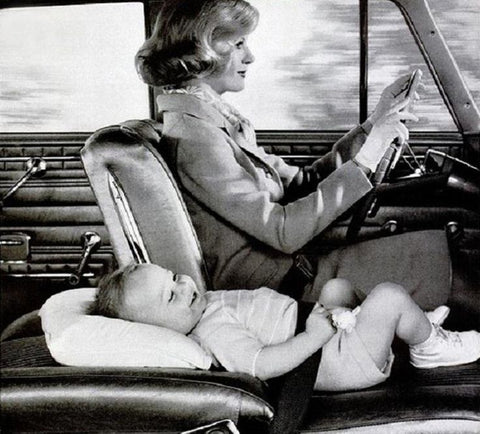
In the absence of car seats, parents held children on laps. It was common practice. Children moved freely in the back seat.
Parents improvised with cushions for comfort. Safety was an afterthought, not a necessity.
The Need For Safety Awareness
As car travel became popular, accidents increased. People started to notice the dangers. The need for better safety measures became apparent.
Public awareness grew. Innovators began thinking about passenger protection. This awareness paved the way for the first car seat.
The Birth Of The Car Seat
The first car seat appeared out of necessity. Parents wanted safety for children in moving vehicles. In the early days of automobiles, there were no safety features for kids. This led to innovative ideas and designs.
Initial Concepts
Car seats began with simple concepts. The goal was to keep children seated. Before cars, children rode on laps or unsecured. Early ideas focused on restraint. Safety wasn’t the primary concern yet. Parents used makeshift solutions. They aimed to keep kids from moving around.
First Designs
The first car seats were basic. Made from canvas and metal frames. They attached loosely to car seats. Designed to boost children’s height. These seats gave kids a better view. They didn’t offer much in safety. Parents appreciated the convenience. The idea gained popularity over time.
Safety Innovations In The 1960s
The 1960s marked a pivotal era for vehicle safety. Manufacturers began to prioritize passenger protection. This decade saw many safety advancements, especially for children.
Car travel gained popularity. The need for better safety measures became clear. Automakers responded to this demand with innovative solutions.
Introduction Of Seat Belts
Seat belts became standard in the 1960s. Before this, cars lacked basic safety features. Studies showed that seat belts saved lives. They reduced fatalities in accidents significantly.
Governments recognized the need for seat belt laws. Such regulations increased seat belt usage. This simple device changed the safety landscape forever.
Child Safety Awareness
Child safety awareness grew in the 1960s. Families wanted to protect their young ones on the road. The concept of specialized car seats emerged.
These early car seats were rudimentary. They offered minimal protection compared to today’s standards. Yet, they marked the beginning of a new safety focus.
Parents sought better solutions for their children. This demand led to further innovations. The 1960s set the stage for future advancements in child car safety.
Evolution In The 1970s And 1980s
The 1970s and 1980s marked significant changes in car seat design. Safety became a priority during these decades. Car seats evolved with new standards and innovations. Parents sought safer options for their children. Manufacturers responded with improved designs.
These decades saw an increased focus on child safety. Regulatory changes were introduced. Technology advanced, enhancing car seat features. The evolution was driven by the need for safety. Let’s explore these changes in detail.
Regulatory Changes
In the 1970s, governments began setting safety standards. Laws required car seats to meet specific criteria. These rules aimed to protect children in vehicles. Manufacturers adapted to comply with these regulations. Compliance became crucial for producing car seats.
Regulations ensured consistent safety across products. They encouraged innovation in safety features. The focus shifted towards reducing injury risks. These changes influenced how car seats were designed. Stricter rules led to safer products for families.
Technological Advancements
Technology played a key role in car seat evolution. The 1980s introduced new materials and designs. Seats became more comfortable and secure. Innovations improved ease of use for parents.
Safety harnesses were enhanced with better materials. Improved padding provided extra protection. Adjustable features catered to growing children. These advancements made car seats more effective. The focus was on user-friendly and safe designs.
Technological growth continued to drive car seat improvements. Safety and comfort became top priorities. These innovations shaped the car seats we use today.
Modern Car Seat Features
Modern car seats have evolved tremendously since their inception. Today’s car seats are designed to offer optimal safety and comfort. They incorporate state-of-the-art technology and materials. These features ensure that passengers, especially children, are safe and comfortable during rides. Let’s explore some key features that modern car seats boast.
Enhanced Safety Standards
Safety is a top priority in modern car seats. They meet and often exceed strict safety standards. Many come with side-impact protection to shield from collisions. Some seats have energy-absorbing foam. It reduces the force during an impact. Harness systems are adjustable for a secure fit. Rear-facing seats provide added protection for infants. These features work together to ensure passenger safety.
Comfort And Convenience
Comfort is crucial for enjoyable journeys. Modern car seats have padded cushions and adjustable recline positions. This ensures comfort during long drives. Some seats offer temperature control features. They keep passengers warm or cool as needed. Easy installation is a key convenience feature. LATCH systems or seatbelt paths simplify setup. Removable covers make cleaning effortless. These features enhance the travel experience for families.
Credit: us.philandteds.com
Impact On Child Safety
The invention of the first car seat marked a significant shift in child safety. As more families began using vehicles, concerns about protecting young passengers grew. The early car seats were not what we see today, but their introduction paved the way for safer travel. Understanding this history helps us appreciate the advancements in child safety technology.
Early car seats were designed more for convenience than safety. They allowed children to sit higher and see out of windows. Unfortunately, they offered little protection in accidents. Safety wasn’t the main focus at first, but awareness grew over time.
Evolution Of Car Seat Design
In the 1960s, crash tests revealed the dangers of unrestrained children. Manufacturers began focusing on safety features. Designs became more sophisticated, offering better protection. This shift led to stricter regulations and standards.
Legislation And Awareness
Governments introduced laws mandating car seats for children. Public campaigns educated parents on the importance of using car seats. These efforts significantly reduced injuries and fatalities in car accidents. Awareness and legislation played crucial roles in improving child safety.
Modern Car Seat Advancements
Today’s car seats are highly advanced. They offer protection through enhanced designs and materials. Features like side impact protection and adjustable harnesses are common. These innovations ensure children are safer in modern vehicles.
Global Impact On Child Safety
Car seats have improved child safety worldwide. Different countries have adopted various standards, ensuring children everywhere are protected. This global focus on safety continues to evolve, with ongoing research and development.
Future Of Car Seat Design
The future of car seat design holds exciting possibilities. As technology evolves, car seats are set to become smarter and safer. Manufacturers focus on comfort, safety, and style. This new era promises innovative materials and advanced technology integration.
Innovative Materials
Car seats will use new materials for better comfort. Lightweight fabrics will offer durability without compromising style. Breathable textiles ensure comfort in all seasons. Sustainable materials reduce environmental impact, promoting eco-friendly choices.
Manufacturers explore materials that adapt to body temperature. These materials enhance comfort during long journeys. Advanced foam technology improves cushioning and support. Such innovations aim to reduce fatigue and enhance driving experiences.
Smart Technology Integration
Smart technology integration is transforming car seat design. Sensors will monitor seat conditions, adjusting for optimal comfort. This technology reduces the need for manual adjustments. Seats will remember personal settings, making every ride customized.
Integration of AI will enhance safety features. AI can detect driver fatigue and alert them. It will also monitor passenger health, ensuring timely assistance. This technology prioritizes safety, making car travel more secure for everyone.

Credit: saferide4kids.com
Frequently Asked Questions
When Was The First Car Seat Invented?
The first car seat was invented in the early 1930s. It was primarily designed for children’s safety during car travel. Initially, car seats were simple and focused on giving kids a better view out of the windows. Over the years, they evolved into essential safety devices.
Who Invented The First Car Seat?
The first car seat’s inventor is not well-documented. The earliest designs were more like booster seats. These were intended to lift children for a better view. As safety awareness grew, designs improved to focus more on protection.
What Were Early Car Seats Made Of?
Early car seats were made of metal and fabric. They were designed for comfort and visibility rather than safety. These materials were readily available and affordable. Over time, safety became the priority, leading to modern designs with advanced materials.
How Did Car Seats Evolve Over Time?
Car seats evolved from simple boosters to safety-focused designs. Initially, they prioritized visibility, but safety became the main concern. Innovations like harnesses and impact protection were introduced. These advancements have significantly improved child safety during car travel.
Conclusion
The journey of car seats began with a focus on safety. Over the years, designs evolved to ensure better protection for children. Early models lacked the safety features we see today. Modern car seats prioritize both safety and comfort. Parents now have a variety of options to choose from.
Understanding car seat history helps us appreciate current innovations. Always choose the best seat for your child’s safety. Regulations and standards continue to improve. This makes travel safer for families worldwide. Car seats have come a long way, ensuring peace of mind on every journey.


