


Where Should Car Seat Straps Be: Expert Safety Tips

Are you a parent or caregiver concerned about your child’s safety while traveling in a car? If so, you’re not alone.
Ensuring that car seat straps are positioned correctly is crucial for your child’s protection, yet it can often feel confusing and overwhelming. You might wonder, “Where should car seat straps be? ” This question is more than just a technicality; it’s about peace of mind and ensuring your little one is safe every time you hit the road.
We’ll simplify the answers for you, providing clear guidance on how to position those straps perfectly. Keep reading to discover how a few adjustments can make all the difference in keeping your child safe and secure.

Credit: saferide4kids.com
Importance Of Proper Car Seat Strap Positioning
Ensuring the correct positioning of car seat straps is essential for child safety. Incorrect strap placement can compromise the protective function of a car seat. Proper positioning minimizes injury risks during sudden stops or accidents. It is crucial for parents to understand the importance of strap positioning for maximum safety.
Why Strap Positioning Matters
Strap positioning affects the car seat’s ability to protect a child. Straps that are too loose can fail to hold the child securely. Tight straps distribute crash forces more effectively. Proper strap placement ensures the child is snug and protected.
Correct Strap Height
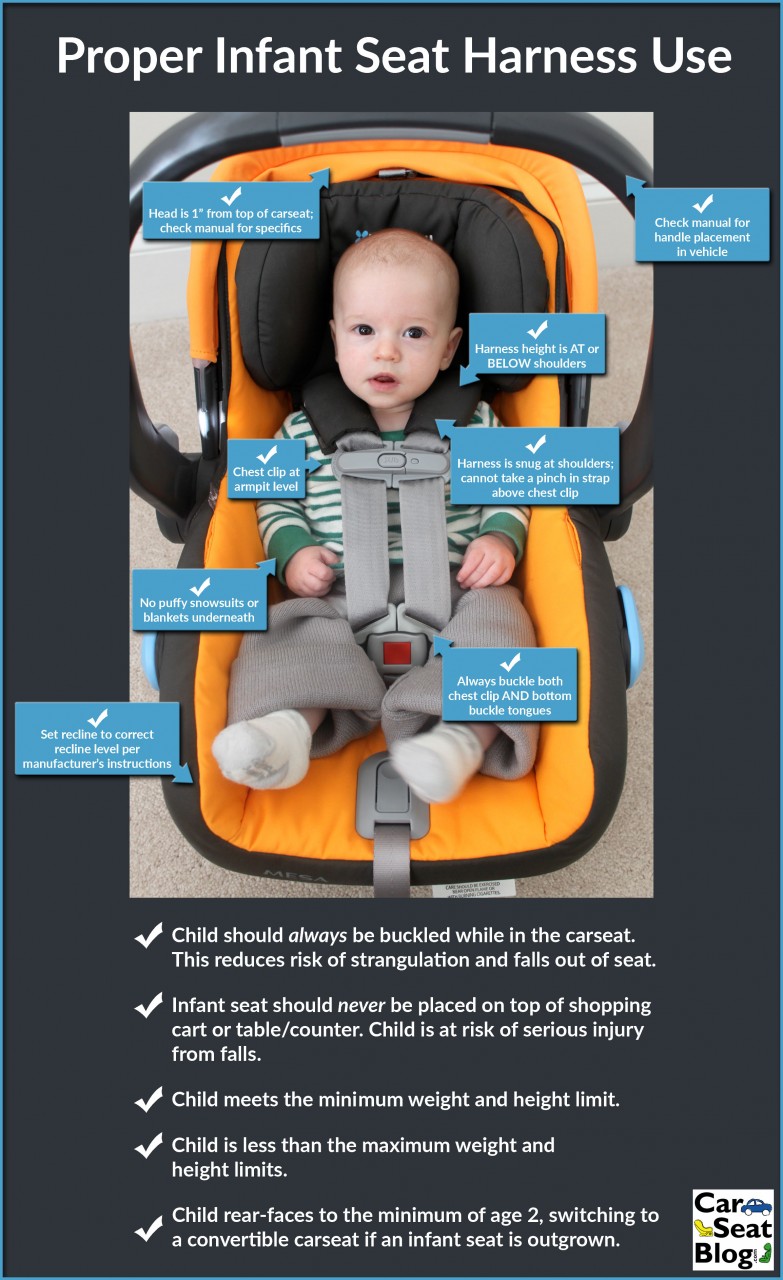
Strap height is crucial for effective protection. For rear-facing seats, straps should be at or below shoulder level. Forward-facing seats require straps at or above the shoulders. This positioning prevents excessive movement in a collision.
Maintaining Strap Tension
Strap tension is vital for safety. Ensure straps are tight, but not uncomfortable. A snug fit keeps the child secure without restricting movement. Regularly check strap tension to maintain optimal safety.
Checking For Twists
Straps should be flat and untwisted. Twisted straps can weaken the hold and reduce safety. Smooth straps distribute crash forces evenly. Regularly inspect straps for any twists or tangles.
Understanding Weight Limits
Each car seat has specific weight limits. Strap positioning must align with these limits. Ensure the seat and straps accommodate the child’s weight. Follow manufacturer guidelines for strap adjustments.
Choosing The Right Car Seat
Choosing the right car seat ensures your child’s safety on the road. It is essential to select a seat that fits your child’s age and size. Doing so provides the best protection during travel. Understanding the types of car seats and their features helps make an informed decision.
Types Of Car Seats
There are three main types of car seats. Infant seats, convertible seats, and booster seats. Infant seats are rear-facing. They are suitable for newborns and small babies. Convertible seats can be rear or forward-facing. They grow with your child. Booster seats are for older children. They position the seat belt correctly.
Age And Weight Considerations
Age and weight guide car seat selection. Infants up to 35 pounds need rear-facing seats. Toddlers can use convertible seats. These accommodate up to 65 pounds. Children over 40 pounds may use booster seats. Always check the manufacturer’s guidelines. Ensuring the seat fits your child’s current size is crucial.
Correct Strap Positioning For Infants
Ensuring the correct strap positioning for infants is crucial for safety. Properly adjusted car seat straps can make all the difference in an accident. Parents must understand how to position straps correctly for maximum protection. Let’s explore the details of proper strap positioning for infants.
Rear-facing Seats
Infants should always ride in a rear-facing seat. This position offers the best protection for their head and neck. In a crash, rear-facing seats cradle the child. This reduces the risk of injury. Rear-facing is safest until age two or longer if possible.
Harness Height And Fit
Straps must be at or below the infant’s shoulders. This ensures a snug fit. Loose straps can lead to serious injury. Adjust the harness so you can’t pinch extra strap material. The chest clip should be at armpit level. This keeps the straps in the right position. Always check the harness fit before each trip.
Strap Placement For Toddlers
Ensuring the correct placement of car seat straps for toddlers is crucial. Proper strap placement guarantees their safety and comfort during car rides. This guide will help you understand the importance of correct strap positioning for your toddler. Read on to learn more about forward-facing seats and adjusting harnesses for growth.
Forward-facing Seats
When using forward-facing seats, strap placement is key. Straps should be positioned at or above the toddler’s shoulders. This ensures that the child is securely restrained in the event of a sudden stop or accident. Always check the manufacturer’s instructions for specific guidelines on strap placement. Incorrect placement can compromise the seat’s effectiveness.
Adjusting Harness For Growth
Toddlers grow rapidly, which means frequent adjustments are necessary. Regularly check the harness to ensure it fits snugly. The straps should be tight enough that you cannot pinch the fabric at the shoulder. As your toddler grows, move the harness to the next slot up. This adjustment maintains the correct fit and safety level. Keeping the harness well-adjusted offers optimal protection.
Booster Seat Strap Guidelines
Booster seats are vital for child safety in cars. Correct strap placement ensures protection. The right fit prevents injuries during sudden stops or accidents. Proper guidelines help parents ensure safety.
Understanding booster seat strap guidelines can be simple. Focus on how the lap and shoulder belts fit. Learn the right time to transition from harness to seat belt.
Lap And Shoulder Belt Fit
The lap belt must lie snug across the upper thighs. It should not rest on the stomach. This prevents injury during impact. The shoulder belt should cross the chest and shoulder. It must not touch the neck or face. This positioning keeps your child secure. Regular checks are important. Ensure the belts remain in position throughout the journey.
Transition From Harness To Seat Belt
Transitioning from a harness to a seat belt is crucial. Start when your child outgrows the harness. Ensure they sit straight with knees bending at the seat edge. The child must understand the importance of staying in position. A booster helps elevate your child for a proper seat belt fit. Regularly check the fit as your child grows.
Common Mistakes In Strap Positioning
Proper car seat strap positioning is crucial for child safety. Many parents make mistakes without realizing it. These mistakes can lead to dangerous situations. Understanding common errors helps ensure your child’s safety.
Loose Straps
Loose straps are a frequent issue. They fail to secure the child properly. This can lead to injury during sudden stops or accidents. Always ensure straps are snug against the child’s body. You should not be able to pinch any excess strap material.
Check the straps every time you buckle your child in. Adjust them to fit snugly. Loose straps can cause your child to slip out. This poses a serious safety risk.
Incorrect Harness Height
Incorrect harness height is another common mistake. Harness straps should be at the correct shoulder level. Rear-facing seats require straps at or below the shoulders. For forward-facing seats, place straps at or above the shoulders.
Check the harness slots as your child grows. Adjust them to maintain proper positioning. Incorrect height affects the seat’s effectiveness in a crash. Regular checks ensure your child’s safety. Always refer to the car seat manual for guidance.
Expert Tips For Ensuring Safety
Ensuring your child’s car seat straps are positioned correctly is crucial. Proper placement protects your child in case of sudden stops or accidents. It might seem simple, but many parents struggle with strap adjustments. Following expert tips ensures your child’s safety in the car. Let’s dive into some key practices every parent should know.
Regular Checks And Adjustments
Car seat straps can loosen over time. Regularly check and adjust them to fit snugly. A quick check before every trip ensures the straps are tight. Loose straps may reduce the seat’s effectiveness in a collision. Tight straps should lie flat without twisting. Correctly adjusted straps enhance your child’s safety.
Professional Installations
Installing a car seat might be tricky. Consider professional installation for peace of mind. Experts ensure the seat is secure and correctly aligned. Their experience reduces the risk of errors. Check if your local fire station offers installation services. A professional touch guarantees a safer ride for your child.
Credit: realendpoints.com
Resources For Car Seat Safety
Car seat safety is crucial for your child’s protection during travel. Properly installed car seats save lives. Knowing where to find resources can make a difference. These resources provide guidance and support to ensure your child’s safety.
Online Guides And Tools
Many websites offer valuable car seat safety guides. These guides provide step-by-step instructions. They include diagrams to help understand proper strap placement. Some sites feature interactive tools. These tools guide you through car seat installation. Online videos demonstrate correct usage. They show common mistakes to avoid. This visual help can be invaluable. Make use of these online resources.
Consulting Certified Technicians
Certified technicians offer expert advice on car seat safety. They can check if your car seat is installed correctly. Technicians provide hands-on demonstrations. They guide you on strap adjustments. Many local organizations offer free safety checks. Attending these checks ensures your car seat is secure. It’s a chance to learn from professionals. This personal interaction boosts confidence in car seat use.
Frequently Asked Questions
How Should Car Seat Straps Be Positioned?
Car seat straps should be positioned at or just below the child’s shoulders. This ensures optimal safety. Straps should be snug, allowing only one finger to fit between the strap and the child’s collarbone. Proper positioning helps prevent injuries in case of sudden stops or accidents.
What Is The Correct Tightness For Car Seat Straps?
Car seat straps should be tight enough that you cannot pinch any excess webbing. They should be snug against the child’s body. This prevents them from moving out of position during a car ride, ensuring their safety. Always check the tightness before each trip.
Why Must Car Seat Straps Be Flat?
Car seat straps must be flat to ensure even distribution of force in a crash. Twisted straps can reduce their effectiveness and cause discomfort. Flat straps ensure the child is securely held in place. Always straighten straps before buckling your child into the seat.
Are Shoulder Straps Necessary For Car Seats?
Yes, shoulder straps are essential for securing your child safely. They help distribute crash forces evenly and reduce the risk of injury. Shoulder straps prevent your child from being thrown forward during sudden stops. Always ensure they are properly positioned and snug.
Conclusion
Ensuring car seat straps are positioned correctly is crucial for safety. Check straps regularly to make sure they fit snugly. Keep straps at or below your child’s shoulders. This helps prevent injuries during sudden stops or accidents. Always follow the car seat manufacturer’s guidelines.
They provide important safety instructions. Remember, a well-secured child is a safer child. Double-check every trip. Taking a few extra seconds can protect your loved ones. Safe travel starts with proper preparation. So, buckle up right every time. Your careful attention makes a big difference.
Prioritize safety for peace of mind on the road.


