


How to Install Forward Facing Car Seat: Step-by-Step Guide

Are you ready to ensure your child’s safety while driving? Installing a forward-facing car seat might feel like a daunting task, but it doesn’t have to be.
You want nothing but the best protection for your little one, and understanding how to correctly install a car seat is crucial. Did you know that a large percentage of car seats are installed incorrectly, posing a risk to your child’s safety?
Don’t let your child become a statistic. With the right guidance, you can easily master the installation process, giving you peace of mind every time you hit the road. Stick with us, and you’ll discover simple, step-by-step instructions that make the task quick and stress-free. Let’s get started on ensuring your child’s safety and your peace of mind!
Safety Guidelines
Ensuring your child’s safety in a car is crucial. Installing a forward-facing car seat correctly is essential. This section focuses on safety guidelines to follow during installation.
Understanding The Car Seat Manual
Read the car seat manual thoroughly. It contains vital information. Each car seat might differ slightly. The manual provides specific instructions for installation. Following these ensures the seat is secure.
Place the car seat in the back seat. The center is often the safest spot. It reduces the risk of injury during side collisions. Check your vehicle manual for recommendations.
Securing The Car Seat With A Seat Belt
Use the seat belt to secure the car seat. Thread the belt through the designated slots. Ensure it’s tightly fastened. A loose seat belt compromises safety.
Using The Latch System
Many cars have a LATCH system. It helps secure car seats without a seat belt. Attach the lower anchors to the car seat hooks. Tighten until there’s no slack.
Checking The Recline Angle
Adjust the seat’s recline angle. An incorrect angle affects safety. Most car seats have indicators for proper positioning. Ensure the indicator shows the correct angle.
Performing A Final Safety Check
Perform a safety check after installation. Push the seat in different directions. It shouldn’t move more than an inch. Ensure all straps are tight and secure. Double-check all fastenings.
By following these safety guidelines, your child will be safer during travel. Proper installation minimizes risks and ensures maximum protection.

Credit: www.youtube.com
Choosing The Right Car Seat
Choosing the right car seat for your child is crucial. It ensures safety and comfort during every ride. Parents often feel overwhelmed by the options. But, understanding key factors helps make the best choice.
Age And Weight Considerations
The right car seat depends on your child’s age and weight. Infants need rear-facing seats initially. As they grow, forward-facing seats become suitable. Check manufacturer guidelines for weight limits. Ensure the seat supports your child’s current weight and age.
Features To Look For
Safety features are a priority. Five-point harnesses offer optimal protection. Side impact protection is essential too. Easy installation features save time and ensure a proper fit. Look for seats with adjustable headrests. They grow with your child, offering extended usability. Removable covers aid in easy cleaning. Comfort features enhance the riding experience. Choose seats with ample padding and breathable fabric.
Preparing For Installation
Begin by gathering all necessary tools and instructions. Clear your vehicle’s backseat area for easy access. Carefully read the car seat manual to ensure proper installation steps. Adjust the seat angle and secure it tightly using the seatbelt or latch system.
Double-check that the seat is stable before use.
Preparing to install a forward-facing car seat is crucial. It ensures your child’s safety during travel. Before starting, take time to gather everything needed. This process involves reading the manual and collecting tools. A smooth installation begins with proper preparation.Reading The Manual
First, locate the car seat manual. This document is essential. It contains step-by-step instructions. Study the manual thoroughly. It details specific installation methods. Each car seat model is different. Follow the guidelines closely to ensure safety. Pay attention to any special instructions. These may include weight limits or harness adjustments. Understanding the manual prevents errors.Gathering Necessary Tools
Next, gather the tools needed for installation. A checklist helps organize. Common tools include a screwdriver and level. Some car seats require specific tools. Check the manual for these details. Place tools within easy reach. This avoids interruptions during installation. Having the right tools makes the process easier. It ensures the car seat is secure. Proper tool preparation is key to success.
Credit: wb-iisg.com
Positioning The Car Seat
Ensuring a forward-facing car seat is correctly positioned is crucial for your child’s safety. Proper positioning minimizes risks during travel and enhances comfort. Understanding how to position the seat can make your journey safer and more enjoyable.
Selecting The Best Location
The rear seats are the safest spot in most vehicles. Choose a location that allows easy access and keeps your child far from airbags. Check your vehicle’s manual for specific recommendations. Some cars have designated anchor points for car seats. These points provide extra stability.
Adjusting Seat Recline
Recline adjustment is vital for safety and comfort. A slightly reclined seat offers better support for your child’s head and neck. Adjust the seat recline according to the manufacturer’s guidelines. Ensure the seat is stable after adjusting. A well-adjusted recline keeps your child comfortable and secure.
Securing The Car Seat
Ensure your child’s safety by securely installing a forward-facing car seat. First, position the car seat on the vehicle’s back seat. Then, attach the seat’s tether to the anchor point. Lastly, tighten and adjust the harness straps snugly around your child.
Securing a forward-facing car seat is crucial for your child’s safety. Ensuring the car seat is properly secured can prevent injuries during travel. Follow these simple methods to securely install a car seat.Using The Latch System
The LATCH system stands for Lower Anchors and Tethers for Children. It is a standard way to secure car seats in vehicles. First, locate the lower anchors in the vehicle seat. These are metal bars hidden between the seat cushions. Connect the car seat’s lower connectors to these anchors. Pull the straps tight for a snug fit. Make sure the seat does not move more than an inch side-to-side. Finally, attach the top tether strap to the tether anchor point. This point is usually behind the vehicle seat. Tighten the tether strap to secure the car seat further.Alternative Methods
If the LATCH system is unavailable, use the vehicle’s seat belt. Place the car seat on the vehicle seat. Thread the seat belt through the designated path on the car seat. Buckle the seat belt, ensuring no twists in the belt. Lock the seat belt by pulling it all the way out, then letting it retract. Check for a tight fit by moving the car seat side-to-side. Use a locking clip if necessary for older vehicle models. Always double-check the car seat manual for specific instructions.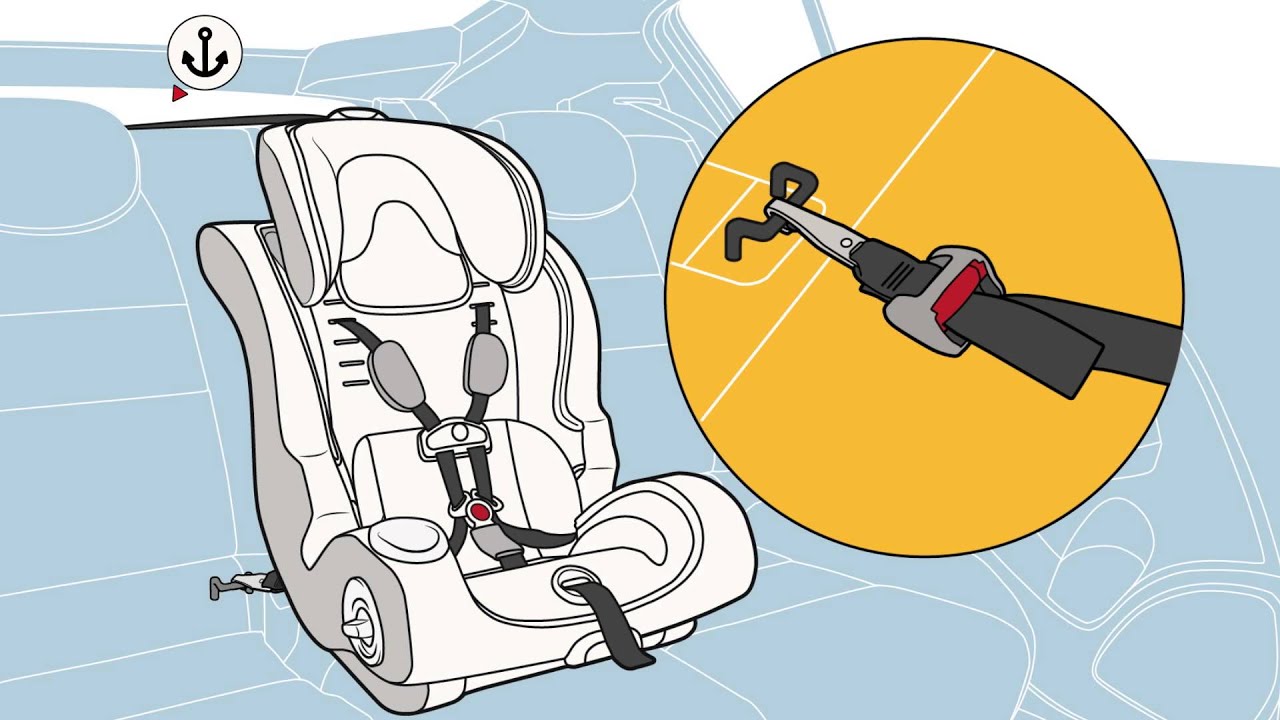
Credit: www.youtube.com
Adjusting The Harness
Adjusting the harness ensures your child’s safety in a forward-facing car seat. Make sure straps sit snugly on the shoulders and chest. Double-check the harness clip’s position at armpit level for maximum security.
Adjusting the harness in a forward-facing car seat is crucial. This ensures your child’s safety during every ride. The harness keeps your child secure and protected. Proper adjustment prevents injuries and offers comfort. Focus on the strap positioning and tightness for optimal safety.Proper Strap Positioning
The harness straps should be at or above the shoulders. This positioning helps keep the child snug in the seat. Make sure the straps lie flat without twisting. Twisted straps can reduce effectiveness and cause discomfort. Check that the harness is level with the child’s shoulders. It should not sit too high or too low.Ensuring Tightness
Ensure the harness fits tightly across the chest. You should not be able to pinch any slack in the straps. A snug harness prevents the child from moving too much during sudden stops. Use the car seat’s adjustment mechanism for tightening. Tighten until the straps are secure but comfortable. Remember, a secure harness is a safe harness.Double-check Installation
Installing a forward-facing car seat is a crucial task. Ensuring your child’s safety involves more than just securing the seat. Double-checking the installation is essential. This step helps avoid common mistakes. It guarantees the seat functions correctly. Let’s explore the key areas to focus on during this process.
Common Mistakes To Avoid
Many parents overlook the seat angle. Ensure the seat is not too upright. Check the car seat manual for the correct angle. Another mistake is a loose harness. Make sure the harness fits snugly. You should not pinch any harness material. Incorrectly threading the seat belt is also a common error. Follow the path indicated in the car seat manual. This ensures the seat belt holds the seat securely.
Final Safety Checks
Perform a final check before hitting the road. Wiggle the car seat at the base. It should not move more than an inch. Check the harness straps again. They should be at or above the child’s shoulders. Ensure the chest clip is at armpit level. These checks make a difference in safety. Trust your instincts. If something feels wrong, revisit the installation steps.
Regular Maintenance
Regular maintenance of your forward-facing car seat ensures safety and longevity. Consistent care keeps the seat functioning well. Regular checks and cleaning are essential. This not only protects your child but also extends the life of the car seat. Below are some tips to help you maintain your car seat effectively.
Routine Safety Inspections
Check the car seat’s installation regularly. Ensure it’s securely attached and doesn’t move. The harness should be snug yet comfortable. Examine the straps for any signs of wear or damage. Inspect the seat for cracks or broken parts. Make sure all buckles latch properly. Regular inspections help prevent accidents and injuries.
Cleaning Tips
Keep the car seat clean to maintain its quality. Use a vacuum to remove crumbs and debris. Wipe the seat with a damp cloth to remove stains. Avoid harsh chemicals that may damage the fabric. Check the manufacturer’s instructions for specific cleaning guidelines. Remove and wash the cover if possible. Let it air dry to prevent shrinkage. Clean the buckles and straps with mild soap and water. Regular cleaning keeps the car seat looking new.
Frequently Asked Questions
How To Choose The Right Car Seat?
Choosing the right car seat depends on your child’s age, weight, and height. Always check the manufacturer’s recommendations. Ensure the seat fits your vehicle properly and is easy to install. Look for safety certifications and read reviews for additional insights.
What Is The Best Location For Installation?
The safest location to install a forward-facing car seat is the back seat. Ideally, place it in the center to minimize impact during side collisions. Ensure the car seat is tightly secured using the vehicle’s seat belt or LATCH system.
How Tight Should Car Seat Straps Be?
Car seat straps should be snug enough to hold the child securely. You should not be able to pinch any excess strap material at the shoulder. Adjust the harness so it is at or above the child’s shoulders for optimal safety.
Can I Use A Forward-facing Car Seat In Any Car?
Most forward-facing car seats are compatible with any vehicle. However, always check your car’s manual for specific guidance. Ensure the car seat fits well and can be securely installed using seat belts or the LATCH system.
Conclusion
Installing a forward-facing car seat is vital for safety. Follow each step carefully to ensure your child’s protection. Double-check the seat’s stability after installation. Confirm the seatbelt is secure and tight. Make sure the harness fits snugly on your child.
Regularly inspect the seat for wear and tear. Remember, a well-installed seat can save lives. Your child’s safety is in your hands. With these tips, you can feel confident on the road. Stay informed and keep your loved ones safe.


