


When to Change Straps on Car Seat: Essential Tips

Have you ever wondered if it’s time to change the straps on your car seat? If so, you’re not alone.
Many parents and caregivers face this question as their little ones grow. Ensuring your child’s safety is your top priority, and knowing when to swap out those straps is a crucial part of that. In this guide, you’ll discover the telltale signs that it’s time for a change, and learn simple tips to keep your car seat functioning at its best.
Dive in and find peace of mind, knowing your child is traveling safely. Your child’s well-being might just depend on what you learn next.
Signs Of Wear And Tear
Car seats are vital for child safety during travel. To ensure security, regular maintenance is key. Knowing the signs of wear and tear on car seat straps is crucial. Worn straps can compromise safety. This section will guide you on what to watch for.
Fraying Straps
Inspect the straps for fraying edges. Frayed edges can weaken the straps. Weak straps may not hold well in an emergency. Replace any strap showing frayed edges promptly.
Discoloration
Check for changes in color. Discolored straps might indicate material breakdown. Sunlight, heat, and moisture can cause this. Faded straps could mean compromised strength. Consider replacing them to ensure durability.
Loose Buckles
Examine the buckles for looseness. Loose buckles can fail to secure your child. Test the buckle’s grip regularly. If it doesn’t click firmly, it needs replacement.
Cracked Or Broken Parts
Look for any cracked or broken components. Cracks may appear on the plastic parts. Broken parts can affect the strap’s functionality. Ensure every part is intact for optimal performance.
Difficulty Adjusting Straps
Notice if the straps are hard to adjust. Smooth adjustment is crucial for a snug fit. Straps that stick or jam need attention. This could signal internal damage or wear.
Unusual Smells
Pay attention to strange odors. Unusual smells could mean mold or mildew. Moisture can damage the strap material. Ensure straps are dry and clean to prevent this.
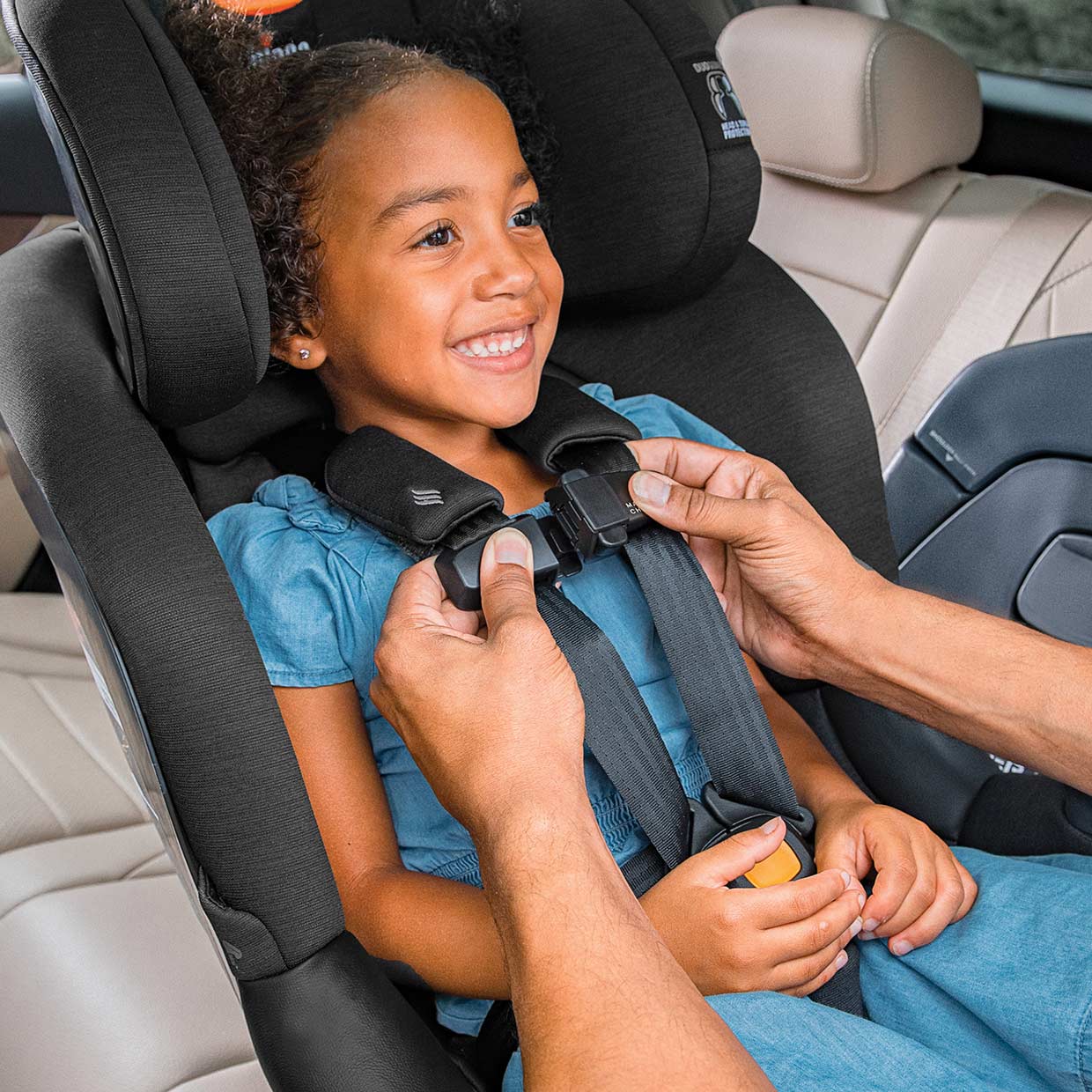
Credit: www.chiccousa.com
Safety Standards And Regulations
Car seat safety is crucial for every parent. Ensuring that your child’s car seat meets current safety standards is vital. Safety standards and regulations exist to protect young passengers. These guidelines determine when to change straps on a car seat. Adhering to these rules ensures your child’s safety.
Understanding Safety Standards
Car seats must comply with safety standards. These standards set the minimum requirements for car seat safety. They include regulations on strap condition and usage. Inspect the straps for wear and tear regularly. Replace them as needed to maintain safety.
Why Regulations Matter
Regulations ensure car seats provide maximum protection. They are designed based on extensive research and testing. Regulations dictate when straps need replacing. Following these rules keeps your child safe during travel.
Common Signs Of Strap Wear
Look for frayed or torn straps. Discoloration or stretching can indicate damage. Buckles should function smoothly. Replace straps if they show any of these signs. Regular checks ensure the straps are in good condition.
Frequency Of Strap Replacement
Check the manufacturer’s guidelines for specific instructions. Generally, inspect straps every few months. Replace them if they show signs of wear. Keeping up with these checks ensures ongoing safety.
Staying Informed On Regulations
Regulations can change over time. Stay updated with the latest safety standards. Subscribe to safety newsletters or consult with experts. Always ensure your car seat meets the current requirements. This guarantees your child’s safety in every journey.
Age And Usage Considerations
Understanding when to change car seat straps is crucial for safety. Age and usage play a significant role in this decision. Over time, straps can wear out or become damaged. Regular checks ensure your child’s safety. Let’s explore key factors under age and usage considerations.
Age Of The Car Seat
Car seats have an expiration date. Typically, they last six to ten years. Materials degrade over time, affecting safety. Always check the manual for specific details. Replace straps if the car seat is near expiration.
Child’s Age And Growth
As children grow, their car seat needs change. Straps must fit snugly against the body. If straps are too tight or loose, adjust or replace them. Regularly check the fit as your child grows.
Frequency Of Use
Daily use wears out straps faster. Inspect them monthly for signs of wear. Look for fraying, tears, or stretched areas. Replace straps showing any damage immediately.
Environmental Factors
Heat and humidity affect strap material. Sunlight can weaken fibers over time. Consider the climate where you live. Inspect straps frequently in harsh conditions.
Accident History
Car seats involved in accidents need inspection. Straps may have invisible damage. Replace the car seat if in a severe accident. Safety first.
Material Quality And Durability
Car seat straps play a crucial role in ensuring child safety. Material quality and durability of these straps determine their effectiveness. High-quality materials ensure longevity and reliable performance. Understanding when to change these straps is vital.
Material Quality
Car seat straps come in various materials. Nylon is commonly used due to its strength. It resists wear and tear, providing lasting safety. Polyester is another option. It offers flexibility and comfort. Choosing the right material affects the lifespan of straps.
Inspect the material regularly. Look for signs of fraying or damage. Frayed straps can compromise safety. If the material appears weak, it may be time for a replacement. Ensure the integrity of the straps to guarantee protection.
Durability
Durability is a key factor in strap performance. Straps should withstand daily use and impact. Check for signs of wear. Discoloration or stiffness can indicate deterioration. These may affect the strap’s ability to secure the child properly.
Testing durability is essential. Pull the straps gently to check their resilience. If they stretch easily, consider replacing them. Strong and durable straps provide peace of mind. Ensure they are in optimal condition for safety.
Regular Inspection Routine
Regular inspection of your car seat straps is crucial for safety. Straps can wear out over time. They may fray or lose elasticity. Regular checks help ensure your child’s safety. You should make this a habit.
Inspect For Frays And Tears
Look for any signs of fraying on the straps. Frayed straps may not hold well in a crash. Check both sides of the strap. Tears can happen from everyday use. Replace straps showing any damage.
Check Strap Elasticity
Straps should be firm and not stretch easily. Elasticity ensures the strap holds tight. Loose straps can be dangerous. Test by pulling gently. If it stretches too much, consider replacing it.
Examine Buckles And Fasteners
Buckles should click securely. Listen for the click sound. Fasteners should not be loose. Check for rust or damage. Secure buckles mean secure straps. Faulty buckles need immediate attention.
Assess Cleanliness And Hygiene
Dirty straps can wear out faster. Clean them regularly. Use mild soap and water. Avoid harsh chemicals. Check for mold or mildew. Clean straps are safer and last longer.
Evaluate Overall Wear And Tear
Look at the entire strap system. Assess the overall condition. Regular use causes wear and tear. Replace if you notice significant wear. Safety should always come first.

Credit: ucsg.safekids.org
Impact Of Environmental Factors
The longevity and safety of car seat straps depend on various environmental factors. These factors can affect the integrity and performance of the straps. Understanding how these elements impact the straps can help determine when it’s time to replace them.
Environmental Exposure
Car seat straps face continuous exposure to different elements. Sunlight can weaken the material over time. UV rays break down fabric fibers, reducing strength. Rain and moisture can cause mildew or mold. These can compromise the safety of the straps.
Temperature Variations
Extreme temperatures can affect strap durability. High heat can make them brittle. Cold can cause them to stiffen. Both conditions may lead to cracks or tears. Monitor the condition of straps regularly to ensure safety.
Pollution And Dirt
Dust and dirt accumulate on straps easily. These particles can wear down the fabric. Pollution in the air can also contribute to degradation. Regular cleaning can help maintain strap integrity. Inspect straps for any signs of wear.
Humidity Levels
High humidity can encourage mold growth. Mold weakens the fabric of straps. Low humidity can dry out the material. This can lead to brittleness. Balance humidity in storage areas to protect car seat straps.
Replacement Techniques
Straps on car seats wear out over time. Replacing them ensures safety. Different techniques help in replacing straps correctly.
Knowing when to change car seat straps is crucial. Worn straps may not secure your child effectively. Checking regularly can prevent accidents.
Inspecting Strap Condition
Look for fraying or damage. Discolored straps may indicate wear. Stretching can weaken the material. Feel the strap for stiffness.
Choosing The Right Replacement Straps
Ensure straps fit the seat model. Check the manufacturer’s guidelines. Some straps are universal, while others are specific. Quality materials last longer.
Tools Needed For Replacement
Gather necessary tools. Screwdrivers often help. Needle-nose pliers can assist. A sturdy surface is useful.
Step-by-step Replacement Guide
Remove old straps carefully. Follow instructions in the manual. Attach new straps securely. Test them to ensure a snug fit.
Testing And Ensuring Safety
Pull the straps tightly. Check for any slip. Ensure the buckles function correctly. Adjust as needed for comfort.
Maintaining New Straps
Regularly inspect new straps. Clean them to remove dirt. Avoid exposure to direct sunlight. Store the car seat properly.
Common Mistakes To Avoid
Changing straps on a car seat is crucial for safety. However, many parents make mistakes that could compromise their child’s protection. Awareness of these errors can help ensure proper installation and usage. Avoid these common pitfalls to keep your child secure during every trip.
Improper Strap Tightness
Many parents fail to adjust strap tightness correctly. Straps should be snug against the child’s body. Loose straps can increase injury risk in an accident. A simple test: pinch the strap at the shoulder. If you can pinch any fabric, it’s too loose.
Incorrect Strap Position
Positioning the straps incorrectly is a frequent error. For rear-facing seats, straps should be at or below the shoulders. For forward-facing seats, straps should be at or above the shoulders. Incorrect positioning can affect seat performance in a crash.
Failing To Check Regularly
Regular checks are often neglected. Over time, straps may loosen or twist. Inspect them each time you buckle your child in. Regular checks ensure straps remain in the proper position and tightness.
Ignoring The Expiry Date
Many people overlook the car seat’s expiry date. Materials degrade over time, affecting safety. Always check and adhere to the expiry date. An expired seat may not protect your child adequately.
Not Following Manufacturer Guidelines
Some parents disregard the manufacturer’s instructions. Each car seat has specific installation guidelines. Failing to follow these can lead to incorrect installation. Always refer to the manual for guidance.
Choosing The Right Straps
Choosing the right straps for your car seat is crucial for safety. A well-fitted strap keeps your child secure during travel. It also ensures comfort without unnecessary pressure. Straps should be durable, easy to adjust, and reliable. Picking the wrong type can compromise safety and comfort. Let’s explore how to select the best straps for your car seat.
Understanding Strap Types
Car seat straps come in various types. Harness straps are the most common. They are designed to hold your child securely. Some straps are adjustable, while others are fixed. Adjustable straps offer flexibility. Fixed straps provide consistent support. Choose the type that best suits your needs.
Material Matters
Strap material impacts durability and comfort. Nylon is a popular choice for its strength. It is resistant to wear and tear. Polyester straps are soft but less durable. Opt for materials that balance comfort and durability. Check for any signs of fraying or damage.
Ease Of Adjustment
Easy adjustment is key for maintaining safety. Look for straps with simple mechanisms. Quick-release buckles save time. They also allow for fast adjustments. Straps should have clear indicators for correct fitting. Proper adjustment ensures the best protection.
Compatibility With Car Seat
Not all straps fit every car seat. Check the manufacturer’s guidelines. Ensure the straps are compatible with your seat model. This avoids potential safety hazards. Compatibility ensures a snug fit and reliable performance.
Safety Certifications
Safety certifications guarantee quality. Look for straps tested by recognized authorities. Certified straps meet specific safety standards. They offer peace of mind during travel. Check for labels indicating compliance with safety regulations.
Frequently Asked Questions
How Often Should Car Seat Straps Be Changed?
Car seat straps should be changed if they show signs of wear or damage. Regularly inspect for fraying, cuts, or weakened elasticity. Typically, straps may need replacement every few years, depending on usage and exposure to elements. Always refer to the manufacturer’s guidelines for specific recommendations.
What Signs Indicate Worn Car Seat Straps?
Worn car seat straps often exhibit fraying, cuts, or a loss of elasticity. These issues can compromise the safety and effectiveness of the straps. Regularly inspect the straps for any visible damage or wear. If any issues are present, consider replacing them promptly to ensure safety.
Can Weather Affect Car Seat Strap Condition?
Yes, extreme weather can affect car seat strap condition. Excessive heat or cold can weaken the material over time. UV exposure can also cause fading and degradation. Always store your car seat in a climate-controlled environment when not in use to prolong strap life.
Are Second-hand Car Seat Straps Safe?
Second-hand car seat straps might not be safe, as their history is often unknown. They may have been exposed to wear, damage, or recalls. It’s always best to purchase new straps from the manufacturer to ensure safety and compliance with current safety standards.
Conclusion
Changing car seat straps is crucial for safety. Check them regularly. Look for signs of wear or damage. Replace straps immediately if needed. Properly functioning straps ensure your child’s protection. Always follow the manufacturer’s guidelines. Ensure the seat is correctly installed.
Regular inspections help maintain safety standards. Awareness and timely action keep your child secure. Prioritize safety over convenience. Invest in quality straps when replacing. Your child’s well-being depends on it. Remember, safe travels start with secure seats. Make strap checks a routine.
Stay informed and proactive for peace of mind.


