


What is the Safest Seat in a Car: Expert Insights

Your safety on the road is paramount, and when it comes to protecting yourself and your loved ones, every detail matters, including where you sit in the car. Have you ever wondered if certain seats are safer than others?
The answer might surprise you. Understanding which seat offers the most protection could make all the difference in an emergency. Imagine having the peace of mind knowing you’ve chosen the best spot for safety, enhancing your journey with confidence. As you explore this guide, you’ll discover which seat in the car is truly the safest, backed by research and expert insights.
Prepare to be enlightened, as we delve into the factors that can elevate your safety on every trip.

Credit: www.team-bhp.com
Safety Priorities In Car Design
Car manufacturers prioritize safety in their designs. They aim to protect passengers during accidents. Engineers focus on making cars safer. This involves testing and evaluating every component. The choice of materials is crucial. Stronger materials improve the car’s structure. Safety features have evolved over the years.
Modern cars have advanced safety systems. These include airbags and seat belts. The layout of seats is also important. Each seat offers different levels of safety. Choosing the safest seat can reduce injury risk. Let’s explore the factors that influence seat safety in cars.
Understanding Seat Placement
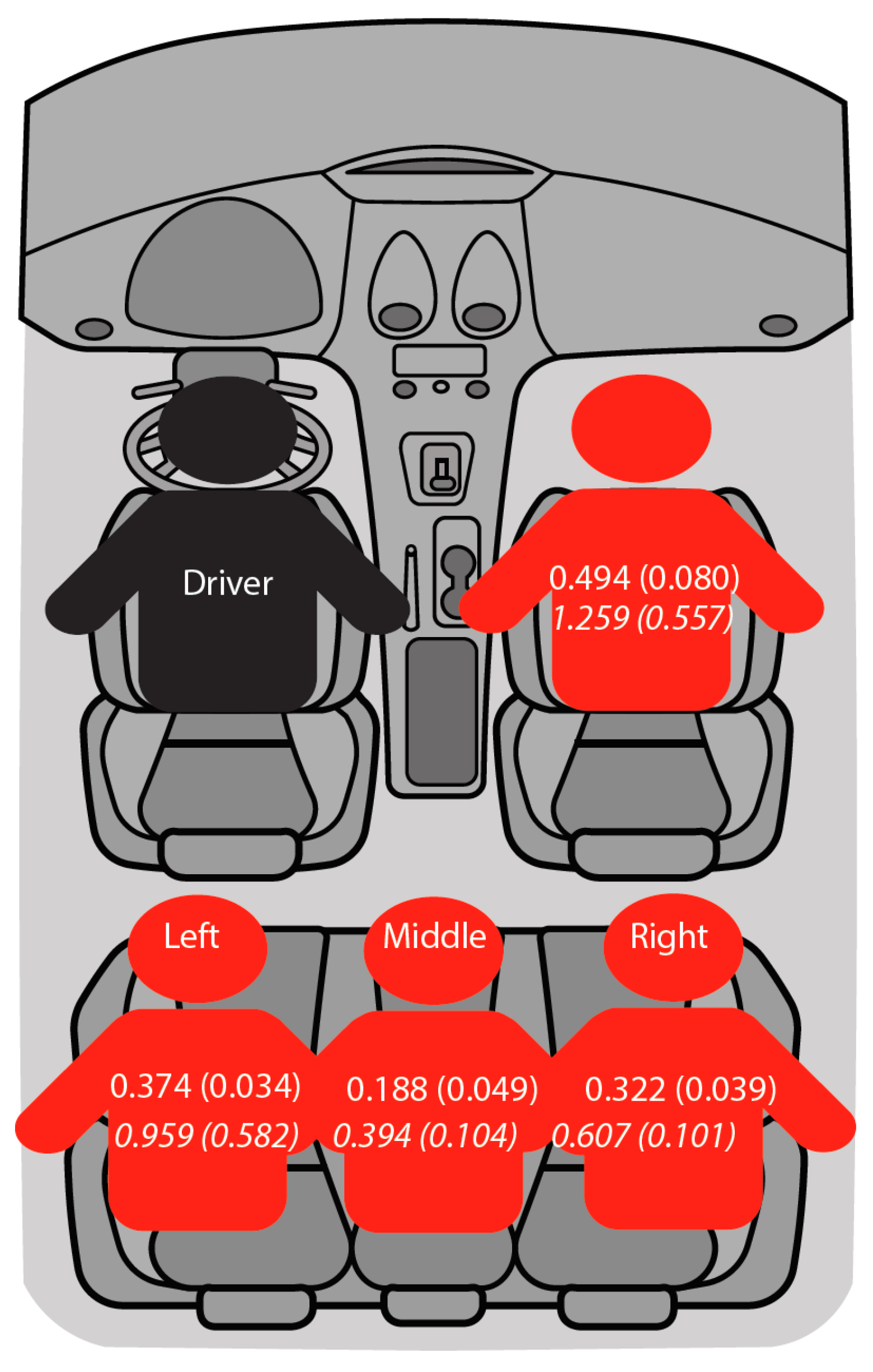
The rear middle seat is often considered safest. It is farthest from impact zones. This position protects passengers from side collisions. It is less likely to experience a direct hit. Many experts recommend this seat for children. It offers a balanced level of protection.
Impact Of Car Size And Type
The car’s size affects seat safety. Larger vehicles have more crumple zones. These zones absorb energy during crashes. Smaller cars offer less space for energy absorption. Seat safety depends on vehicle type too. SUVs and sedans have different designs. This influences the safety of each seat.
Role Of Modern Safety Features
Advanced safety features enhance seat safety. Airbags and seat belts play a vital role. They minimize injury during collisions. Newer cars have additional safety systems. These include electronic stability control and anti-lock brakes. These features work together to protect passengers. Seat design incorporates these technologies effectively.
Analyzing Crash Data
Understanding the safest seat in a car involves studying crash data. Experts analyze how cars behave in crashes. They focus on which seat offers the best protection. This data helps manufacturers improve safety features. It also guides consumers on safer seating choices.
The Importance Of Crash Data
Crash data reveals patterns and outcomes of accidents. It shows which seats are most vulnerable. This data is key for improving car designs. It helps in making vehicles safer for everyone.
Key Findings From Crash Analysis
Studies show the back seat is often safer. Especially the middle spot. In frontal crashes, this seat offers better protection. The distance from impact areas makes it safer.
Factors Influencing Seat Safety
Several factors affect seat safety. Vehicle type and size matter. Seatbelt use and airbag placement are crucial too. These elements can change how safe a seat is during a crash.
How Crash Data Informs Design
Manufacturers use crash data to design safer cars. They adjust seat structures and add safety features. This ensures better protection for all passengers.
Rear Vs Front Seats
Choosing the safest seat in a car can be puzzling. Many factors influence safety during a car ride. One crucial aspect is seat location. Let’s explore the differences between rear and front seats.
Rear Seat Safety
The rear seat often offers more protection in a crash. Studies show a lower risk of injury in rear seats. Children and older adults benefit most. The back seat is away from the impact zone. This distance reduces injury risk during frontal crashes.
Front Seat Safety
The front seat offers advanced safety features. Airbags and seatbelt pre-tensioners provide added safety. Drivers have more control, which can prevent accidents. Despite this, the front seat is closer to impact zones. This proximity can increase injury risk.
Comparing Safety Features
Modern cars equip both front and rear seats with safety features. Rear seats now have airbags in many vehicles. Seatbelts in both areas are essential. Safety advancements aim to protect all passengers equally.
Conclusion: Choosing The Best Seat
Prioritize safety when selecting a seat. Consider age, health, and seat features. Both rear and front seats have pros and cons. Make informed decisions for every journey.
Middle Seat Advantages
Many passengers overlook the middle seat in cars. Yet, it offers distinct advantages. Its position can enhance safety during travel. Understanding these benefits can guide seating choices.
Positioned Away From Impact Zones
In a collision, the middle seat remains distant from side impacts. This position reduces direct exposure to forceful crashes. Its central location can be a shield in accidents.
Enhanced Protection From Airbags
Front and side airbags serve the middle seat well. It gains protection from multiple directions. This boosts safety for passengers seated there.
Better Safety For Children
The middle seat suits child car seats. It offers a secure spot for young passengers. Parents often prefer this seat for added security.
Balanced Seat Belt Coverage
Middle seat belts cover the body evenly. They minimize the risk of injury. The design ensures effective restraint in sudden stops.
Ideal For Group Travel
Families often choose the middle seat for children. It helps keep young ones close to adults. This encourages interaction and supervision during trips.
Role Of Seat Belts And Airbags
Car safety relies on many factors. Seat belts and airbags are key. They work together to protect passengers. Understanding their role can help choose the safest seat.
Understanding The Function Of Seat Belts
Seat belts hold passengers in place during a crash. They reduce the risk of injury. Wearing a seat belt can save lives. It prevents passengers from hitting the dashboard or windshield. Proper usage is crucial. The belt should fit snugly across the chest and lap.
The Importance Of Airbags
Airbags cushion the impact during a collision. They deploy quickly upon impact. Airbags protect the head and chest. They work with seat belts for maximum safety. Proper seating position is important. Sit upright and at least 10 inches from the airbag.
How Seat Belts And Airbags Work Together
Seat belts and airbags form a safety duo. Seat belts keep passengers in place. Airbags provide a soft barrier. Together, they reduce injury risk. Without a seat belt, airbags can be less effective. Both must function properly for optimal safety.
Regular Maintenance For Safety Features
Check seat belts and airbags regularly. Ensure seat belts retract smoothly. Inspect for wear and tear. Airbag systems need professional checks. Proper maintenance ensures they work during an accident. Keeping them in good condition is vital for safety.
Impact Of Vehicle Type
Understanding the safest seat in a car often depends on the vehicle type. Different vehicles have unique safety features and structural designs. These factors influence seat safety significantly. In various cars, the safest seat may vary.
Cars are designed differently. For instance, SUVs typically offer higher seating positions. This can provide a better line of sight for drivers and passengers. In contrast, sedans may have lower seats, affecting the perception of safety. The size and structure of the vehicle can impact crash dynamics.
Safety Features In Suvs
SUVs often come with advanced safety technologies. Features like side airbags and electronic stability control are common. Their higher ground clearance can offer protection in certain crash scenarios. The design may also provide a feeling of added security.
Compact Cars And Safety
Compact cars usually have less mass compared to larger vehicles. This can influence crash outcomes. Despite their size, many compact cars come equipped with modern safety features. Features such as anti-lock brakes and traction control are prevalent.
Minivans And Family Safety
Minivans are popular for families due to their spacious interiors. Many minivans include child safety features. These features enhance the safety of rear seats. The design often prioritizes passenger protection.
Importance Of Vehicle Age
Newer vehicles typically have the latest safety technologies. Older vehicles may lack advanced safety features. Regular maintenance can improve safety. Ensuring your vehicle is in good condition is crucial.
Expert Opinions
Choosing the safest seat in a car is crucial. Experts share insights on this topic. Their opinions help guide drivers and passengers. Understanding these views can improve safety.
Expert Opinions On Seat Position
Experts often recommend the back seat. Especially the middle spot. It provides extra protection during collisions. Studies show fewer injuries in this position.
Child Safety Seats
For children, the back seat is safest. Experts advise using proper child safety seats. These seats should be installed correctly. Parents should ensure seats fit well. Follow guidelines for age and weight limits.
Airbag Considerations
Front seats have airbags. Airbags save lives but can cause harm. Experts suggest caution for small passengers. Sitting too close can be dangerous. The back seat avoids direct airbag impact.
Visibility And Control
Drivers need clear visibility. Front seats offer better control. Experts stress the importance of seat adjustments. Proper positioning aids in safe driving. Mirrors and seat height are crucial.
Factors Affecting Safety
Several factors affect seat safety. Car model and design play a role. Experts consider crash test ratings. These ratings guide seat selection. Always choose seats based on safety features.
Conclusion From Experts
Experts conclude safety varies. The back seat is often safest. Yet, individual needs differ. Consider expert advice for better safety choices.
Child Safety Considerations
Keeping children safe in a car is a top priority for parents. Understanding the safest seat options can help protect young passengers. Various factors need attention to ensure their safety. Each detail matters in safeguarding a child’s journey.
Where To Place The Car Seat?
The rear middle seat is often the safest for a child’s car seat. This position shields children from side impacts during collisions. It offers the most distance from potential crash points. Always ensure the car seat is properly installed here.
Rear-facing Seats For Infants
Infants should ride in rear-facing seats as long as possible. These seats provide crucial head and neck support during sudden stops. Use them until your child outgrows the manufacturer’s height or weight limits.
Forward-facing Seats For Toddlers
Once a child outgrows a rear-facing seat, transition to forward-facing. These seats use harnesses to keep children secure. Ensure the harness fits snugly against the child’s body for maximum protection.
Booster Seats For Older Kids
Booster seats elevate children so seat belts fit correctly. They are essential until the seat belt fits properly without it. Check the belt’s position across the shoulder and lap. It should sit across the chest and pelvis, not the stomach.
Importance Of Seat Belt Fit
For children using a regular seat belt, fit is crucial. The belt should lie across the upper thighs, not the stomach. The shoulder belt should rest on the shoulder, not the neck. Proper fit reduces the risk of injury in a crash.
Credit: www.mdpi.com
Frequently Asked Questions
What Seat Is Safest In A Car?
The back middle seat is often considered the safest. It is farthest from any impact in a collision. This seat provides the best protection in frontal and side crashes. However, always use a seatbelt or appropriate child restraint for maximum safety.
Is The Front Seat Safer Than The Back?
The back seat is generally safer than the front. Passengers in the back are less likely to be injured in a crash. The rear seats are further from the impact zone, offering more protection. Always use seatbelts regardless of seating position to enhance safety.
Why Is The Middle Back Seat Safest?
The middle back seat is safest because it’s farthest from impact. It offers the best protection in both frontal and side collisions. Being centrally located, it reduces the risk of injury from side impacts. This seat is ideal for children in properly installed car seats.
Are Airbags Effective In The Back Seat?
Airbags are generally not installed in the back seat. However, back seats are inherently safer due to distance from impact zones. Seatbelts are crucial for back seat safety. They effectively prevent passengers from being thrown forward in a crash, minimizing injuries.
Conclusion
Choosing the safest seat in a car is crucial. Prioritize safety by selecting the rear middle seat. Studies show this spot offers the best protection. It keeps passengers far from impact zones. Always use seat belts for added security. Proper installation of car seats is vital for children.
Safety should never be compromised. Stay informed about vehicle safety features. Regularly check airbags and seat belts. Make wise choices for you and your loved ones. Drive with caution. Remain vigilant on the road. Safety matters. Protect lives by choosing wisely.
Stay safe.


