


How to Travel with Car Seat on Airplane: Expert Tips

Traveling with a child can feel like a monumental task, especially when it comes to ensuring their safety and comfort in the air. If you’ve ever wondered how to travel with a car seat on an airplane, you’re not alone.
Many parents face the same challenge, juggling between keeping their little ones secure and navigating through the complexities of airport regulations. Imagine the peace of mind you’ll gain, knowing your child is snug and safe during the entire flight. You’ll discover that with the right tips and tricks, managing a car seat on a plane is not only possible but can also enhance your travel experience.
Dive into this guide, and you’ll find practical solutions and expert advice tailored just for you, making your journey as smooth as possible. Are you ready to unlock a stress-free travel experience with your child? Let’s explore how you can master this essential travel skill.
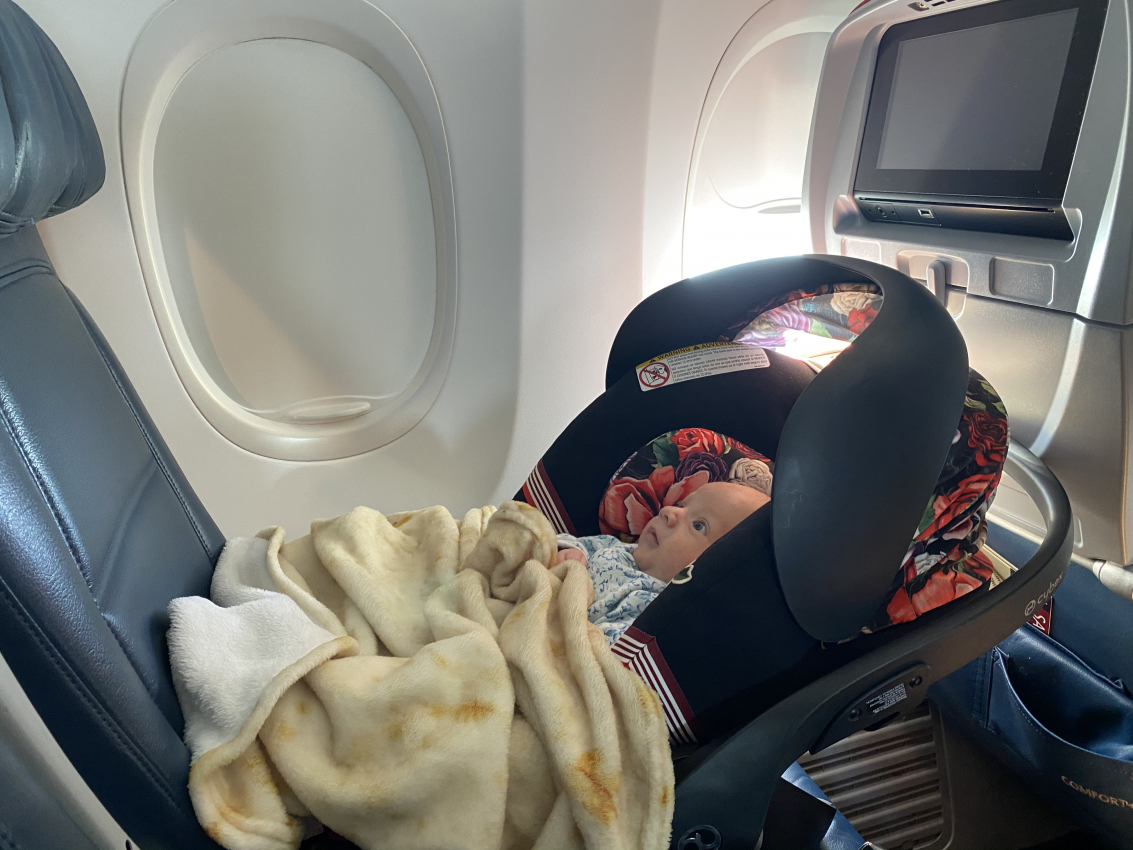
Credit: annaeverywhere.com
Choosing The Right Car Seat
Choosing the right car seat for airplane travel is crucial. It ensures your child’s safety and comfort during the flight. Not all car seats are suitable for air travel. Understanding the types and regulations is essential before flying.
Types Of Car Seats
Car seats come in different styles. Infant seats are for babies under 2 years. These seats are rear-facing and offer extra support for infants. Convertible seats can be used for infants and toddlers. They adjust from rear-facing to forward-facing. Booster seats are for older children. They provide a safe belt position for kids who have outgrown regular seats.
Faa Regulations
The FAA has specific rules for car seats on airplanes. The car seat must have an FAA-approved label. This label confirms the seat is safe for flight use. Only seats with a harness system are allowed. The seat must fit within the airplane seat dimensions. Check the airline’s policy on car seats before booking your flight. Some airlines provide specific guidelines for seat installation.
Booking Your Flight
Traveling with a car seat on an airplane can be challenging. Proper planning is essential for a smooth journey. Booking your flight with care ensures a stress-free experience. Consider airline policies and seat selection for comfort and convenience.
Airline Policies
Check the airline’s policy on car seats before booking. Different airlines have varying rules about car seat usage. Some may offer free car seat check-in. Others might allow you to use the seat onboard. It’s crucial to understand these rules to avoid surprises. Visit the airline’s website or contact customer service for specific details. Ensure that the car seat meets the airline’s safety standards.
Selecting The Best Seats
Choosing the right seat can make a big difference. Opt for seats with extra space for comfort. Bulkhead seats or those with extra legroom can provide more room for a car seat. Consider the location of the seat relative to the bathroom or aisle. Seats near the window might offer more stability for a car seat. Reserve your seats early to secure the best options. Confirm your selections ahead of time to ensure accuracy.
Preparing For Travel
Traveling with a car seat on an airplane requires some preparation. You want to ensure that your journey is smooth and stress-free. Organizing everything beforehand can make a significant difference.
Let’s explore some essential tips to help you prepare effectively. From packing essentials to installation kits, every detail matters.
Packing Essentials
Gather all necessary items for your car seat journey. Bring a durable travel bag to protect the seat. A padded bag can prevent scratches and damage.
Include a small tool kit. Some car seats require assembly or adjustments. Tools might be needed during the trip. Keep them handy to avoid any hassle.
Car Seat Installation Kits
Consider purchasing an installation kit. These kits simplify securing the seat in the airplane. They often include straps and clips for easy setup.
Read the manufacturer’s instructions. Every car seat is different. Familiarize yourself with the installation process before your trip. Practice at home to save time at the airport.
Choose a lightweight kit. It reduces the burden of carrying heavy equipment. Your travel experience will be more enjoyable with less weight.

Credit: www.emilymkrause.com
Navigating Security Checkpoints
Traveling with a car seat on an airplane requires preparation. Ensure your car seat is FAA-approved for a smoother experience. Pack your car seat in a protective bag to navigate security checkpoints easily.
Navigating security checkpoints with a car seat can be tricky. But with a little preparation, it becomes manageable. Knowing what to expect at security can save time and stress. This section will guide you through the process.Tsa Guidelines
The TSA has specific rules for car seats. They allow car seats through checkpoints. Ensure the car seat is clean and free of prohibited items. Liquids, gels, or sharp objects should be removed. A quick check before leaving home can prevent delays.Efficient Security Procedures
Approach the security line with confidence. Place the car seat on the conveyor belt gently. If it’s too large, ask for help. Consider bringing a car seat bag for protection. This keeps the car seat clean and makes handling easier. Keep your boarding pass and ID ready. Be prepared to answer any questions about your car seat. Following these steps can make security checks smooth and stress-free.Installing The Car Seat On The Plane
Traveling with children can be stressful. Installing a car seat on the plane is crucial for safety. But many parents find it daunting. Understanding the right steps eases the process. This guide provides clear instructions. It also addresses common challenges. Let’s ensure a smooth journey for you and your child.
Step-by-step Installation
First, check your airline’s car seat policy. Policies vary, so confirm before flying. Once on the plane, locate your seat. Make sure it’s approved for car seat use. Position the car seat facing forward. Align it with the plane’s seat. Thread the airplane seat belt through the car seat’s path. Buckle it securely. Pull the seat belt tight to eliminate slack. Ensure the car seat doesn’t move more than an inch. Test by pushing and pulling gently.
Some car seats have a lock-off mechanism. Use it if available. It adds extra security. Always check for proper installation. A well-installed car seat ensures your child’s safety. Double-check all connections before takeoff. Practice installing at home before your trip. Familiarity helps in a busy airport environment.
Common Challenges
Plane seats can be narrow. This might make installation tricky. Not all car seats fit in economy class. Measure your car seat dimensions beforehand. Some car seats need a belt extender. Ask the flight crew for assistance. Turbulence can affect the car seat’s stability. Keep checking its position during the flight. Buckling can be awkward. Plane seat belts differ from car seat belts. Patience is key. Follow each step carefully. Ensure the car seat is FAA-approved. Non-approved seats might be rejected.
Space limitations can cause discomfort. Consider booking a bulkhead seat for more room. Remember, keeping your child safe is the priority. Overcome challenges by staying informed. Use this guide to navigate common issues.
Tips For A Smooth Flight
Flying with a car seat can be daunting. Proper planning ensures a seamless experience. The goal is to make your child comfortable and handle emergencies effectively. Here are some tips for a smooth flight.
Keeping Children Comfortable
Start by choosing the right car seat. Make sure it’s FAA-approved. This ensures safety during the flight. Secure the car seat properly on the airplane seat. Use a seatbelt or latch system. Comfort is key. Bring a favorite blanket or stuffed toy. These items provide familiarity and security. Dress your child in layers. Airplane temperatures can vary.
Pack snacks and drinks. Airplane food might not suit your child. Keep them occupied with books or games. Avoid screen time if possible. It can lead to overstimulation. Encourage naps during the flight. A rested child is a happy child.
Handling Emergencies
Prepare for unexpected situations. Pack a small first aid kit. Include band-aids and antiseptic wipes. Keep necessary medications within reach. Inform the flight attendants about any medical conditions. They are trained to assist.
In case of turbulence, ensure the seatbelt is fastened. Avoid panic. Calmly reassure your child. Practice emergency procedures before boarding. Familiarity reduces fear. Carry extra clothes for spills or accidents. Wet wipes are handy for quick clean-ups. Stay calm and collected in emergencies.
Post-flight Considerations
Traveling with a car seat on an airplane ensures your child’s safety and comfort. Secure the car seat in a forward-facing position. Check airline policies for specific guidelines.
Traveling with a car seat on an airplane requires careful planning. Once the flight ends, post-flight considerations come into play. These steps ensure your child’s safety and comfort at the destination. It’s crucial to address car seat maintenance and safety checks. This process helps maintain the car seat’s integrity. It also guarantees security in unfamiliar places.Car Seat Maintenance
Inspect the car seat for any damage after the flight. Look for cracks or missing parts. These can affect its performance. Check the harness and buckle for smooth functioning. Dirt or debris might affect these components. Cleaning them ensures they work properly. Use gentle cleaning methods. Avoid harsh chemicals that could damage the fabric or plastic. Store the car seat safely when not in use. This prevents accidental damage or exposure to elements.Ensuring Safety At Destination
Reinstall the car seat correctly once you arrive. Make sure it’s secured tightly in your vehicle. A loose seat can compromise safety. Review the manufacturer’s installation guide. This helps avoid common mistakes. Familiarize yourself with local safety regulations. Different regions may have unique requirements. Consider the environment at your destination. Ensure the car seat is suitable for local conditions. Adjust straps and harnesses for comfort and security. Check the seat periodically for adjustments. Regular checks maintain optimal safety and comfort.
Credit: www.uvmhealth.org
Frequently Asked Questions
Can You Bring A Car Seat On An Airplane?
Yes, you can bring a car seat on an airplane. It’s recommended for child safety during the flight. Ensure it’s FAA-approved and label it with your contact details. Check with your airline for specific guidelines and policies.
How To Install A Car Seat On A Plane?
To install a car seat on a plane, first, ensure it’s FAA-approved. Place it in a window seat and secure it using the aircraft’s seatbelt. Follow the car seat manufacturer’s instructions for proper installation. Confirm with flight attendants if needed.
Is A Car Seat Required For Air Travel?
A car seat is not mandatory for air travel. However, it’s highly recommended for safety. The FAA advises using an FAA-approved child restraint system. It provides better protection than a lap belt alone. Check with your airline for specific policies regarding car seats.
What Type Of Car Seat Is Airline-approved?
An airline-approved car seat must have a label stating it’s FAA-approved. It should fit within the aircraft seat dimensions. Convertible car seats and some infant seats are typically approved. Always check the car seat’s specifications and consult your airline’s guidelines.
Conclusion
Traveling with a car seat on a plane can be simple. Follow the steps outlined to ensure a stress-free journey. Choose the right seat for your child’s safety. Always check airline policies beforehand. Proper planning ensures a smooth travel experience.
Remember to secure the car seat correctly. Practice installing it before your trip. This preparation saves time and hassle. Keep your child comfortable and safe. Enjoy the journey with peace of mind. With these tips, air travel becomes enjoyable. Safe travels to you and your family!


