

How to Dispose of a Car Seat: A Complete Guide

Are you staring at that old car seat in the corner, wondering what to do with it? You’re not alone.
Many parents face the dilemma of disposing of a car seat, unsure of the right steps to take. But don’t worry; you’re about to discover a simple guide that will not only help you get rid of that bulky seat but also do it in an eco-friendly way.
Imagine freeing up space in your home while contributing to a cleaner environment. Intrigued? Let’s dive into the most effective methods to dispose of your car seat safely and responsibly. Keep reading to unlock the secrets of car seat disposal that every parent should know.
Safety Check
Ensuring your child’s safety is crucial when disposing of a car seat. Before discarding, perform a thorough safety check. This prevents potential harm and makes the disposal process responsible.
Assess Damage
Examine the car seat for visible damage. Look for cracks in the plastic frame. Check the straps and buckles. Are they worn or frayed? Damaged seats do not protect well. If the seat has been in an accident, it should not be reused. Safety should always be the priority.
Check Expiration Date
Car seats have expiration dates. These dates ensure the seat meets safety standards. Locate the expiration label on the seat. This is often found on the underside or back. An expired seat may not offer adequate protection. Always check this before disposal. Outdated materials and designs can fail in emergencies. Keeping track of expiration dates ensures your child’s safety.
Credit: csftl.org
Preparation For Disposal
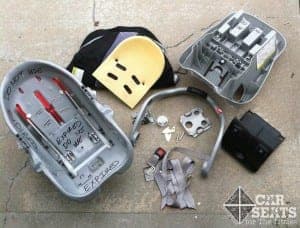
Preparing a car seat for disposal involves removing fabric and padding. Ensure all metal and plastic parts are separated. Check local recycling guidelines to dispose of each component correctly.
Preparing a car seat for disposal is an important step. Proper preparation ensures responsible recycling or disposal. It also helps prevent misuse of the seat by others. Follow these simple steps to get started.
Remove Fabric Cover
Begin by taking off the fabric cover. This part often contains foam padding. Check for any zippers or Velcro to make removal easy. Washing the cover is not necessary for disposal. Removing it helps separate materials for recycling.
Detach Straps And Buckles
Next, focus on the straps and buckles. These components are crucial to remove. They are usually attached with screws or clips. Use a screwdriver for easy detachment. Keep the straps and buckles in a separate bag. This helps with sorting different materials.
Local Disposal Options
Disposing of a car seat responsibly can be challenging. But local disposal options offer convenient solutions. Understanding these options ensures the safe disposal of old car seats.
Municipal Waste Facilities
Many cities have municipal waste facilities. These accept car seats for disposal. Check with your local facility for guidelines. They may require disassembly of the seat. Removing fabric and padding might be necessary. Once prepared, you can drop off the seat at the facility. This method reduces landfill waste and supports recycling efforts.
Curbside Pickup Services
Curbside pickup services provide another disposal option. Some areas offer bulk waste collection. Contact your local waste management service. They can inform you about curbside car seat disposal. You might need to schedule a special pickup. Ensure the car seat is ready for collection. Proper preparation ensures efficient disposal.
Recycling Possibilities
Disposing of a car seat responsibly helps the environment. Recycling offers a sustainable option. Many car seats contain materials that can be reused. This minimizes waste and conserves resources. Understanding recycling possibilities is vital. It ensures the proper disposal of car seats.
Find Recycling Programs
Many local communities offer car seat recycling programs. These programs are designed to handle car seat materials. Search online for programs near your location. Websites often list participating centers. Contact your local waste management department for guidance. They may provide additional resources. Some retailers host recycling events. They collect old car seats for proper disposal. Always check the requirements of each program. They may have specific guidelines.
Preparing For Recycling
Before recycling, disassemble the car seat. Remove any fabric covers and straps. Separate plastic and metal parts. This makes recycling easier and more efficient. Check the recycling program’s rules. Some may require the car seat to be clean. Use a mild detergent to wash removable parts. Ensure all pieces are dry before delivery. Proper preparation helps in effective recycling. It ensures the materials are ready for reuse.
Donation And Reuse
Donating or reusing a car seat can benefit others in need. It extends the life of the seat and supports families who might not afford new ones. Before donating, ensure the car seat is safe and meets necessary standards. This section will guide you through the donation process and organizations that accept car seats.
Check Donation Criteria
Ensure the car seat is not expired or recalled. Check the manufacturer’s label for expiration dates. Make sure all parts are present and in working order. Clean the seat thoroughly before donating. Some organizations may have specific criteria for acceptance. Contact them to confirm their requirements.
Organizations Accepting Car Seats
Many organizations welcome car seat donations to help families. Local shelters often accept them for families in transition. Charities like Baby2Baby and Goodwill sometimes take car seats. Always call ahead to ensure they are currently accepting them. Some fire stations might also take car seats for safety demonstrations. Check with local hospitals, as they may distribute to families in need. Each organization may have different rules for donations.

Credit: saferide4kids.com
Creative Upcycling Ideas
Disposing of a car seat doesn’t mean it must end in the landfill. Creative upcycling gives old car seats new life. By using parts in unique ways, you can reduce waste. Plus, it’s fun and rewarding. Let’s explore some creative ideas to repurpose your old car seat.
Repurpose Parts
Car seats have many reusable parts. The fabric can become bags or cushions. The buckles and straps are perfect for craft projects. Use the foam for padding or insulation. Plastic parts can be transformed into garden tools. Metal pieces serve well for small DIY projects. Repurposing parts saves resources and sparks creativity.
Diy Projects
Turn your old car seat into a comfortable pet bed. Simply remove the cover, clean it, and add a cushion. Another idea is creating a unique swing for children. Use the seat frame and sturdy ropes. Make a stylish chair by attaching legs to the base. Your imagination is the limit. DIY projects are a great way to reuse and reduce waste.
Environmental Impact
Disposing of a car seat responsibly is crucial for the environment. Many car seats end up in landfills, causing long-term harm. The materials in car seats can take years to break down. This contributes to waste and pollution. Proper disposal can minimize these effects.
Reducing Waste
Finding ways to reduce waste is essential. Car seats are often made of plastic, foam, and metal. These materials do not decompose easily. By reducing car seat waste, we protect the environment. Less waste means less pollution and resource depletion.
Consider options like donating or repurposing. Some organizations accept used car seats. They may refurbish or recycle parts. This helps keep car seats out of landfills. It reduces waste significantly.
Benefits Of Recycling
Recycling car seats offers several benefits. It conserves resources by reusing materials. Recycling reduces the demand for new raw materials. This helps lower energy consumption and pollution.
Recycling also prevents harmful chemicals from leaching into the soil. This protects both the environment and human health. Look for recycling programs in your area. They often accept car seats and process them responsibly.
Frequently Asked Questions
How Do I Know If A Car Seat Is Expired?
Check the label or manual for the expiration date. Most car seats expire 6 to 10 years after manufacture. Expired car seats may not meet safety standards and should be disposed of properly. Always ensure safety by checking the expiration before use.
Can I Recycle A Car Seat?
Yes, you can recycle car seats at designated recycling centers. Some programs accept car seats for recycling and dismantling. Check with local recycling facilities or retailers for programs. Ensure the car seat is clean and free from any detachable parts.
What Parts Of A Car Seat Are Recyclable?
Plastic and metal parts of a car seat are recyclable. Remove the cover, straps, and foam before recycling. Check with local recycling centers for specific guidelines. Properly sorted car seat parts can be efficiently recycled, reducing environmental impact.
How To Prepare A Car Seat For Disposal?
Remove all covers, straps, and foam from the car seat. Cut straps to prevent reuse. Label it as “unusable” before disposing. Follow local guidelines for disposal or recycling. Proper preparation ensures safety and compliance with local regulations.
Conclusion
Disposing of a car seat seems tricky, but it’s doable. Safety comes first. Always check if it can be recycled. Some parts may need special care. Contact local waste facilities for guidance. Donating is another option if the seat’s in good condition.
Spread the word about proper disposal. It helps others and the environment. Remember, a little effort makes a big difference. Follow these steps for a responsible car seat disposal. Make the world a safer place for everyone. Keep learning and caring for your community.
You’ve got this!


