

What is Car Seat Law in California: Essential Rules for Safety

Are you sure your child is riding safely in your car? Understanding the car seat law in California is not just about following rules—it’s about protecting your little one every time you hit the road.
You might think you know the basics, but there are important details that could make all the difference in an emergency. Keep reading to discover exactly what the law requires, how to choose the right seat for your child, and simple steps you can take right now to keep your family safe.
Don’t leave your child’s safety to chance—know the facts and take control today.
California Car Seat Requirements
California has strict rules for car seats to keep children safe. These laws help reduce injuries during car rides. Every child must use the right car seat based on age and weight. Parents must follow these rules to protect their kids and avoid fines.
Using the correct car seat is important. It fits the child’s size and holds them securely. This section explains the main requirements for car seats in California.
Age And Weight Guidelines
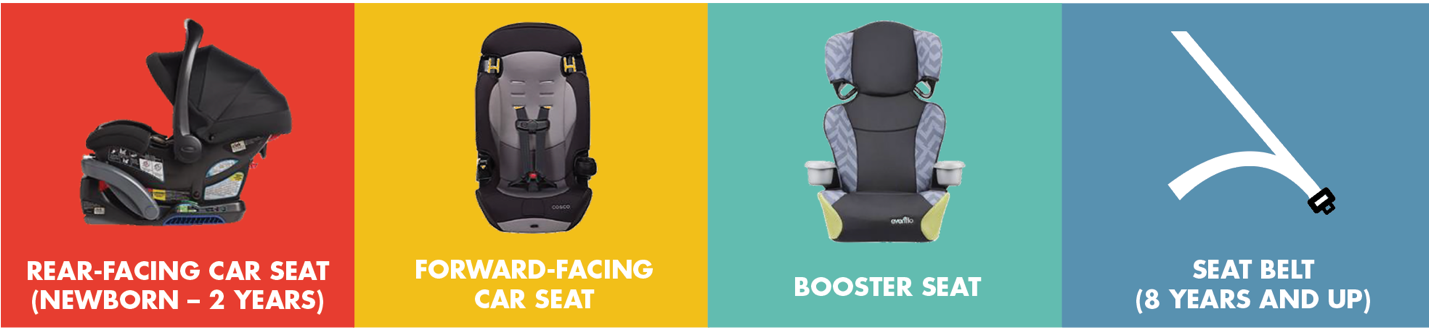
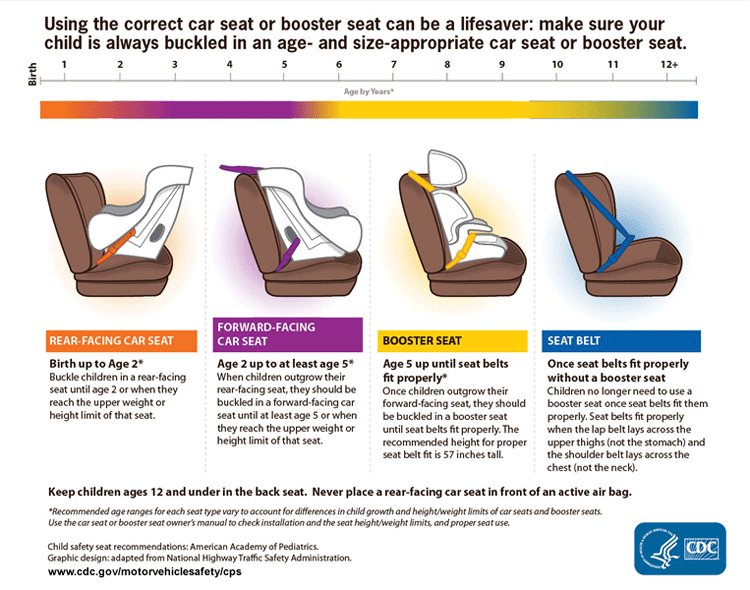
Children under 2 years old must use a rear-facing car seat. This seat supports their head and neck better. Kids aged 2 to 8 years must use a booster or car seat. They must stay in these seats until they reach 4 feet 9 inches tall. The seat must match the child’s weight and height. Safety is the top priority.
Types Of Approved Car Seats
California law only allows car seats that meet safety standards. These include rear-facing seats, forward-facing seats, and booster seats. Each type fits different ages and sizes of children. Parents should check the label for approval marks. Using the right seat type reduces the risk of injury.
Credit: www.ots.ca.gov
Proper Installation Techniques
Proper installation of a car seat keeps children safe during travel. It reduces injury risks in crashes. Parents and caregivers must follow clear steps for correct setup. Using the right tools and methods ensures the seat stays secure. This section explains key installation techniques for California car seat law compliance.
Using Latch Vs Seat Belt
LATCH means Lower Anchors and Tethers for Children. It is a system built into many cars and car seats. LATCH connectors attach directly to anchors in the vehicle. This system is simple and quick to use. Seat belts can also secure car seats. Some car seats allow either LATCH or seat belt use, but not both at once.
LATCH usually provides a tight fit with less effort. Seat belts require careful threading and locking. Always check your car seat manual for the recommended method. Some vehicles have weight limits for LATCH. Follow all instructions to avoid loose or incorrect installation.
Common Installation Mistakes
Many car seats are installed too loosely. The seat should not move more than one inch side to side or front to back. Another mistake is using the wrong belt path. Rear-facing seats and forward-facing seats have different belt routes. Not tightening the tether strap for forward-facing seats is also common.
Using expired or damaged car seats is unsafe. Incorrect recline angle for infants can cause breathing problems. Avoid placing the car seat in the front seat with active airbags. Check each step carefully to ensure proper installation and child safety.
Legal Penalties And Enforcement
California takes car seat laws seriously to keep children safe. Breaking these laws leads to legal penalties. Law enforcement officers actively check for compliance during traffic stops. Understanding these penalties and how officers enforce the law helps parents protect their kids and avoid fines.
Fines For Non-compliance
Failing to use a proper car seat can result in fines. The first offense usually costs around $100. Repeat offenses carry higher fines. Additional fees and court costs can increase the total amount. Sometimes, violations can add points to your driving record. These penalties encourage parents to follow the law strictly.
Traffic Stop Procedures
Officers look for child safety seat violations during routine stops. If a child is not secured properly, the officer will issue a citation. They may also explain the law and offer safety advice. In some cases, officers can require the driver to fix the car seat before continuing. This ensures children ride safely before leaving the scene.
Safety Tips For Parents
Keeping your child safe in the car is a top priority for every parent. California’s car seat law helps protect young passengers during travel. Following safety tips ensures your child stays secure and comfortable on every ride.
Proper use of car seats reduces injury risks. Parents must know how to choose and maintain the right seat for their child’s age and size.
Choosing The Right Car Seat
Select a car seat that fits your child’s weight and height. Infant seats suit babies up to 20 pounds. Convertible seats work for toddlers and older children. Check the label for age and size limits. Choose seats approved by safety standards. A snug fit is important to keep your child safe. Always read the instruction manual before installation.
Regular Seat Checks
Check your car seat often for damage or wear. Make sure the harness straps are not twisted. Straps should be tight and secure against your child. Inspect the seat’s installation in your vehicle each time. Replace any seat that has been in a crash. Clean the car seat according to the manufacturer’s guide. Regular checks keep the seat safe and reliable.
Resources And Support
California offers many resources to help parents follow car seat laws. Support is available to ensure child safety during every trip. These resources make it easier to choose and use the right car seat. They also help parents stay updated on legal requirements.
Local Inspection Stations
Local inspection stations check car seats for proper installation. Trained technicians offer free or low-cost inspections. They teach parents how to install seats correctly. This service reduces the risk of injury in a crash. Parents can find nearby stations through local health departments or police stations.
Educational Programs
Educational programs provide clear information about car seat laws. They explain age, weight, and height rules for children. Workshops show how to install and adjust seats safely. Many programs are available online or in community centers. These programs help parents protect their children every ride.

Credit: www.cosumnescsd.gov
Credit: www.taraval.org
Frequently Asked Questions
What Are California’s Car Seat Age Requirements?
California law requires children under 2 years old to use a rear-facing car seat. Children aged 2 to 8 must use a child passenger restraint system. Kids 8 years or older or 4’9” tall may use a booster or seat belt.
When Should I Switch To A Booster Seat In California?
You should switch to a booster seat once your child outgrows the forward-facing car seat. Usually, this is when they are at least 4 years old and weigh 40 pounds. California law requires booster seats until the child reaches age 8 or 4’9” tall.
What Are The Penalties For Violating California Car Seat Laws?
Violating California’s car seat law can result in fines starting at $100. Repeat offenses may increase fines and add court fees. More importantly, improper child restraints increase injury risk in accidents, so compliance is critical for safety and legal reasons.
Can Car Seats Be Used In The Front Seat In California?
California law advises children under 8 years old to ride in the back seat. Using a car seat in the front seat is discouraged, especially if there is an active passenger-side airbag. Back seat placement is the safest option for children.
Conclusion
California’s car seat law helps keep children safe in vehicles. Using the right car seat reduces injury risks during accidents. Parents must follow age, height, and weight rules for seats. Police can give fines if rules are ignored. Always check your child’s seat fits well and is installed correctly.
Keeping these laws in mind protects your child every trip. Safety first—simple steps make a big difference on the road. Stay informed and keep your little ones secure.


