
What Does Sip Mean on Car Seat: Essential Safety Explained

Have you ever noticed the term “SIP” on your child’s car seat and wondered what it means? Understanding this simple acronym can make a big difference in keeping your little one safe on every ride.
If you want to ensure your car seat offers the best protection, knowing what SIP stands for and how it works is essential. Keep reading, because what you learn here could give you peace of mind every time you buckle up your child.

Credit: kidobebe.com
Sip Basics
SIP Basics cover the key facts about side impact protection in car seats. Knowing these helps parents keep their children safe during travel. Car seats with SIP offer extra defense against crashes from the side. This section explains what SIP means and why it matters.
Definition Of Sip
SIP stands for Side Impact Protection. It refers to features built into car seats. These features protect a child’s head, neck, and body from side collisions. SIP uses special padding and design to absorb crash forces. This reduces the chance of injury in side impacts.
Purpose Of Side Impact Protection
Side impacts happen in many car crashes. They can cause serious injuries to children. SIP helps by cushioning the child from the force of the crash. It also keeps the child stable and prevents harmful movement. SIP makes car seats safer and gives parents peace of mind.
How Sip Works
SIP on a car seat means Side Impact Protection. It helps protect children during side collisions. The seat has extra padding and supports to reduce injury.
Design Features
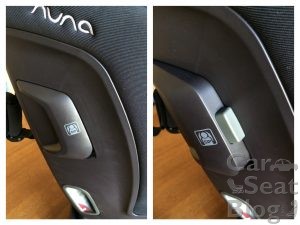
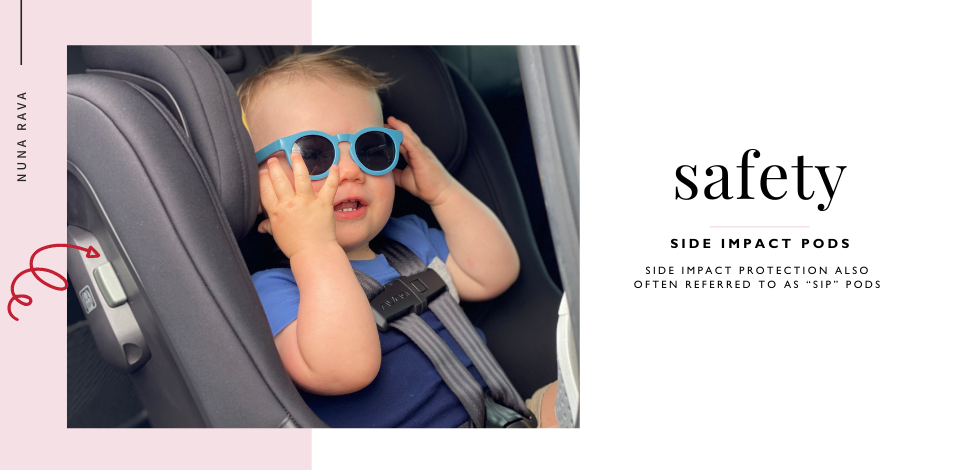
SIP stands for Side Impact Protection. It is a safety feature in car seats. SIP is designed to protect a child during a side collision. The car seat includes special padding and supports on the sides. These parts are often made from energy-absorbing materials. They surround the child’s head and body. This design helps keep the child safe and secure.
The shape of the seat shell is also important. It is deeper and wider on the sides. This helps to limit movement during an impact. SIP works best when combined with proper seat belts and installation. It creates a strong barrier between the child and the car door.
Impact Absorption Mechanism
The main goal of SIP is to absorb crash energy. During a side impact, forces push the child towards the car door. SIP materials compress and reduce this force. This lowers the risk of injury to the child’s head, neck, and chest.
Some car seats use foam that absorbs energy by crushing slightly. Others have air-filled chambers that reduce shock. This mechanism slows down the impact and spreads the force over a larger area. The result is less stress on the child’s body.
Sip And Car Seat Safety
Understanding SIP and car seat safety is important for every parent. SIP stands for Side Impact Protection. It helps protect children during side collisions. Side crashes are common and can cause serious injuries. Car seats with SIP add an extra layer of safety. They reduce the force a child feels in a crash. This makes the car seat safer and gives parents peace of mind.
Benefits For Child Safety
SIP cushions the child’s head and body in side impacts. It uses energy-absorbing materials that reduce injury risks. This protection helps keep the child’s neck and spine safer. SIP also limits how much the child moves during a crash. This reduces the chance of hitting the car’s door or window. Overall, SIP helps keep children safer in real accidents.
Comparison With Other Safety Features
Many car seats have basic safety features like 5-point harnesses. These secure the child in the seat tightly. SIP adds extra protection specifically for side crashes. Unlike chest pads or harnesses, SIP focuses on impact absorption. Some seats include side airbags, but SIP is built into the seat itself. This makes SIP a reliable and constant safety layer. It complements other features, making the seat safer overall.
Credit: carseatblog.com
Choosing A Car Seat With Sip
Choosing a car seat with SIP means picking one with Side Impact Protection. This feature helps keep your child safe from side collisions. Side impacts can cause serious injuries. A seat with SIP adds an extra layer of safety.
Not all car seats have the same level of side protection. Some seats come with added padding or energy-absorbing materials. These help reduce the force of a crash on your child’s body.
Key Factors To Consider
Check the design of the SIP. Look for deep side wings and strong padding. The seat should fit your child’s size and weight. A tight fit helps SIP work better. Make sure the seat is easy to install correctly. A wrong installation can reduce safety. Comfort is important too. Your child should sit calmly and safely.
Certification And Standards
Look for car seats that meet safety standards. These include tests for side impact crashes. In Europe, check for ECE R44 or R129 approval. In the US, look for FMVSS 213 certification. These labels show the seat passed strict tests. Certification means the SIP feature is tested and reliable.
Installation Tips For Sip Seats
Installing a SIP car seat correctly is important for your child’s safety. Proper installation helps protect your child during rides. This section offers clear tips to install SIP seats with care and confidence.
Proper Positioning
Place the SIP seat in the back seat of the car. The middle position is safest if possible. Ensure the seat faces the right direction based on your child’s age and weight. Follow the SIP seat manual for exact placement. Check that the seat base sits flat and does not move more than one inch side to side.
Common Mistakes To Avoid
Do not use a seat with expired safety labels. Avoid loose seat belts or straps; tighten them firmly. Do not place heavy objects on the seat during installation. Avoid incorrect recline angles that can harm your child. Never install the seat in the front with an active airbag. Always double-check the seat after installation for safety.
Credit: snugglebugz.ca
Maintaining Sip Effectiveness
Maintaining the effectiveness of SIP, or Side Impact Protection, on a car seat is vital for your child’s safety. SIP helps absorb energy during a side collision, reducing injury risks. Keeping this feature in good condition requires regular care and attention. Simple steps can ensure the SIP works properly every time your child rides in the car.
Regular Inspection
Check the car seat often for any signs of damage. Look for cracks, dents, or loose parts near the SIP area. Ensure the padding around the sides is firm and not worn out. Make sure the SIP mechanism moves freely if it is adjustable. Clean the car seat according to the manufacturer’s instructions to avoid damaging the materials.
When To Replace The Car Seat
Replace the car seat if it has been in a crash. Even minor accidents can weaken the SIP. Follow the expiration date set by the car seat maker. Most seats last about six years from the manufacture date. If any SIP parts are broken or missing, do not use the seat. Safety should never be compromised for convenience.
Frequently Asked Questions
What Does Sip Mean On A Car Seat?
SIP stands for Side Impact Protection. It is a safety feature designed to protect passengers during side collisions. SIP helps absorb and distribute crash forces, reducing injury risk to the occupant’s head and torso.
How Does Sip Improve Car Seat Safety?
SIP enhances safety by adding extra padding or airbags on the seat’s sides. This cushioning absorbs energy from side impacts, protecting the occupant. It significantly reduces the chances of serious injuries in side crashes.
Are All Car Seats Equipped With Sip?
Not all car seats have SIP. It is more common in modern, high-quality seats. Always check the car seat’s specifications to confirm if SIP is included for better side-impact safety.
Is Sip Mandatory In Car Seats?
SIP is not legally mandatory everywhere but is highly recommended. Many safety organizations encourage SIP for enhanced protection. Choosing seats with SIP can improve overall safety in side collisions.
Conclusion
SIP stands for Side Impact Protection on car seats. It helps keep children safer in crashes from the side. Choosing a car seat with SIP adds extra security for your child. Always check for SIP features when buying a car seat.
Safety matters most when traveling with little ones. Understanding SIP gives you peace of mind on the road. Remember, a safe car seat keeps your child protected every trip.