


What is a Car Seat Test: Essential Guide for Parents

Imagine this: You’re preparing to bring your newborn home from the hospital, a moment filled with joy and anticipation. But before you can introduce your little one to their new home, there’s an important step you can’t overlook—the car seat test.
You might wonder, “What exactly is a car seat test, and why is it so crucial for my baby’s safety? ” Understanding this test is essential for ensuring your child’s well-being during those first precious car rides. We’ll unravel the mystery behind the car seat test, explaining what it is, why it matters, and how it directly impacts your child’s safety.
By the end, you’ll feel confident and informed, ready to ensure your baby’s first journey is as safe and comfortable as possible. Keep reading to discover everything you need to know about this vital safety check.
Car Seat Test Overview
The car seat test is crucial for newborns, especially those born prematurely. This test ensures a baby’s safety during car travel. Health professionals conduct it to observe how well a baby tolerates being in a car seat.
What Happens During A Car Seat Test?
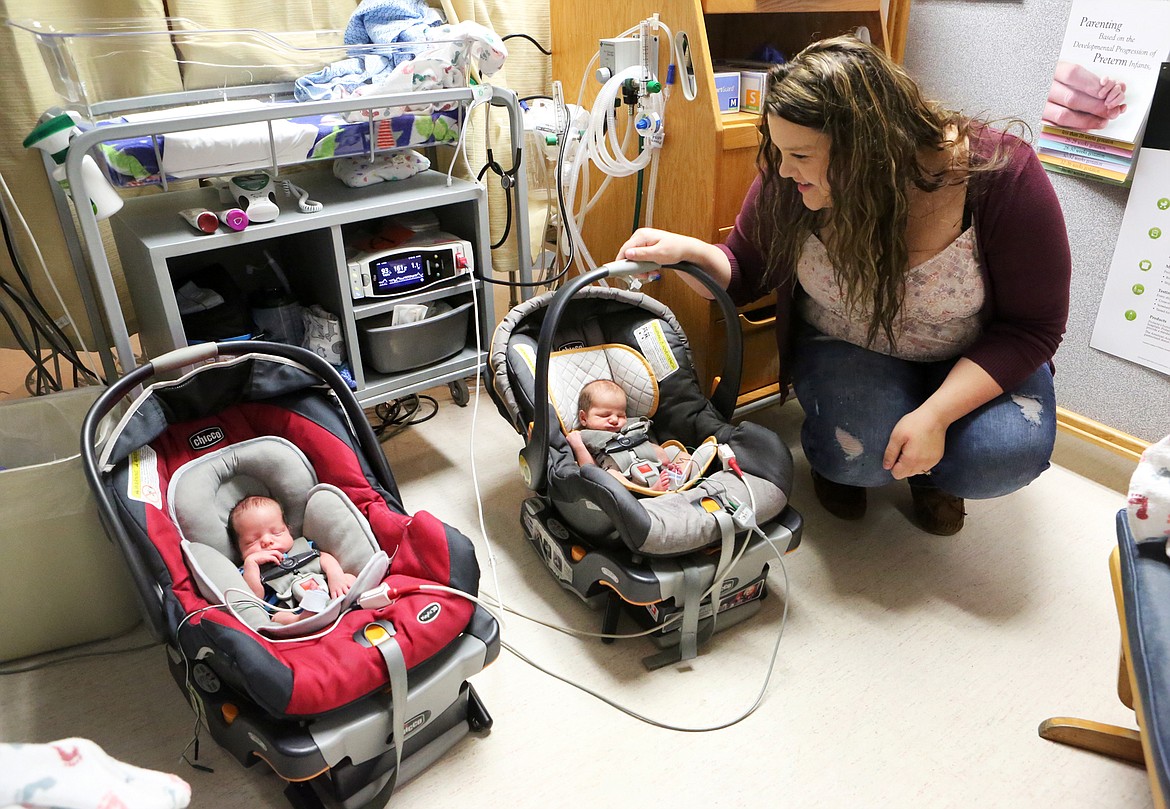
During the test, the baby is placed in a car seat. The seat is positioned as if in a vehicle. Professionals monitor the baby closely for signs of distress or breathing issues. The test usually lasts for 90 minutes to two hours.
Why Is The Car Seat Test Important?
Safety is the main reason for the test. Premature babies may have difficulty breathing in a seated position. The test helps ensure they are safe during travel. Hospitals require this test before discharging premature infants.
Who Conducts The Car Seat Test?
Trained medical staff conduct the car seat test. They are skilled in observing infant health and safety. Their expertise ensures accurate monitoring of the baby’s condition.
What Are The Criteria For Passing The Test?
The baby must maintain stable vital signs throughout the test. No breathing difficulties should be observed. The baby should show no signs of distress. These criteria ensure the baby is ready for car travel.
What If The Baby Fails The Test?
If a baby fails, adjustments are made. This might include changing the seat angle. Sometimes, a special car bed is recommended. Continuous monitoring is necessary for the baby’s safety.
Purpose Of The Car Seat Test
The car seat test is crucial for newborns. It ensures their safety in vehicles. Many parents wonder about its purpose. Understanding it helps keep babies safe.
What Does The Car Seat Test Entail?
Doctors recommend this test for premature babies. It checks if they can sit safely in a car seat. The test monitors vital signs. Heart rate, breathing, and oxygen levels are observed. This ensures no issues arise while traveling.
Ensuring Proper Positioning
Proper positioning is vital. The baby’s head should not slump forward. This can block airways and cause breathing problems. The test checks for this alignment. Correct positioning ensures the baby’s comfort and safety.
Duration Of The Car Seat Test
The test lasts 90 to 120 minutes. This duration simulates a car ride. It helps identify any potential issues. If problems occur, further evaluations are needed.
Identifying Potential Health Concerns
The test reveals health concerns. Babies with low birth weight or medical conditions are at risk. Early detection ensures timely medical interventions. Parents gain peace of mind knowing their baby is safe.
Improving Baby’s Travel Safety
The ultimate goal is travel safety. The car seat test confirms if a baby is ready. Safe travel practices start here. Parents learn the importance of car seat safety. This knowledge protects the baby during every journey.
When Is The Test Required?
Understanding when a car seat test is required can be crucial for new parents. Hospitals conduct these tests to ensure your baby’s safety during car travel. Not every baby needs this test. But some specific situations require it.
Premature Babies
Premature babies often need a car seat test. Their bodies are smaller and more fragile. The test checks if they can breathe properly in a car seat. It’s an important step before heading home.
Low Birth Weight
Babies with low birth weight also need a car seat test. Weighing less than 5 pounds is a common criterion. This test ensures their comfort and safety during travel.
Breathing Issues
If a baby has breathing issues, a car seat test might be necessary. Hospitals want to ensure babies can maintain proper breathing in a seated position. It helps in avoiding potential risks on the road.
Medical Conditions
Some medical conditions require a car seat test. Conditions affecting muscle tone or oxygen levels often necessitate it. This ensures babies are ready for car travel.
Preparation For The Test
Preparing for a car seat test involves several crucial steps. These steps ensure your baby’s safety during the test. Proper preparation can lead to a smoother experience.
Choosing The Right Car Seat
Consider the size and weight of your baby. Select a car seat that fits your baby’s needs. Check if the seat is approved for newborns. Ensure it has a secure harness system. Safety is key, so look for a sturdy design. Read reviews and seek recommendations from other parents. Comfort is important, so choose a seat with padded cushions.
Understanding Hospital Policies
Each hospital has different policies. Contact your hospital to know their requirements. Some hospitals may provide a list of approved car seats. Others might have specific guidelines on installation. Ask about the duration and procedure of the test. Knowing these details can help you prepare better. Follow hospital policies strictly to avoid complications.
What Happens During The Test
During a car seat test, parents and healthcare professionals ensure a baby’s safety. It’s crucial for infants, especially those born prematurely or with health concerns. The test checks if the baby can sit safely in a car seat without breathing issues.
Duration And Procedure
The car seat test usually lasts about 90 minutes to two hours. The baby stays in the car seat, which should be the one used for traveling home. Healthcare professionals place the seat at the proper angle to mimic car travel conditions. They then secure the baby with the harness, ensuring it’s snug and correctly positioned.
Monitoring And Evaluation
During the test, medical staff monitor the baby’s vital signs closely. They check the baby’s heart rate, breathing, and oxygen levels. These measurements ensure the baby remains safe and comfortable while seated. If the baby shows any signs of distress, the test might pause or stop.
Professionals also observe for any breathing difficulties or unusual behavior. They ensure the car seat supports the baby’s head and neck adequately. Any issues during the test may lead to further evaluation or adjustments. The goal is to confirm the baby’s safety during car travel.
Common Challenges And Solutions
The car seat test is essential for newborn safety. Parents often face challenges during this test. Understanding these common obstacles helps ensure a smoother experience. Let’s explore solutions to typical issues encountered during the car seat test.
Adjusting Seat Position
Finding the right seat position can be tricky. The seat should recline properly for newborns. Adjust the angle until your baby’s head is secure. Ensure the seat is not too upright. This prevents breathing issues. Check manufacturer guidelines for optimal angles.
Struggling with installation? Use the seatbelt or latch system as directed. Double-check the tightness. Wiggle the seat gently. It should not move more than an inch. Consult the car seat manual for detailed instructions. Practice makes perfect.
Handling Crying Or Discomfort
Crying may occur during the test. Babies often dislike being restrained. Ensure straps are snug but not too tight. Dress your baby in comfortable clothing. Avoid bulky outfits. These can cause discomfort.
Distract your baby with soothing sounds. Play gentle music or white noise. Use a pacifier to help calm them. A favorite toy may ease anxiety. Check for signs of discomfort. Adjust the straps or padding as needed.
If crying persists, take breaks. Pause the test and comfort your baby. Reattempt when they seem more relaxed. Gradual exposure helps them adjust. Patience is key.
Interpreting Test Results
Car Seat Test determines if newborns can sit safely in a car seat. It checks their breathing and heart rate. This ensures safe travel for premature or at-risk infants.
Understanding car seat test results is crucial for new parents. These results help ensure your baby’s safety during car rides. A car seat test checks if your baby can sit safely in their car seat. This test is often done before leaving the hospital. Nurses or doctors monitor your baby in the car seat for a set time. During the test, they watch your baby’s breathing and heart rate. Passing the test means your baby can ride safely. Failing the test might require extra steps to ensure safety.
Passing The Test
Passing the car seat test is a relief for parents. It shows your baby can travel safely in a car seat. You can leave the hospital knowing your baby is secure. This is a vital step for your baby’s first journey home. Ensure the car seat is installed correctly. Follow the manufacturer’s guidelines. Double-check the harness is snug but comfortable. Proper installation is key to passing the test.
Next Steps If Test Is Failed
Failing the test can be concerning. It’s important not to panic. Medical staff will guide you on what to do next. They might suggest a different car seat or position. Sometimes, a car bed might be recommended for your baby. Follow any advice given by healthcare providers. This ensures your baby’s safety. Regularly check your car seat’s fit as your baby grows. It’s essential to adapt as needed to maintain safety. `
Credit: thecarseatlady.com
Tips For Success
A car seat test is crucial for newborns, especially premature babies. It ensures they can safely travel in a car seat before leaving the hospital. Parents often worry about this test. But simple tips can help. Here’s how to prepare and succeed.
Ensuring Baby’s Comfort
Choose a well-fitted car seat. It should match your baby’s weight and height. Make sure the harness fits snugly. Adjust it as needed. Place soft, breathable fabric inside the seat. This keeps your baby cozy. Avoid bulky clothing. It can interfere with harness security.
Check the temperature in the room. It should be comfortable for your baby. Too hot or cold can make them fussy. A calm baby stays relaxed during the test.
Communicating With Healthcare Providers
Talk to your healthcare providers. They have valuable insights. Ask them questions about the car seat test. Discuss any worries you have. Be open about your baby’s health conditions. This helps them assist you better.
Know the test criteria. This prepares you mentally. It also helps align your expectations. Ask for any pre-test instructions. Follow them closely.
With these tips, you can approach the car seat test with confidence. Your baby’s safety is a priority. Proper preparation ensures peace of mind.
Resources For Parents
Finding the right resources for parents regarding car seat tests can be crucial. These resources help parents ensure safety and compliance. Understanding how to use these resources can make a significant difference. This section provides valuable information for parents seeking guidance. It covers organizations, online guides, and tutorials available for support.
Helpful Organizations
Several organizations offer support for parents on car seat tests. The National Highway Traffic Safety Administration (NHTSA) provides detailed guidelines. They also offer expert advice. Safe Kids Worldwide helps parents with safety checks. They conduct events and workshops. Local health departments sometimes provide testing assistance. They can also offer educational materials.
Online Guides And Tutorials
Online guides simplify the car seat test process. Websites like Parents.com offer step-by-step instructions. These guides use easy language for better understanding. YouTube channels host helpful tutorials. Watching these can provide visual aid. Many parenting blogs share personal experiences. These experiences are relatable and informative. They offer practical tips and solutions. Online resources make learning accessible and convenient.
Credit: dailyinterlake.com
Frequently Asked Questions
What Is A Car Seat Test?
A car seat test evaluates if a newborn can safely ride in a car seat. This test is typically performed on premature babies or those with health concerns. It monitors the baby’s heart rate, breathing, and oxygen levels while seated.
Proper positioning is crucial for safety and comfort.
Why Is A Car Seat Test Important?
The car seat test ensures your newborn’s safety during car rides. It assesses if the baby can maintain stable vital signs while in a car seat. This is especially crucial for premature or low-birth-weight infants. Passing the test indicates that the baby can travel safely in a vehicle.
When Do Hospitals Perform Car Seat Tests?
Hospitals generally perform car seat tests before a newborn’s discharge. The test is usually conducted on premature babies or those with health concerns. It ensures the baby can safely travel in a car seat. The timing may vary, but it is typically done a few days before leaving the hospital.
How Long Does A Car Seat Test Take?
A typical car seat test lasts about 90 minutes to 2 hours. During this time, the baby’s heart rate, breathing, and oxygen levels are monitored. The test duration may vary based on hospital protocols. It’s essential to ensure the baby can maintain stable vital signs throughout the test.
Conclusion
Understanding the car seat test is essential for new parents. It ensures your baby’s safety while driving. This test checks if the car seat supports your baby correctly. Hospitals often require this test before discharge. Passing this test gives peace of mind.
Parents can drive home knowing their baby is secure. Always follow car seat guidelines for best results. Regular checks and adjustments are important. Keep your child safe on every journey.


