


What is a Seat Sensor in a Car: Essential Safety Tech

Have you ever wondered how your car knows when someone is sitting in the passenger seat? Or why the seatbelt warning light sometimes flashes when you haven’t buckled up?
The answer lies in a clever piece of technology known as the seat sensor. This tiny yet mighty device plays a crucial role in your vehicle’s safety system. But what exactly does it do, and why should you care? Understanding the seat sensor can not only enhance your driving experience but also keep you and your passengers safer on the road.
Stick with us as we dive into the world of seat sensors, revealing how they work and why they’re more important than you might think. By the end of this article, you’ll have a newfound appreciation for this often-overlooked component of your car. Let’s explore the fascinating role of seat sensors in your vehicle, and discover why they matter to you.
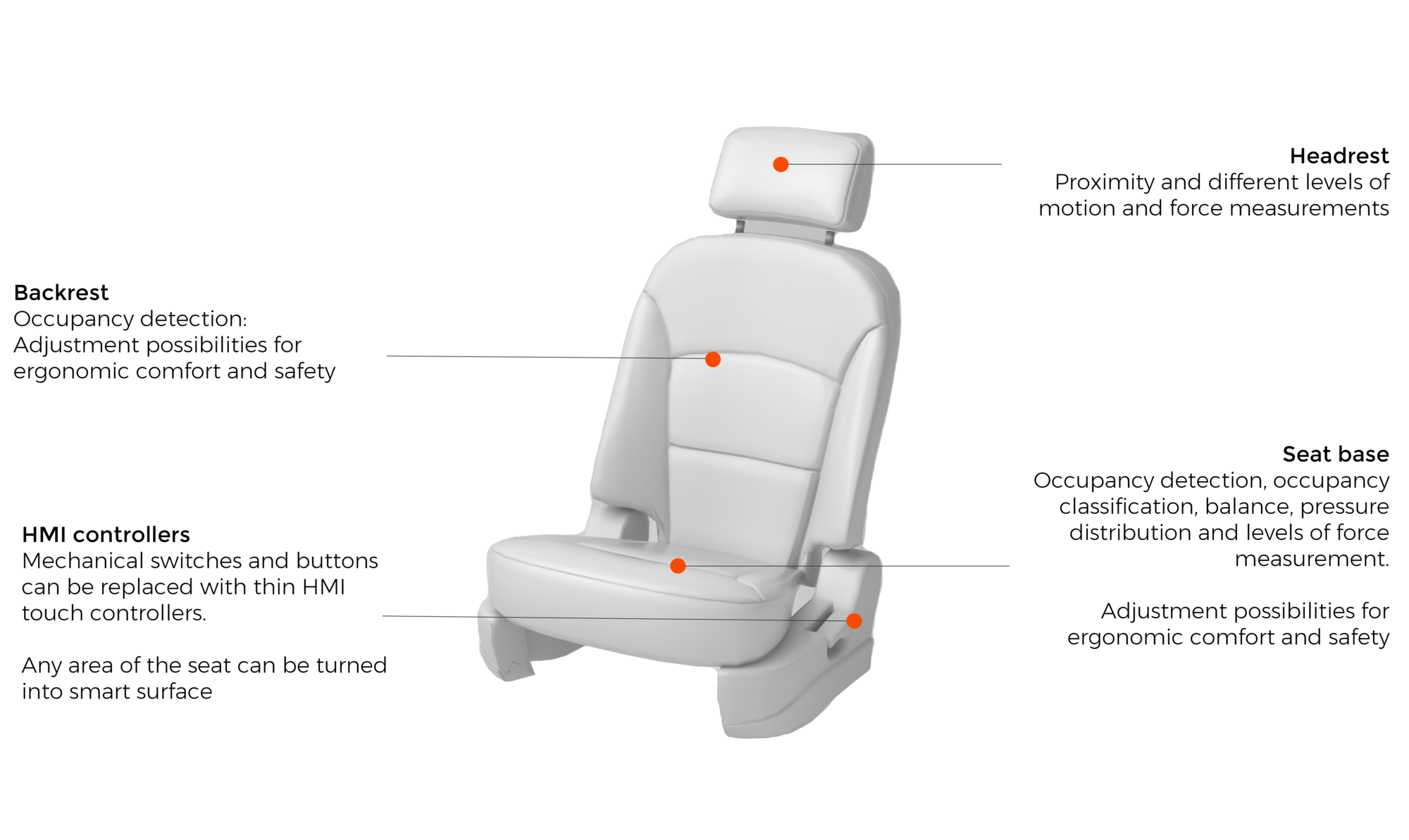
Credit: www.forciot.com
Seat Sensor Basics
Understanding seat sensors in cars is essential for modern vehicle safety. These sensors detect if the seat is occupied and help ensure passenger protection. They play a crucial role in deploying airbags properly and can alert drivers to fasten seat belts.
Seat sensors are small devices embedded within car seats. They use pressure or weight detection to determine if a person is sitting. This technology enhances the vehicle’s overall safety system.
What Are Seat Sensors?
Seat sensors are electronic devices installed in car seats. They identify whether a seat is occupied. This data is crucial for airbag deployment. It prevents airbags from inflating unnecessarily when a seat is empty.
How Do Seat Sensors Work?
These sensors use pressure-sensitive materials. When weight is applied, they send signals to the car’s computer. The computer processes these signals to decide if an airbag should deploy.
Importance Of Seat Sensors
Seat sensors ensure airbags deploy only when needed. They help reduce injuries during collisions. They also remind drivers and passengers to buckle up. This feature enhances safety and compliance with traffic laws.
Common Types Of Seat Sensors
Pressure sensors are the most common type. They detect weight changes on the seat. Some cars use capacitive sensors. These sensors measure electrical charges to identify occupancy.
Challenges With Seat Sensors
Seat sensors can sometimes malfunction. They might falsely detect occupancy or fail to register a seated passenger. Regular maintenance checks are vital to ensure sensor accuracy and reliability.
Types Of Seat Sensors
Seat sensors in cars play a vital role in safety. They detect if someone is sitting in a seat. This information helps in activating airbags and seatbelt reminders. There are different types of seat sensors. Let’s explore them below.
Pressure Sensors
Pressure sensors measure the force applied to a seat. They detect if a seat is occupied by sensing pressure. These sensors ensure airbags deploy correctly. They help improve passenger safety during a collision.
Weight Sensors
Weight sensors measure the weight on a car seat. They differentiate between an adult and a child. This helps in adjusting airbag deployment. They also help in saving fuel by deactivating unused airbags.
Occupancy Sensors
Occupancy sensors determine if a seat is occupied. They use infrared or ultrasonic technology. These sensors activate seatbelt reminders. They ensure that passengers buckle up before driving. Occupancy sensors enhance safety and comfort in vehicles.
How Seat Sensors Work
Seat sensors in cars enhance safety and comfort. They detect if someone is sitting in the seat. This helps in deploying airbags and adjusting seat settings. Understanding how they work is key to appreciating their benefits.
Sensor Mechanism
Seat sensors use pressure-sensitive materials. These materials detect weight on the seat. The sensor is often placed inside the seat cushion. It measures the force exerted by the occupant. This data tells the car’s system if a seat is occupied.
Some sensors also use infrared or ultrasonic technology. They measure distance and presence. This method helps in detecting even light objects or pets. The combination ensures accuracy in occupant detection.
Data Transmission
Once the sensor collects data, it needs to be processed. The sensor sends information to the car’s onboard computer. This transmission is usually wireless or through a wired connection. The computer then analyzes the data.
If the seat is occupied, the system activates necessary features. For instance, it might engage airbags or adjust seat settings. This real-time processing ensures that the car responds promptly. The system can also store data for future use.
Importance In Safety Systems
Seat sensors play a crucial role in car safety systems. These sensors detect the presence of occupants in the seats. They ensure that safety features activate when needed. Without them, many safety systems would not function correctly. Their importance in safety systems cannot be overstated.
Airbag Deployment
Airbags protect passengers during collisions. Seat sensors help determine if a seat is occupied. They ensure airbags deploy only when needed. This prevents unnecessary deployment, which can be dangerous. Proper airbag deployment reduces injury risks.
Seatbelt Warnings
Seatbelt warnings remind passengers to buckle up. Sensors detect if a seat is occupied but the seatbelt is not fastened. A warning light or sound alerts the driver. This encourages passengers to wear seatbelts. Wearing seatbelts significantly lowers injury risks.
Integration With Modern Vehicles
Integration with modern vehicles has transformed how seat sensors function. These sensors now play a vital role in safety and convenience. They are not just passive components. Instead, they actively communicate with a car’s systems. This integration enhances user experience and vehicle performance.
Advanced Driver Assistance Systems
Seat sensors are key in advanced driver assistance systems (ADAS). They detect if the driver is seated properly. If the driver is unseated, the system can alert them. This ensures the driver stays attentive. In emergencies, seat sensors help activate safety features. They work with airbags to protect passengers. By knowing who is seated, the system deploys airbags smartly.
Connectivity With Infotainment
Seat sensors connect seamlessly with infotainment systems. When a driver sits, the system can adjust preferences. It can set music, temperature, and more. For passengers, it personalizes entertainment options. This makes every journey more enjoyable. Sensors also aid in voice commands. They ensure that commands are heard clearly from the driver’s seat. This connectivity enhances both safety and comfort.
Advantages Of Seat Sensors
Seat sensors in cars offer numerous benefits to drivers and passengers. These sensors add value by enhancing safety and boosting vehicle efficiency. Understanding these advantages can help you appreciate their role in modern vehicles.
Enhanced Passenger Safety
Seat sensors detect if a seat is occupied. This ensures seat belts are used correctly. They alert drivers about unbuckled passengers. This feature can save lives during emergencies. Sensors also trigger airbags only when needed. This reduces injury risks. Protecting passengers is the primary goal. With seat sensors, safety systems work optimally. Every passenger gains additional protection. Sensors enhance the overall safety framework.
Improved Vehicle Efficiency
Seat sensors contribute to better fuel management. Sensors detect seat occupancy and adjust vehicle settings. They help manage air conditioning based on passenger presence. This saves energy and reduces fuel consumption. Sensors ensure efficient resource use within the car. Vehicles become more economical with smart sensor integration. This results in cost savings for drivers. Efficient systems are vital for modern vehicles. Sensors optimize various vehicle operations seamlessly.
Challenges And Limitations
Seat sensors in cars play a crucial role in safety. They detect occupancy and trigger seatbelt reminders. Yet, these sensors face challenges and limitations. Understanding these can help ensure a safer driving experience.
False Positives
False positives occur when the sensor wrongly detects a person in the seat. This can lead to unnecessary alerts. A heavy bag or a pet might trigger the sensor. This can distract drivers and reduce safety. Reducing false positives is key for reliable sensor performance.
Maintenance Issues
Seat sensors can face wear and tear over time. Dust or debris may affect their functioning. Regular cleaning helps maintain accuracy. Malfunctions may require professional repair. Ensuring proper maintenance prolongs sensor life. Reliable sensors ensure safety.

Credit: auto.howstuffworks.com
Future Of Seat Sensor Technology
The future of seat sensor technology in cars looks promising. As technology evolves, these sensors will play a crucial role in automotive safety and comfort. New advancements in seat sensors will enhance the driving experience, offering more personalized features. These innovations will also be crucial in the development of autonomous vehicles.
Innovations And Trends
Seat sensors are becoming more intelligent with each passing year. They now detect weight, position, and even driver fatigue. Advanced sensors can adjust seat settings automatically for optimal comfort. They can also provide data to improve safety features. New trends include sensors that monitor health indicators like heart rate. This technology ensures a safer driving experience for everyone.
Impact On Autonomous Vehicles
Seat sensors will be vital in autonomous vehicles. They help the car understand who is inside and their condition. These sensors can detect if a passenger is asleep or alert. This information helps the car make better decisions on the road. Seat sensors also improve the interaction between car and passenger. They ensure a comfortable and responsive environment during travel.
Frequently Asked Questions
What Is A Car Seat Sensor?
A car seat sensor detects occupancy, ensuring safety features like airbags deploy correctly. It uses weight or pressure to determine if a seat is occupied. This technology helps prevent unnecessary airbag deployment and enhances passenger safety by adapting to the presence of a passenger or child seat.
How Does A Seat Sensor Work?
Seat sensors function by detecting pressure or weight on the seat. They use electrical signals to assess whether a seat is occupied. Once detected, the vehicle’s safety systems can adjust accordingly. This ensures optimal airbag deployment and seatbelt tension, providing enhanced protection for passengers.
Why Are Seat Sensors Important?
Seat sensors are crucial for passenger safety. They help ensure airbags deploy only when necessary, reducing injury risk. By detecting occupancy, these sensors optimize vehicle safety systems. This not only enhances passenger protection but also prevents unnecessary wear and tear on safety equipment.
Can Seat Sensors Detect Child Seats?
Yes, seat sensors can detect child seats. They adjust safety systems to accommodate the lower weight. This ensures airbags are deployed safely, providing extra protection for young passengers. It also helps in activating child-specific safety features, enhancing overall vehicle safety for families.
Conclusion
Seat sensors play a vital role in car safety. They detect passenger presence and adjust airbags accordingly. This technology enhances passenger protection during accidents. Seat sensors also contribute to fuel efficiency. They help manage airbag systems, saving energy. Easy to understand, they work quietly in the background.
Their reliability is crucial for modern vehicles. These sensors ensure a safer ride for everyone. As technology advances, seat sensors will continue evolving. Always ensuring safety and efficiency on the road. Understanding seat sensors can make driving safer. And give peace of mind to drivers and passengers alike.


