

How to Recline Safety First Car Seat: Easy Guide

Are you eager to ensure your child’s safety and comfort during every car ride? The key could be in how you recline your Safety First car seat.
Proper reclining isn’t just about comfort; it’s a crucial step in maximizing the safety features of your car seat. But how exactly do you get it right? You might have questions about the right angle, installation tips, or the best practices to follow.
This guide will walk you through each step, ensuring you have peace of mind knowing your little one is secure and snug. Ready to master the art of reclining your Safety First car seat? Let’s dive in and discover the simple steps to achieving optimal safety and comfort.
Choosing The Right Car Seat
Choosing the right car seat is crucial for your child’s safety. You must consider various factors to ensure the best protection. Safety First offers a range of seats tailored for different needs. Explore the types, ages, and weight considerations below.
Types Of Safety First Car Seats
Safety First provides diverse options for car seats. There are infant seats, convertible seats, and booster seats. Infant seats are designed for newborns. They ensure maximum protection. Convertible seats adapt as your child grows. Booster seats are for older children. They provide the necessary height for seat belts.
Age And Weight Considerations
Age and weight are key factors in selecting a car seat. Infant seats suit babies up to 22 pounds. Convertible seats accommodate children from birth to 65 pounds. Booster seats are ideal for kids over 40 pounds. Always check the manufacturer’s guidelines. Ensure the seat fits your child’s current size.
Installation Basics
Installing a Safety First car seat correctly ensures your child’s safety. Understanding installation basics is the first step in protecting your little one. This guide will help you recline the seat properly, ensuring a snug and secure fit.
Checking Vehicle Compatibility
Ensure your car seat is compatible with your vehicle. Consult your car manual for specific instructions. Some vehicles have different seating configurations. Verify the car seat fits well with your vehicle’s design. Check if your vehicle supports LATCH system or seat belt installation. Compatibility is crucial for a secure fit.
Securing With Seat Belts Or Latch
Choose between seat belts or the LATCH system for securing the car seat. Both options provide safety but differ in installation. For seat belts, thread the belt through the designated path. Tighten the belt until the seat is stable. With LATCH, connect the lower anchors to the car seat hooks. Pull the straps to tighten securely. Check the stability after installation. The seat should not move more than an inch side to side. A secure fit is vital for your child’s safety.
Adjusting The Recline Angle
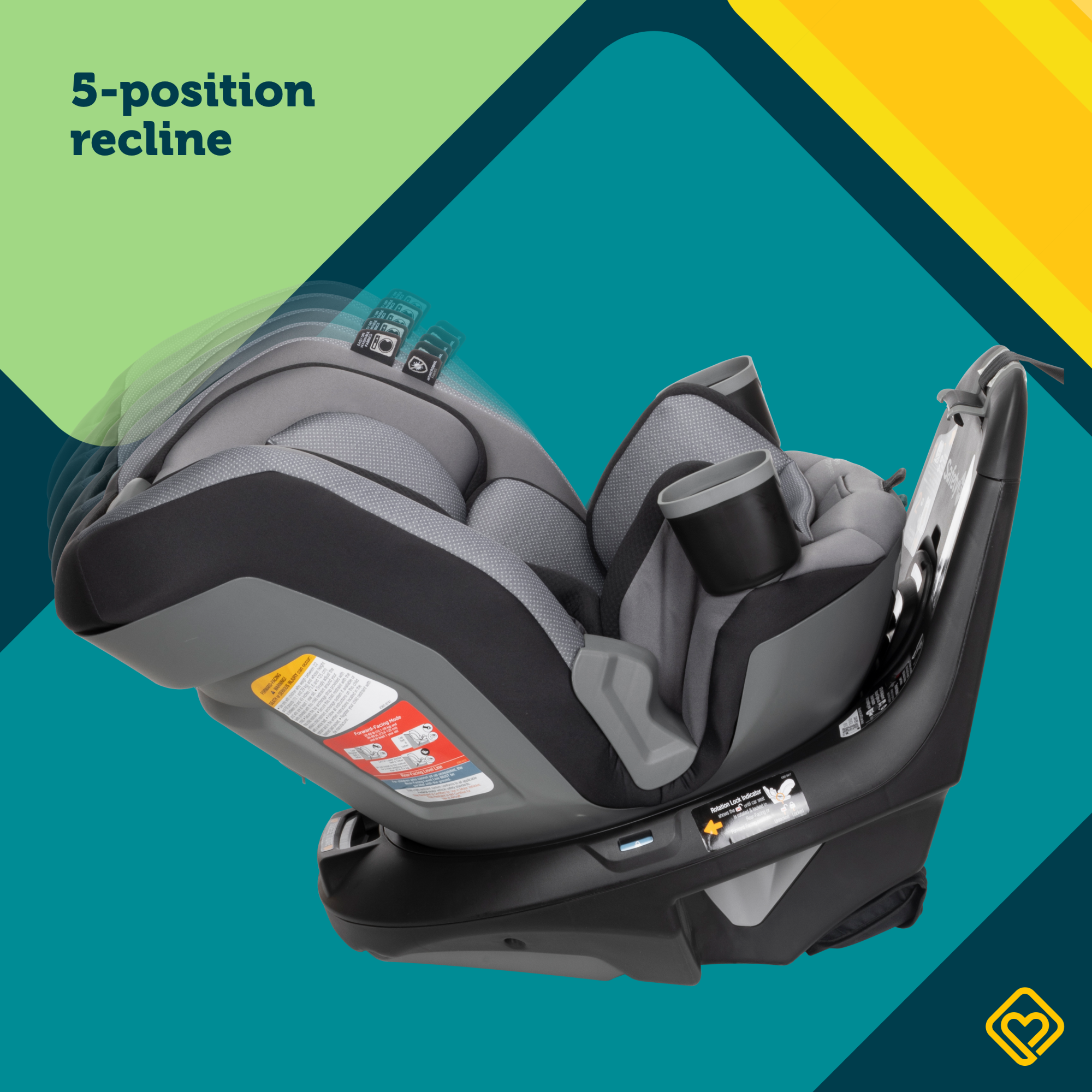
Adjusting the recline angle of a Safety First car seat ensures your child’s comfort and safety. Find the recline lever, usually at the seat’s base, and adjust to the correct angle for your child’s weight and height. Correct positioning prevents slumping and supports proper breathing.
Adjusting the recline angle of a Safety First car seat ensures comfort. It also prioritizes the safety of your child. Proper recline supports a child’s head and neck. It reduces strain during travel. Follow these steps to adjust the recline angle correctly.Locating The Recline Mechanism
First, find the recline mechanism on the car seat. It is usually a lever or button. Check the user manual for specific details. The recline mechanism is often at the base or back of the seat. Make sure the car seat is securely installed before adjusting.Adjusting For Rear-facing Position
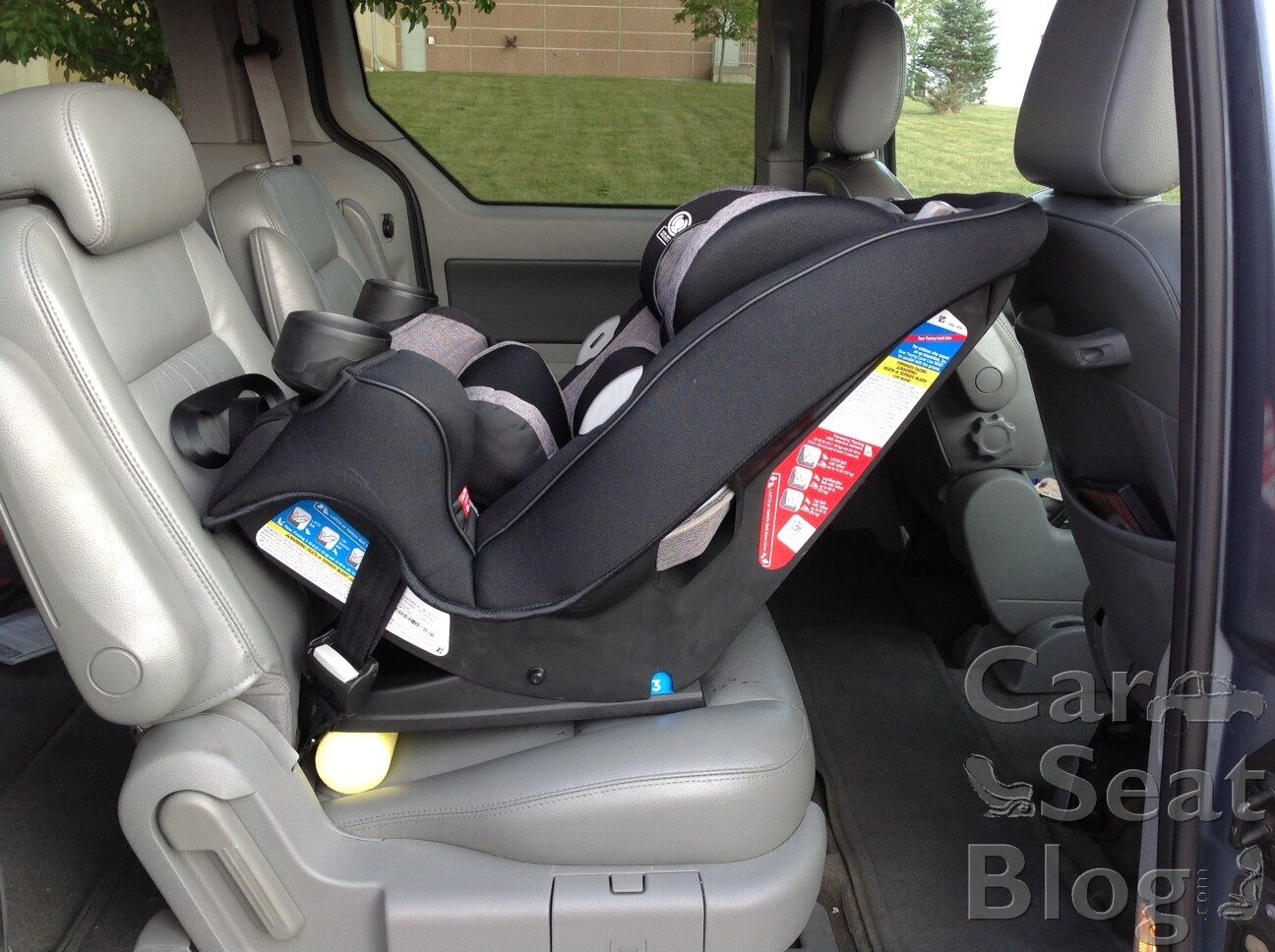
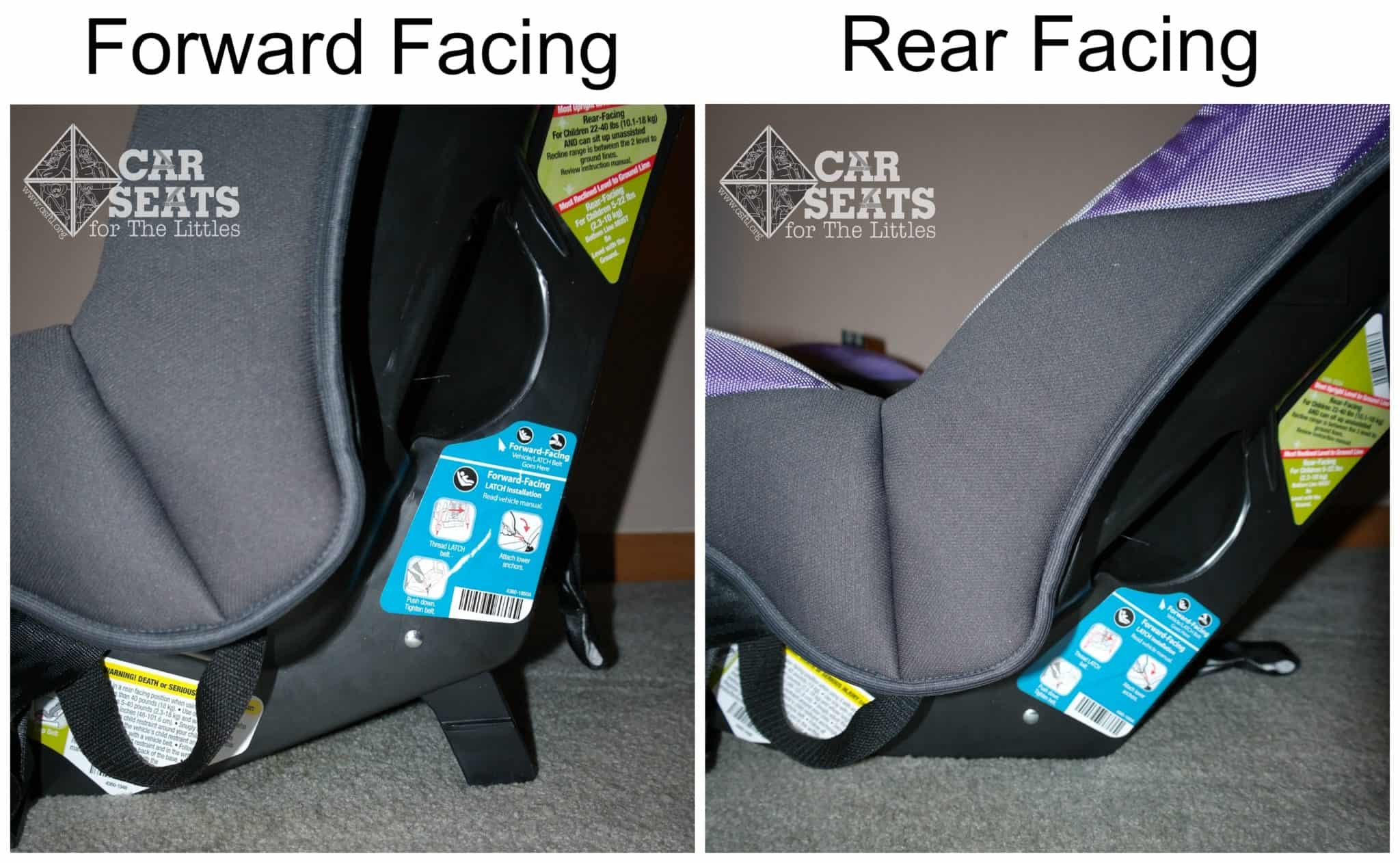
For infants, use the rear-facing position. It provides extra protection for their head and neck. To adjust, pull or press the recline lever. Tilt the seat to the desired angle. There are usually indicators on the side. Ensure the recline angle is within the recommended range. This helps keep the baby’s airway open.Adjusting For Forward-facing Position
Older children can use the forward-facing position. It offers more room as they grow. Adjust the recline by using the same lever or button. Check that the seat is not too upright. A slight recline is often more comfortable. Follow the car seat’s guidelines for the best angle. This ensures a safe and pleasant ride for your child.Ensuring Proper Fit
Ensuring proper fit for a child’s car seat is crucial. Safety First car seats need accurate adjustments for secure travel. When the seat fits well, the child remains protected during rides. Achieving the right fit involves several key adjustments. Let’s explore how to adjust the harness and headrest for optimal safety.
Harness Adjustment
The harness keeps your child secure in the seat. Begin by placing your child in the car seat. Adjust the harness straps to fit snugly. Ensure the straps lie flat over the shoulders and chest. Tighten until you can only fit one finger under the strap. Check that the buckle clicks securely. Avoid loose harnesses for safety.
Headrest Positioning
Proper headrest positioning is essential for comfort and safety. The headrest should align with your child’s head. Adjust the headrest to support the neck and head. Ensure the child’s ears are level with the headrest’s top. Reposition the headrest as your child grows. This helps maintain proper posture and support.
Safety Checks
Ensuring a child’s safety in a car seat is crucial. Safety checks are essential steps in maintaining car seat security. Proper reclining ensures comfort and protection during travel. Follow these checks to enhance safety for your little ones.
Verifying Seat Stability
Firmly press the car seat from side to side. It should not move more than an inch. Secure the seat to the car using the seat belt or latch system. Double-check the seat’s base for any loose ends. A stable seat provides maximum protection. Check for any visible damage or wear.
Checking Recline Angle Indicator
Locate the recline angle indicator on the car seat. Ensure the indicator aligns with the recommended angle. Adjust the seat’s recline if needed. Proper angle prevents head slumping and supports the spine. Confirm the indicator’s visibility and readability. This check is vital for newborns and infants.
Credit: www.wb-iisg.com
Common Mistakes To Avoid
Reclining a Safety First car seat requires attention to detail. Common mistakes can lead to safety risks for your child. Understanding these errors can help you ensure proper installation. Let’s explore some frequent mistakes and how to avoid them.
Loose Installation
A loose car seat installation is a common error. The seat should not move more than an inch. Always double-check the tightness before use. A secure fit is crucial for safety.
Incorrect Harness Position
The harness must be at the right height. Too high or too low can be dangerous. Ensure the harness is level with your child’s shoulders. This ensures maximum protection during travel.
Maintenance Tips
Maintenance is key to keeping your Safety First car seat in top shape. Regular care extends the lifespan and ensures safety. Below are essential maintenance tips.
Cleaning The Car Seat
A clean car seat guarantees safety and comfort for your child. Use a vacuum to remove crumbs and dirt. Wipe down surfaces with a damp cloth. Check labels for machine washing instructions. Avoid harsh chemicals, they can damage the fabric.
Inspecting For Wear And Tear
Look for worn straps and buckles. These can affect the seat’s performance. Examine padding for rips and tears. Replace anything that shows signs of damage. Ensure the frame is sturdy and intact. Regular checks prevent future problems.
Credit: csftl.org
Credit: safety1st.com
Frequently Asked Questions
How Do You Recline A Safety First Car Seat?
To recline a Safety First car seat, locate the recline adjustment lever or button. This is usually found at the base of the seat. Press or pull it while gently pushing the seat back to your desired angle. Ensure the seat is securely locked before use.
Is It Safe To Recline A Car Seat For A Newborn?
Yes, but only to the manufacturer’s recommended angle for newborns. Typically, this angle is more reclined to support the baby’s head and neck. Always refer to the car seat manual for the correct recline position specific to your model.
Can A Safety First Car Seat Be Reclined While Driving?
It’s not advisable to adjust the recline position while driving. Always recline the car seat before starting your journey. This ensures the seat is safely and securely locked in the correct position for travel.
What Is The Correct Angle For Reclining?
The correct angle varies by model and child’s age. Most Safety First car seats have indicators or level lines. These help you position the seat correctly. Always check the car seat manual for specific guidance on achieving the safe angle.
Conclusion
Reclining your Safety First car seat is simple. Follow these steps carefully. Ensure the car seat is secure before adjusting. Check the recline angle for your child’s comfort. Adjust the seat as needed for safety. Always read the manufacturer’s instructions.
This ensures you do it correctly. Double-check the seat’s stability after reclining. A well-reclined seat keeps your child safe. Remember, a secure fit is vital. Practice these steps to gain confidence. Your child’s safety is always the priority. Enjoy peace of mind with a correctly reclined seat.


