


How to Properly Adjust Car Seat: Expert Tips for Comfort

Are you constantly adjusting your car seat, trying to find that perfect spot where comfort meets safety? Whether you’re gearing up for a long road trip or simply driving to work, the position of your car seat can make all the difference in your journey.
Imagine driving without backaches or fatigue, feeling refreshed even after hours behind the wheel. Properly adjusting your car seat is not just about comfort; it’s about enhancing your driving experience and ensuring your safety. In this guide, you’ll discover simple yet effective tips to achieve the perfect seating position every time you get into your car.
Ready to transform your driving experience? Let’s dive in and make every drive a comfortable one!

Credit: www.wikihow.com
Choosing The Right Seat Position
Choosing the right seat position in a car is crucial. It ensures comfort and safety while driving. The perfect seat position can prevent fatigue and improve focus. Adjusting your car seat properly can help you react faster in emergencies. Let’s explore the key aspects of adjusting your car seat for optimal driving comfort.
Height Adjustment
The seat height affects your view of the road. Adjust the seat so you can see clearly over the steering wheel. Your eyes should be level with the center of the windshield. Ensure that your head is not too close to the roof. This prevents injuries in case of a sudden stop.
Distance From Pedals
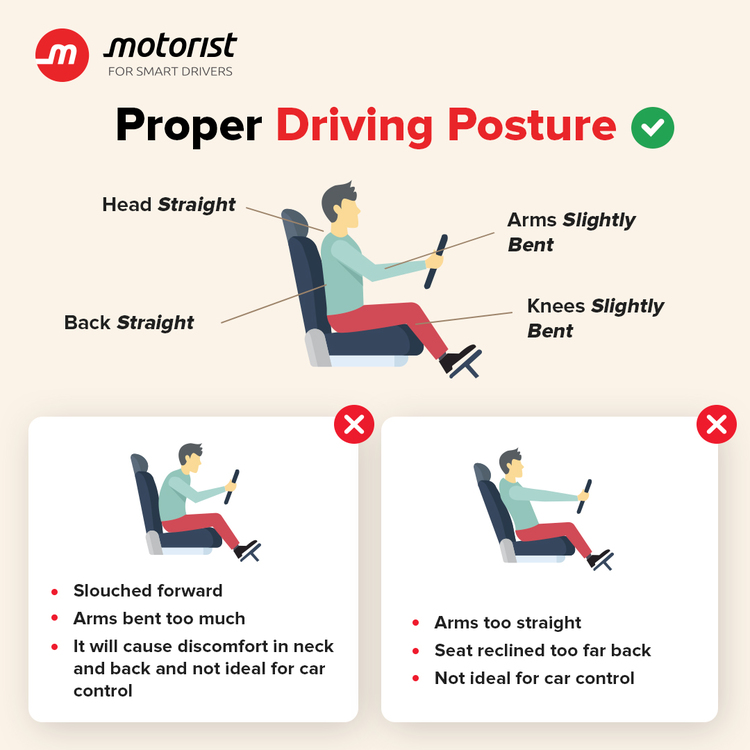
Sitting too close or too far from the pedals is unsafe. Adjust the seat so your feet can easily reach the pedals. Your knees should be slightly bent. You should have enough space to move your legs freely. This helps maintain control over the vehicle.
Backrest Angle
The angle of the backrest affects your posture. Adjust the backrest so your back is supported. Keep the backrest at a comfortable angle. Your elbows should be slightly bent when holding the steering wheel. This reduces strain on your arms and shoulders.
Credit: getdriversed.com
Adjusting The Headrest
The headrest is crucial for comfort and safety in a car. It supports your head and neck, reducing injury risk. Many overlook its importance. Adjusting it correctly enhances your driving experience and safety. Let’s explore how to adjust your car’s headrest properly.
Optimal Height
The headrest should align with the top of your head. This position offers maximum protection during sudden stops or accidents. Check if it’s too low or high. Adjust it until it supports your head and neck. Your head should not tilt forward or backward.
Proper Angle
The headrest’s angle affects comfort and safety. It should be close to the back of your head. Aim for a gap of about two inches. This position minimizes whiplash risk. Adjust it forward or backward for best support. A well-angled headrest reduces neck strain during long drives.
Positioning The Steering Wheel
The steering wheel is crucial for safe driving. It must be adjusted correctly. A well-positioned steering wheel enhances comfort. It also ensures better control on the road. Adjusting it properly can prevent fatigue. Let’s explore how to position it right.
Height And Angle
The height of the steering wheel is important. It should allow a clear view of the dashboard. The angle should be comfortable for the hands. Your wrists should rest on top when arms are extended. This position helps in easy maneuvering.
Adjust the angle for comfort. It should align with your chest. Avoid any strain on the shoulders. A relaxed position helps in longer drives.
Distance From Driver
The distance from the driver is key. Your arms should be slightly bent. This gives better control during turns. It also reduces fatigue in the arms. Ensure the pedals are reachable too. Your feet should press them without strain.
Keep a safe distance from the airbag. This prevents injuries during sudden stops. Adjust until you feel secure and comfortable.
Seatbelt Positioning
Proper seatbelt positioning is crucial for safety in a vehicle. It ensures the seatbelt can protect effectively in a crash. Knowing how to adjust the seatbelt correctly can prevent injuries.
Shoulder Strap Placement
The shoulder strap should rest across the middle of your chest. It should not touch your neck or face. This placement distributes force evenly during a collision. Avoid letting the strap slip under your arm. It reduces the seatbelt’s effectiveness significantly. Make sure the strap does not twist. A twisted strap can cause discomfort and injury.
Lap Belt Fit
The lap belt should lie snugly across your upper thighs. It should not sit on your stomach. This position helps keep you stable. Ensure the belt is tight enough. You should not be able to fit more than a finger’s width between the belt and your body. A loose lap belt can cause internal injuries. Adjust the belt so it fits comfortably yet securely.
Lumbar Support Adjustment
Adjust the lumbar support in your car seat for a comfortable drive. Find the right position to support your lower back. Make small changes until you feel less strain and more comfort.
Adjusting your car seat properly enhances comfort and safety. One key component is the lumbar support adjustment. This feature is crucial for maintaining the natural curve of your spine. It reduces strain during long drives. Correct lumbar support ensures your back feels supported and relaxed. Let’s explore its importance and how to find the right level.Importance Of Lumbar Support
Lumbar support is vital for spinal health. It helps maintain a natural curve in your lower back. Without it, prolonged sitting can lead to pain or discomfort. Proper lumbar support reduces fatigue and improves focus. It supports the spine, reducing strain on muscles. This is essential for long trips.Finding The Right Support Level
Start by sitting in your car seat. Adjust the lumbar support so it fits your lower back’s curve. It should feel firm yet comfortable. You shouldn’t feel any gaps between your back and the seat. Adjust until the pressure feels even. Test it out by driving a short distance. Make small adjustments as needed. Aim for comfort and support in every drive.Mirrors Adjustment For Comfort
Proper mirror adjustment is key to comfortable driving. It ensures a clear view of your surroundings. This reduces stress on your neck and eyes. Adjusting mirrors right boosts safety and comfort.
Every car has side mirrors and a rearview mirror. Knowing how to set them correctly makes driving easier and safer.
Side Mirrors
Position side mirrors to reduce blind spots. Sit in your usual driving position. Move the mirror so you see the edge of your car. This helps you keep an eye on nearby vehicles.
Ensure the mirror shows more road than car. This improves visibility and safety. Adjust both mirrors the same way for balanced coverage.
Rearview Mirror
Keep the rearview mirror aligned with the rear window. Adjust it so you can see the full back windshield. This gives you a clear view of cars behind.
Check the mirror position regularly. It should always reflect the rear window, not the car interior. Proper alignment reduces strain on your neck.
Tips For Long Drives
Long drives can be tiring, especially if your car seat isn’t adjusted well. Proper seat adjustment ensures comfort and helps prevent fatigue. Let’s explore some tips for making your long drives more comfortable.
Taking Breaks
Regular breaks are essential during long drives. Stop every two hours for a quick rest. This allows your body to recover from sitting for long periods. Walking for a few minutes helps improve circulation.
Stretching Techniques
Stretching keeps your muscles relaxed during long drives. Try simple neck stretches to relieve tension. Rotate your shoulders to ease tightness. Extend your legs and flex your feet to reduce stiffness. These techniques help maintain your comfort and alertness.

Credit: www.musicianshealthcollective.com
Common Mistakes To Avoid
Adjusting your car seat is crucial for comfort and safety. Many drivers make common mistakes that lead to discomfort or unsafe driving positions. Avoid these errors to enhance your driving experience and ensure safety on the road.
Ignoring Discomfort
Discomfort while driving can be dangerous. Ignoring it may lead to fatigue. A seat that is too high or low strains the neck. It also causes back pain. Pay attention to any discomfort you feel. Adjust your seat promptly to avoid long-term issues.
Overlooking Small Adjustments
Small adjustments can make a big difference. Many drivers forget about them. Slight changes in seat height improve visibility. Adjusting seat tilt enhances comfort. Even minor lumbar support tweaks relieve back tension. Regularly check and fine-tune these settings. Ensure they meet your needs for a smoother drive.
Frequently Asked Questions
How Do You Adjust A Car Seat For Comfort?
To adjust a car seat for comfort, ensure your back is fully supported. Adjust the seat height for clear road visibility. The seat should be angled slightly back, around 100-110 degrees. Your knees should be slightly bent, and your feet should comfortably reach the pedals without strain.
What Is The Best Seating Position For Driving?
The best seating position ensures both comfort and control. Your seat should support your back, with your shoulders relaxed. Adjust the seat height for a clear view. Your hands should rest on the wheel at a comfortable angle, ideally at the 9 and 3 o’clock positions.
How Close Should You Sit To The Steering Wheel?
Maintain a distance of at least 10 inches from the steering wheel. This distance ensures safety in case of airbag deployment. Your arms should be slightly bent when holding the wheel. Make sure you can comfortably reach all controls without straining.
Why Is Car Seat Adjustment Important?
Proper car seat adjustment enhances comfort, safety, and control. It reduces the risk of fatigue and injury during long drives. Correct positioning ensures you can react swiftly to road situations. It also improves visibility, allowing better judgment and safer driving.
Conclusion
Adjusting your car seat properly is vital for safety. Ensure your seat suits your body. Check seat height and angle for comfort. Adjust the lumbar support for your back. Keep your feet comfortably on the pedals. Maintain a clear view of mirrors and road.
A well-adjusted seat helps prevent fatigue. It also reduces injury risk in accidents. Take time to make these adjustments. Your comfort and safety on the road matter most. Remember these tips for each drive. Prioritize safety and enjoy your journey.


