


What is a Car Seat Made of: Discover the Materials

Have you ever stopped to wonder what exactly makes up the car seat you sit on every day? You might be surprised at how much thought and technology goes into crafting these essential components of your vehicle.
Understanding what a car seat is made of can not only satisfy your curiosity but also guide you in making safer, more informed choices for you and your family. We will unravel the materials and design elements that make car seats both comfortable and safe.
Get ready to discover the hidden world beneath the fabric of your car seat, and gain insights that could change the way you think about your daily drive. Are you ready to dive in?
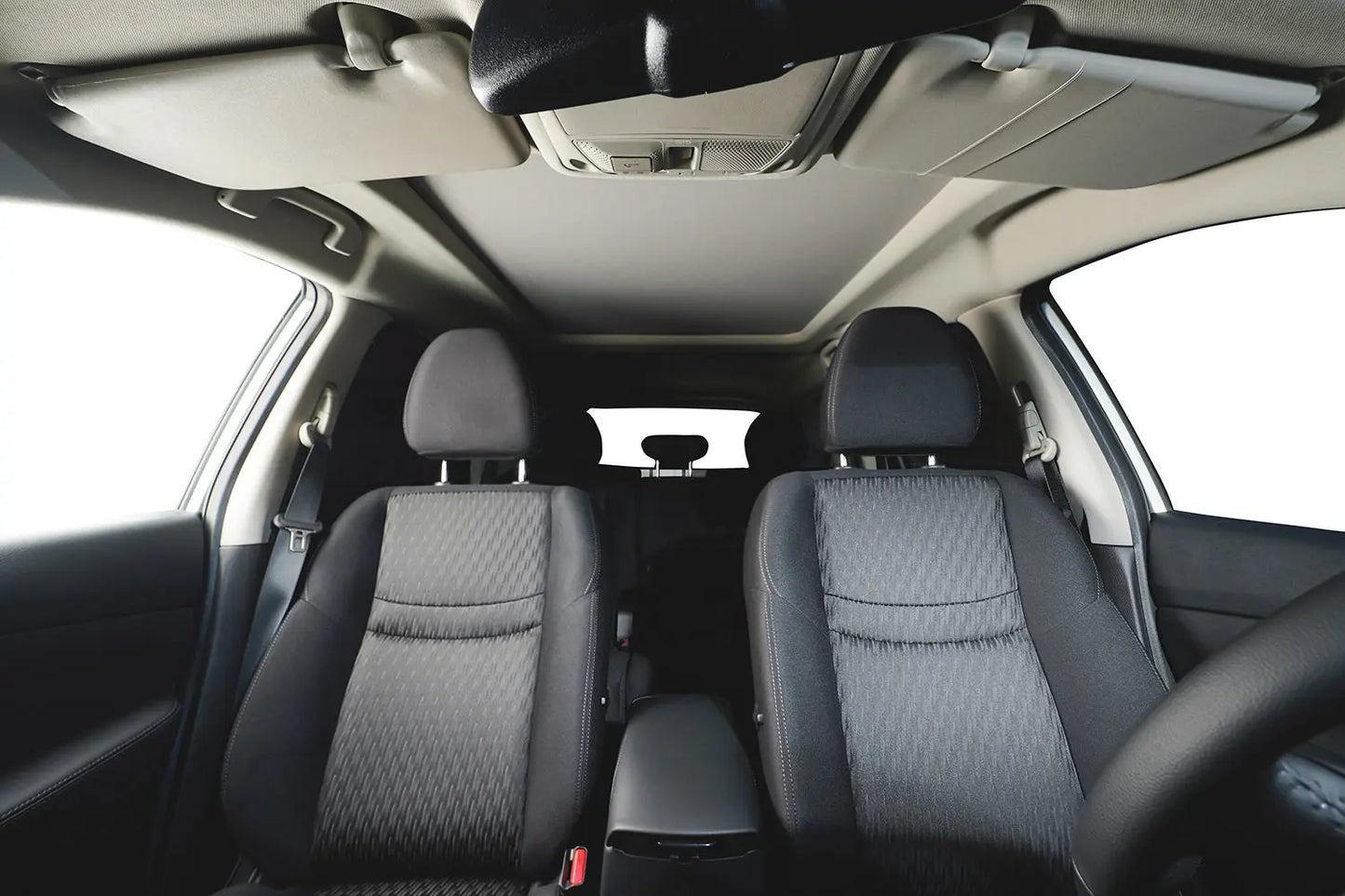
Credit: www.shinearmor.com
Fabric Choices
Choosing the right fabric for a car seat is crucial for comfort and durability. Various materials cater to different tastes and needs. Let’s explore some popular fabric choices for car seats.
Leather
Leather offers a luxurious feel and timeless appeal. It’s known for its durability and easy maintenance. This material can withstand wear and tear better than many others. It also provides a sleek look that enhances a car’s interior.
Cloth
Cloth is a popular choice for its affordability and comfort. It’s soft and breathable, making it perfect for long drives. Cloth car seats are available in a variety of colors and patterns. This allows for personalization that suits any style.
Vinyl
Vinyl is an economical alternative to leather. It mimics the appearance of leather but costs less. Vinyl is easy to clean and resistant to stains. This makes it suitable for families and pet owners. Its durability ensures long-lasting use.
Foam Cushioning
Foam cushioning in car seats provides essential comfort and support. It molds to the body’s shape, offering a pleasant ride. This section explores the types of foam used in car seats.
Polyurethane Foam
Polyurethane foam is a popular choice for car seats. It is lightweight and durable. It offers excellent support for long drives. This foam adapts to various seat designs, ensuring versatility. It maintains its shape over time, providing lasting comfort.
Memory Foam
Memory foam is known for its unique properties. It responds to heat and pressure, contouring to the body. This foam offers personalized comfort, reducing pressure points. It enhances the seating experience, making journeys more enjoyable. Memory foam also returns to its original form, maintaining its supportive nature.
Structural Framework
The structural framework of a car seat forms its backbone. It ensures stability and safety for passengers. Understanding its components reveals how car seats protect us on the road. Let’s break down the essential elements.
Metal Frame
The metal frame is the core of the car seat. It is usually made of steel or aluminum. This gives strength and durability. The frame provides support during accidents. It also keeps the seat in its proper shape. Metal frames ensure that the seat can withstand high impacts.
Plastic Components
Plastic components complement the metal frame. They reduce the overall weight of the seat. These parts include the shell and base of the seat. Plastics are flexible and absorb energy during collisions. This reduces the force on passengers. They are molded to fit the design perfectly. This ensures comfort and safety.
Padding Materials
Car seats offer safety and comfort for both children and adults. Padding materials play a crucial role in ensuring this comfort. The padding inside the seat makes the ride cozy. Let’s explore the common materials used for padding.
Cotton
Cotton is a natural fiber. It is soft and breathable. This makes it a popular choice for car seat padding. Cotton absorbs moisture, keeping the seat dry. It is also hypoallergenic. This means it is gentle on sensitive skin. Cotton padding provides a comfortable experience for long drives.
Polyester
Polyester is a synthetic material. It is durable and cost-effective. Polyester padding is resistant to wrinkles and shrinking. It retains its shape over time. This material is easy to clean. It dries quickly. Polyester provides a firm and supportive seat. It is a common choice for many car manufacturers.
Safety Features
Safety features in car seats are vital for protecting passengers. These features ensure that occupants remain secure during travel. Manufacturers design car seats with various safety elements to reduce injury risks. Understanding these features helps in choosing the right seat for safety.
Airbags
Airbags are essential in car seats for added protection. They deploy during collisions to cushion impacts. Side airbags protect the torso. They prevent injuries during side impacts. Some seats have airbags in the seatbelt. These reduce force on the chest during an accident. Airbags are strategically placed to protect vulnerable areas.
Reinforced Headrests
Reinforced headrests support the neck and head. They are crucial in rear-end collisions. These headrests minimize whiplash injuries. Adjustable designs offer better comfort and fit. Reinforcement ensures durability and strength. Proper positioning enhances the protective capability. Headrests are a key element in car seat safety.
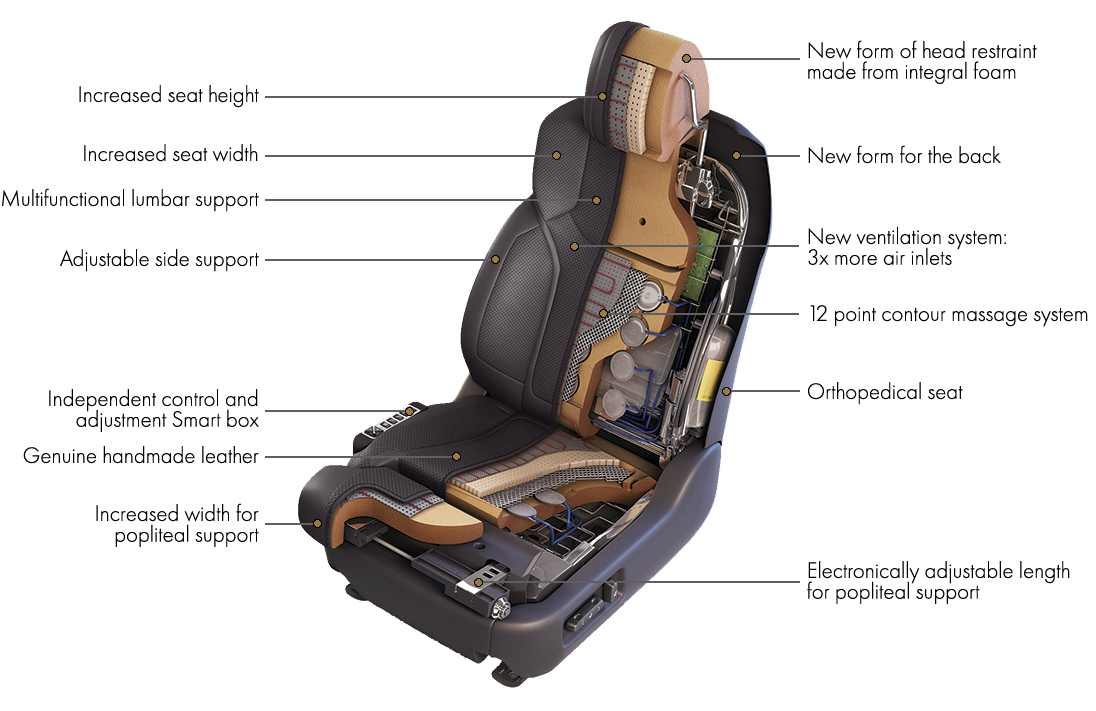
Credit: www.mbs-seats.net
Environmental Considerations
Car seats are evolving with a focus on the environment. Manufacturers now prioritize sustainability, aiming to reduce their carbon footprint. This shift involves using materials that are less harmful to the earth.
These efforts include using recycled materials and eco-friendly fabrics. This approach helps in conserving resources and reducing waste.
Recycled Materials
Many car seats now feature components made from recycled materials. Plastic waste is transformed into durable seat frames. This process reduces landfill waste and conserves energy.
Metal parts are often sourced from recycled metals. This reduces the need for new mining activities. It also cuts down on energy consumption during production.
Eco-friendly Fabrics
Car seat covers often use eco-friendly fabrics. These fabrics include organic cotton and bamboo fibers. These materials are biodegradable and reduce chemical use.
Natural dyes are replacing chemical dyes in some cases. This change lowers pollution and improves air quality. Eco-friendly fabrics also offer comfort and durability.
Technological Integrations
Car seats have evolved with technology. Not just for comfort, but for convenience too. Modern car seats include advanced features. These features enhance driving experiences. Technological integrations in car seats are now standard in many vehicles.
Heating Elements
Heating elements are embedded in car seats. They provide warmth during cold weather. The heat is adjustable to suit preferences. Electric wires generate the warmth. This keeps drivers comfortable on chilly days. Many cars now offer heated seats as a feature.
Cooling Systems
Cooling systems are crucial in hot climates. They prevent sweating during long drives. Cool air circulates through the seat fabric. Special fans help distribute the cool air evenly. This makes car journeys pleasant during summer. Cooling systems are becoming more common in new cars.

Credit: www.skoda-storyboard.com
Frequently Asked Questions
What Materials Are Used In Car Seats?
Car seats are typically made from foam, fabric, and plastic. Foam provides cushioning, while fabric offers comfort and durability. Plastic parts, like the frame, ensure structural integrity. Some premium car seats may include leather or synthetic materials for added luxury and style.
Are Leather Car Seats Better Than Fabric Ones?
Leather car seats are often considered more luxurious and stylish. They are durable and easy to clean, but can be expensive. Fabric seats are more affordable and comfortable in varying temperatures. Choosing between them depends on personal preference, budget, and maintenance willingness.
How Is Foam Used In Car Seats?
Foam is essential for comfort and support in car seats. It helps distribute weight evenly, reducing pressure points. Different densities of foam are used to provide varying levels of support and cushioning. Foam also absorbs impact, enhancing passenger safety during sudden stops or collisions.
Why Are Car Seats Made With Plastic Frames?
Plastic frames in car seats provide strength and flexibility. They are lightweight, contributing to fuel efficiency. Plastic is also cost-effective and resistant to corrosion, unlike metal. These frames are designed to withstand impact, ensuring passenger safety during accidents.
Conclusion
Car seats blend comfort and safety. Made of strong plastic frames and foam. These materials ensure durability and protection. Fabrics add comfort and style. Each component serves a purpose. Safety standards guide design and material choices. Manufacturers test for strength and resilience.
Quality is key in car seat production. Choosing the right materials impacts performance. Always check for certified safety features. Understanding what makes a car seat helps in choosing wisely. Prioritize safety and comfort for every ride. Let your choice reflect care and responsibility.
Safe travels with well-made car seats!


