


How to Buckle Baby in Car Seat: Essential Safety Tips

Ensuring your little one’s safety during car rides is a top priority, and knowing how to buckle your baby in a car seat correctly is crucial. You might find yourself overwhelmed by the straps and buckles, especially with the pressure to get it just right.
But don’t worry; you’re not alone! This guide is here to simplify the process for you. Imagine the peace of mind you’ll feel knowing your baby is secure and safe. Stick with us as we walk you through each step, offering tips and tricks to make buckling your baby in a breeze.
Ready to turn car seat confusion into confidence? Let’s get started!
Choosing The Right Car Seat
Securing your baby safely in a car seat is crucial. Gently place your baby in the seat, ensuring their back rests against it. Fasten the harness snugly, with the chest clip at armpit level. Always check the fit to keep your little one safe during every ride.
Selecting the correct car seat ensures your baby’s safety during travel. Safety is the top priority for every parent. Choosing the right seat can feel overwhelming with many options available. Understanding the basics helps make an informed decision. The right car seat protects your child in case of an accident. It also provides comfort during journeys. Let’s dive into the essential aspects of choosing the right car seat.Types Of Car Seats
Car seats come in three main types. Infant car seats are designed for newborns. They face the rear of the vehicle. Convertible car seats grow with your child. These can face both rear and forward directions. Booster seats are for older children. They use the car’s seat belt for safety. Each type serves a specific age and weight range. Understanding these types helps you choose wisely.Age And Weight Guidelines
Age and weight guidelines help you pick the right car seat. Infant seats support babies up to 20 pounds. Convertibles fit children from 5 to 65 pounds. Boosters are for kids over 40 pounds. Always check the manufacturer’s guidelines. These provide specific age and weight limits. Ensure the seat fits your child’s current size. Regularly update the seat as your child grows. Proper fit ensures safety and comfort. `Proper Installation Techniques
Ensuring your baby’s car seat is properly installed is crucial for safety. Incorrect installation can lead to serious risks during car rides. The right techniques make all the difference. Let’s explore these techniques step by step.
Securing The Base
The base of the car seat must be stable. Place it on the car seat with care. Make sure it doesn’t move more than an inch. Use your body weight to press it down. Tighten the straps until the base is secure. Check that the angle indicator is correct. This ensures your baby’s comfort and safety.
Using Latch System Or Seat Belt
The LATCH system offers a straightforward installation. Locate the lower anchors in your vehicle. Attach the connectors from the car seat to these anchors. Ensure they click in place securely. Tighten the straps firmly.
If using a seat belt, thread it through the car seat’s belt path. Buckle it and pull tight. Ensure there’s no slack in the belt. Lock the seat belt to keep it secure. Test the seat by moving it side to side. It should not shift more than an inch. Always double-check your work.
Adjusting Harness Straps
Ensure your baby’s safety by adjusting harness straps snugly. Straps should lie flat and secure across the shoulders and chest. Properly buckling the car seat prevents sliding and keeps your baby safe during travel.
Adjusting the harness straps correctly ensures your baby’s safety in the car. Parents often overlook this critical step. A well-adjusted harness can prevent injuries. It keeps your baby secure during sudden stops or accidents. Let’s delve into the essential aspects of adjusting these straps for the perfect fit.Setting Correct Strap Height
The harness straps should be at the right height. For rear-facing seats, align straps at or below shoulder level. In forward-facing seats, position them at or above shoulder height. Check the manual for specific instructions. Correct strap height ensures the harness holds your baby snugly.Achieving Snug Fit
A snug fit is crucial. The straps should lie flat without twisting. Pull the harness tight. You shouldn’t pinch any slack at the shoulder. A snug harness distributes crash forces evenly. It keeps your baby secure and comfortable. Regularly check and adjust the fit as your baby grows.
Credit: brennaheater.com
Positioning The Baby
Properly securing your baby in a car seat ensures their safety. Always check the harness is snug and flat. Make sure the chest clip is at armpit level. Position the car seat according to the manufacturer’s instructions for optimal protection.
Positioning your baby correctly in a car seat ensures their safety. The process involves careful attention to detail. This helps in providing comfort during travel. Proper positioning reduces the risk of injury during an accident.Aligning With Harness
Make sure the harness is at the right height. It should be at or below the baby’s shoulders. This keeps your baby secure. Ensure the harness is snug. You should not pinch any slack. A firm harness prevents unwanted movement. The straps must lay flat. Twisted straps can cause discomfort. They might also reduce safety.Head And Neck Support
A newborn’s head needs extra support. Use the car seat’s headrest if available. It keeps the head steady. If needed, add rolled-up blankets on the sides. Avoid placing anything behind the baby’s head. It may push the head forward. This can block the airway. Check that the baby’s chin is not on the chest. The head should stay in a neutral position. This ensures easy breathing.Common Mistakes To Avoid
Ensuring your baby’s safety in the car is crucial. Buckling them correctly in a car seat is important, but mistakes can happen. Understanding common errors helps in securing your little one safely. Let’s explore some frequent mistakes to avoid.
Loose Harness Straps
Loose straps can compromise your baby’s safety. Always check the harness tightness before any journey. A simple test is the pinch test. Try pinching the strap near the shoulder. If you can pinch fabric, it’s too loose. Adjust until snug.
Ensure the harness is at or below the shoulders. This prevents slipping out during a sudden stop. Regularly check the harness for wear and tear. Damaged straps may not hold securely.
Incorrect Angle Of Car Seat
The angle of the car seat is vital for safety. Too upright can cause discomfort or breathing issues. Most infant seats have indicators for correct angle. Use these guides to position correctly.
Recline the seat as per the instructions. This keeps your baby’s airway open. Check the base level indicator after installation. Adjust as needed for a safe ride.
A proper angle ensures your baby is comfortable and secure. Always read the manual for your specific seat model. Each seat may have unique requirements.

Credit: www.youtube.com
Weather Considerations
Securing your baby in a car seat requires special care. Weather conditions play a vital role in ensuring their comfort and safety. Cold weather often presents challenges. Parents need to ensure their little ones stay warm without compromising safety. Hot weather also has its own issues. Staying informed about weather-related considerations can help in buckling your baby correctly.
Avoiding Bulky Clothing
Bulky winter clothing can interfere with car seat straps. The straps must be snug to protect your baby. Thick coats create gaps between your baby and the harness. This makes the harness less effective. Dress your baby in layers instead. Thin layers keep them warm without adding bulk. Once secured, cover them with a blanket over the harness.
Using Car Seat Covers Safely
Car seat covers are useful in cold weather. They keep your baby warm without affecting the harness. Choose covers designed for car seats. Ensure they do not interfere with the harness system. Covers should not go between your baby and the seat. Opt for those that drape over the seat instead. This maintains the integrity of the harness system.
Regular Safety Checks
Ensuring your baby’s safety during car rides involves regular checks of the car seat. Always fasten the harness snugly and secure the chest clip at armpit level. Check the seat’s angle and stability to keep your child safe and comfortable.
Regular safety checks ensure your baby’s car seat is secure. Regular checks prevent wear and tear from compromising safety. They keep the seat stable and functioning properly. This section covers essential safety checks for your baby’s car seat.Inspecting For Wear And Tear
Check the fabric for frays or tears. Examine the straps for any signs of damage. Look for cracks in the plastic parts. Damaged parts can reduce the seat’s effectiveness. Replace any worn parts immediately. This ensures your child stays safe during every ride.Ensuring Seat Stability
Check the base of the car seat. It should not move more than an inch. Test the seat’s stability by shaking it gently. If it moves too much, adjust it or reinstall. A stable seat is crucial for your child’s safety. Confirm the seat is locked in place securely. Regular checks guarantee peace of mind for parents.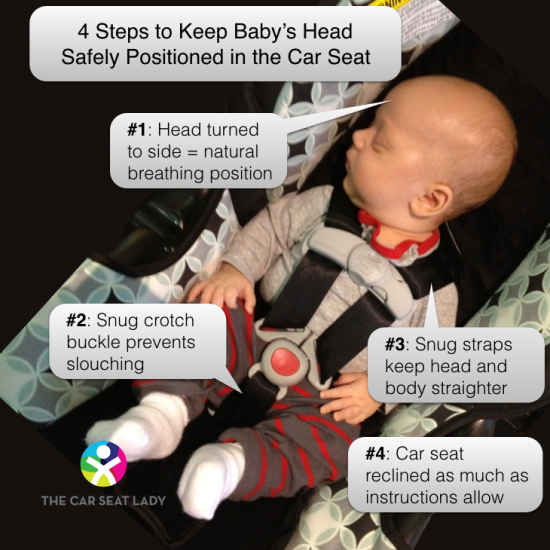
Credit: thecarseatlady.com
Legal Requirements And Guidelines
Ensuring your baby is safely buckled in a car seat is crucial. Knowing the legal requirements and guidelines helps in protecting your child. Each state may have different rules. It’s essential to understand these regulations to ensure compliance. Always stay informed about the latest safety standards.
State Laws On Car Seats
Each state in the U.S. has its car seat laws. These laws specify age, weight, and height requirements. Some states require rear-facing seats for children under two. Others may have different age limits. Check your state’s specific regulations. This ensures your child’s safety and avoids penalties.
Expiration Dates And Recalls
Car seats have expiration dates. These dates ensure the seat’s safety and effectiveness. Always check the label for this information. Using an expired seat can compromise safety. Car seat recalls are also important to monitor. Manufacturers recall seats if they find defects. Register your car seat with the manufacturer. This ensures you receive recall notifications promptly.
Frequently Asked Questions
How Do I Position Baby In Car Seat?
Place your baby in the car seat with their back straight against the seat. Ensure the baby’s bottom is all the way back. Their shoulders should be level with the harness slots. Adjust the harness straps so they fit snugly but comfortably around the baby.
What’s The Safest Harness Type For Babies?
The five-point harness is the safest type for babies. It secures the baby at shoulders, hips, and between the legs. This design distributes forces from a crash more evenly across the baby’s body. Always ensure the harness is tightly fastened and adjusted properly.
How Tight Should Car Seat Straps Be?
Car seat straps should be snug but not overly tight. You should not be able to pinch the strap material at the shoulder. The harness should lie flat and not twist. Proper strap tightness prevents the baby from moving around too much during travel.
Can I Use Bulky Clothing In Car Seat?
Avoid using bulky clothing or blankets in the car seat. Bulky items can interfere with harness fit and effectiveness. Dress your baby in thin layers and use blankets over the harness if needed. Proper harness fit ensures maximum safety during travel.
Conclusion
Securing your baby in a car seat is crucial. Follow the steps carefully. This ensures your baby’s safety on the road. Practice makes it easier over time. Always double-check the straps and buckles. Adjust the seat according to your baby’s size.
Check the car seat manual if unsure. Your baby’s comfort and safety come first. Remember, a secure fit protects your child best. Regularly inspect the car seat for any wear. Stay informed about car seat safety updates. Keeping your baby safe during travel is important.
Safe travels with your little one!


