

How to Fix Car Seat Recliner Handle: Quick Solutions

Are you frustrated with a car seat recliner handle that just won’t cooperate? You’re not alone.
Many drivers face this annoying issue, which can turn a simple drive into an uncomfortable ordeal. Imagine leaning back to relax, only to feel stuck in a rigid, uncomfortable position. It’s enough to make anyone cringe. But what if I told you that fixing this problem might be easier than you think?
By the end of this guide, you’ll have the know-how to tackle this pesky issue with confidence. Keep reading to discover straightforward steps that could save you both time and money, while restoring the comfort you deserve on the road. Your journey to a more comfortable drive starts here.
Common Causes Of Recliner Handle Problems
Car seat recliner handles can stop working properly. It’s frustrating when they do. Understanding why can help you fix them.
1. Wear And Tear
Frequent use can cause damage. Parts become worn out over time. This is common with older cars.
2. Misalignment
Handles can get misaligned. This happens if they are forced too hard. Check if the handle is positioned correctly.
3. Broken Components
Internal parts can break. Springs or gears might snap. Inspect for visible damage inside.
4. Loose Connections
Connections can loosen. Bolts or screws may need tightening. Ensure everything is secure.
5. Dirt And Debris
Dust can build up. This may block movement. Clean the area around the handle regularly.
Essential Tools For Repair
Repairing a car seat recliner handle can be simple. The right tools make the process smoother. Knowing which tools to use saves time and prevents frustration. This guide helps you gather essential tools for the task.
1. Phillips Screwdriver
Use a Phillips screwdriver to remove screws holding the handle. It fits perfectly into the cross-shaped slots. Ensure the screwdriver size matches the screw head. This prevents damage and ensures a snug fit.
2. Flathead Screwdriver
A flathead screwdriver helps pry open covers or panels. Use it carefully to avoid scratching surfaces. It’s handy for loosening tight areas. Choose a screwdriver with a comfortable grip for better control.
3. Needle Nose Pliers
Needle nose pliers are great for gripping small parts. They help in pulling out pins or clips. Their pointed tips provide precision in tight spaces. Always check the pliers for rust or damage before use.
4. Socket Set
A socket set is crucial for loosening bolts. It includes various sizes to fit different nuts. Ensure you have both metric and standard sockets. A ratchet handle offers better leverage and ease of use.
5. Lubricant Spray
Lubricant spray helps loosen stiff parts. It reduces friction and ensures smooth movement. Spray lightly on moving parts for best results. Choose a spray that doesn’t leave residue.
6. Cleaning Cloth
A cleaning cloth wipes away dirt or grease. Use it to clean parts before reassembly. A microfiber cloth works best for delicate surfaces. Keep it handy for quick cleanups.
7. Flashlight
A flashlight illuminates dark areas under the seat. It helps spot hidden screws or clips. Choose a flashlight with adjustable brightness. Always check the battery before starting repairs.
With these tools, fixing your car seat recliner handle becomes easier. Ensure each tool is in good condition before use. Proper tools lead to efficient and successful repairs.
Diagnosing The Issue
Identifying the problem with your car seat recliner handle is essential. A malfunctioning handle can cause discomfort during drives. Before fixing it, understand the exact issue. This saves time and effort.
Inspecting The Handle Mechanism
Start by examining the handle itself. Check for visible cracks or breaks. A damaged handle might not work properly. Ensure the handle moves smoothly without resistance. Difficulty in movement indicates an internal problem. Consider the age of the handle. Older handles might wear out over time.
Checking For Loose Connections
Loose connections can disrupt the handle’s function. Ensure all screws and bolts are tight. A loose screw can prevent the handle from working. Gently wiggle the handle. If it feels loose, tighten the connections. Look for disconnected parts within the mechanism. Reattach any displaced components to restore function.

Credit: www.amazon.com
Step-by-step Repair Guide
Repairing a car seat recliner handle might seem daunting. With the right steps, it becomes manageable. This guide simplifies the repair process. Follow these steps to restore your car seat’s function.
Removing The Seat For Access
Start by sliding the seat to its farthest position. This gives more room to work. Locate the bolts holding the seat in place. Use a wrench to remove these bolts carefully. Lift the seat out of the car. Place it on a flat surface for better access.
Repairing Or Replacing The Handle
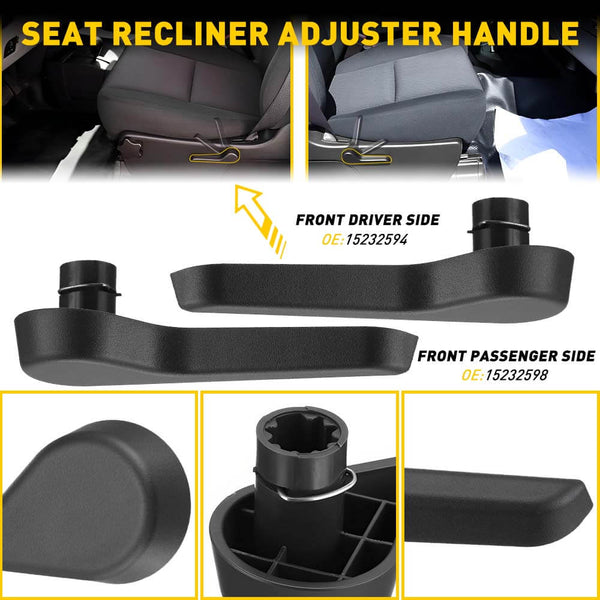
Inspect the recliner handle for damage. If broken, replacement is often the best choice. Purchase a matching handle from an auto parts store. If the handle is intact, check for loose screws or connections. Tighten any loose parts. Ensure the mechanism moves smoothly.
Reassembling The Seat
Position the seat back in its original spot. Align the seat tracks with the floor bolts. Secure the seat with the removed bolts. Tighten each bolt to prevent movement. Test the recliner handle for smooth operation. Make sure the seat adjusts correctly before driving.
Preventive Maintenance Tips
Maintaining your car seat recliner handle ensures its longevity and smooth function. Regular preventive maintenance can save time and prevent costly repairs. The following tips will help keep your car seat recliner handle in top shape.
Regular Lubrication
Lubricate the recliner handle joints to keep them moving smoothly. Use a silicone-based lubricant. It lasts longer and resists dirt. Apply lubricant every few months to prevent stiffness. Avoid using too much; it can attract dust.
Periodic Inspections
Inspect the recliner handle regularly. Look for signs of wear and tear. Check the screws and bolts for tightness. Loose parts can lead to damage. Inspect the handle mechanism for any rust. Rust can cause the handle to stick.

Credit: www.youtube.com
When To Seek Professional Help
Fixing a car seat recliner handle can be a straightforward task. Sometimes, though, the problem might be more complex than it appears. Knowing when to seek professional help is crucial. This ensures the safety and comfort of your vehicle.
Signs You Need Professional Assistance
If the recliner handle is broken, a simple fix might not work. A professional can assess the damage properly. Strange noises when adjusting the seat might indicate deeper issues. Professionals have the tools to diagnose the problem.
Complex Mechanisms
Modern car seats have intricate systems. These systems control movement and recline features. If you lack mechanical expertise, fixing these can be challenging. A professional knows how to handle complex mechanisms safely.
Safety Concerns
Proper seat function is vital for safety. Loose or malfunctioning handles can pose risks during a drive. If the seat feels unstable, seeking professional help is wise. Safety should never be compromised.
Lack Of Time Or Tools
Not everyone has the time to fix car parts. Sometimes, you might not have the right tools. Professionals have both the tools and time. They can repair the recliner handle efficiently.
Warranty Considerations
Working on the recliner handle yourself might void the warranty. Check your car’s warranty terms before attempting repairs. Professional services often preserve warranty coverage.
Persistent Issues
If the recliner handle problem persists, professional help is needed. Persistent issues can lead to bigger problems later. A professional ensures the issue is thoroughly resolved.
Credit: auxito.com
Frequently Asked Questions
How Do I Identify A Broken Recliner Handle?
To identify a broken recliner handle, inspect for visible damage or missing parts. Try operating the handle to check for stiffness or unusual resistance. If the seat doesn’t recline, it’s likely the handle mechanism is faulty. Examine connections and screws for any looseness or wear.
Can I Fix A Recliner Handle Myself?
Yes, you can fix a recliner handle yourself. Start by gathering necessary tools like screwdrivers and replacement parts. Follow a step-by-step guide to dismantle the seat components. Check the handle mechanism for wear or damage. Replace faulty parts and reassemble carefully, ensuring secure fittings.
What Tools Are Needed For Repair?
For repairing a car seat recliner handle, you’ll need basic tools. Essential tools include screwdrivers, pliers, and possibly a wrench. Ensure you have replacement parts specific to your car model. A manual or guide can be helpful for precise instructions.
Safety gear is recommended for protection.
How Much Does Professional Repair Cost?
Professional repair costs vary based on damage extent and labor rates. Typically, costs range from $50 to $150. Factors include vehicle model and parts availability. Contact local repair shops for quotes. DIY repairs may save money if you’re comfortable with the process and tools.
Conclusion
Fixing a car seat recliner handle might seem tricky. But, with patience and the right tools, it’s doable. Start by identifying the problem. Then, gather the necessary tools. Follow the steps carefully to avoid mistakes. Remember to test the handle after repairs.
Ensure it works smoothly. If issues persist, consult a professional. Regular maintenance can prevent future problems. Keep your car seat in top shape. This helps in comfort and safety. A properly working recliner handle enhances your driving experience. Stay proactive and attentive to small repairs.
Your car seat will thank you.