


How to Install a Car Seat With a Seat Belt: Expert Guide

Imagine the peace of mind you feel knowing your child is safe and secure in their car seat. You want to ensure every trip is a safe one, right?
Installing a car seat with a seat belt might seem tricky at first, but with the right guidance, you can do it confidently and correctly. This article is designed to be your ultimate guide in this process. It will not only show you the step-by-step approach but also share tips to make sure your car seat is installed perfectly.
Dive in and discover how easy it can be to guarantee your little one’s safety on the road. After all, their safety is your top priority, and you deserve to feel secure every time you buckle them in.
Choosing The Right Car Seat
Choosing the right car seat is crucial for your child’s safety. It’s not just about picking any seat, but the one that suits your child’s age, weight, and height. This decision impacts the safety and comfort during every car ride.
Types Of Car Seats
There are several types of car seats available. Infant car seats are designed for newborns and young babies. Convertible car seats can be adjusted as your child grows. Booster seats are meant for older children who have outgrown their car seats. Each type serves different age and weight ranges, ensuring optimal protection.
Safety Standards
Safety standards are essential when selecting a car seat. Always look for seats that meet or exceed federal safety guidelines. They should have labels indicating compliance with national safety requirements. Check for features like side-impact protection and five-point harness systems. These features enhance security and keep your child safe during travel.

Credit: strolleria.com
Preparing For Installation
Proper car seat installation begins with preparation. A safe journey starts here. Take time to get ready for this task. It ensures your child’s safety.
Reading The Manual
First, locate the car seat manual. It’s a crucial step. Every car seat is different. The manual provides detailed instructions. Follow these instructions carefully. It ensures correct installation.
Keep the manual nearby. Refer to it as needed. It answers many common questions. Manuals also show specific features. Understand these features before you start.
Selecting The Right Seat Position
Choose the right spot in your car. The back seat is safest. Install the car seat there. Avoid the front seat. Airbags can be dangerous for kids.
Check your car’s manual too. It suggests the best locations. Some cars have specific guidelines. Follow these for maximum safety.
Installing The Car Seat
Installing a car seat correctly is vital for your child’s safety. Ensuring a secure fit can prevent accidents and injuries. Follow these steps for a safe installation.
Positioning The Car Seat
First, place the car seat on the back seat. It should face the right direction, based on your child’s age and size. Rear-facing is safest for infants. Forward-facing suits older children. Ensure the car seat base lies flat on the car seat.
Threading The Seat Belt
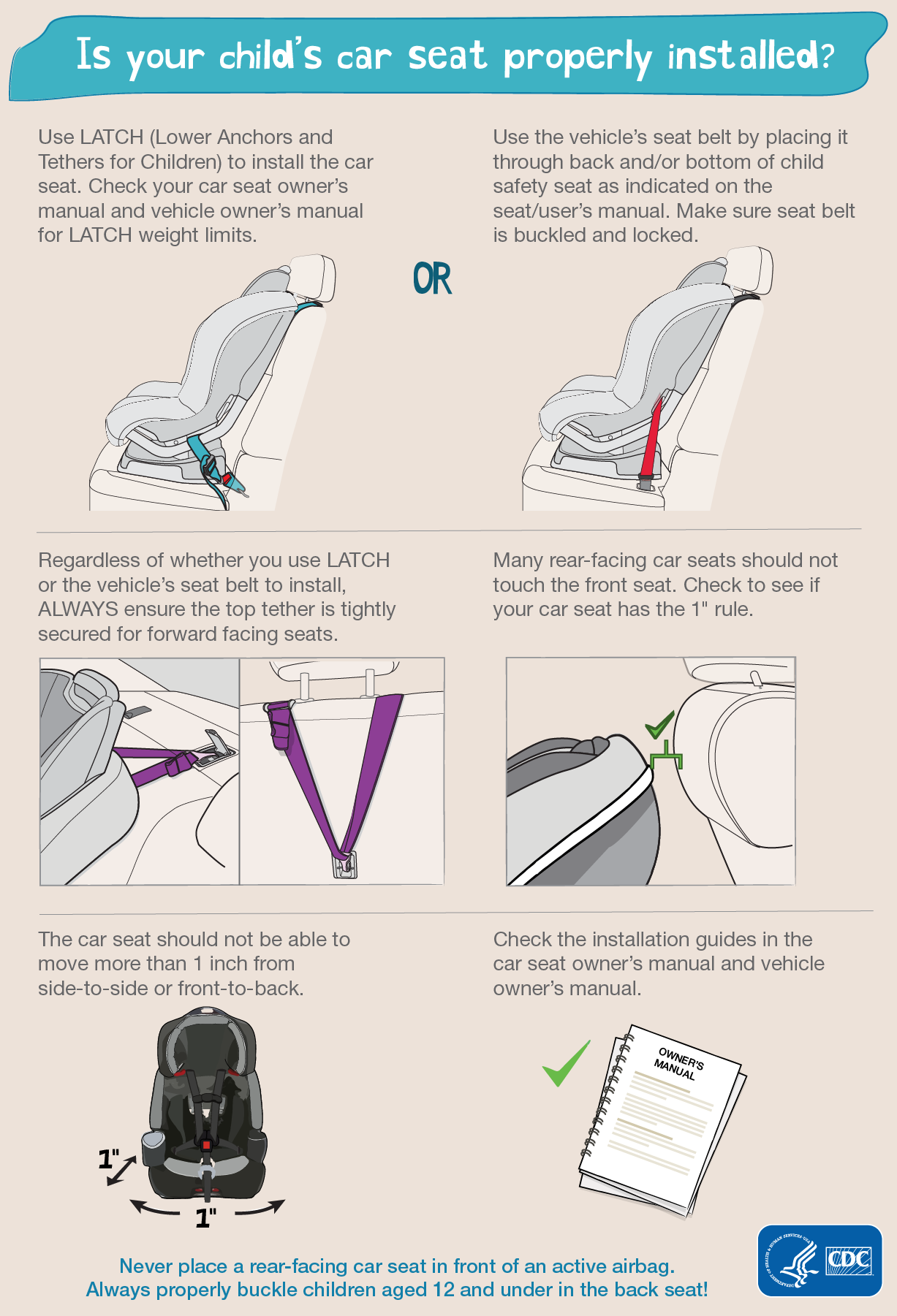
Find the seat belt path on the car seat. Thread the car’s seat belt through this path. Pull the seat belt across the car seat. Ensure the belt is not twisted. A straight belt ensures better security.
Locking The Seat Belt
To lock the seat belt, pull it out completely. This engages the locking mechanism. Slowly let the belt retract. You should hear a clicking sound. Check the belt by pulling it tight. It should not move more than an inch. This ensures the car seat is stable.
Ensuring A Secure Fit
Ensuring a secure fit for your car seat is crucial. It guarantees the safety of your child. Proper installation reduces risks during sudden stops or accidents. Follow these steps to achieve a firm and secure setup. Your child’s safety depends on it.
Checking For Movement
After installing the car seat, test its stability. Grab the seat at its base. Try to move it side to side and front to back. It should not shift more than an inch. Excess movement can mean improper installation. Ensure the seat belt is tightly fastened. A snug fit keeps the car seat in place.
Adjusting The Recline Angle
The recline angle affects your child’s comfort and safety. Check the car seat manual for the correct angle. Use the built-in recline indicator on the seat. Adjust the angle until it matches the recommended position. A correct recline prevents the child’s head from tipping forward. This ensures a safe and comfortable ride.
Common Mistakes To Avoid
Installing a car seat with a seat belt can be tricky. Many parents make common mistakes that can affect safety. Understanding these errors helps ensure your child’s safety.
Loose Installation
A loose car seat can be dangerous. Always check the seat’s tightness. Press down on the seat and pull the belt tight. The seat should not move more than an inch. Use your weight to press the seat down while tightening. A snug fit keeps the seat secure.
Incorrect Belt Path
Using the wrong belt path is a common mistake. Each car seat has a specific belt path. Check the seat’s manual for guidance. Thread the seat belt through the correct path. This ensures the seat is secure. Double-check the path before securing the belt.
Credit: www.cdc.gov
Regular Maintenance
Regular maintenance of a car seat is crucial for safety. It ensures the seat functions well during every ride. Keeping the car seat in top condition protects your child. It also extends the life of the seat. Routine checks and cleaning are key parts of maintenance.
Routine Checks
Inspect the car seat regularly. Check the seat belt for signs of wear. Look for fraying or damage. Ensure the buckle clicks securely. Tighten any loose straps. Examine the seat shell for cracks. Make sure the seat is securely attached to the car. Test the recline angle. Adjust if needed. These checks ensure safety.
Cleaning Tips
Clean the car seat often. Use a damp cloth for wiping. Remove crumbs and dirt. Avoid harsh chemicals. They can damage the fabric. Check the manual for cleaning instructions. Some covers are machine washable. Others need hand washing. Air dry to prevent shrinkage. Keep the seat fresh and hygienic.
Additional Safety Tips
Ensuring your child’s safety is the priority when installing a car seat. While seat belts are crucial, additional safety measures enhance protection. These tips provide extra security for your peace of mind.
Using Tethers
Tethers prevent car seats from tipping forward in a crash. Always attach the tether strap to the designated anchor point in your car. Check your vehicle manual for the exact location. Make sure the tether is snug and secure.
Inspect the tether strap regularly. Look for frays or signs of wear. Replace damaged straps immediately. A secure tether means extra protection in sudden stops or accidents.
When To Upgrade
Car seats have weight and height limits. Monitor your child’s growth closely. Upgrade the seat once your child exceeds these limits. A snug fit ensures optimal safety.
Consider your child’s age too. Transition to booster seats when they outgrow their current car seat. Booster seats offer better seat belt positioning. Always adhere to safety regulations for your child’s age and size.

Credit: www.youtube.com
Frequently Asked Questions
How Do I Secure A Car Seat With A Seat Belt?
To secure a car seat with a seat belt, first position the seat correctly. Thread the seat belt through the designated path on the car seat. Ensure it is tight and locked. Finally, check the car seat for any movement.
It should not move more than an inch side-to-side or front-to-back.
What Is The Safest Position For A Car Seat?
The safest position for a car seat is the back seat, away from active airbags. Ideally, place it in the middle position, as it’s the furthest from potential impact zones. Always follow your car and car seat manufacturer’s instructions for best placement recommendations.
Can I Use Any Seat Belt With A Car Seat?
Not all seat belts are compatible with all car seats. Always check your car seat manual for compatibility requirements. Ensure the seat belt locks tightly to prevent movement. If unsure, consult with a car seat technician or your vehicle’s manual for guidance.
How Tight Should The Seat Belt Be?
The seat belt should be tight enough that the car seat does not move more than an inch. Pull the seat belt to remove any slack after threading it through the car seat. A tightly secured seat belt ensures the car seat remains in place during sudden stops or collisions.
Conclusion
Installing a car seat with a seat belt is crucial. It ensures child safety on the road. Follow the steps carefully. Double-check each connection for security. Practice makes it easier and faster. Remember to read the car seat manual. Every seat may have different instructions.
Ask for help if needed. Safety comes first. Keep your child secure in every ride. Share these tips with other parents. A secure car seat can save lives. Always prioritize your child’s protection. Stay informed and drive safely.


