

How to Fix Car Seat Belt: Easy DIY Solutions

Your car seat belt is one of the most crucial safety features in your vehicle. It protects you and your loved ones every time you hit the road.
But what happens when it stops working properly? Whether it’s a simple twist or a more complex issue, a faulty seat belt can be both frustrating and dangerous. You might find yourself wondering if you can fix it yourself or if you need to call in a professional.
Don’t worry—this article will guide you through some easy steps to fix your car seat belt. You’re about to discover how simple adjustments can make a big difference, ensuring your safety and peace of mind. Keep reading to learn how you can tackle this issue and get back to driving with confidence.
Credit: www.youtube.com
Common Seat Belt Issues
Car seat belts are essential for safety. Yet, they often face issues. Common problems can make seat belts ineffective. Fixing them ensures proper function and safety.
Stuck Seat Belt
A stuck seat belt is frustrating. It might not pull out smoothly. Check the buckle area first. Dirt or debris can block it. Clean it gently with a damp cloth. Ensure the belt is not twisted. Twists can cause a jam. Pull the belt slowly and straighten it.
Slow Retraction
Slow retraction happens often. The belt feels sluggish when retracting. Clean the belt thoroughly. Dust and grime can slow it down. Use a mild soap solution. Wipe the belt gently. Let it dry completely. Check the retractor mechanism. Lubricate it lightly if needed.
Twisted Belt
A twisted belt is common. It impacts comfort and function. Unbuckle the belt first. Pull it completely out. Identify the twisted section. Hold the buckle and twist the belt. Straighten it carefully. Ensure it’s flat and smooth. Test it by pulling and retracting.
Tools Needed For Repair
Fixing a car seat belt requires the right tools. Having these tools ready ensures a smooth repair process. This section discusses the essential tools needed for a successful seat belt fix.
Basic Toolkit
A basic toolkit is crucial. It includes screwdrivers, wrenches, and pliers. These tools help in loosening and tightening bolts. A good toolkit should be readily available in your garage.
Lubricants
Lubricants play a vital role in car seat belt repairs. They help in smoothening the mechanism. WD-40 or silicone spray is recommended. These lubricants prevent rust and ensure easy movement.
Replacement Parts
Sometimes, a seat belt needs replacement parts. Buckles, straps, and retractors might require changing. Always buy parts matching your car model. This ensures safety and compatibility.
Fixing A Stuck Seat Belt
Solving a stuck seat belt issue involves checking for dirt or debris in the retractor. Pull gently and release several times to free it. If it remains stuck, inspect the buckle for obstructions or damage.
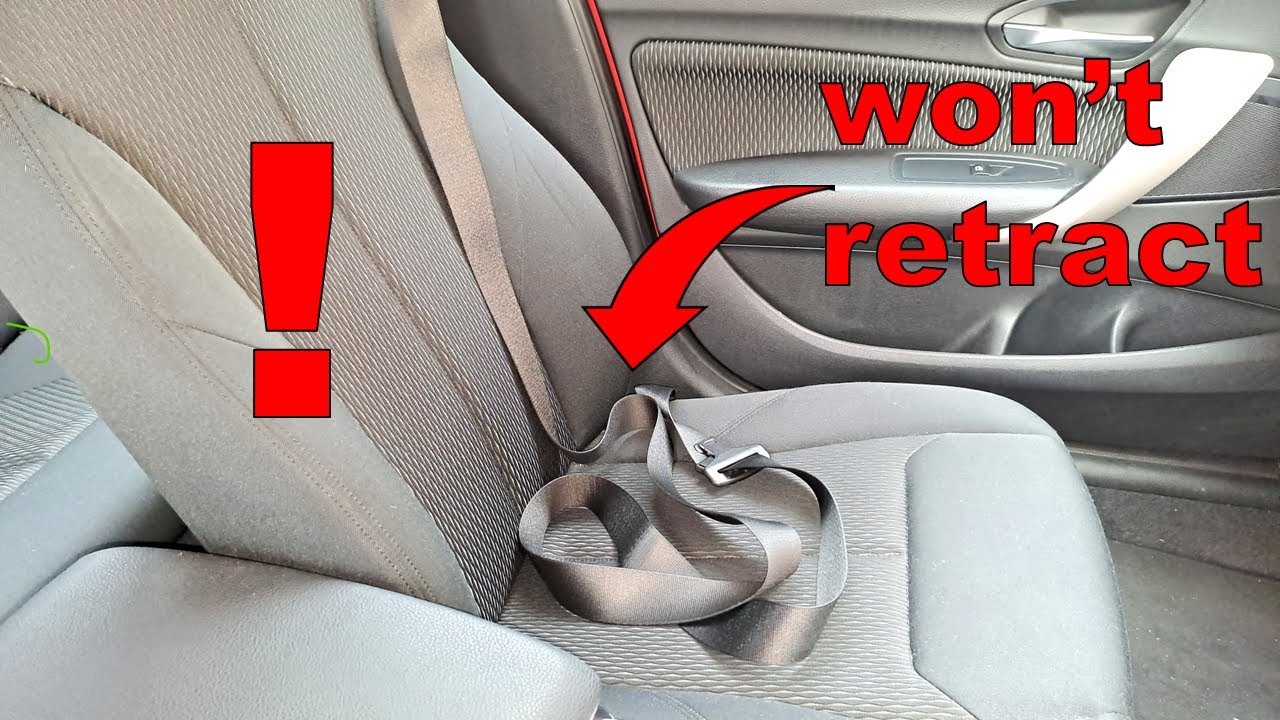
Fixing a stuck seat belt is a common issue many drivers face. A seat belt that won’t retract or extend can frustrate and pose safety risks. Understanding how to fix this problem ensures safety and comfort on the road. Let’s explore some simple steps to get your seat belt working smoothly again.Inspecting The Mechanism
Start by examining the seat belt mechanism. Look for any visible obstructions. Check for twisted or jammed parts. A thorough inspection often reveals the root cause of the problem. Ensure the seat belt is flat and not tangled. A twisted belt can easily get stuck.Unclogging The Retractor
The retractor is key to seat belt function. Sometimes, dirt or debris clogs it. Clean the retractor with a soft brush. Avoid using water or harsh chemicals. A gentle wipe often suffices. If the belt retracts unevenly, it might be tangled inside. Carefully unwind and straighten it.Testing The Repair
Test the seat belt after cleaning and untangling. Pull it slowly to ensure smooth movement. Let it retract fully without assistance. This checks if the retractor works correctly. Repeat the process if it still sticks. Patience is crucial for a successful repair. A smoothly working seat belt ensures safety. Follow these steps to fix a stuck belt easily.Improving Retraction Speed
Increase seat belt retraction speed by cleaning the belt and checking the retractor mechanism. Ensure the seat belt isn’t twisted or tangled. Regular maintenance helps keep seat belts functioning smoothly and safely.
Improving the retraction speed of a car seat belt can enhance your driving experience. A slow-retracting seat belt can be annoying and inconvenient. Fortunately, there are simple ways to fix this issue. Let’s dive into the steps to make your seat belt retract smoothly and swiftly.Cleaning The Belt
First, check the seat belt for dirt or debris. These can slow down the retraction. Pull the belt out completely. Use a damp cloth with mild soap. Wipe the belt gently to remove grime and stains. Rinse with a clean, damp cloth. Allow it to dry completely. This ensures no soap residue is left behind.Lubricating The Retractor
Next, focus on the retractor mechanism. A little lubrication can work wonders. Use a silicone spray for this task. Avoid oil-based products as they attract more dirt. Spray the silicone on the retractor parts. Be careful not to overspray. Test the belt to see if the retraction speed improves.Checking The Alignment
Finally, ensure the seat belt is aligned correctly. Misalignment can cause retraction issues. Check if the belt is twisted or folded. Straighten it out carefully. Inspect the retractor path for obstructions. Remove any objects blocking the belt’s way. Reinstall the belt if necessary. This helps maintain smooth and fast retraction. Implement these steps to improve the speed and ease of your car seat belt’s retraction. Your daily drive will become more pleasant and hassle-free.Handling Twisted Belts
Twisted seat belts can be annoying and unsafe. Untwist them by gently pulling the belt and letting it retract slowly. Ensure the belt is flat and not tangled before using it again. Keep your car safe and comfortable by checking belts regularly.
Handling twisted car seat belts can be frustrating. A twist in the belt can reduce its effectiveness. It can be uncomfortable for passengers. Fixing a twisted belt is simple. It ensures safety. Follow these steps to handle twisted belts.Identifying Twists
First, check the entire length of the belt. Look for any twists or kinks. Feel the belt with your hand. A twisted section is easy to spot. Notice if the belt retracts smoothly. A twist may prevent smooth retraction. Check the belt guide and buckle. Sometimes twists occur near these areas.Straightening The Belt
Straightening a twisted belt is simple. Pull the belt out completely. Hold the buckle firmly. Rotate the belt to untwist. Move the buckle back and forth. This helps straighten the belt. Do not force it. Gentle movements work best. Ensure the belt retracts without any twist. Test it a few times to confirm.Preventing Future Twists
Prevent twists with simple habits. Always pull the belt smoothly. Avoid pulling at an angle. This reduces chances of twisting. Check the belt regularly. Spot and fix twists early. Ensure passengers use belts correctly. Proper usage prevents future issues. Keep the buckle area clear. A clean area helps smooth retraction. Regular checks and correct use keep belts twist-free.
Credit: www.youtube.com
When To Seek Professional Help
Fixing a car seat belt isn’t always straightforward. Sometimes, you need expert help. Knowing when to call a professional ensures your safety. Let’s explore situations where seeking help is crucial.
Complex Mechanical Issues
Seat belts can have intricate mechanisms. If the belt retracts slowly, it might need expert repair. Jammed or tangled seat belts often require specialized tools. Professionals have the skills to fix these problems efficiently.
Safety Concerns
Your safety should never be compromised. A seat belt must function perfectly to protect you. If it feels loose or doesn’t lock securely, consult a professional. They ensure the belt meets safety standards.
Warranty Considerations
Your car’s warranty might cover seat belt repairs. Professionals understand warranty guidelines. They handle repairs without risking warranty voiding. Always check warranty terms before attempting repairs yourself.
Maintaining Seat Belt Health
Maintaining seat belt health is crucial for vehicle safety. A well-functioning seat belt can save lives during accidents. Regular care and attention ensure that seat belts perform effectively. Neglecting this essential part can lead to serious safety risks.
Regular Inspections
Checking seat belts regularly prevents wear and tear. Inspect for frays, cuts, or damage in the belt material. Ensure the belt retracts smoothly without sticking. Look at the buckles and anchors for signs of rust or damage. Faulty buckles can hinder proper locking during use.
Test the belt’s locking mechanism periodically. Pull the belt sharply to check the locking function. If it doesn’t lock, it may need repair. Regular inspections help in early identification of problems.
Proper Use Tips
Using seat belts correctly is vital for safety. Always wear the belt across your chest and lap. Avoid twisting the belt; it should lie flat against the body. Adjust the shoulder strap to fit snugly. The lap belt should rest low on the hips, not the stomach.
Make sure each passenger uses their seat belt. Children and adults need proper restraint for safety. Follow manufacturer instructions for adjustments and fittings. Proper use enhances the effectiveness of seat belts.
Safety Reminders
Seat belts save lives. Never skip wearing a seat belt, even for short trips. Ensure everyone in the vehicle uses their seat belt. Teach children the importance of wearing seat belts. Lead by example to instill good habits.
In case of malfunction, repair or replace seat belts immediately. Never use damaged seat belts. Regular checks and proper use keep seat belts functioning correctly. Safety reminders can prevent injuries and save lives.

Credit: goodcar.com
Frequently Asked Questions
How To Identify Seat Belt Issues?
Inspect for frayed edges, locking problems, or retraction issues. Check if the seat belt feels loose or jammed. Regular checks can prevent safety hazards.
Can A Jammed Seat Belt Be Fixed At Home?
Yes, a jammed belt often requires cleaning or repositioning. Lubricate the seat belt mechanism carefully. Ensure the belt is free of debris for smooth operation.
What Tools Are Needed To Fix Seat Belts?
Basic tools like screwdrivers, pliers, and lubricants are useful. A flashlight can help inspect hard-to-reach areas. Always have a clean cloth on hand.
Why Is My Seat Belt Not Retracting?
Dirt or debris can hinder retraction. Clean the belt path thoroughly. Ensure the mechanism is properly lubricated for smooth functioning.
Conclusion
Fixing a car seat belt is simple with basic tools. Follow the steps carefully. Ensure the belt operates smoothly and locks securely. Safety is crucial. Regular inspection can prevent future issues. Always clean seat belts to maintain their condition. If problems persist, consult a professional.
Prioritize safety over convenience. Proper maintenance extends the life of your seat belt. Trust your instincts. Keep your vehicle safe and ready for any journey. A reliable seat belt ensures peace of mind. Drive confidently knowing your seat belt works.
Safety first, always.


