


How to Fix a Power Seat in a Car: Step-by-Step Guide

Have you ever settled into your car, ready for a comfortable drive, only to find that your power seat won’t budge? It’s a common frustration that can make even the shortest trips uncomfortable and inconvenient.
Whether your seat is stuck in an awkward position or refuses to move at all, you’re not alone in this battle. But don’t worry, there are simple solutions to get your power seat back in working order. In this guide, you’ll discover easy-to-follow steps to diagnose and fix the problem, ensuring you can enjoy your drive without discomfort.
Stick around, because understanding how to fix a power seat yourself not only saves you money but also gives you the satisfaction of tackling the issue head-on. Let’s dive into how you can regain control over your driving experience.
Credit: blog.1aauto.com
Common Power Seat Problems
Power seats are a luxury feature in cars, providing comfort and convenience. But they can sometimes face issues that disrupt their smooth operation. Understanding common power seat problems can help you address them effectively.
Motor Failure
The motor is crucial for power seat movement. If the seat doesn’t move, the motor might have failed. Listen for clicking or grinding noises. These sounds indicate motor issues.
Electrical Problems
Electrical issues are common in power seats. Faulty wiring or blown fuses can cause malfunctions. Check connections and fuses for any damage.
Track Obstructions
Obstructions in the seat track can hinder movement. Dirt, debris, or objects may block the track. Regular cleaning helps prevent these blockages.
Faulty Switches
Switches control the seat’s movement. If the seat doesn’t respond, the switch may be faulty. Test the switch by pressing it gently. Replace if necessary.
Loose Connections
Loose connections can affect seat operation. Check the wiring and connectors. Ensure they are secure to avoid interruptions.
Mechanical Wear
Mechanical parts can wear over time. This wear can cause movement issues. Inspect gears and cables for signs of wear. Replace worn parts to restore function.
Tools And Materials Needed
Fixing a power seat in your car can seem daunting. But with the right tools and materials, the task becomes manageable. Knowing what you need before you start is key to a smooth repair process. This section will guide you through the essential tools and materials required.
Tools Required
First, gather the necessary tools. A basic set of screwdrivers is crucial. You will need both flathead and Phillips screwdrivers. These help in removing screws from the seat and panel. A socket wrench set is also essential. It assists in loosening and tightening bolts easily. For some seats, you might need a Torx wrench. This tool is used for star-shaped bolts.
Materials Needed
Next, focus on the materials needed. Make sure to have a replacement fuse if the issue is electrical. Wires and connectors might also be necessary. These help in fixing any faulty wiring. Having a multimeter on hand is wise. It checks electrical currents and identifies issues.
Safety Gear
Safety should always come first. Wear safety gloves to protect your hands. A pair of goggles shields your eyes from debris. Don’t forget about a flashlight. It helps you see under the seat where it’s dark. This ensures you don’t miss any important details.
Organizing The Workspace
Organize your workspace before starting. Use a container to hold small parts like screws and bolts. This prevents losing them during the process. A clean workspace helps in focusing on the task at hand.
Safety Precautions
Fixing a power seat might seem simple. But safety is crucial. A car’s power seat runs on electricity. This brings risks. So, understanding safety steps is key. Protect yourself and your car from harm.
Always approach these tasks with care. Knowledge and preparation matter. Without them, accidents can happen. Follow these safety precautions for a smooth repair process.
Wear Protective Gear
Always wear protective gear. Gloves protect your hands. Safety goggles shield your eyes. These items are essential. They prevent injuries from sharp objects and electrical sparks.
Disconnect The Battery
Disconnect the car battery first. This step is vital. It ensures no electrical flow. A live wire can shock you. Always remove the negative cable. This prevents accidental power flow.
Clear The Work Area
Keep your work area tidy. Remove clutter and loose items. This helps prevent tripping or stumbling. A clean area means fewer risks. It allows you to focus on the task.
Keep Tools Organized
Organize your tools before starting. Know where each tool is. This saves time and reduces stress. It also prevents accidents. A misplaced tool can cause injury.
Check For Loose Wires
Inspect for loose wires carefully. They pose a danger. Loose wires can spark or short-circuit. Secure all connections. Ensure everything is tight and secure.
Work In A Well-lit Area
A well-lit area is important. You need to see clearly. Poor lighting leads to mistakes. It also increases the risk of accidents. Ensure ample light in your work area.
Avoid Wet Conditions
Ensure your work area is dry. Water and electricity don’t mix. Wet conditions are risky. They increase the chance of electric shock. Always work in dry surroundings.
Credit: www.youtube.com
Initial Troubleshooting Steps
Dealing with a malfunctioning power seat can be frustrating. Before seeking professional help, try some basic troubleshooting. These steps can often pinpoint the problem and save you money. Start by examining the seat controls and electrical components.
Check The Seat Controls
Begin with the seat controls. Ensure they move freely without obstruction. Often, loose items can block them. Look around the seat tracks for any debris. Ensure nothing is wedged in the mechanisms. A quick check can solve many issues.
Next, test all seat functions. Move the seat forward, backward, up, and down. Listen for any unusual sounds. Grinding or clicking noises may indicate a mechanical issue. Silence, on the other hand, might suggest an electrical problem.
Inspect The Fuses And Relays
Electric seats rely on fuses and relays. A blown fuse can disable the seat’s movement. Locate the car’s fuse box. Check the owner’s manual for its location. Once found, inspect the fuses linked to the power seats.
If a fuse appears burnt, replace it. Use a fuse of the same amperage. Never use a higher-rated fuse. It can damage the electrical system. Also, examine the seat’s relays. Swap them with identical ones from other systems. This can quickly rule out relay issues.
Diagnosing Electrical Issues
Diagnosing electrical issues in a car’s power seat can be daunting. This process involves checking the motor and examining wires. Fixing these problems can restore seat functionality. Start by understanding the basics of electrical systems. Familiarize yourself with common faults that affect power seats. Once you identify the issue, repair becomes easier.
Test The Power Seat Motor
The power seat motor is crucial for seat movement. Begin by listening for sounds. A working motor should hum softly. If silent, it might be faulty. Check the motor’s voltage with a multimeter. Ensure it receives proper power. If voltage is low, the motor may need replacement. Troubleshooting the motor can prevent costly repairs.
Examine Wiring And Connections
Wiring issues often disrupt seat functions. Inspect wires for visible damage. Look for frayed or exposed areas. Damaged wiring can interrupt power flow. Check connections where wires meet components. Loose connections may cause seat malfunctions. Tighten any loose wires securely. Use a continuity tester to check wire integrity. Proper connections ensure reliable seat movement.
Mechanical Problem Assessment
Assessing mechanical problems in a car’s power seat requires a keen eye. Begin by examining the seat’s movement and function. Identifying mechanical issues early can save time and money. It helps prevent further damage and ensures a smoother repair process.
Inspect Seat Tracks And Rails
Start by inspecting the seat tracks and rails. These components guide the seat’s movement. Look for visible signs of damage or wear. Bent or broken tracks can hinder smooth operation. Ensure the rails are aligned properly. Misalignment can cause the seat to jam. Tighten any loose screws or bolts. This secures the tracks and prevents future problems.
Check For Obstructions
Next, check for obstructions under the seat. Debris can block movement, causing the seat to stick. Clear any foreign objects from the area. Check for items like coins or trash. These can easily get lodged in the tracks. Ensure cables and wires are not tangled. Tangled wires can restrict the seat’s movement and damage components. Remove any obstacles for smooth seat adjustment.
Repairing Electrical Components
Power seats in cars offer great comfort. But electrical issues can cause them to malfunction. Fixing these issues can restore your seat’s functionality. Understanding basic electrical repairs is helpful for car owners. This section will guide you through replacing fuses and fixing wiring problems.
Replace Faulty Fuses
Begin by locating the fuse box. It’s usually under the dashboard or near the engine. Check the owner’s manual for the exact location. Identify the fuse related to the power seat. Pull out the fuse using a fuse puller or pliers. Inspect the fuse for signs of damage. A broken filament means the fuse is faulty. Replace it with a fuse of the same amperage. Ensure the new fuse fits snugly. Test the seat to confirm the issue is fixed.
Fix Wiring Issues
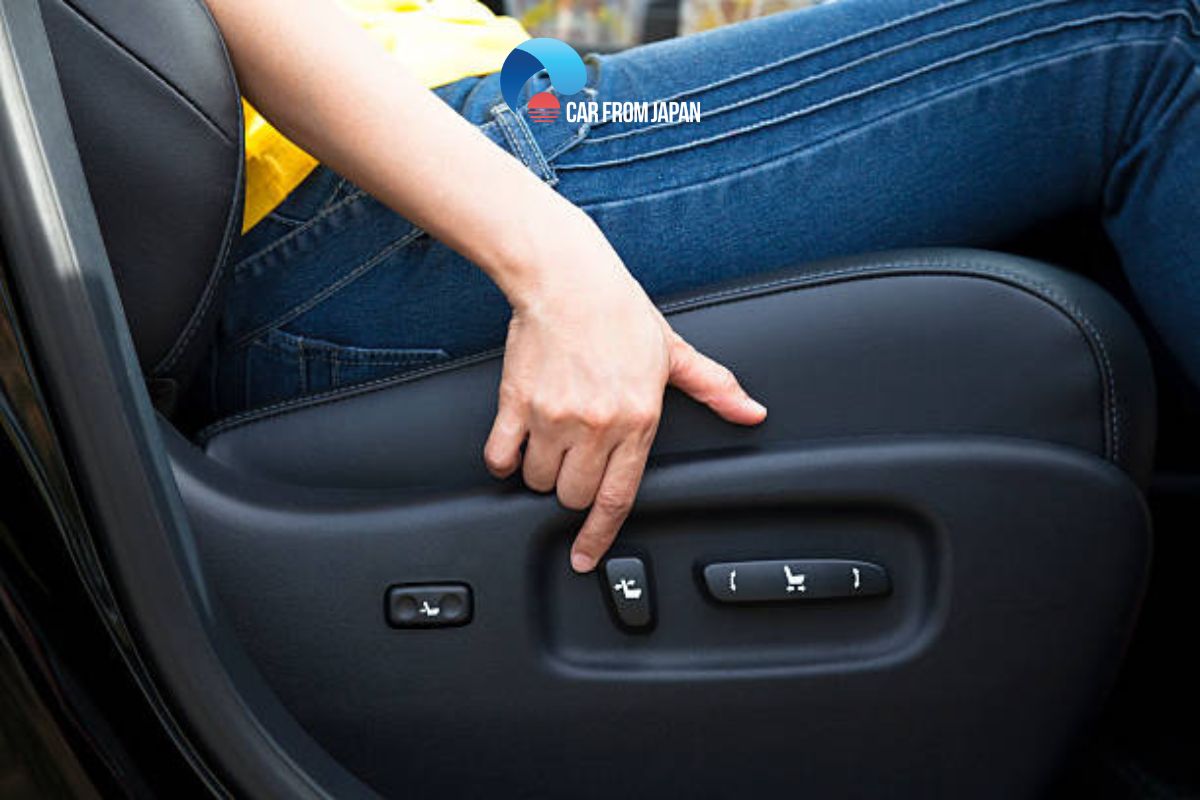
Damaged wires can cause power seat problems. Check the wires beneath the seat. Look for frayed or broken wires. Use a multimeter to test the connections. A multimeter measures electrical flow. If a wire is broken, strip the insulation from both ends. Twist the wires together. Secure them with electrical tape. Use wire connectors for a stronger bond. Ensure all connections are tight and secure. Test the seat after fixing the wires.
Credit: carfromjapan.com
Fixing Mechanical Components
Fixing mechanical components in a car’s power seat can seem complex. Yet, understanding the basics can simplify the process. Focus on two main areas: seat tracks and moving parts. Addressing these can restore the functionality of your power seat.
Realign Or Replace Seat Tracks
Seat tracks guide the movement of your power seat. Misalignment often leads to stuck seats. Inspect the tracks for bends or damage. If bent, gently realign using pliers. Persistent issues may require a replacement. Ensure the new tracks match the old ones. Correct alignment improves seat movement.
Lubricate Moving Parts
Moving parts need regular lubrication for smooth operation. Dry components cause friction and noise. Use a silicone spray for lubrication. Apply it to joints and gears. Avoid excess spray to prevent mess. Lubrication ensures easy seat adjustment.
Testing The Repair
Testing the repair of your car’s power seat is crucial. It helps ensure everything works as it should. After fixing the seat, you need to test its functions. This step confirms the problem is solved.
Begin by checking if the seat moves smoothly. Listen for unusual sounds. Check all buttons and switches. This will verify that the repair was successful.
Reattach Battery And Test Functions
Reconnect the battery. Make sure it is secure. Turn on the car’s ignition. This will provide power to the seat.
Try each seat function. Move the seat forward and backward. Adjust the height. Test the recline feature. Ensure each button responds correctly. This checks if the repair restored all functions.
Ensure Smooth Operation
Observe the seat’s movement. It should glide smoothly. There should be no jerking or resistance. Listen for unusual sounds. Clicking or grinding indicates a problem.
If issues persist, recheck your repairs. Ensure all connections are tight. This guarantees smooth operation of the power seat.
Maintenance Tips For Power Seats
Power seats in a car offer comfort and convenience. Regular maintenance extends their lifespan. Neglecting maintenance can lead to costly repairs. Follow these tips to keep your power seats in top condition.
Check Electrical Connections
Loose connections can cause seat malfunctions. Inspect wires and plugs regularly. Ensure all connections are secure. This prevents electrical issues.
Clean Seat Tracks
Debris can clog seat tracks. Vacuum the tracks periodically. This helps the seat move smoothly. Avoid using water, as it can cause rust.
Lubricate Moving Parts
Lubrication reduces friction. Apply a suitable lubricant to moving parts. Focus on hinges and joints. This ensures smooth operation.
Inspect For Wear And Tear
Examine the seat fabric and mechanisms. Look for signs of wear or damage. Address issues immediately to prevent further damage.
Test Seat Functions
Regularly test all seat functions. Check for smooth movement in all directions. Early detection of issues can save you money.
Frequently Asked Questions
How Do You Reset A Power Seat?
To reset a power seat, locate the seat’s control module. Disconnect the battery for about 30 minutes. Reconnect it and test the seat’s movement. If it doesn’t work, check for faulty wiring or motor issues. Consult your car’s manual for specific instructions related to your vehicle’s make and model.
Why Is My Power Seat Not Moving?
A power seat might not move due to a malfunctioning motor, blown fuse, or wiring issue. Inspect the seat’s control switches and motor for damage. Check the fuses in the fuse box. If necessary, consult a professional mechanic for a detailed diagnosis and repair.
What Tools Do I Need To Fix A Power Seat?
To fix a power seat, you’ll need basic tools like a screwdriver, wrench, and voltmeter. A flashlight can help inspect hard-to-reach areas. Follow the car manual for specific instructions and safety guidelines. Ensure your tools are appropriate for the car model and seat type.
Can A Blown Fuse Affect Power Seats?
Yes, a blown fuse can affect power seats. A fuse controls the electrical flow to the seat motor. Check your car’s fuse box for blown fuses and replace them with new ones. Always use the correct fuse type and rating as specified in your car manual.
Conclusion
Fixing a power seat in a car doesn’t have to be hard. Start by checking the fuses. Look for any broken wires. Listen for unusual sounds. Test the seat’s motors carefully. Replace damaged parts as needed. Regular maintenance helps prevent issues.
Keep your seat in good condition. This saves time and money in the long run. Troubleshooting is key to resolving problems. Following these steps ensures a smooth repair process. Stay patient and take your time. With practice, fixing car seats becomes easier.
You can enjoy a comfortable ride again. Feel proud of your handiwork!


