


How to Buckle a Car Seat: Easy Steps for Ultimate Child Safety

Buckling a car seat might seem simple, but doing it the right way can make all the difference in keeping your child safe. You want to be sure that every click and strap is secure before hitting the road.
If you’re unsure about the steps or worried you might miss something important, this guide is made just for you. By the end, you’ll feel confident knowing your little one is buckled in correctly and protected. Keep reading to learn the easy, step-by-step process that every parent and caregiver should know.
Choosing The Right Car Seat
Choosing the right car seat is very important for your child’s safety. A proper car seat fits your child well and protects them during travel. Different car seats suit different ages and weights. Selecting the correct type makes buckling easier and safer. Understanding the options helps you pick the best seat for your child.
Types Of Car Seats
There are three main types of car seats: rear-facing, forward-facing, and booster seats. Rear-facing seats offer the best protection for babies and young toddlers. Forward-facing seats fit older toddlers and young children. Booster seats help bigger kids use the car’s seat belt safely. Each type has a specific design for child safety and comfort.
Age And Weight Guidelines
Car seats have age and weight limits to keep children safe. Babies usually start in rear-facing seats until they reach about 2 years old or the seat’s weight limit. Forward-facing seats fit children over 2 years old and within the seat’s weight range. Booster seats are for kids who outgrow forward-facing seats but are still too small for seat belts alone. Always check the car seat label for exact age and weight rules.

Credit: www.youtube.com
Preparing The Car Seat
Preparing the car seat is the first step before buckling your child safely. This step ensures the seat is clean, undamaged, and positioned correctly. A well-prepared car seat gives the best protection in case of sudden stops or accidents.
Inspecting The Seat
Check the car seat for any visible damage or wear. Look for cracks in the plastic shell or broken parts. Make sure the straps are not frayed or twisted. Confirm the buckle clicks securely and releases easily. Clean the seat if needed, removing crumbs or dirt. A clean seat helps the harness work properly and keeps your child comfortable.
Positioning The Seat Correctly
Place the car seat in the back seat of the vehicle. The middle seat is safest if it fits well there. Use the vehicle’s seat belt or LATCH system to secure the seat tightly. The car seat should not move more than one inch side to side or front to back. Adjust the recline angle according to the car seat manual. Correct positioning protects your child and keeps them comfortable during the ride.
Securing The Car Seat
Securing the car seat correctly is key to your child’s safety. It keeps the seat stable during every ride. A properly secured car seat prevents excessive movement. This reduces the risk of injury in case of sudden stops or accidents.
There are two main ways to secure a car seat: using the seat belt or the LATCH system. Both methods are safe when done right. Always follow the car seat and vehicle instructions for best results.
Using The Seat Belt
First, place the car seat on the vehicle seat. Thread the seat belt through the car seat belt path. Pull the seat belt tight. Lock the seat belt to prevent it from loosening.
Check for tightness by pushing the car seat near the belt path. It should not move more than one inch side to side or front to back. Adjust the belt and car seat until it is secure.
Using The Latch System
The LATCH system uses anchors built into the car seat and vehicle. Attach the lower anchor connectors to the vehicle’s lower anchors. Push the connectors until they click in place.
Tighten the straps to remove slack. Test the car seat by moving it near the anchor points. It should move less than one inch. Use the top tether if your car seat has one. This adds extra stability.
Credit: thecarseatlady.com
Buckle The Child Safely
Buckling your child safely in a car seat is crucial for their protection during every ride. A properly buckled child stays secure and comfortable. It reduces risks of injury in case of sudden stops or accidents. Follow these steps to ensure the harness fits well and holds your child firmly.
Proper Harness Placement
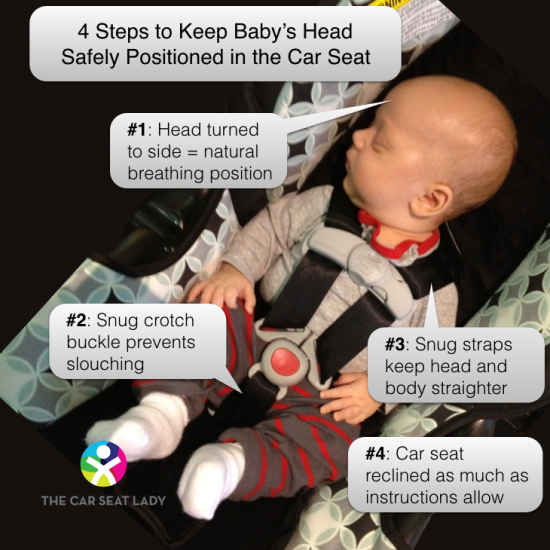
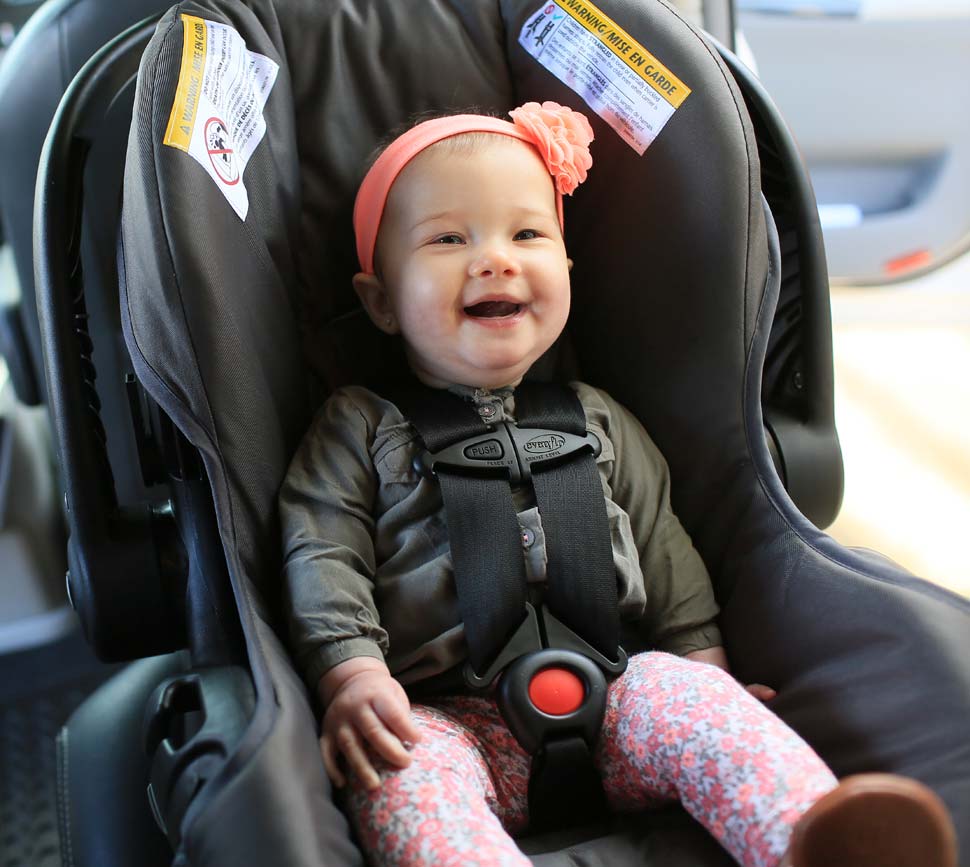
Place the harness straps at or just below your child’s shoulders for rear-facing seats. For forward-facing seats, the straps should be at or above the shoulders. Make sure the straps lie flat and are not twisted. Position the chest clip at armpit level. This keeps the straps in the right place during travel.
Adjusting The Straps
Pull the harness adjustment strap to tighten the straps snugly. Loose straps can cause serious injuries in a crash. The straps should be tight enough that you cannot pinch any slack. Check both sides to ensure even tension. Adjust the straps every time your child rides to match their size.
Ensuring A Snug Fit
A snug fit keeps your child safe and comfortable. The harness should lie close to your child’s body without digging into the skin. Use the pinch test: try to pinch the strap at the shoulder. If you can pinch fabric, the fit is too loose. Tighten the straps until pinching is no longer possible.
Final Safety Checks
Final safety checks are the last step to ensure your child’s car seat is secure. These checks help prevent accidents and keep your child safe. Take your time and be thorough. Small mistakes can cause big risks. Follow these simple steps before every ride.
Testing For Movement
Grab the car seat near the belt path. Try to move it side to side and front to back. The seat should not move more than an inch. If it moves too much, tighten the seat belt or latch. A secure seat means better protection for your child.
Double-checking Buckles And Straps
Check all buckles and straps for proper fit. Make sure they click and lock firmly. Straps should lie flat without twists or slack. Adjust the harness so it fits snugly on your child. Loose straps can cause injury during a crash. Confirm every buckle is fastened correctly before driving.
Common Mistakes To Avoid
Many parents and caregivers make mistakes while buckling a car seat. These errors can reduce the seat’s safety. Knowing what to avoid helps protect your child better. Below are common mistakes that affect car seat use.
Loose Straps
Loose straps are a major safety risk. Straps should be snug against the child’s body. Loose straps can cause the child to move too much during a crash. Always pull the straps tight enough that you cannot pinch any slack.
Incorrect Buckle Position
The buckle must be in the right place. For rear-facing seats, the buckle should be at or below the child’s shoulders. For forward-facing seats, it should be at or above the shoulders. Incorrect buckle placement can cause poor restraint and injury.
Using Expired Seats
Car seats have expiration dates. Using an expired seat reduces safety. Materials can weaken over time. Always check the seat’s label for the expiration date. Replace the seat if it is expired to keep your child safe.
Tips For Maintaining Car Seat Safety
Keeping a car seat safe is very important for your child’s protection. Small actions can make a big difference. Simple care helps the seat work as it should. It also keeps your child comfortable and secure.
Follow these tips to maintain car seat safety. They help you avoid common mistakes and keep the seat in good shape.
Regular Inspections
Check the car seat often for any signs of wear or damage. Look at the straps, buckles, and padding. Make sure there are no cracks or broken parts. Tighten loose straps and clean the seat regularly. Dirt can affect how well the seat works.
Replacing After Accidents
Always replace the car seat after a crash. Even if it looks fine, the seat may be weaker. The safety parts can get damaged without visible signs. Using a new seat after an accident keeps your child fully protected.
Credit: www.buckleupforlife.org
Frequently Asked Questions
How Do I Buckle A Car Seat Correctly?
To buckle a car seat correctly, place the child securely, click the harness buckle, and tighten straps firmly. Ensure no slack remains, and the chest clip sits at armpit level for maximum safety.
When Should I Switch From A Car Seat To A Booster?
Switch to a booster seat when your child outgrows the car seat’s height or weight limits. Typically, this happens around ages 4 to 7, but always check your seat’s manual for specific requirements.
How Tight Should Car Seat Straps Be?
Car seat straps should be snug enough that you cannot pinch any excess webbing at the shoulder. Straps that are too loose can reduce protection in a crash, so ensure a firm fit without discomfort.
Can I Use A Car Seat With A Seat Belt Only?
Yes, many car seats can be secured using just the vehicle’s seat belt if they have proper belt paths. Always follow the manufacturer’s instructions for safe installation and ensure the seat is tightly secured.
Conclusion
Buckle your car seat carefully every time you travel. Check the straps for tightness and proper fit. Make sure the buckle clicks securely with a clear sound. Keep your child safe by following these simple steps. Practice often until you feel confident and quick.
Safety starts with correct car seat use. Small actions protect your loved ones during every ride. Stay alert and double-check before driving away.


