

How to Store Infant Car Seat: Expert Tips & Tricks

Keeping your baby safe is your top priority, and that begins with the right car seat. But what happens when it’s not in use?
Storing an infant car seat correctly is crucial to maintaining its safety features, ensuring it remains in perfect condition for your little one’s next ride. You might wonder, “Is it really that important? ” Imagine the peace of mind knowing that your baby’s car seat is ready and reliable whenever you need it.
In this guide, you’ll discover simple steps to store your infant car seat effectively, safeguarding its integrity and extending its life. Dive in to learn how you can preserve this essential piece of baby gear with ease and confidence!
Choosing The Right Storage Location
Choosing the right storage location for your infant car seat is crucial. The right spot ensures its longevity and safety. Different factors play a role in this decision. Consider indoor and outdoor options, temperature, humidity, and space. Each aspect can impact the car seat’s condition.
Indoor Vs Outdoor Options
Storing your car seat indoors is usually the best choice. Indoor spaces protect it from harsh weather. Rain, snow, and sun can damage materials. If you choose an outdoor spot, use a waterproof cover. Ensure the area is dry and sheltered.
Temperature And Humidity Control
Fluctuating temperatures can affect your car seat. Extreme heat or cold may weaken its structure. Aim for a stable environment. Humidity is another concern. High humidity can lead to mold. Keep the car seat in a well-ventilated area. This reduces moisture build-up.
Space Considerations
Ensure there is enough space for the car seat. Avoid cramped areas. It should lie flat without bending. This prevents deformation. A dedicated shelf or closet works well. Keep it away from heavy objects. Falling items may cause damage.

Credit: www.chiccousa.com
Preparing The Car Seat For Storage
Preparing your infant car seat for storage involves cleaning and drying it thoroughly. Secure loose parts and straps to avoid damage. Store in a cool, dry place to prevent mold and fading.
Storing an infant car seat requires careful preparation. Proper storage ensures the seat remains safe and functional. Follow these steps to prepare your car seat for storage effectively.
Cleaning And Maintenance
Begin by cleaning the car seat thoroughly. Use mild soap and water for the fabric. Avoid harsh chemicals that can damage materials. Wipe down plastic parts with a damp cloth. Make sure all parts are dry before storing. This prevents mold and mildew growth.
Disassembling Parts
Disassemble any removable parts of the car seat. Remove the canopy and base if possible. Check the manufacturer’s instructions for guidance. Keep all screws and small parts in a labeled bag. This makes reassembly easier later.
Inspecting For Damage
Inspect the car seat for any visible damage. Look for cracks in the plastic or frayed straps. A damaged seat may not protect your child. If you find damage, consider replacing the seat. Document any issues for future reference.
Packing The Car Seat Properly
Ensure the infant car seat is clean before storing. Detach all removable parts and wash them. Choose a cool, dry place free of direct sunlight. Cover the seat with a breathable fabric to prevent dust accumulation. Keep the instruction manual handy for future reference.
Packing an infant car seat properly is crucial for its safety. Correct packing ensures the seat remains clean and undamaged. It also extends its lifespan. A well-packed car seat is ready for future use or travel. Let’s explore some essential tips to achieve this.
Using Protective Covers
Invest in protective covers for the car seat. These covers shield the seat from dust and moisture. They also prevent scratches during storage. Ensure the cover fits snugly around the seat. Use a cover made from durable material. This adds an extra layer of protection.
Avoiding Heavy Items On Top
Do not place heavy items on the car seat. This can cause deformation or damage. Store the car seat in a safe place. Keep it away from heavy or sharp objects. Ensure nothing presses against it. This preserves its shape and safety features.
Labeling For Easy Identification
Label the car seat storage area clearly. Use tags or stickers for identification. Include the car seat’s brand and model. This helps in quick retrieval when needed. Proper labeling saves time and avoids confusion. It ensures you grab the right seat for your child.
Maintaining Car Seat Condition During Storage
Storing an infant car seat properly ensures it remains in good condition. Clean the seat thoroughly before storage. Use a breathable bag to cover it, preventing dust and moisture damage.
Maintaining the condition of an infant car seat during storage is crucial. Proper care ensures the seat remains safe and functional for future use. Storing a car seat without attention can lead to damage. This may affect its safety features. Follow these simple steps to keep your car seat in top shape.
Regular Checks
Inspect the car seat regularly. Look for any signs of wear or damage. Check the straps and buckles for fraying or rust. Make sure all components are intact. Even in storage, these parts can deteriorate over time. Regular checks help catch problems early. This saves you from unexpected issues later.
Pest Prevention
Keep pests away from your stored car seat. Store it in a sealed bag or container. Make sure it is clean and free from food crumbs. This discourages insects from nesting. Vacuum the seat before storing it. A clean seat is less attractive to pests. Consider using natural repellents if needed.
Moisture Control
Prevent moisture from damaging the car seat. Choose a dry location for storage. Avoid basements or areas prone to dampness. Moisture can lead to mold growth. Mold weakens the fabric and padding. Use silica gel packs to absorb moisture. They help keep the seat dry and safe.
Tips For Long-term Storage
Storing an infant car seat for the long term requires special care. Proper storage ensures the seat remains safe for future use. It also helps in maintaining the car seat’s quality over time. Follow these simple tips to store your infant car seat effectively.
Periodical Cleaning
Begin by cleaning the car seat thoroughly. Remove any crumbs and dirt using a vacuum cleaner. Wash the seat covers according to the manufacturer’s instructions. Allow them to dry completely before storage. This prevents mold and unpleasant odors during storage.
Reassembling For Inspection
Reassemble the car seat carefully after cleaning. Check for any damaged parts. Ensure all components are in good condition. Test the straps and buckles to confirm they work properly. This step ensures the seat is ready for future use.
Preparing For Future Use
Store the car seat in a cool, dry place. Avoid direct sunlight and extreme temperatures. Cover the seat with a breathable fabric to keep dust away. Label the seat with the date of storage. This helps track the seat’s age and safety standards.
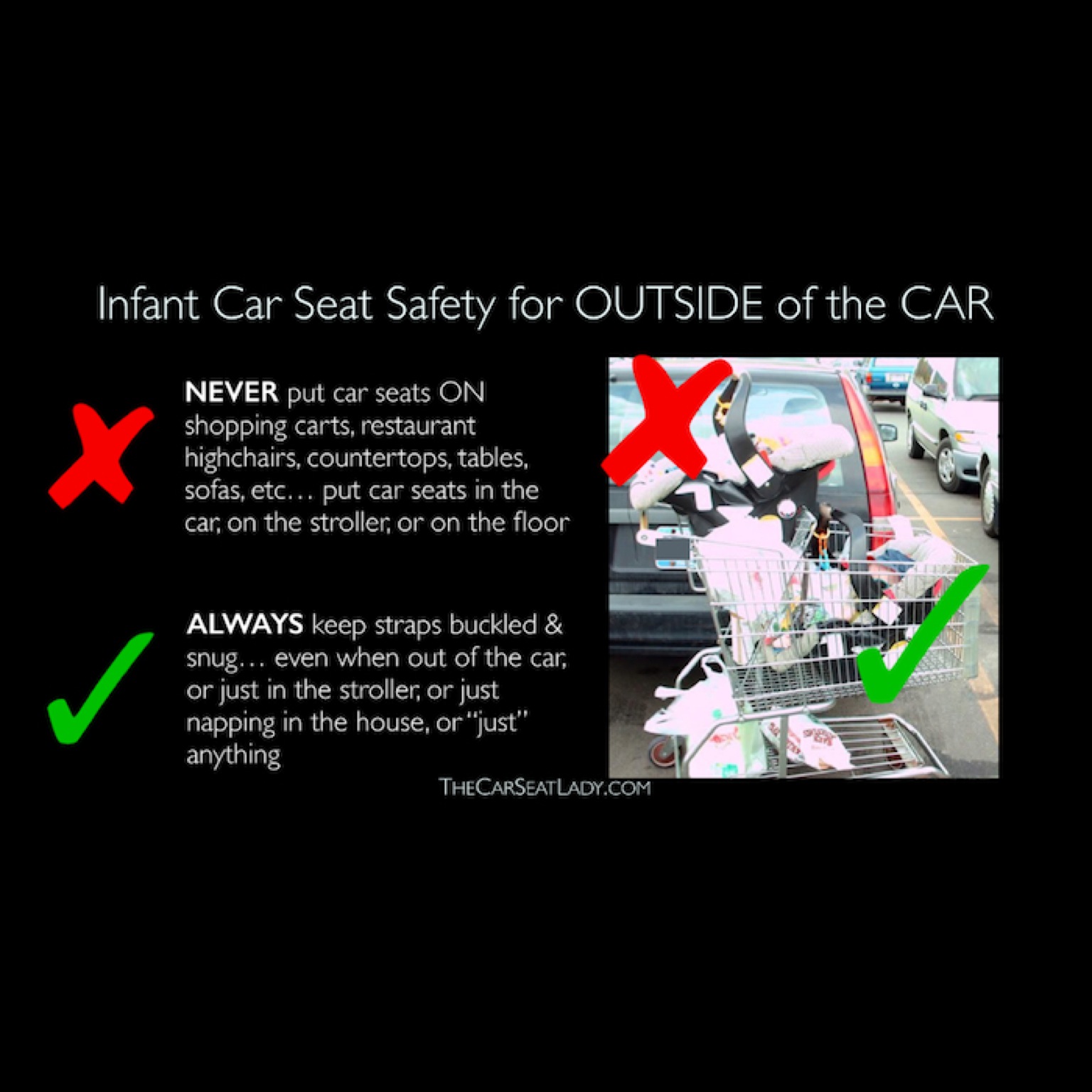
Credit: thecarseatlady.com
Frequently Asked Questions
How Should I Clean An Infant Car Seat?
To clean an infant car seat, start by removing the cover. Wash it according to the manufacturer’s instructions. Use mild soap and water for plastic and metal parts. Avoid harsh chemicals. Ensure everything is completely dry before reassembling to prevent mold.
Can I Store An Infant Car Seat In A Garage?
Yes, you can store it in a garage. However, ensure it’s in a dry, cool place. Avoid direct sunlight and temperature extremes. Use a protective cover or bag to keep dust and pests away. Check the seat periodically for any signs of damage.
What Is The Best Way To Protect A Stored Car Seat?
Use a protective cover or storage bag. This keeps dust, moisture, and pests at bay. Store the car seat in a dry, cool environment. Ensure it’s away from direct sunlight. Regularly check the seat for any signs of wear or damage.
Should I Disassemble The Car Seat Before Storage?
Yes, disassemble the car seat before storing it. Remove the cover, straps, and any detachable parts. This prevents damage and makes cleaning easier. Store each part carefully to avoid misplacing them. Follow the manufacturer’s instructions for disassembly and reassembly.
Conclusion
Storing an infant car seat properly ensures its longevity and safety. Choose a cool, dry place to avoid damage. Keep the seat clean by wiping it regularly. Store all parts together to prevent losing anything important. Follow the manufacturer’s guidelines for any specific storage instructions.
Label or note any special features or settings for future use. Proper storage helps protect your investment and keeps your baby safe. So, take a few minutes to store it right. Your child’s safety is worth it. Happy parenting and safe travels!


