


How to Adjust Car Seat Straps: Expert Tips

Struggling with car seat straps can be frustrating, especially when all you want is a safe and comfortable ride for your child. You might find yourself tugging, pulling, and adjusting, only to question if you’ve done it right.
You’re not alone. Many parents and caregivers face this challenge. Ensuring that the car seat straps are properly adjusted is crucial for your child’s safety during car rides. Imagine the peace of mind you’ll have knowing your little one is securely fastened, allowing you to focus on the road ahead.
In this guide, you’ll discover simple steps and tips to adjust car seat straps with confidence, ensuring both safety and comfort for your child. Let’s make this task less daunting and more manageable for you. Ready to learn how to perfect those car seat adjustments?
Credit: www.nexcha.co.jp
Safety Importance
Adjusting car seat straps is crucial for child safety. Properly adjusted straps can significantly reduce injury risks during accidents. Many parents overlook this simple yet vital task. Ensuring straps fit snugly is essential for protection.
Understanding Strap Tension
Strap tension plays a key role in safety. Loose straps can fail to hold a child securely. Tight straps distribute force evenly, minimizing injury. Regularly check and adjust strap tension.
Importance Of Strap Position
The position of straps matters greatly. Straps must sit at or below the child’s shoulders. Incorrect positioning can lead to inadequate protection. Always ensure the straps are in the right slots.
Checking Strap Condition
Inspecting strap condition is necessary. Worn or frayed straps can compromise safety. Replace damaged straps immediately. Regular checks maintain the integrity of the car seat.
Ensuring Strap Comfort
Comfort is important for long rides. Straps should not dig into the child’s skin. Adjust padding if needed to ensure comfort. Comfortable straps help prevent distractions while driving.
Using The Chest Clip
The chest clip is crucial for correct strap alignment. It keeps straps in the right position. Adjust the clip at armpit level. Proper use of the chest clip enhances safety.
Choosing The Right Car Seat
Choosing the right car seat is crucial for your child’s safety. Each child needs a seat that fits their size and age. With the right seat, you ensure maximum protection. It’s essential to know the different types and guidelines.
Types Of Car Seats
There are three main types of car seats. The first is the rear-facing seat. It’s designed for infants and small toddlers. The second is the forward-facing seat. It suits children who have outgrown the rear-facing seat. Lastly, the booster seat is for older children. It helps them fit properly in the car’s seat belt.
Age And Weight Guidelines
Age and weight are key in choosing a car seat. Infants use rear-facing seats until age 2 or 40 pounds. Forward-facing seats are suitable for children up to 65 pounds. Booster seats are for those who weigh more than 40 pounds. Always check the car seat’s manual for exact limits.
Preparing For Strap Adjustment
Adjusting car seat straps ensures your child’s safety. It requires preparation. Start with a clear understanding of your car seat model. This will help you adjust correctly and efficiently.
Having the right tools is also crucial. It makes the process smooth and hassle-free. Let’s dive into the steps for a successful strap adjustment.
Checking Seat Instructions
Every car seat comes with a manual. This manual contains specific instructions. Read it carefully before making adjustments. It will guide you on the correct process. Understanding the manual prevents mistakes.
Check for diagrams and illustrations. These provide visual guidance. They are especially helpful for non-native speakers.
Gathering Necessary Tools
Some adjustments may need tools. Always have them ready before starting. Common tools include screwdrivers and wrenches. Having these on hand saves time and effort.
Check the manual for tool requirements. It will specify what you need. Prepare them in advance to avoid interruptions.
Positioning The Car Seat
Positioning the car seat correctly is crucial for your child’s safety. A well-positioned seat ensures maximum protection during travel. It’s important to find a secure place in your vehicle for the seat. Proper positioning can significantly reduce the risk of injury.
Finding The Best Location
Choose a spot away from airbags. The back seat is often the safest. Center placement is ideal if possible. It keeps your child furthest from side impacts. Avoid placing the seat in front of active airbags. They can be dangerous during a crash.
Securing The Seat Firmly
Once the location is chosen, secure the seat tightly. Use the vehicle’s seat belt or LATCH system. Ensure there is no wobble or movement. Check the seat from different angles. Ensure all straps are tight and secure. Double-check for any loose ends.
Adjusting Shoulder Straps
Adjusting shoulder straps in a car seat is crucial for safety. Proper adjustment ensures your child is secure and comfortable. Incorrectly adjusted straps can be dangerous. Follow these steps to ensure a snug and safe fit.
Setting The Correct Height
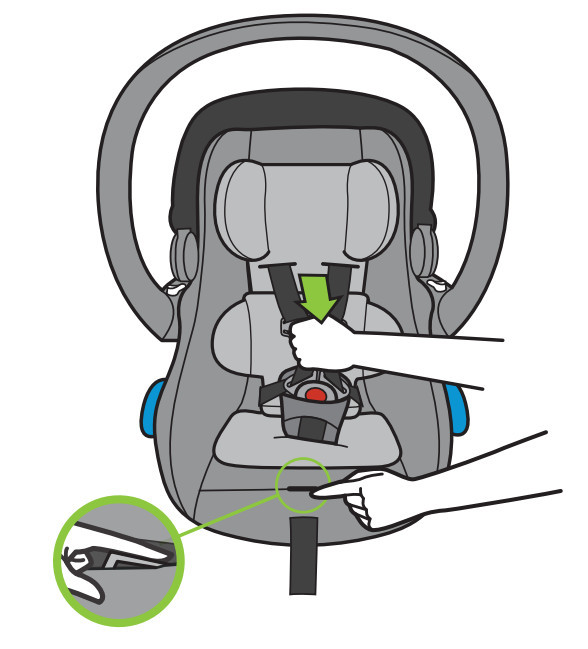
First, locate the slot for the shoulder strap. It should be at or just below your child’s shoulders. For rear-facing seats, use the slot below the shoulders. For forward-facing seats, use the slot above. Adjust the straps to the correct height by threading them through the appropriate slot. Make sure the straps are not twisted. Twisted straps can cause discomfort and reduce safety.
Tightening The Straps
Ensure the shoulder straps are snug. They should lie flat and comfortably against the body. Pull the adjustment strap to tighten. The straps should be tight enough so you cannot pinch extra webbing. A snug strap keeps your child safe during travel. Remember, a well-adjusted strap is key to car seat safety.

Credit: www.youtube.com
Adjusting Buckle Position
Adjusting the car seat straps is vital for safety. One key part is the buckle position. This ensures the harness fits snugly. A well-placed buckle prevents slipping. It keeps the child secure during rides. Let’s explore how to adjust this essential component.
Ensuring Proper Placement
First, locate the buckle slot on the seat. It should align with the child’s pelvis. This positioning helps distribute force evenly. Check the strap path in your car seat manual. Follow the guide for precise buckle placement. Make sure the buckle lies flat. Avoid twisting or tilting.
Adjust the buckle height as needed. Some seats have different slots. Use the one that suits your child’s size. The buckle should sit near the hip area. This helps in quick adjustments. Always double-check the alignment before securing the child. Correct buckle placement boosts safety and comfort.
Testing For Comfort
Once placed, test the buckle for comfort. Fasten the harness and observe the fit. The buckle should not pinch or dig. Adjust the straps to ensure they are snug, not tight. Ask the child if they feel comfortable. Their feedback helps in making adjustments.
Check for any red marks after a short ride. These indicate discomfort. If found, reposition the buckle slightly. Repeat the process until comfort is achieved. Regular checks ensure continued safety. A comfortable seat makes every journey better for both child and parent.
Checking For Proper Fit
Ensuring your child’s car seat straps fit correctly is crucial. Safety depends on it. It minimizes the risk of injury during sudden stops or accidents. Always check for proper fit every time your child is in the car seat. Small adjustments can make a big difference.
Conducting A Pinch Test
The pinch test is simple. Buckle your child into the car seat. Adjust the straps snugly over their shoulders. Try to pinch the strap at the shoulder. You shouldn’t be able to pinch any excess webbing. If you can, tighten the straps further. This ensures a secure fit. It’s a quick and easy way to check strap tension.
Assessing Overall Security
Strap security is vital for safety. Ensure the straps lie flat without twisting. Twisted straps can reduce effectiveness. Check that the chest clip is at armpit level. This helps hold the straps in the right position. Make sure the harness is snug, but comfortable. Your child should not have too much movement. A properly secured seat protects your child better.
Troubleshooting Common Issues
Car seat straps are essential for safety. But problems can occur. Troubleshooting common issues helps ensure your child’s security. Learn how to solve these challenges. Your child’s comfort and safety depend on properly adjusted straps. Let’s explore solutions for twisted straps and loose fit.
Dealing With Twisted Straps
Twisted straps can be frustrating. They affect the strap’s ability to secure. Untwist them carefully. Pull the strap straight with gentle force. Ensure the strap lies flat. Check the buckle area for twists. Adjust it smoothly. Sometimes, straps twist during seat adjustments. Always check after any change.
Addressing Loose Fit
Loose straps compromise safety. Adjust the seat strap snugly. Two fingers should fit under the strap. This ensures comfort and security. Double-check the buckle and latch. They must be secure. Sometimes, the seat’s angle affects fit. Ensure the seat is level. Check after long rides. Straps can loosen over time.
Consulting Professionals
Adjusting car seat straps might seem straightforward. But sometimes, expert advice is needed. Professionals ensure the straps fit securely. They have experience and knowledge. This guarantees your child’s safety. Consulting them can make a difference.
When To Seek Help
Seek help when unsure about strap adjustments. If the straps feel loose, consult a professional. When the seat looks tilted, it’s time for expert advice. If the harness seems uncomfortable, a technician can help. It’s crucial when safety is at risk.
Finding Certified Technicians
Search online for certified technicians. Many offer services nearby. Visit local car seat safety centers. They usually have certified staff. Ask friends for recommendations. They might know trusted professionals. Check credentials before hiring. Certification ensures expertise.
Maintaining Car Seat Safety
Car seat safety is crucial for every child’s well-being. Properly adjusted straps ensure security. Parents must prioritize correct car seat setup. Misplaced straps can compromise safety. Regular checks help avoid potential risks. Let’s explore ways to maintain car seat safety.
Regular Strap Checks
Regular strap checks are essential for safety. Inspect straps before each trip. Look for twists and tangles. Ensure straps lie flat against the child. Adjust the harness for a snug fit. A good rule: only one finger should fit between the strap and chest. Tighten straps for proper restraint. Loose straps reduce effectiveness. Always secure the chest clip at armpit level. This positioning keeps the straps in place. Regular checks guarantee a safe journey.
Replacing Outdated Seats
Car seats have expiration dates. They wear over time. Materials degrade, affecting safety. Check the seat’s expiration date regularly. Replace any outdated seats promptly. Newer models offer advanced safety features. Consider upgrading for better protection. Ensure new seats meet safety standards. Proper installation is key. Follow the manufacturer’s instructions closely. This ensures optimal safety. Regular updates keep your child secure.

Credit: www.chiccousa.com
Frequently Asked Questions
How Often Should I Adjust Car Seat Straps?
Adjust car seat straps regularly to ensure safety and comfort. Check them before every trip to prevent loosening. Growth spurts and changes in clothing layers may require adjustments. Regular inspections ensure optimal fit, providing maximum protection in case of an accident.
What Tools Do I Need To Adjust Car Seat Straps?
You typically don’t need special tools to adjust car seat straps. Follow the manufacturer’s instructions for easy adjustments. Most car seats have built-in mechanisms for strap adjustments. Ensure you understand the locking and tightening features of your specific car seat model.
How Tight Should Car Seat Straps Be?
Car seat straps should be snug, not overly tight. Ensure you can fit only one finger between the strap and your child’s collarbone. Straps should lie flat, without any twists. Proper snugness prevents shifting during sudden stops, maintaining the safety of your child during travel.
Can Car Seat Straps Affect Child Comfort?
Yes, improperly adjusted straps can affect comfort. Straps that are too tight may cause discomfort, while loose straps can compromise safety. Ensure straps are snug but comfortable, and check for pressure points. Adjusting straps correctly ensures a comfortable and secure ride for your child.
Conclusion
Adjusting car seat straps is crucial for safety. Properly fitted straps keep kids secure. Always check the strap height as your child grows. Ensure the straps are snug, not too tight. Loose straps can be dangerous. Regularly inspect the seat for wear and tear.
Follow the car seat manual for specific instructions. Remember to adjust straps during season changes. Bulky clothes may affect strap fit. Practice makes perfect. Adjusting correctly becomes easier with time. Prioritize your child’s safety by taking a few extra minutes.
Safe travels begin with a secure seat. Keep your child protected on every journey.


