


Where to Put Car Seat for Newborn: Ultimate Safety Guide

As a new parent, ensuring your newborn’s safety while driving is likely at the top of your list. You might find yourself asking, “Where should I put the car seat for my newborn?”
The answer to this question is crucial not only for the safety of your little one but also for your peace of mind. Imagine driving with confidence, knowing your baby is securely and comfortably positioned. We’ll guide you through the best car seat placements, backed by expert recommendations and safety standards.
You’ll discover practical tips and insights that can make your driving experience as a new parent both safe and stress-free. Keep reading to learn how to make the best choice for your newborn and ensure a smooth ride every time.

Credit: www.reddit.com
Car Seat Placement Basics
Ensuring the safety of your newborn is crucial. Proper car seat placement plays a key role in this. It’s important to understand the basics before installing the seat. This guide will help you choose the safest spot in your car.
Newborns need extra protection during travel. Their bodies are fragile. A rear-facing car seat is essential for safety. It offers the best support for a baby’s head, neck, and spine.
Choosing The Right Spot
The safest spot is the back seat. The center position is often the best choice. It keeps the baby furthest from side impact. However, not all cars support center installation. Always check your car’s manual for guidance.
Understanding Seat Angle
The seat angle is crucial for newborns. It should be reclined enough to support the head. A poor angle can cause breathing issues. Always use the angle indicator on the car seat. Adjust it according to the manufacturer’s instructions.
Checking For Security
Once installed, check the seat’s security. It should not move more than an inch. Use the car’s seatbelt or LATCH system for installation. Tug the seat gently to ensure it’s firmly in place.
Using The Correct Harness
The harness should be snug but comfortable. It keeps the baby secure. Check the straps every trip. They should lie flat without twists. Adjust them regularly as your baby grows.
Safety Regulations And Standards
Understanding safety regulations and standards is crucial for newborn car seat placement. These guidelines ensure your child’s safety during travels. Familiarizing yourself with these standards provides peace of mind. It ensures you’re making informed decisions for your newborn.
Installation Guidelines
Install the car seat in the back seat. It is the safest location. Use the vehicle’s seat belt or LATCH system for securing. Always follow the car seat manufacturer’s instructions for installation. Double-check for a snug fit. The car seat should not move more than one inch.
Rear-facing Requirements
Newborns should always be in a rear-facing car seat. This position offers the best protection for a baby’s head, neck, and spine. Rear-facing seats absorb the impact during a collision. Check the car seat’s weight and height limits. Transition to a forward-facing seat only when your child outgrows these limits.
Expiration Dates
Car seats have expiration dates. Materials can weaken over time. Check the expiration date on your car seat. Replace it if expired, even if it looks fine. Safety technology evolves, making newer models safer.
Checking Recalls
Regularly check for car seat recalls. Manufacturers issue recalls for safety improvements. Register your car seat with the manufacturer. This ensures you’re notified about recalls. Visit the National Highway Traffic Safety Administration website for updates.
Benefits Of Rear Middle Seat
Choosing the best spot for your newborn’s car seat can be crucial. The rear middle seat often emerges as the optimal choice. It offers significant advantages that contribute to your child’s safety and comfort during travel.
Safety Comes First
The rear middle seat is generally considered the safest spot. It is furthest from side impacts during accidents. This spot offers increased protection compared to other seats. It minimizes exposure to potential hazards. Your newborn remains shielded from direct impact threats.
Better Visibility For Parents
Positioning the car seat in the middle gives parents better visibility. You can easily check your baby’s well-being from the front seats. This positioning reduces the need for frequent stops and distractions. Parents can feel more relaxed, knowing their baby is easily visible.
Enhanced Comfort For The Baby
The middle seat often provides more space. Your baby has room to stretch and remain comfortable. This extra space can help keep the baby calm during trips. Comfort leads to fewer cries, making travel more pleasant for everyone.
Equal Temperature Distribution
Air conditioning reaches the middle seat evenly. It ensures your baby feels neither too hot nor too cold. Balanced temperature is vital for newborns’ comfort. It contributes to a peaceful travel experience.
Ease Of Access
Middle seat placement allows easy access from both sides of the car. Parents can reach the baby quickly and efficiently. This convenience aids in managing any immediate needs during travel. Quick access means more responsive care for your little one.
Evaluating Vehicle Compatibility
Choosing the right spot for your newborn’s car seat is crucial. Safety and comfort are top priorities. Evaluating vehicle compatibility ensures your car seat fits securely. Different cars offer varied seating arrangements. These can affect the installation and safety of a car seat. Understanding your vehicle’s layout helps in making an informed choice.
Understanding Your Vehicle’s Seat Design
Examine the shape and size of your car seats. Some seats are contoured or angled. These designs may influence how the car seat fits. Flat seats are often more suitable for car seat installation. Check if your seats recline. This feature may hinder a tight fit.
Considering Seatbelt And Latch System
Most vehicles have either seatbelts or a LATCH system for securing car seats. Check which system your car supports. LATCH systems are generally easier to use. Ensure your car seat is compatible with your vehicle’s system. Proper attachment is vital for safety.
Checking Rear Seat Space
Assess the space available in the rear seat. Some cars have limited space. This might affect the placement of the car seat. Ensure there’s enough room for the seat and for passengers. Comfortable spacing is crucial for ease of use.
Testing Vehicle Compatibility
Before purchasing a car seat, test its compatibility with your vehicle. If possible, bring the car seat to your car. Try fitting it in different positions. This can help identify potential issues. Testing ensures that the car seat will fit securely and safely.
Installation Tips For Newborns
Installing a car seat for a newborn can seem daunting. With a few tips, you can ensure your baby’s safety. Proper installation is crucial for protection during travel. Follow these guidelines to secure the car seat correctly.
Choosing The Right Seat Position
Always place the car seat in the back seat. The rear middle seat is the safest spot. It offers maximum protection during side impacts. If the middle seat is unavailable, choose another back seat position.
Securing The Base Firmly
Ensure the car seat base is tightly secured. Use the vehicle’s seat belt or LATCH system. The base should not move more than an inch. A firm base reduces the risk of injury.
Adjusting The Seat Angle
Newborns need a specific seat angle for safety. Check the car seat’s manual for guidance. Most seats have a built-in level indicator. Adjust the seat until the indicator shows a safe angle.
Ensuring Snug Harness Fit
The harness should fit snugly on your newborn. Straps must lie flat without twisting. Place the chest clip at armpit level. This position keeps your baby secure during sudden stops.
Double-checking Installation
Always double-check your installation before each trip. Make sure the seat is still secure. Regular checks ensure ongoing safety. A quick review can prevent potential mishaps.

Credit: saferide4kids.com
Common Mistakes To Avoid
Ensuring your newborn’s safety is a top priority for every parent. Installing a car seat correctly can be tricky. Many people make common mistakes that compromise safety. Understanding these errors helps keep your little one secure.
Incorrect Car Seat Angle
A car seat must be at the right angle. Too upright can cause breathing issues. Too reclined can reduce crash protection. Use the built-in level indicator for guidance. Always double-check the angle after installation.
Loose Straps
Loose straps make the seat ineffective. Ensure straps are snug against the baby. You should not be able to pinch any excess strap. Regularly adjust straps as your baby grows.
Placing The Seat In The Front
The back seat is the safest for newborns. Airbags in the front can be dangerous. Always place the car seat in the rear. Middle of the back seat is ideal.
Not Using The Locking Mechanism
Cars have built-in seatbelt locking mechanisms. Use these to secure the car seat. Forgetting this step can cause the seat to move. Refer to the car’s manual for proper usage.
Not Reading The Manual
Each car seat has specific installation instructions. Skipping the manual can lead to mistakes. Take time to read the manual thoroughly. Follow all guidelines for optimal safety.
Using Latch And Seatbelts
Ensuring the safety of your newborn in a car seat is crucial. Proper installation using LATCH and seatbelts can make a significant difference. LATCH stands for Lower Anchors and Tethers for Children. It is a system designed to secure car seats without seatbelts. Understanding how to use both methods ensures maximum safety for your baby.
Using Latch System
LATCH is an easy-to-use system found in most vehicles. It consists of anchors and tethers that securely attach the car seat. The lower anchors are located between the seat cushions. They hold the car seat firmly in place. Tethers are found behind the seat and add additional stability. Always check your car manual for specific LATCH locations. This ensures proper installation. Many parents prefer LATCH for its simplicity and reliability.
Utilizing Seatbelts
Seatbelts provide another way to secure car seats. They are versatile and can be used in all vehicles. Ensure the seatbelt is tightly fastened around the car seat. Look for any slack or looseness. A snug fit is essential for safety. Some car seats have built-in locking mechanisms for seatbelts. These locks prevent the seatbelt from loosening. Always double-check the seatbelt installation. Proper use of seatbelts adds another layer of protection for your newborn.
Comparing Latch And Seatbelt
Both LATCH and seatbelts offer secure installation options. LATCH is often easier for new parents. Seatbelts provide flexibility in older vehicles. Each has its own benefits and limitations. Consider your car’s features before choosing. Some car seats allow both methods. This offers added peace of mind. Whichever you choose, ensure it is installed correctly. Your newborn’s safety depends on it.
Testing Car Seat Security
Ensuring your newborn’s safety in the car is crucial. Testing car seat security is an essential step in this process. Secure installation ensures your baby’s protection during every trip. Many parents overlook proper testing, risking their child’s safety. Understanding the right steps helps alleviate this concern.
Check The Base Stability
Gently shake the car seat. It should not move more than an inch. Any excessive movement indicates improper installation. Adjust the base until it feels secure. A stable base is vital for safety.
Verify The Harness Tightness
Strap your baby into the seat. The harness should be snug against their body. Test by pinching the strap at the shoulder. You should not pinch any excess material. Tighten the harness for a snug fit.
Ensure Proper Angle
Check the car seat’s recline angle. A newborn’s head should not flop forward. Most seats have a built-in level indicator. Follow the manufacturer’s guidelines for the correct angle. This prevents breathing difficulties for your baby.
Inspect The Latch System
Ensure the LATCH system is properly engaged. Listen for a click when securing the seat. Pull the strap to ensure it’s tight. A secure LATCH improves safety during sudden stops.
Review Instruction Manual
Read the car seat manual thoroughly. Each seat has specific installation guidelines. Ensure you follow the instructions carefully. Manufacturers provide valuable safety advice within these guides.
Seek Professional Help
Visit a local car seat inspection station. Certified technicians offer free installation checks. They provide expert advice on car seat security. This service boosts your confidence in your installation.
Traveling With Newborns
Traveling with a newborn can be exciting yet daunting. Ensuring safety during car journeys is crucial. Properly installing a car seat is the first step. Understanding where to position it can make trips smoother and safer for everyone.
Choosing The Right Car Seat
Infant car seats are specifically designed for newborns. These seats offer the best support and protection. Look for models that meet safety standards. Always check compatibility with your vehicle. Installation ease is important for stress-free travel.
Rear-facing For Maximum Safety
Rear-facing seats provide the best protection. They support the baby’s head, neck, and spine. Experts recommend keeping children rear-facing as long as possible. This position reduces risk in case of accidents.
Middle Seat: The Safest Spot
The middle seat is often the safest spot. It keeps your baby away from side impacts. Studies show fewer injuries when seated in the middle. Ensure proper installation to maximize safety benefits.
Checking Compatibility With Your Car
Not all car seats fit every vehicle. Check the car’s manual for seat recommendations. Some cars have specific features for car seats. Make sure the seat fits well and is secure.
Installation Tips For New Parents
Read the car seat manual thoroughly. Follow instructions step-by-step. Ensure all straps are tight and locked. Test the seat’s stability before traveling. Practice makes perfect for easy installation.
Ensuring Comfort During Travel
Comfort is key for a pleasant journey. Adjust straps for snug fit. Use a soft blanket for warmth. Avoid bulky clothing that affects fit. Keep toys handy for entertainment.
Consulting With Experts
When deciding where to put a car seat for your newborn, expert advice can be invaluable. Professionals offer insights that help ensure your child’s safety. Their knowledge covers installation techniques and the best seat positions in your vehicle.
Choosing A Pediatrician’s Opinion
Pediatricians often provide guidance on car seat placement. They understand child safety from a health perspective. Their advice complements the technical guidelines provided by car seat manufacturers.
Consulting A Certified Car Seat Technician
Certified car seat technicians have specialized training. They demonstrate correct installation methods. Their expertise helps you avoid common mistakes and ensures a secure fit.
Visiting A Local Fire Department
Some fire departments offer car seat inspection services. Firefighters help check and secure car seats. They provide practical advice and ensure your setup is correct.
Attending A Car Seat Safety Workshop
Safety workshops teach parents about car seat installation. Experts explain the latest safety standards. These events offer hands-on experience and personalized advice.
Reading Expert Reviews And Guides
Many experts publish reviews of different car seats. These reviews highlight important features and safety ratings. Reading them helps you make informed decisions about seat placement.
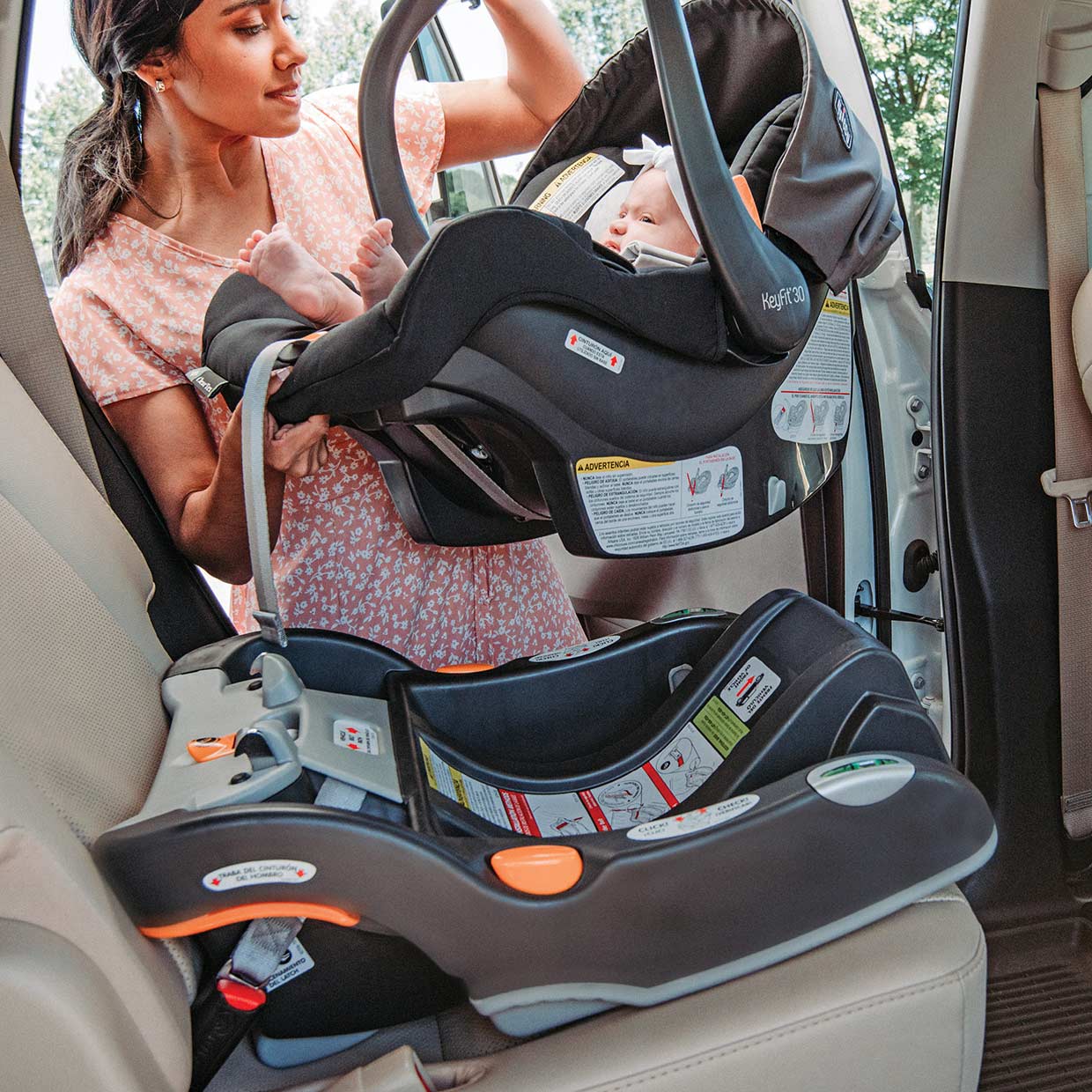
Credit: www.chiccousa.com
Frequently Asked Questions
Where Is The Safest Place For A Newborn Car Seat?
The safest place for a newborn car seat is the rear middle seat. This position provides maximum protection in case of a crash. It is farthest from any point of impact. Always ensure the car seat is securely fastened and correctly installed.
Can Newborns Sit In The Front Seat?
Newborns should never sit in the front seat. The front seat is dangerous due to airbags. Airbags can cause serious injury to infants. Always place newborns in the back seat. Follow car safety guidelines for the best protection.
What Angle Should A Newborn Car Seat Be?
A newborn car seat should be at a 30-45 degree angle. This angle ensures the baby’s head doesn’t flop forward. Proper angle minimizes the risk of suffocation. Always check the seat’s manual for specific angle instructions. Correct installation is crucial for newborn safety.
How Tight Should Car Seat Straps Be?
Car seat straps should be snug, not too tight. You should fit two fingers under the strap at the collarbone. Loose straps can be dangerous in a crash. Always adjust straps for proper fit as your baby grows. Regularly check strap tightness for safety.
Conclusion
Choosing the right spot for your newborn’s car seat is crucial. Safety comes first. The back seat is the safest place. Middle position offers the most protection. Always use a rear-facing car seat. Follow your car seat manual closely. Make sure the seat is secure and snug.
Regularly check the fit as your baby grows. Comfort matters too. Adjust straps and padding as needed. A well-placed car seat ensures peace of mind. Your baby’s safety on the road is invaluable. Prioritize it.


