


How Long to Rear Face Car Seat: Ultimate Safety Guide

Are you wondering how long to rear face a car seat for your child? You’re not alone.
As a parent, ensuring your child’s safety while on the road is a top priority. However, the conflicting advice and ever-changing guidelines can make it confusing. In this post, we’ll unravel the mystery surrounding rear-facing car seats, providing you with clear and straightforward information.
By the end, you’ll know exactly how long you should keep your little one rear-facing, ensuring their safety and your peace of mind. Stay with us to discover the essential facts that every parent should know.
Importance Of Rear-facing Car Seats
Rear-facing car seats play a crucial role in child safety. They protect young passengers in a vehicle. Rear-facing seats support the head, neck, and spine. This reduces the risk of injury during collisions.
For infants and toddlers, rear-facing seats are essential. They offer better protection than forward-facing seats. Parents must understand their importance for child safety.
Why Rear-facing Is Safer
Rear-facing car seats distribute crash forces evenly. This protects the child’s fragile body. Facing backward, the seat absorbs impact. It prevents the child’s head from snapping forward.
Studies show that rear-facing reduces injury risk. It is recommended for children under four. Following guidelines ensures the child’s safety on the road.
Understanding Crash Dynamics
In a crash, cars experience sudden stops. Forward motion can harm a child. Rear-facing seats counteract this. They cradle the child’s body, providing a safety buffer.
This helps reduce stress on the child’s neck and spine. Rear-facing seats minimize injury risks. They are critical for young passengers.
Recommendations From Safety Experts
Experts recommend keeping children rear-facing as long as possible. Many suggest up to age four. Car seat manufacturers provide weight and height limits.
These guidelines help parents make informed decisions. Adhering to them keeps children safer in vehicles.
Parental Concerns And Misconceptions
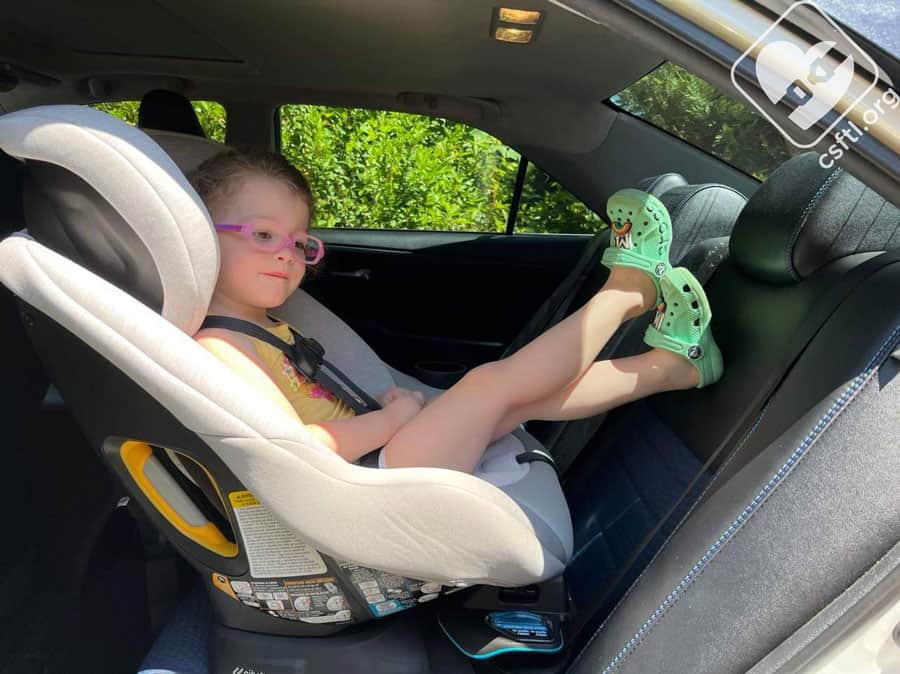
Some parents worry about legroom for older children. Experts assure that children can comfortably sit rear-facing. Flexibility allows them to bend their legs or cross them.
Children often feel secure and cozy in rear-facing seats. Addressing misconceptions ensures parents choose the safest option.
Age And Size Recommendations
Choosing the right car seat for rear-facing is crucial for safety. Infants should ride rear-facing until age 2 or until they reach the seat’s maximum height and weight limit. This ensures optimal protection during travel.
Age and size play crucial roles in determining car seat orientation. Rear-facing car seats are safest for young children. They offer better protection during collisions. Understanding age and size guidelines ensures your child’s safety.Infant Guidelines
Newborns should always use rear-facing car seats. These seats support their fragile bodies. For the first year, it’s essential. Infants lack neck strength to handle forward impacts. Always check your car seat’s manual. Each model has specific age limits.Toddler Considerations
Toddlers benefit from extended rear-facing. This position protects their developing spine. It’s recommended until age two. Some experts suggest even longer. Transition only when your child outgrows the seat. Always prioritize safety over convenience.Height And Weight Limits
Car seats have distinct height and weight limits. These limits ensure optimal protection. Check labels on your car seat. They provide necessary guidelines. Once limits are reached, consider a convertible seat. Keeping your child rear-facing as long as possible is best. Always consult your car seat manual for specifics.Benefits Of Extended Rear-facing
Extended rear-facing car seats offer many benefits for young passengers. Parents often wonder about the right time to switch their child’s car seat position. Keeping your child rear-facing longer can ensure greater safety. Let’s explore the benefits of extended rear-facing.
Enhanced Safety Features
Rear-facing car seats cradle the child’s head, neck, and spine. This position distributes crash forces over the entire body. It reduces the risk of serious injuries. The seat’s shell absorbs impact better when rear-facing. This makes the ride safer for your little one.
Impact On Injury Reduction
Rear-facing reduces the chance of head and neck injuries. Studies show fewer injuries in rear-facing positions during accidents. This position minimizes the risk of spinal injuries. Children benefit from this added protection. It offers peace of mind for parents and caregivers.
Credit: csftl.org
Common Myths And Misconceptions
Rear-facing car seats are a critical part of child safety. Yet, many myths and misconceptions surround their use. These misunderstandings often lead to unsafe practices. Let’s debunk some common myths.
Leg Room Concerns
Parents often worry about their child’s leg room in rear-facing seats. They fear that longer legs might cause discomfort. Surprisingly, children are flexible. They can comfortably bend their legs. This position is natural and safe for them.
Studies show that rear-facing is safer for all ages. It reduces injury risk during collisions. So, leg room concerns should not rush the switch to forward-facing.
Social Pressure And Norms
Social norms often influence parental decisions. Friends may suggest switching to forward-facing early. Some believe it signals a child’s growth. But, social pressure should not dictate safety decisions.
Experts recommend keeping children rear-facing as long as possible. It provides the best protection in accidents. Following expert advice is crucial for child safety. Ignoring myths can save lives.
Transitioning To Forward-facing
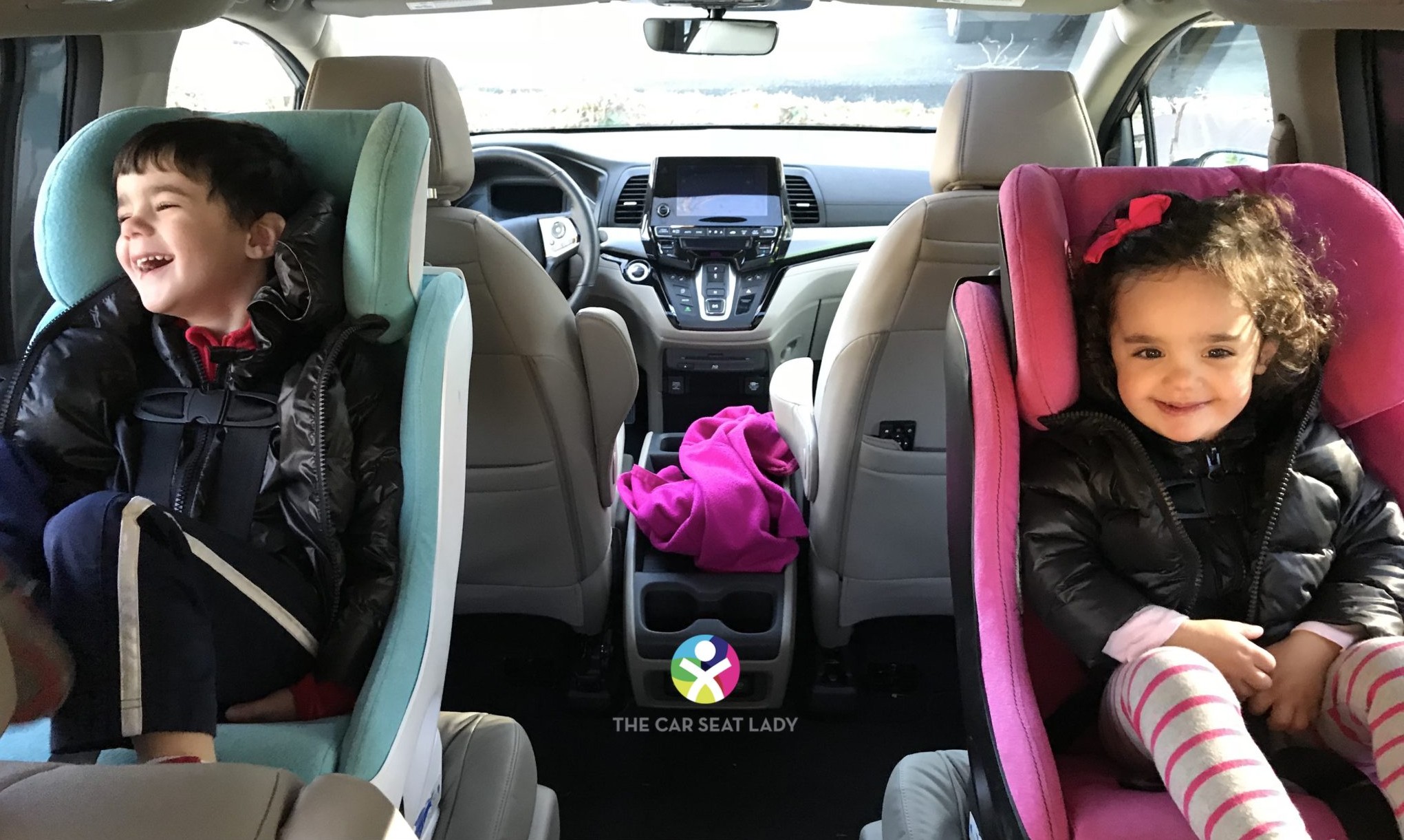
Transitioning a child from a rear-facing to a forward-facing car seat is a significant milestone. Parents often wonder when it’s the right time to make this change. While safety is the top priority, understanding a child’s readiness is crucial.
Signs Your Child Is Ready
Observe your child’s growth. Height and weight are key indicators. If your child exceeds the rear-facing seat limits, consider transitioning. Notice their comfort. Are they too cramped in the rear-facing position? Pay attention to their behavior. If your child consistently resists the rear-facing seat, it might be time to switch.
Choosing The Right Time
Consult the car seat manual. Each seat has specific guidelines for transitioning. Check local laws. Some areas have legal requirements for car seat positions. Evaluate safety recommendations. Experts suggest keeping children rear-facing as long as possible. Consider your child’s age. Generally, children over two years can transition safely. Assess your vehicle’s seating. Ensure the forward-facing position fits securely.
Credit: thecarseatlady.com
Car Seat Installation Tips
Installing a car seat correctly is crucial for child safety. Many parents feel overwhelmed by the process. The right tips can make it easier and safer.
Ensuring Proper Fit
Check the car seat’s manual for guidance. Every model has specific instructions. Make sure the seat fits snugly in the vehicle. Use the seat belt or latch system to secure it. Wiggle the seat to test stability. It should move less than an inch side-to-side or front-to-back.
Common Installation Mistakes
Don’t rush the installation process. Many parents make mistakes by being too quick. Avoid using both the seat belt and latch system together. Choose one method for securing the seat. Ensure the harness is tight around the child. Loose straps can compromise safety. Double-check the angle of the rear-facing seat. Keep it at the recommended recline to protect the child’s head and neck.
Legal Requirements And Guidelines
Understanding the legal requirements and guidelines for rear-facing car seats is crucial for child safety. These regulations vary by region and can influence how long a child should remain rear-facing. Following these guidelines ensures your child’s protection during travel.
State Regulations
Each state in the U.S. has its own car seat laws. Most recommend keeping children rear-facing until at least two years old. Some states require rear-facing until the child exceeds height or weight limits set by the car seat manufacturer. It’s important to check your state’s specific laws for compliance. This helps prevent fines and keeps your child safe.
International Standards
Globally, rear-facing guidelines differ. European countries often advocate for extended rear-facing. The ECE R44/04 standard suggests rear-facing until 15 months. Sweden promotes rear-facing up to four years, emphasizing safety. These standards aim to protect children based on extensive research. Understanding international practices can offer a broader perspective on child safety.

Credit: www.healthychildren.org
Resources For Parents
Choosing the right time to switch your child’s car seat position can be challenging. Parents often seek guidance to ensure their child’s safety. Understanding where to access reliable resources is crucial.
Where To Find Reliable Information
Online platforms offer valuable insights into car seat safety. Websites like the American Academy of Pediatrics provide expert-reviewed guidelines. Look for government sites such as the National Highway Traffic Safety Administration. They offer research-backed advice and updates.
Forums are a great place for shared experiences. Parents discuss common concerns and solutions. Ensure the information comes from credible sources. Double-check facts with official recommendations.
Consulting With Experts
Local pediatricians can be a wealth of knowledge. They can answer specific questions about your child’s needs. Schedule a visit to discuss car seat guidelines.
Certified child passenger safety technicians are another resource. They can inspect your car seat setup. Many communities offer free safety check events. Attend these to get professional advice.
Some stores have trained staff. They assist parents in choosing the right car seat. Always verify their credentials before relying on their advice.
Frequently Asked Questions
How Long Should Kids Rear Face In Car Seats?
Children should rear face until at least age 2. Many experts recommend keeping them rear-facing until they exceed seat limits. Rear-facing seats provide better protection for young children. Always check car seat guidelines and local regulations. Transition only when your child outgrows their current seat.
What Are The Benefits Of Rear-facing Seats?
Rear-facing seats offer superior protection during collisions. They support the head, neck, and spine, reducing injury risks. Rear-facing is especially crucial for infants and toddlers. It distributes crash forces evenly across the body. Always prioritize your child’s safety by choosing the right seat.
When Can I Switch To Forward-facing Seats?
Switch to forward-facing seats when your child exceeds rear-facing limits. This typically happens after age 2. Check car seat guidelines for weight and height restrictions. Ensure your child is ready for the transition. Rear-facing offers the best protection during the early years.
Do Rear-facing Seats Fit In All Cars?
Most rear-facing seats fit in standard vehicles. Always check compatibility with your car’s seat and space. Proper installation is crucial for safety. Car seat manufacturers often provide fit guides online. If unsure, consult a professional for assistance.
Conclusion
Rear-facing car seats enhance child safety. Keep your child in one as long as possible. Always follow weight and height limits specified by the manufacturer. Safety comes first. Check guidelines regularly to stay updated. Each child is unique; their needs might differ.
Consult experts or local regulations for the best advice. Making informed choices ensures protection and peace of mind. Your child deserves the safest journey possible. Prioritize their safety in every ride. Rear-facing is a key step in that journey. Trust the process.
Secure your child’s future on the road. Safe travels always.


