


How Long is a Car Seat Good After Manufacture Date: Key Insights

Are you wondering how long a car seat is good after its manufacture date? You’re not alone.
Many parents and caregivers face this question as they aim to keep their little ones safe on the road. Understanding the lifespan of a car seat is crucial for your child’s safety and your peace of mind. You’ll discover the secrets behind car seat expiration dates, why they matter, and how to ensure your child is always protected.
Don’t risk outdated safety—keep reading to find out everything you need to know about the lifespan of car seats. Your child’s safety could depend on it.

Credit: www.babylist.com
Car Seat Expiration Basics
Car seats are essential for child safety during car rides. They provide protection in the event of a crash. Many parents wonder how long a car seat is good after its manufacture date. Understanding car seat expiration basics is crucial for ensuring your child’s safety.
Understanding Car Seat Expiration Dates
Car seats have expiration dates for safety reasons. Materials can degrade over time. Plastic parts become brittle. Straps may lose strength. Manufacturers set expiration dates to ensure effectiveness.
Reasons For Car Seat Expiration
Technology changes rapidly. Older models may lack the latest safety features. Expired seats might not meet current safety standards. Regular updates ensure optimal protection for children.
Factors Affecting Car Seat Longevity
Environmental factors can impact car seat lifespan. Extreme temperatures cause wear and tear. Humidity accelerates material degradation. Proper storage extends a car seat’s usability.
Checking Your Car Seat’s Expiry Date
Finding the expiration date is simple. Look for a label on the seat. The label shows the manufacture date. It also indicates the expiration date. Typically, car seats expire six to ten years after manufacture.
Importance Of Replacing Expired Car Seats
Expired car seats may compromise safety. They might fail during an accident. Using a valid car seat is vital. Ensure your child’s safety by replacing expired seats.

Credit: www.pampers.com
Factors Affecting Car Seat Lifespan
Understanding the lifespan of a car seat is crucial for safety. Several factors influence how long a car seat remains effective. Knowing these can help make informed decisions.
Material Degradation
The materials used in car seats can wear down over time. Plastic parts may become brittle. Fabric can fade or tear. Exposure to sunlight accelerates this process. High temperatures can also weaken materials. Regular use adds to the wear and tear. Inspect your car seat regularly. Look for cracks or frayed straps. These signs indicate it’s time for a replacement.
Safety Standards Updates
Safety standards evolve to enhance protection. New regulations may affect car seat designs. Manufacturers update products to meet these standards. Older models may not comply with current guidelines. It’s vital to stay informed about these changes. Check for updates from the manufacturer. Ensure your car seat meets the latest safety requirements. This guarantees optimal protection for your child.
Manufacturer Guidelines
Understanding car seat guidelines is essential for safety. Manufacturers provide specific instructions. These guidelines ensure your child’s protection. They detail how long a car seat remains effective. Following these instructions guarantees optimal safety for your child.
Expiration Dates
Every car seat has an expiration date. This date is crucial for safety. It indicates the lifespan of the seat. Over time, materials degrade and may not protect well. Always check the expiration date before use. It’s often found on a label or in the manual.
Warranty And Replacement Policies
Manufacturers offer warranties with their seats. These warranties cover defects or damages. Understanding the warranty helps in case of issues. Some manufacturers also have replacement policies. These policies might apply after an accident. Always review these details for peace of mind.
Signs Of Wear And Tear
Car seats are crucial for child safety. Over time, they may show wear. Understanding these signs helps ensure a child’s safety. Regular checks can prevent accidents. Pay attention to visible damage and performance issues.
Physical Damage
Examine the car seat for cracks or broken parts. Check straps and buckles for frays or tears. A stable seat ensures safety. Padding should remain firm and intact. Replace any parts showing wear immediately.
Performance Issues
Test the seat’s adjustability features. They should work smoothly and without force. Ensure the recline mechanism functions properly. A loose or wobbly seat can be dangerous. Adjust the harness to secure the child snugly. If it slips, consider a replacement.
Importance Of Expiration Awareness
Understanding the expiration of car seats is crucial for safety. Many parents overlook the importance of expiration awareness. A car seat might appear sturdy and usable. But its effectiveness can diminish over time. Expiration dates are there to ensure maximum protection for your child.
Understanding Expiration Dates
Car seats have expiration dates for a reason. Over time, materials can degrade, affecting safety. Manufacturers set these dates based on testing. This ensures the seat performs as intended. Expired seats might not provide the necessary protection. It’s vital to know when your seat expires.
Safety Concerns With Expired Seats
Expired seats can pose serious risks. They might not withstand impacts properly. This can lead to increased injury during accidents. Materials can become brittle or weak. The safety harness may not hold securely. Checking expiration dates helps avoid these dangers.
Impact On Insurance Claims
Using an expired seat might affect insurance claims. Companies may not cover damages if the seat is expired. They expect parents to use seats within their valid period. This is to ensure safety standards are met. Always check the date to avoid complications.
Ensuring Your Child’s Safety
Your child’s safety is paramount. An expired seat may not provide adequate protection. Regularly inspecting the seat’s condition is essential. Replace the seat once it expires. This ensures your child remains protected at all times.
Safety Risks Of Expired Car Seats
Car seats play a vital role in keeping children safe during travel. But many parents overlook the importance of checking the expiry date. An expired car seat poses serious safety risks. These risks can compromise a child’s protection in an accident. Understanding these dangers is crucial for every caregiver.
Impact On Crash Performance
Materials in car seats degrade over time. This degradation affects how well the seat performs during a crash. Older seats may fail to absorb impact effectively. This increases the risk of injury to the child. Cracks or weakened parts might not be visible. Yet, they can significantly alter crash performance.
Legal Implications
Using an expired car seat can have legal consequences. Some regions enforce laws on car seat usage. Expired seats may not comply with safety regulations. This can lead to fines or legal action. It’s important to stay informed about local laws. Ensuring your car seat is up-to-date helps avoid legal issues.
Tips For Extending Car Seat Life
Car seats are essential for child safety. Their lifespan depends on care and usage. Extending a car seat’s life can save money and ensure safety. It requires simple practices and regular checks.
Proper Maintenance
Check straps and buckles often. Look for wear and tear. Clean the car seat with mild soap and water. Avoid harsh chemicals. Inspect the harness for fraying. Tighten loose parts promptly. Follow the manufacturer’s guidelines for cleaning. These steps help keep the car seat in good condition.
Storage Recommendations
Store car seats in a cool, dry place. Direct sunlight can cause damage. Avoid damp areas, which may lead to mold. Use a protective cover during storage. Keep car seats away from heavy objects. This prevents crushing or bending. Proper storage helps maintain the car seat’s shape and function.
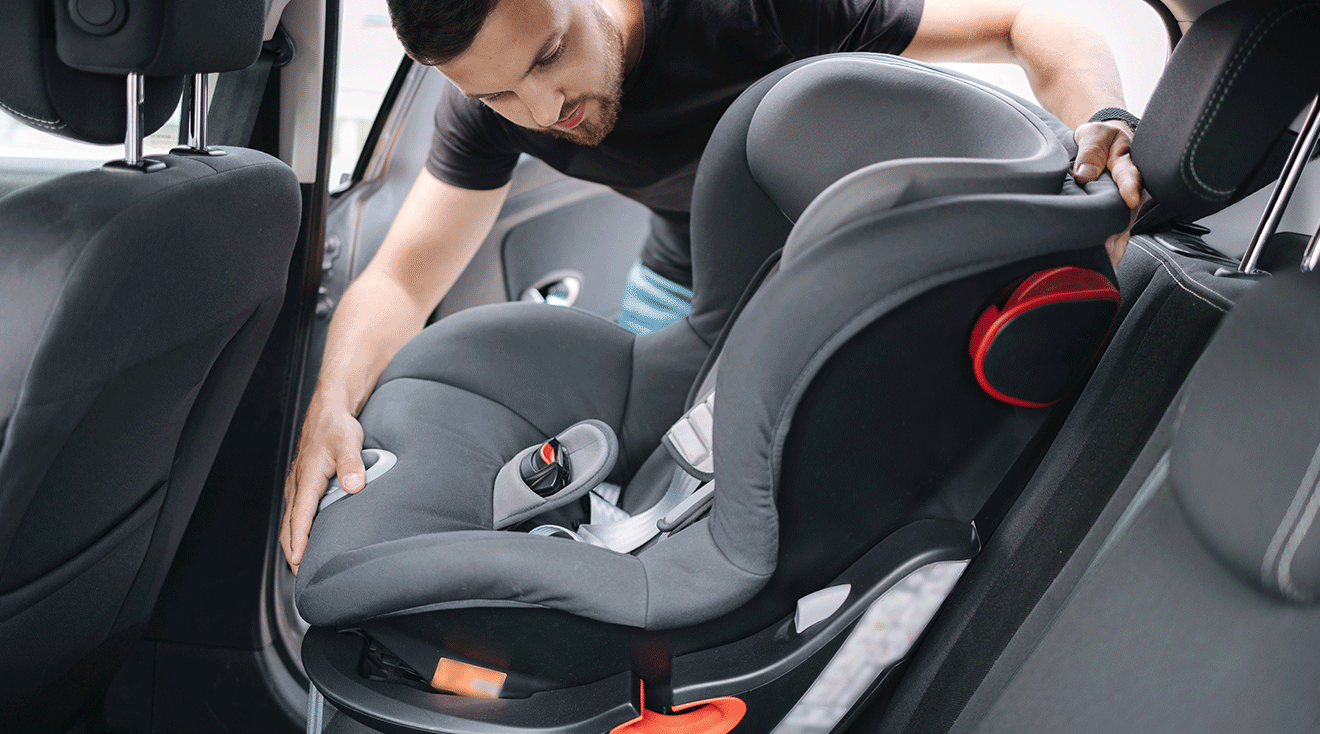
Credit: www.thebump.com
Frequently Asked Questions
What Is The Lifespan Of A Car Seat?
A car seat typically lasts 6 to 10 years from the manufacture date. This varies by brand and model. Always check the expiration label or manual for specific details. Manufacturers set expiration dates to ensure safety standards are met over time.
Why Do Car Seats Expire?
Car seats expire due to material degradation and evolving safety standards. Over time, plastic parts can weaken and safety technologies improve. Regularly updating ensures maximum protection for children. It’s crucial to use seats within their expiration period for optimal safety.
How Can I Find A Car Seat’s Expiration Date?
Check the car seat’s label or manual for the expiration date. It’s usually located on the seat’s bottom or side. Some seats may have embossed expiration details. Always consult the manufacturer’s website if the date isn’t clearly visible.
What Happens If I Use An Expired Car Seat?
Using an expired car seat can compromise safety. Materials may have degraded, reducing effectiveness in a crash. It may also lack updated safety features. For optimal protection, always replace an expired seat with a new, compliant model.
Conclusion
Knowing the lifespan of a car seat ensures your child’s safety. Most car seats last six to ten years from the manufacture date. It’s crucial to check your seat’s expiration date. Materials degrade over time, reducing safety. Regularly inspect for wear and damage.
Replace if any issues arise. Always follow the manufacturer’s guidelines. Doing this keeps your child secure on every trip. Make safety a priority. Use this knowledge to protect your little one. Stay informed and proactive. Safe travels ahead!


