

How to Tell If a Car Seat is Expired: Easy Guide

You might not think about it often, but car seats have an expiration date. Yes, just like the milk in your fridge, that essential piece of safety equipment for your little one doesn’t last forever.
If you’re wondering how to tell if a car seat is expired, you’re in the right place. This guide will give you the confidence to ensure your child’s safety on every journey. Imagine the peace of mind you’ll feel knowing your child is protected by a seat that’s not only secure but also up-to-date.
Keep reading to discover the simple steps to check your car seat’s expiration and why it’s crucial for your child’s safety. Your child’s well-being is worth every moment you spend learning.
Importance Of Checking Expiration
Car seats are crucial for child safety. Parents trust them to protect their kids. But, did you know car seats expire? Checking expiration dates is vital. It ensures your child’s safety. An expired car seat might not function properly. It could lead to dangerous consequences. Regular checks prevent risks.
Materials degrade over time. Plastic weakens and foam loses shape. Safety standards evolve. An expired seat might lack new safety features. Manufacturers improve designs. An expired seat misses these advancements. Regulations change. New rules enhance protection. An old seat might not comply.
Safety Risks Of Using An Expired Car Seat
Expired seats could fail in accidents. They might not hold your child securely. Straps and buckles wear down. They could break during a crash. Expired foam might not cushion impacts. It could lead to injuries. Older seats lack updated technology. This affects performance and safety.
How Expiration Dates Are Determined
Manufacturers set expiration dates based on materials. They consider foam and plastic durability. Testing determines lifespan. Companies follow safety guidelines. They ensure seats meet standards. Expiration dates are a safety measure. They protect your child.
Signs Of Wear And Tear
Look for frayed straps. Check for cracked plastic. Inspect the seat’s padding. Foam should be intact. Check the buckles. They should snap securely. Examine the instruction manual. Confirm it’s not outdated.
Where To Find Expiration Information
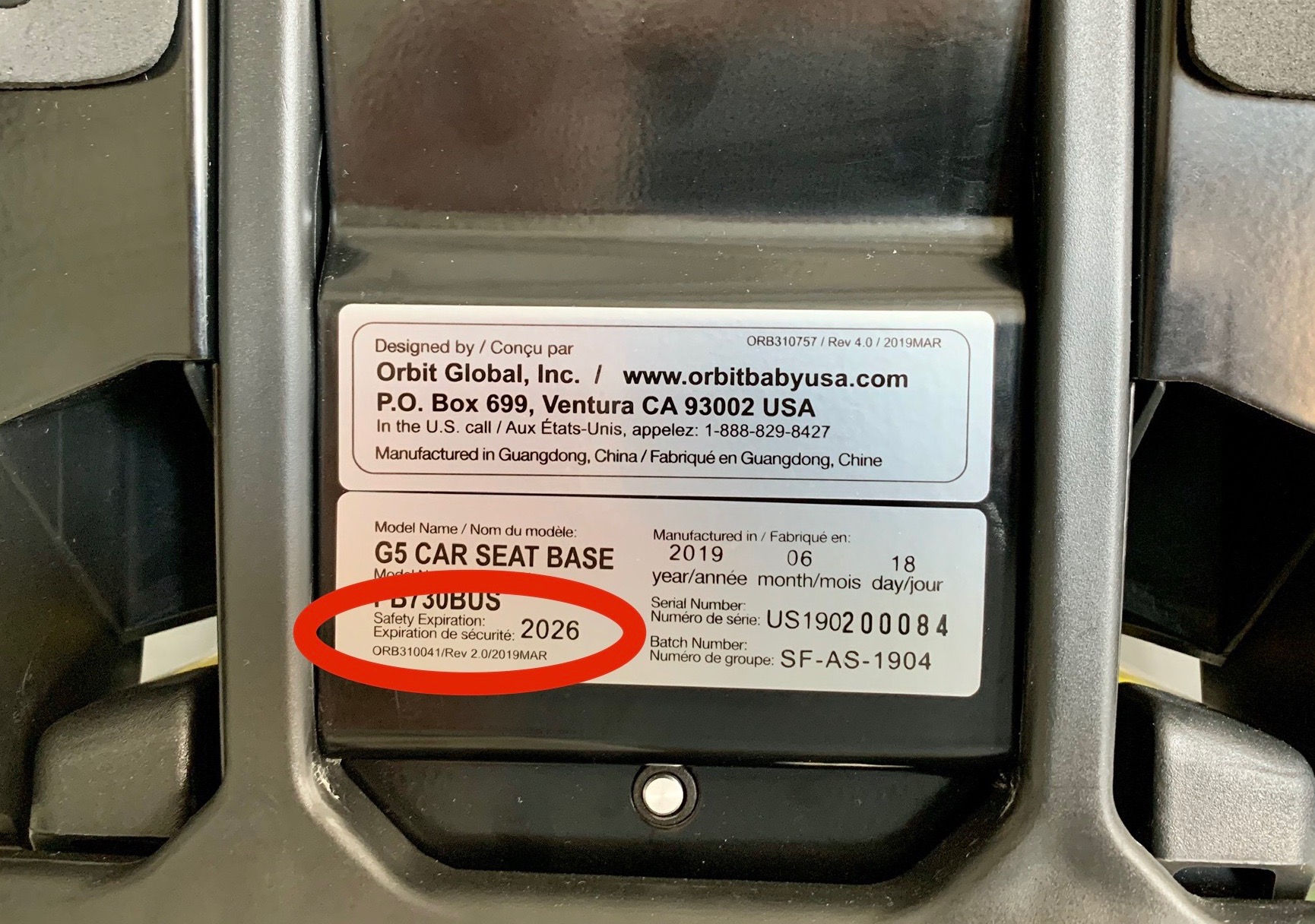
Check the seat’s label. Look for the expiration date. It’s often near the manufacture date. Consult the user manual. It provides expiration details. Visit the manufacturer’s website. They list expiration information.
Credit: support.orbitbabyusa.com
Locate The Expiration Date
Car seats play a vital role in keeping children safe during travel. But they don’t last forever. Knowing the expiration date is crucial for safety. It ensures the car seat provides maximum protection. Expired seats may not meet safety standards. So, let’s explore how to find this important date.
Manufacturer’s Label
The manufacturer’s label is the first place to check. It often sticks to the back or side of the seat. This label contains key information. It includes the expiration date, model number, and manufacture date. Always check these details. They help you know the seat’s lifespan.
Instruction Manual
The instruction manual is another useful resource. It often explains how to find the expiration date. Some manuals list the date directly. Others guide you to the label on the seat. Keep this manual handy. It’s essential for proper installation and safety checks.
Understand Expiration Terms
Understanding expiration terms is crucial for car seat safety. Car seats are not designed to last forever. Their materials can degrade over time, affecting their safety. Knowing the expiration terms ensures your child’s protection on the road. Two critical dates help determine a car seat’s validity.
Use By Date
The “Use By Date” is crucial for safety. It indicates the final safe usage date. Typically, this date is printed on the car seat label. It might be found on the side or base. This date considers the wear and tear of materials. Always check this date before using a car seat.
Manufacture Date
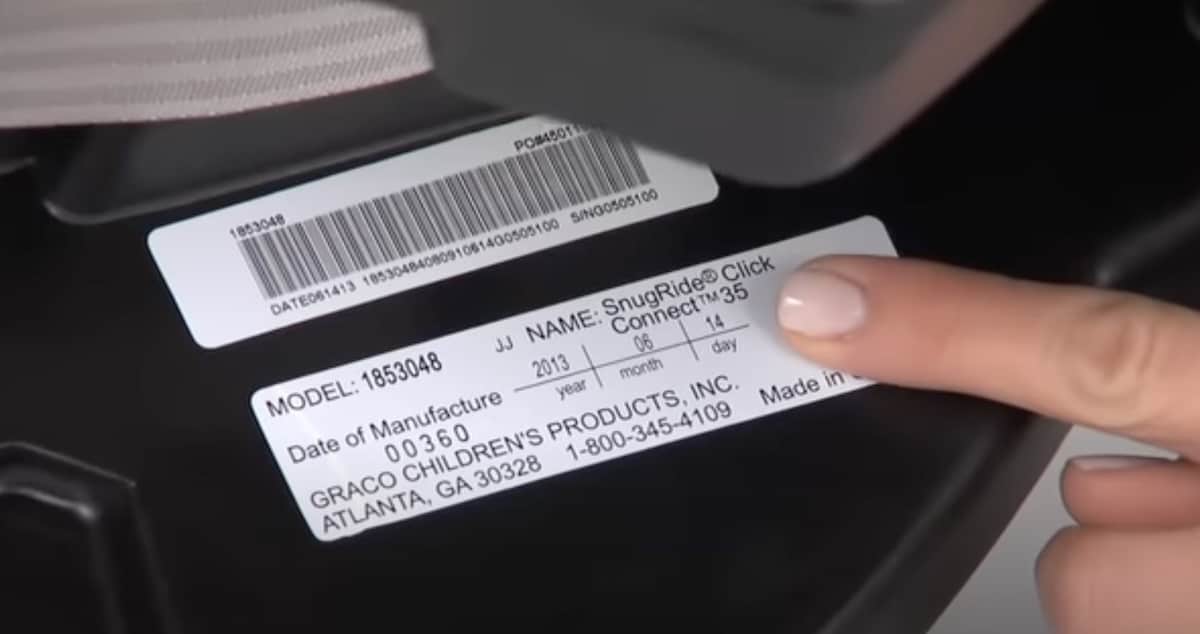
The “Manufacture Date” shows when the car seat was made. It’s essential for calculating the expiration period. Most car seats last between 6 to 10 years from this date. This information is usually on a label or embossed on the seat. Knowing this date helps you track the car seat’s life span.
Identify Signs Of Wear
Identifying signs of wear on a car seat is crucial for safety. An expired car seat can compromise your child’s protection during travel. Regular checks help ensure the seat remains in good condition.
Cracks And Fraying
Inspect the car seat for visible cracks. Cracks may appear on the plastic shell or base. These weaken the structure, affecting its ability to withstand impact. Look for frayed fabric on straps. Fraying reduces the strength of the harness, risking safety.
Missing Parts
Check for missing parts in the car seat. Ensure all buckles and latches are present and functional. Missing pieces may prevent proper installation. Verify that the padding is intact. Padding absence can affect comfort and protection. Inspect for loose screws or bolts. These ensure the seat remains secure during travel.
Check For Recalls
Car seat safety depends on checking expiration dates. Look for a label with the date of manufacture. Typically, car seats expire six to ten years after this date. Regular checks ensure your child’s safety.
When checking if a car seat is expired, ensure it’s not under recall. Recalls address safety issues that might affect the car seat’s performance. By keeping your child’s safety a priority, you need to verify this aspect.
Online Resources
Visit the National Highway Traffic Safety Administration’s (NHTSA) website. Enter the car seat’s model number. This will provide recall information. Check the manufacturer’s website as well. They often list recalls and safety notices. Subscribe to their updates. This ensures you receive timely recall alerts.
Contact Manufacturer
Call the car seat manufacturer directly. Ask if there are any recalls. Have the car seat’s details ready. This includes the model and serial number. The manufacturer can confirm recall status. They might also provide repair instructions. Some even offer replacements. Always keep contact information handy.
Reasons For Expiration
Car seats have expiration dates for important reasons. Ensuring your child’s safety is the top priority. Understanding why car seats expire can help you make informed decisions.
Material Degradation
Car seats are made from materials that break down over time. Plastic and foam can become brittle with age. Exposure to sunlight and temperature changes speeds up this process. Cracks and wear in these materials reduce effectiveness in a crash. Even if the seat looks fine, internal damage might be present. Regular checks can help identify signs of wear.
Safety Standards Updates
Safety standards evolve as technology advances. New research leads to better safety features. Older car seats may not meet current safety requirements. Manufacturers update designs to comply with new regulations. Using an outdated seat might put your child at risk. Checking for safety standard updates ensures your seat offers the best protection.
Steps After Expiration
Checking the label on a car seat reveals its expiration date. Examine the plastic for cracks or fading. Inspect the straps for wear and tear. Expired seats may not meet safety standards, compromising protection during travel.
When a car seat expires, safety is compromised. Knowing what to do next is crucial. Protecting your child is the top priority. Follow the correct steps after expiration to ensure safety. Here’s what you need to know.
Disposal Guidelines
Disposing of an expired car seat requires care. Remove the padding and fabric first. Check with local waste management for disposal rules. Some areas recycle parts of car seats. Contact local recycling centers to inquire. Always make the seat unusable before disposal. Cut straps and remove buckles. This prevents others from using it.
Replacement Options
Choosing a new car seat demands attention. Research different brands and models. Safety ratings are essential. Check for the latest safety standards. Newer models often have advanced safety features. Consider your child’s weight and height. Ensure the new seat fits your car. Explore online reviews for user feedback. Visit stores to test seats physically. Compare prices for the best deal. Safety should always come first.
Credit: southernmaineonthecheap.com
Frequently Asked Questions
How To Check Car Seat Expiration Date?
To check a car seat’s expiration date, look for a label on the seat or its base. This label typically displays the expiration date or the date of manufacture. If it’s not visible, refer to the user manual or contact the manufacturer for guidance.
Why Do Car Seats Expire?
Car seats expire due to wear and tear, evolving safety standards, and material degradation. Over time, components can weaken, impacting safety in a crash. Manufacturers set expiration dates to ensure optimal protection for your child, keeping up with technological and regulatory advancements.
What Happens If I Use An Expired Car Seat?
Using an expired car seat compromises your child’s safety. The seat may not perform effectively in a crash due to weakened materials. Expired seats might lack newer safety features, putting your child at greater risk. Always check the expiration date and replace the seat when necessary.
Can I Use A Car Seat Past Its Expiration?
It’s not recommended to use a car seat past its expiration. The seat’s integrity may be compromised, reducing its effectiveness in a crash. For optimal safety, adhere to the manufacturer’s guidelines and replace the seat once it reaches its expiration date.
Conclusion
Car seat safety is crucial for your child’s protection. Checking expiration dates ensures maximum safety. Always inspect labels for manufacturing details. If unclear, consult the manual. Expired seats may not provide adequate protection. New seats offer better features and reliability.
Regular checks prevent unexpected issues. Your child’s safety depends on up-to-date equipment. Don’t risk using an outdated seat. It’s important to prioritize safety over convenience. Keep your child secure with a current seat. Making informed choices keeps your loved ones safe.
Remember, safety always comes first.


