


How Long Newborn in Car Seat: Essential Safety Tips

As a new parent, you’re constantly making choices to ensure the safety and comfort of your newborn. One decision that often comes with questions is how long your little one should stay in a car seat.
You want to get it right, but there’s a lot of conflicting advice out there, isn’t there? It’s crucial to balance safety with comfort, and you might be wondering if you’re doing it correctly. We’re going to give you clear, straightforward answers to help you feel confident every time you buckle up your baby.
The insights shared here are not just based on expert advice but also on real-life experiences from parents just like you. So, keep reading to discover the best practices for car seat use and learn how to make each journey a safe and happy one for your newborn.
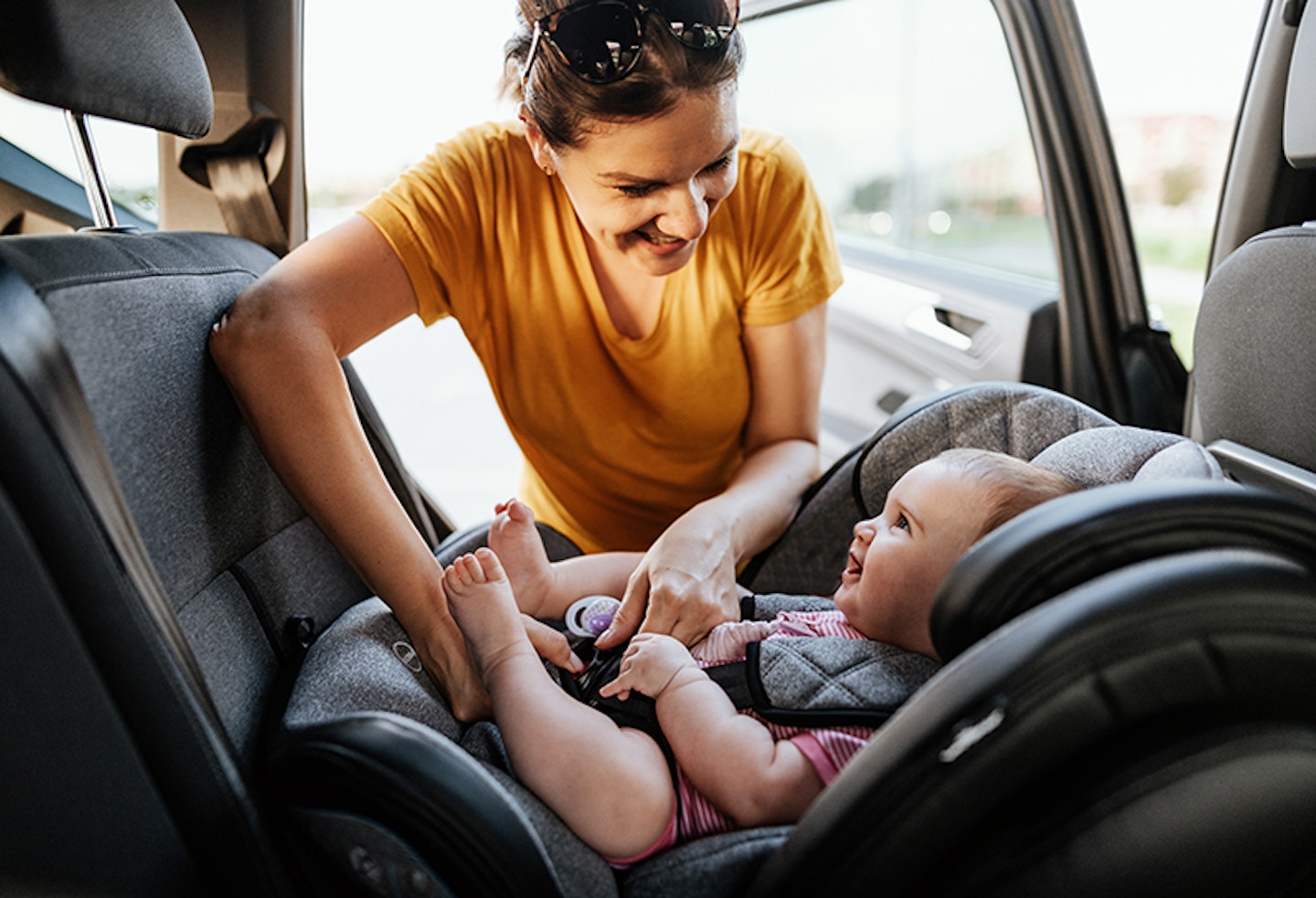
Credit: www.motherandbaby.com
Newborn Car Seat Guidelines
Newborn car seat guidelines are essential for a baby’s safety. Parents need to understand the rules for using car seats correctly. These guidelines ensure your newborn is safe during travel.
Newborn Car Seat Position
Place the seat in the back row. This keeps the baby safe from airbags. Rear-facing position is mandatory for newborns. It protects the baby’s neck and spine.
Car Seat Angle
Check the seat’s angle indicator. The seat must recline at a 45-degree angle. This prevents the baby’s head from falling forward. It ensures the airway remains open.
Time Limit In Car Seat
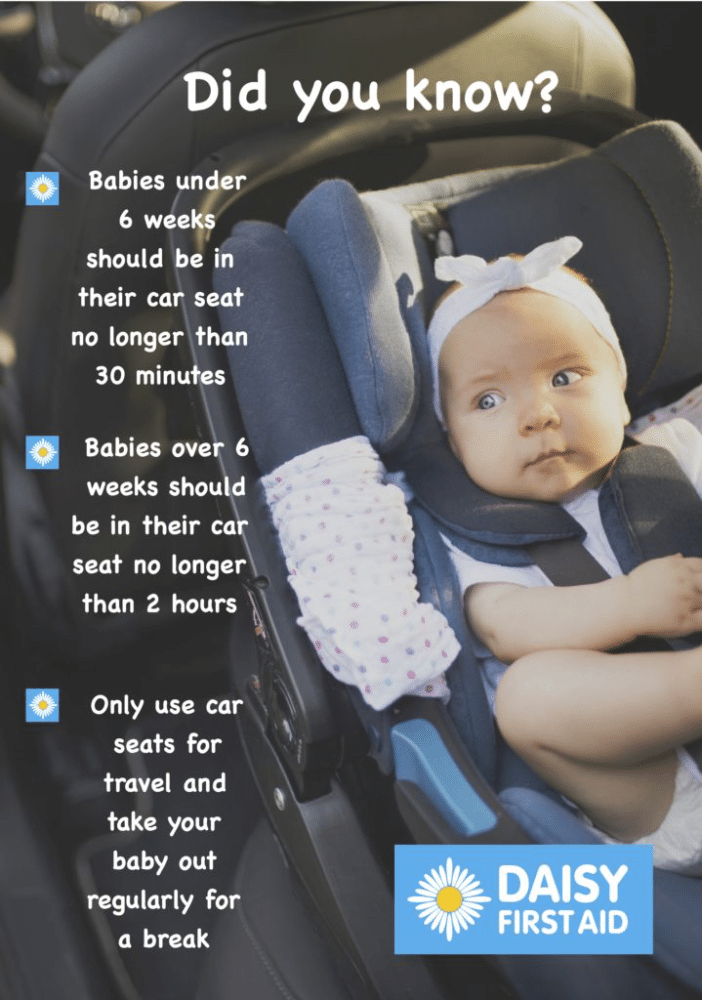
A newborn should not be in a car seat for more than two hours. Long periods can cause breathing problems. Take breaks during long drives. Allow the baby to stretch and move.
Secure Straps
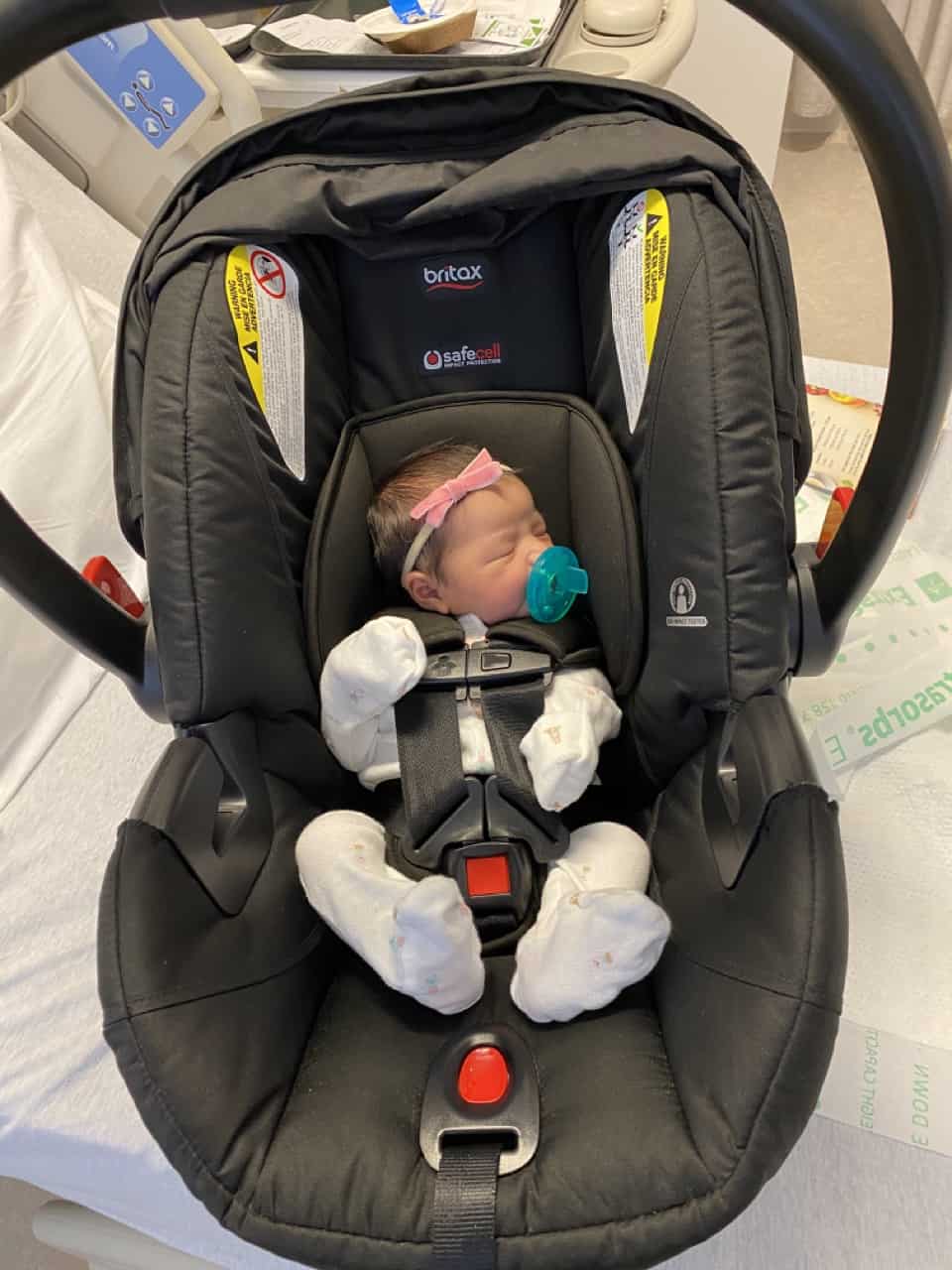
Straps must be snug, not too tight or loose. The harness should be at or below shoulder level. Use the pinch test to check strap tightness. If you can pinch the strap, it is too loose.
Car Seat Installation
Follow the manufacturer’s instructions carefully. Ensure the seat is firmly installed. Check the base is stable before every trip. A secure seat prevents injuries during sudden stops.
Credit: www.consolata.org
Choosing The Right Car Seat
Choosing a car seat for your newborn is crucial. Safety is the top priority for any parent. A well-chosen car seat can make all the difference. It’s important to find the right fit for your baby’s needs. Consider durability and comfort. Your choice will impact your baby’s safety on the road.
Types Of Car Seats
There are several car seat types to consider. Infant car seats are designed for babies up to 35 pounds. They are portable and easy to handle. Convertible car seats grow with your child. They can be used rear-facing and then forward-facing. All-in-one seats offer the most extended use. They serve as infant, convertible, and booster seats.
Features To Look For
Choose a seat with a five-point harness. It provides the best protection. Side-impact protection is also essential. It shields your baby from side collisions. Consider a seat with adjustable head support. It ensures your baby’s comfort and safety. Look for easy installation features. A secure seat means peace of mind.
Proper Installation Techniques
Ensuring the safe travel of your newborn starts with proper car seat installation. A correctly installed seat provides the best protection. Many parents find installation challenging. But with the right techniques, it becomes manageable. Here, we explore crucial installation methods.
Using The Base
The base ensures the car seat is stable. Place the base on the car seat. Ensure it is flat and secure. Check the level indicator. It should show the base is correctly angled. Use the car’s LATCH system if available. It gives a secure fit. Listen for clicks or beeps. They confirm the base is locked.
Securing With Seatbelts
Not all cars have a LATCH system. Use seatbelts as an alternative. Thread the seatbelt through the designated path. Ensure it is tight and free of twists. Buckle it securely. Pull the belt to lock it. Test for movement. The seat should not shift more than an inch. A stable seat ensures safety during travel.
Positioning Your Newborn Safely
Ensuring your newborn is safe in the car seat is crucial. Proper positioning is key for comfort and safety during car rides. Knowing the right techniques helps protect your baby’s delicate body. Let’s explore some essential tips for positioning your newborn safely.
Angle And Recline
The angle of the car seat matters for your baby’s safety. Keep the seat reclined at about 45 degrees. This angle prevents your baby’s head from falling forward. It also helps them breathe easily. Most car seats have angle indicators. Use these guides to adjust the seat correctly. A proper recline reduces risks during sudden stops.
Head And Neck Support
Your newborn’s head and neck need extra support. Use the car seat’s built-in padding for this purpose. Ensure the head is centered and supported. Avoid adding extra cushions or pads. They can interfere with the seat’s safety features. Adjust the straps to fit snugly around your baby. This prevents unnecessary movement during the ride. A well-positioned head ensures comfort and safety.
Duration Recommendations
Understanding how long a newborn should spend in a car seat is crucial. Car seats offer safety during travel, but prolonged periods can be harmful. It’s vital for parents to know the recommended duration limits. This ensures the baby’s comfort and health during car rides.
Time Limits For Car Rides
Experts advise limiting newborns’ car seat time to 2 hours. This duration applies for a single stretch. Extended periods can lead to discomfort and potential breathing issues. It’s essential to plan trips considering these limits. Ensure the baby remains safe and comfortable throughout the journey.
Breaks And Rest Stops
Regular breaks during travel are beneficial for newborns. Stops allow the baby to stretch and move. These breaks help reduce risks associated with prolonged sitting. Plan to pause every couple of hours. This gives the baby time out of the car seat. Additionally, breaks help parents relax and refresh.
When planning trips, include rest stops. These stops provide a chance to check on the baby’s needs. Fresh air and a change of position are vital. Make sure the baby is relaxed and content before resuming travel.
Signs Of Discomfort
Newborns should not stay in car seats for too long. Signs of discomfort include crying, fussiness, and restlessness. Watch for these signs and take breaks to ensure your baby’s comfort and safety. Regular stops during travel help prevent any potential discomfort or health issues.
Understanding the signs of discomfort in a newborn in a car seat is crucial. Babies can’t express discomfort like adults. Parents must be vigilant to ensure their little one is safe and comfortable. Recognizing these signs can prevent potential health issues and ensure a smooth ride.Monitoring Baby’s Posture
The posture of a newborn in a car seat is important. Ensure the baby’s head is not slumped forward. This position can cause breathing difficulties. The back should be well-supported. Check if the baby looks cramped. Legs and arms should move freely. Adjust straps if necessary. Straps should be snug but not tight. Proper posture ensures comfort and safety.Recognizing Signs Of Stress
Babies show stress through various signs. Listen for excessive crying or fussiness. These can indicate discomfort or stress. Watch for changes in skin color. Pale or flushed skin can be concerning. Check for signs of sweating. Sweating might mean the baby is too hot. Be attentive to any unusual behavior. Quick recognition of stress signs ensures a happier journey.Weather Considerations
Weather plays a crucial role in keeping newborns safe in car seats. Parents must be aware of the impact of temperature and sunlight on their babies. Proper precautions can ensure comfort and safety during travel.
Temperature Control
Maintain a comfortable environment inside the car. Babies are sensitive to temperature changes. Keep the car cool in summer and warm in winter. Use air conditioning or heaters wisely. Avoid extreme temperatures which can make the baby uncomfortable. Check the temperature before placing the baby in the seat.
Sun Protection
Direct sunlight can harm a newborn’s delicate skin. Use sunshades on car windows to block harsh rays. Consider using a baby-friendly sunscreen if necessary. Position the car seat away from direct sunlight. Ensure your baby is shaded and protected during sunny days.
Credit: amybabys.com
Emergency Preparedness
Emergency preparedness is crucial when traveling with a newborn. Unexpected situations may arise while your baby is in a car seat. Being ready ensures safety and peace of mind. You need a solid plan and essential supplies to handle emergencies effectively.
Essential Supplies
Always have a well-stocked emergency kit in your car. Include diapers, wipes, and extra clothes for your newborn. Pack a blanket to keep your baby warm. Ensure you have a first-aid kit with bandages and antiseptic wipes. Don’t forget a flashlight with extra batteries. Consider non-perishable snacks and bottled water for you and your little one.
Creating A Plan
Develop a clear emergency plan for unexpected situations. Know the nearest hospitals on your route. Share your travel plan with family or friends. Have emergency contact numbers saved in your phone. Practice how to safely remove your baby from the car seat in emergencies. Stay calm and follow your plan if an emergency arises.
Expert Advice And Resources
Ensuring your newborn’s safety in a car seat requires expert advice and reliable resources. Parents often feel overwhelmed by the guidelines surrounding car seat usage. Knowing how long a newborn should stay in a car seat is crucial. Expert advice provides clarity. Reliable resources offer peace of mind. These tools help parents make informed decisions.
Consulting Pediatricians
Pediatricians are trusted sources of advice. They understand the health needs of newborns. They offer personalized recommendations based on your baby’s condition. Consulting with them ensures your baby remains safe. Pediatricians can advise on proper car seat usage. They can help determine suitable durations for car seat travel. Regular check-ups provide opportunities to discuss concerns.
Accessing Online Resources
The internet is a valuable resource for parents. It offers a wealth of information on newborn safety. Many websites provide guidelines on car seat usage. These resources often include expert opinions. They can help answer common questions parents have. Online forums allow interaction with other parents. Sharing experiences can be reassuring. Educational videos demonstrate proper installation and usage.
Frequently Asked Questions
How Long Can A Newborn Stay In A Car Seat?
A newborn should not stay in a car seat for more than 2 hours at a time. Extended periods can lead to discomfort and potential health risks, including restricted airflow. It’s essential to take breaks, allowing the baby to stretch and move.
Regular monitoring ensures the baby’s safety and comfort.
Is It Safe For Newborns To Sleep In Car Seats?
While car seats are designed for safety, they are not ideal for long sleep. Prolonged sleep in a car seat can cause breathing difficulties due to the baby’s posture. It’s recommended to transfer the baby to a crib or bassinet for extended sleep periods to ensure their safety.
What Is The Ideal Car Seat Angle For Newborns?
Newborns should have their car seats reclined at a 30 to 45-degree angle. This position supports their head and neck, preventing airway obstruction. Ensuring the correct angle maintains safety during travel, minimizing risks associated with improper positioning.
How Can I Ensure My Newborn’s Comfort In A Car Seat?
To ensure comfort, adjust the car seat harness snugly yet comfortably. Use padded inserts designed for newborns to support their head. Regularly check for temperature, avoiding overheating or chilling. Frequent breaks allow for movement and prevent discomfort during longer journeys.
Conclusion
Ensuring your newborn’s safety is crucial during car rides. Always follow car seat guidelines. Limit time in the car seat to two hours. Take regular breaks during long trips. Check the seat’s installation frequently. Comfort and safety should be your top priorities.
Choose the right car seat for your baby’s age and weight. Consult the car seat manual for best practices. Remember, a safe journey starts with a properly secured baby. Stay informed about the latest safety recommendations. Your baby’s well-being depends on it.
Safe travels!


