


Best Car Seat Position for Lower Back Pain: Ultimate Guide

Do you often find yourself wincing in pain after driving, your lower back feeling tight and uncomfortable? You’re not alone.
Many people experience lower back pain, especially during long car rides or daily commutes. But what if there was a simple way to reduce this discomfort and make driving more enjoyable? The secret might just lie in how you position your car seat.
Understanding the best car seat position for lower back pain could transform your driving experience, turning it from a dreaded chore into a pain-free journey. Read on to discover practical tips that could ease your back pain and enhance your comfort on the road.
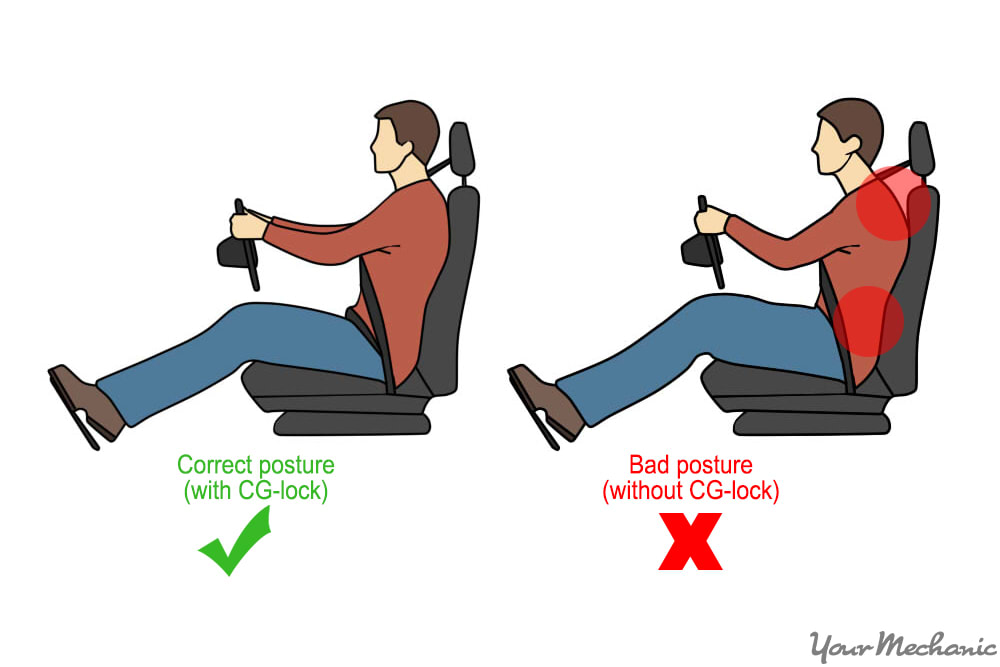
Credit: www.yourmechanic.com
Importance Of Proper Seating
Proper seating in a car can greatly impact your comfort and health. Many drivers experience lower back pain due to incorrect seat positions. Adjusting your seat can make a significant difference in reducing pain. It supports your spine and maintains natural curves. Ensuring correct alignment is crucial for long journeys.
Cars are designed with various seat adjustments. Knowing how to use them is essential. Proper seat positioning distributes weight evenly. This reduces stress on your lower back.
Understanding Ergonomics
Ergonomics focuses on designing items to fit human needs. Car seats should support your posture. Good posture prevents strain and discomfort. Adjusting seat height and tilt can improve lumbar support. This promotes a healthier spine position.
Adjusting Seat Height
Seat height affects visibility and posture. Set your seat so your eyes align with the windshield. Your knees should be slightly lower than your hips. This position reduces pressure on your lower back.
Using Lumbar Support
Lumbar support is key for back health. Many car seats have adjustable lumbar features. Use them to support the curve of your lower spine. This alleviates tension and helps maintain posture.
Setting Seat Tilt
The seat tilt impacts your comfort. Recline the seat slightly for relaxation. Avoid reclining too much. Excessive recline can increase back strain. A moderate angle supports your spine better.
Positioning Headrest
The headrest should be level with your head. It supports the neck and upper spine. Proper positioning can prevent neck pain. Adjust it to reduce pressure during sudden stops.
Common Causes Of Back Pain In Drivers
Back pain often troubles drivers during long journeys. Many factors contribute to this discomfort. Understanding these can help in finding relief.
Prolonged sitting is a major cause. It puts pressure on the spine. This strain can lead to pain over time. Let’s explore more causes.
1. Poor Posture
Many drivers slouch while driving. This habit strains the lower back. Maintaining good posture is crucial for comfort.
2. Inadequate Seat Support
Car seats often lack proper lumbar support. This deficiency can lead to discomfort. A good seat cushion may help reduce pain.
3. Vibration From The Road
Road vibrations impact the spine. Constant vibration can increase back pain. A smoother ride can help lessen this impact.
4. Long Driving Hours
Driving for extended periods can stiffen muscles. Regular breaks can reduce stiffness. Stretching during breaks aids in relief.
5. Incorrect Seat Adjustments
Improper seat settings can cause strain. Adjusting the seat correctly is essential. It helps maintain a natural spine curve.
Ideal Seat Adjustments
Finding the right car seat position can ease lower back pain. Ideal seat adjustments enhance comfort and support during drives. Proper positioning helps maintain spinal alignment and reduces pressure on the lower back. This section explores effective seat adjustments for lower back relief.
Seat Height
Adjust the seat height to ensure your feet rest flat on the floor. Knees should be at a comfortable angle, slightly higher than hips. This position reduces strain and promotes good posture. Avoid sitting too high or low to prevent discomfort.
Backrest Angle
Set the backrest angle to support your lower back. A slight recline, around 100 to 110 degrees, is ideal. This angle reduces pressure on the spine and offers better support. Ensure the backrest aligns with the natural curve of your spine.
Seat Depth
Adjust the seat depth to distribute weight evenly. Ensure the seat supports thighs without cutting circulation. Maintain a small gap between the back of knees and seat edge. This prevents discomfort and improves blood flow.
Lumbar Support Options
Finding the best car seat position for lower back pain can be crucial. Comfort during long drives is essential. Lumbar support options are vital in achieving this comfort. They provide relief and help maintain proper posture. This section explores various lumbar support options available.
Built-in Supports
Many modern cars come with built-in lumbar supports. These supports are integrated into the seat design. They offer adjustable firmness to suit your needs. You can adjust the support to fit your lower back. This helps reduce tension and discomfort. Built-in supports are convenient for long journeys. They enhance comfort without the need for extra accessories.
Aftermarket Cushions
Aftermarket cushions offer an alternative for lumbar support. They can be added to any car seat. These cushions are designed to support the lower back. They provide additional cushioning and comfort. You can find cushions with various firmness levels. Choose one that aligns with your comfort preference. Aftermarket cushions are portable and easy to install.
Steering Wheel Positioning
Steering wheel positioning plays a vital role in reducing back pain. A well-positioned steering wheel can alleviate stress on your lower back. This setup allows for a more relaxed driving experience.
1. Maintain a Comfortable DistanceEnsure your seat is not too far from the steering wheel. Your arms should bend slightly when holding the wheel. This positioning reduces strain on your back and shoulders.
2. Adjust the Wheel HeightThe steering wheel should align with your chest level. This alignment helps maintain a natural arm position. Avoid reaching up or down, as it strains your back.
3. Ensure Good VisibilityYour view of the dashboard should be clear and unobstructed. Adjust the wheel to see the gauges easily. This ensures you don’t stretch or slouch.
4. Grip ComfortablyHands should rest comfortably at the 9 and 3 o’clock positions. This grip reduces stress on your wrists and back. Avoid gripping the wheel too tightly.
5. Use Steering Wheel ControlsSteering wheel controls help reduce unnecessary movements. Use them to adjust settings without moving. This minimizes strain and keeps your posture intact.

Credit: www.youtube.com
Foot And Pedal Placement
Foot and pedal placement is crucial for managing lower back pain while driving. Proper placement can reduce strain and enhance comfort on long journeys. Many drivers overlook this aspect, leading to unnecessary discomfort.
Foot Position
Your feet should rest naturally on the pedals. Keep your heel on the floor, allowing easy movement. This position minimizes stress on your lower back.
Distance From Pedals
Sit close enough to reach the pedals comfortably. Avoid stretching your legs too far. Ensure your knees remain slightly bent. This helps maintain proper posture.
Pedal Pressure
Apply consistent, gentle pressure on the pedals. Avoid sudden movements or pressing too hard. This prevents unnecessary strain on your back.
Adjustable Pedals
If your car has adjustable pedals, use them. Customize the pedal distance to suit your comfort. This feature can greatly improve driving ergonomics.
Footwear Choice
Wear comfortable shoes for driving. Flat, supportive shoes work best. Avoid heels or heavy boots as they can affect pedal control.
Regular Breaks And Stretches
Driving for long hours can strain the lower back. Regular breaks and stretches during car trips help alleviate this discomfort. They ensure better posture and enhance overall comfort on the road. Taking a few moments to move and stretch can make a big difference. Let’s explore how breaks and stretches can help.
Why Regular Breaks Matter
Sitting for extended periods tightens muscles. This can increase lower back pain. Regular breaks help by reducing tension. They improve circulation and provide a mental refresh. Short stops can keep you more alert and comfortable.
Effective Stretches For Drivers
Simple stretches during breaks can ease back pain. Neck rolls and shoulder shrugs are easy to perform. Gentle twists can also relieve tension. Focus on stretching the lower back and hips. These exercises can prevent stiffness and pain.
Timing Your Breaks
Plan to take breaks every hour or two. Short breaks of 5 to 10 minutes are enough. Use this time to walk around and stretch. Consistent breaks can improve your overall driving experience. They help maintain focus and comfort.
Benefits Beyond Pain Relief
Regular breaks and stretches offer more than just pain relief. They can boost your mood and energy levels. Frequent movement helps reduce stress and fatigue. This leads to safer and more enjoyable journeys. Prioritize these practices for better driving health.

Credit: advancedpainreliefclinicmk.co.uk
Choosing The Right Vehicle
Choosing the right vehicle is crucial for managing lower back pain. Your car’s design and features can either alleviate or worsen discomfort. Finding a vehicle that supports your back ensures a more comfortable driving experience.
Features To Look For
Prioritize vehicles with adjustable seats. Lumbar support is essential for reducing back pain. Look for seats that offer this feature. Ensure the car has an adjustable steering wheel. This helps maintain a good posture. A spacious interior allows more room for movement. This helps in stretching your legs and back. Consider cars with vibration-dampening technology. It reduces road impacts and provides a smoother ride.
Test Driving Tips
Test drive the vehicle before buying. This helps evaluate comfort. Adjust the seat to your preferred position. Check if your back feels supported. Pay attention to the seat’s cushioning. It should be firm, yet comfortable. Drive on various road types. Notice how the car handles bumps and turns. During the drive, assess your back’s comfort level. If discomfort arises, consider another vehicle option.
Additional Tips For Comfort
Finding relief from lower back pain while driving is essential. Comfort in the car seat can make a significant difference. Proper position is crucial, but there are other factors to consider.
Clothing Choices
Wear clothes that allow easy movement. Tight clothes can restrict blood flow. Choose breathable fabrics. Loose clothing helps you adjust your position easily.
Temperature Control
Keep your car at a comfortable temperature. Heat can relax your muscles. Avoid settings that are too hot or too cold. Use seat heaters if available. Proper temperature reduces tension and discomfort.
Frequently Asked Questions
What Is The Best Car Seat Position For Back Pain?
Adjust your seat to a semi-reclined angle to support your spine. Ensure your knees are slightly bent and your feet flat. This position helps reduce pressure on your lower back, promoting better posture and reducing discomfort during long drives.
How Can I Adjust My Car Seat For Comfort?
Slide your seat back until your legs rest comfortably without stretching. Tilt the seat slightly back to support your lower back. Use lumbar support if available. This setup can improve comfort and help prevent back pain during extended periods in the car.
Does Lumbar Support Help With Lower Back Pain?
Yes, lumbar support provides additional support to the lower back. It helps maintain the natural curve of your spine, reducing strain and discomfort. Adjust the lumbar support to align with your lower back for optimal comfort and pain relief while driving.
Should I Use A Cushion For Lower Back Pain?
Using a cushion can be beneficial for lower back pain. A cushion can provide extra support and promote better posture. Choose a cushion designed for lumbar support to ensure it fits well and enhances comfort during your drive.
Conclusion
Choosing the right car seat position can ease lower back pain. Adjust your seat to support your spine properly. Ensure your back rests comfortably against the seat. Keep your knees slightly bent for better circulation. Position the steering wheel within easy reach.
Regular breaks during long drives help too. Small adjustments make a big difference. Prioritize comfort for a pain-free journey. Explore these tips for a healthier driving experience. Enjoy the road with less discomfort. Your back will thank you. Safe travels!


