


When Does a Safety First Car Seat Expire? Essential Guide

When it comes to your child’s safety, there’s no room for compromise. You meticulously select the best car seat, ensuring every car ride is a safe one.
But have you ever wondered, “When does a Safety First car seat expire? ” Knowing this crucial detail can be the difference between peace of mind and a risky ride. In the hustle and bustle of daily life, it’s easy to overlook the expiration date of such an essential safety item.
However, understanding when your car seat expires isn’t just about following rules—it’s about keeping your little one secure. Dive into this article to discover the signs, facts, and tips that will help you stay one step ahead in safeguarding your child’s journey. Don’t let a simple oversight compromise what matters most.
Importance Of Car Seat Expiry
Car seats are crucial for child safety in vehicles. They protect children during car rides. Many parents don’t realize car seats have an expiration date. This date is vital for ensuring optimal safety. Over time, materials can degrade. Even the best car seats aren’t immune to wear and tear.
Safety First car seats also have expiration dates. These dates ensure the seat functions as intended. Using an expired car seat may compromise safety. It’s crucial to understand the importance of these dates.
Understanding Material Deterioration
Materials in car seats can weaken over years. Plastic can become brittle. Fabric may wear thin. Metal parts might rust. Such deterioration affects the seat’s safety performance. Parents must know the risks of using outdated seats.
Ensuring Compliance With Safety Standards
Safety standards evolve with new research. Car seats must adhere to these standards. Expired seats may not meet current guidelines. Using up-to-date seats ensures compliance. This guarantees maximum protection for your child.
Impact On Insurance And Legal Matters
Insurance claims might be affected by expired seats. Legal issues could arise in case of accidents. Properly functioning seats are crucial for legal safety. Ensure your car seat is within its expiry range.
Credit: wb-iisg.com
Identifying Expiry Dates
Understanding the expiry dates of Safety First car seats is crucial. This ensures the safety of your child while traveling. Car seats have a limited lifespan due to wear and tear. Over time, materials can degrade, compromising safety standards. Identifying expiry dates helps maintain optimal protection for your little one.
Location Of Expiry Date
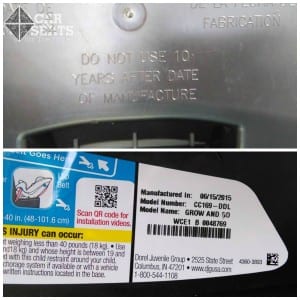
Finding the expiry date on a Safety First car seat is simple. Check the bottom or the back of the seat. Sometimes, the date is on the side of the seat. Manufacturers place it in a visible spot. It might be near the serial number or model information. Keep an eye out for a sticker or an engraved label.
Format Of Expiry Labels
Expiry labels on car seats follow a consistent format. They often include the exact date of expiration. You might see a month and year format. For example, “Expires: 12/2025.” Some labels might mention the manufacturing date. Add a number of years to calculate the expiry date. Common terms include “Do not use after” or “Expires on.” Always read the label carefully to understand it.
Factors Influencing Expiry
Safety First car seats have expiry dates due to material wear and evolving safety standards. Check the label for specific expiry information. Ensure your child’s safety by replacing the seat as needed.
Factors Influencing Expiry of car seats play a crucial role. Parents need to understand why safety first car seats expire. Different elements contribute to this. Each aspect affects the lifespan of a car seat. Knowing these factors ensures child safety.Material Degradation
Materials of car seats degrade over time. Exposure to sunlight weakens plastic parts. Heat can cause fabric to wear down. Humidity and moisture also take their toll. Plastic can become brittle. Metal parts may rust. This affects the seat’s ability to protect a child.Technological Advancements
New technologies emerge in child safety. Advances in design improve protection. Older seats lack these features. Newer seats offer better harness systems. Enhanced side impact protection is crucial. Expired seats may not have these updates. Keeping up with technology ensures maximum safety.Regulatory Changes
Safety standards evolve over time. New regulations improve child protection. Older seats might not meet current standards. Manufacturers update seats to comply. Regulatory changes focus on crash test results. They ensure seats provide optimum safety. Using expired seats may not offer adequate protection.Safety Risks Of Expired Seats
Car seats are vital for child safety during travel. Yet, they don’t last forever. Over time, they can become unsafe. An expired car seat may no longer protect your child. It’s crucial to understand the risks of using expired seats. These risks can compromise your child’s safety.
Structural Integrity Issues
Materials used in car seats degrade over time. Heat, cold, and humidity affect them. This leads to weakened structures. An expired seat might crack during a crash. A compromised structure can’t absorb impact effectively. This increases injury risk for the child. Regular inspections are essential. Check for cracks or breaks. If found, replace the seat promptly.
Reduced Safety Features
Safety features improve with time. Expired seats may lack these advancements. Technology evolves to enhance protection. Newer seats offer better support. Expired models miss crucial updates. They may lack advanced harness systems. These systems secure children more effectively. Using outdated seats means missing these safety improvements. Keep your child safe with modern features.
Manufacturer Recommendations
A Safety First car seat typically expires six to ten years from the manufacture date. Checking the label on the seat helps determine the exact expiration date. Regularly inspecting car seats ensures they meet safety standards.
When it comes to child safety, following manufacturer recommendations is vital. Safety First car seats are designed with precision. They ensure your child’s protection during travel. But like all products, they have a lifespan. Understanding when a car seat expires helps keep your child safe.Guidelines For Use
Every car seat comes with specific usage guidelines. Safety First recommends checking the label for expiration dates. Typically, car seats last between six to ten years. It’s important to check regularly. This ensures the car seat remains safe for use. Proper installation and maintenance extend the seat’s life. Always read the manual carefully. Follow all instructions precisely.Replacement Policies
Manufacturers have clear replacement policies. Safety First advises replacing seats after an accident. Even minor crashes can affect seat integrity. Check for any visible damages. If found, replace immediately. Warranty covers defects, not wear and tear. Register your car seat upon purchase. This ensures timely updates on recalls or safety alerts. Always keep an eye on expiration dates. Replace the seat once it reaches its limit.Handling Expired Car Seats
Car seats are essential for child safety. But they do expire. Knowing how to handle expired car seats is crucial. Proper disposal ensures safety and environmental care. Let’s explore effective methods.
Disposal Methods
Throwing a car seat in the trash isn’t ideal. Some areas have specific disposal rules. Contact local waste services for guidance. They might have special instructions. This prevents environmental harm and ensures safety.
Recycling Options
Consider recycling. Many parts of a car seat are recyclable. Check with local recycling centers. They might accept expired seats. You can also search for car seat recycling programs. These programs ensure parts are reused properly. Find options online or in community groups. Recycling supports sustainability and reduces landfill waste.
Common Myths And Misconceptions
Many parents rely on car seats for their children’s safety. Yet, myths and misconceptions often cloud understanding. Knowing the truth helps ensure your child’s safety. Let’s clear up some common myths.
Myth Of Unlimited Use
Some believe car seats last forever. This myth can endanger children. Car seats have a limited lifespan. Materials degrade over time. Safety features may weaken. Always check the manufacturer’s guidelines.
Misunderstandings About Expiry Dates
Expiry dates are not arbitrary. They are crucial for safety. Many think expiry dates are just suggestions. This is false. They ensure the car seat meets safety standards. After the expiry date, the seat’s effectiveness decreases.
Understanding these myths helps you make informed decisions. Check your car seat’s expiry date. Replace it when needed to keep your child safe.

Credit: consumercare.safety1st.com
Maintaining Car Seat Longevity
Ensuring the longevity of your Safety First car seat is crucial. Proper maintenance and storage will keep it safe and effective. Understanding how to care for the car seat helps extend its life. Follow these tips to maintain its condition.
Proper Storage Techniques
Store the car seat in a cool, dry place. Avoid direct sunlight to prevent material damage. Keep it away from damp areas to avoid mold and mildew. Use a protective cover to shield it from dust and dirt.
Regular Maintenance Tips
Inspect the car seat regularly for wear and tear. Check the straps and buckles for any signs of damage. Clean the fabric with mild soap and water. Avoid harsh chemicals as they may weaken materials. Ensure all parts are functioning correctly before use.
Checking For Recalls
Ensuring your child’s safety is a top priority. Understanding car seat recalls is crucial. Recalls address safety issues in car seats. They help prevent potential hazards. Regularly checking for recalls keeps your child safe.
How To Register
Registering your Safety First car seat is essential. It allows manufacturers to contact you. You’ll receive updates about recalls quickly. Look for the registration card in your car seat box. Fill it out completely. Return it to the manufacturer. Online registration is another option. Visit the manufacturer’s website. Enter your car seat details. Ensure your contact information is correct.
Staying Updated On Safety Notices
Staying informed about safety notices is vital. Manufacturers release safety notices regularly. Check their website for updates. Subscribe to email alerts. Join parenting forums and online communities. They discuss safety notices frequently. Follow social media channels of car seat manufacturers. They post updates on recalls and safety notices. Stay proactive to ensure your car seat is safe.
Credit: safety1st.com
Frequently Asked Questions
How Long Is A Safety First Car Seat Good For?
Safety First car seats typically expire after six to ten years. Always check the expiration date on the seat label. Over time, materials can degrade, compromising safety. Regularly inspecting and replacing your car seat ensures optimal protection for your child during travel.
Where Can I Find The Expiration Date?
The expiration date is usually found on a sticker or label. It’s typically located on the bottom or side of the car seat. Always verify this date to ensure your car seat remains safe and compliant with safety standards.
What Happens If I Use An Expired Car Seat?
Using an expired car seat can compromise your child’s safety. The materials may have degraded, reducing effectiveness. Additionally, expired seats may not meet current safety standards. Always replace an expired seat to ensure maximum protection for your child.
Can I Extend My Car Seat’s Expiration Date?
No, you cannot extend a car seat’s expiration date. The expiration is based on material longevity and safety standards. Always follow the manufacturer’s guidelines and replace the seat when it expires to maintain safety.
Conclusion
Caring for your child’s safety is crucial. Always check car seat expiration dates. They ensure maximum protection. Over time, materials can wear down. This affects safety. Regularly inspect the labels on your Safety First car seat. Stay informed about the recommended usage period.
Make it a habit. Set reminders for expiration checks. Replace the seat when needed. Ensuring your child’s safety is worth the effort. Remember, expired seats don’t offer the best protection. Prioritize updating your car seat to keep your little one safe.
Always choose safety first for peace of mind.


