

What to Use to Lubricate Car Seat Rails: Expert Tips

Imagine sliding into your car and effortlessly adjusting your seat to the perfect position. Sounds ideal, right?
But what if your car seat rails are sticky or stubborn, refusing to glide smoothly? It’s a common annoyance that can turn driving into a frustrating chore. The good news is, you don’t have to endure this inconvenience any longer.
By choosing the right lubricant, you can transform your car seat adjustments from a struggle into a seamless experience. You’ll discover simple, effective solutions to keep your car seat rails moving smoothly. Let’s explore how the right choice of lubricant can not only ease your daily commutes but also extend the life of your car seats. Dive in to find out what you can use to restore that satisfying slide and make every drive more enjoyable.
Importance Of Lubricating Seat Rails
Car seat rails play a crucial role in comfort and safety. They enable smooth movement, allowing you to adjust your seat effortlessly. Over time, dust and debris can accumulate on these rails, causing friction. This friction can hinder seat movement, making adjustments difficult. Lubricating seat rails helps reduce this friction. It ensures smooth and effortless seat adjustment. Regular lubrication also prevents wear and tear, extending the lifespan of your seat mechanism.
Why Lubrication Is Essential
Lubrication minimizes friction between the rails and moving parts. It prevents metal components from grinding against each other. This grinding can lead to damage and costly repairs. Proper lubrication also maintains the seat’s ease of movement. A well-lubricated seat ensures your comfort during long drives. It helps you find the perfect seating position without struggle.
Impact On Safety And Comfort
A seat that moves easily is vital for safety. It allows quick adjustments for better visibility and control. Lubricated rails ensure your seat stays in position during sudden stops. This stability enhances your safety on the road. Comfort is equally important. A smoothly adjustable seat reduces strain during long drives. It helps you maintain a relaxed posture, reducing fatigue.
Preventing Wear And Tear
Lubrication prevents metal parts from rubbing harshly. It reduces the risk of scratches and dents on the rails. Regular maintenance with lubricants can prolong the life of your seat mechanism. This reduces the need for replacements or repairs, saving you money. Keeping seat rails well-lubricated ensures they function effectively for years.
Choosing The Right Lubricant
Not all lubricants are suitable for car seat rails. Silicone-based lubricants are ideal for this purpose. They provide a smooth glide without attracting dust. Silicone lubricants resist moisture, preventing rust and corrosion. Always choose a lubricant recommended by your car manufacturer. Using the right product ensures optimal performance and longevity.
Credit: evpartsonline.com
Common Lubricants For Seat Rails
Car seat rails often need lubrication to function smoothly. Choosing the right lubricant ensures ease of movement. Different types of lubricants serve this purpose. Here are some common options.
Silicone-based Sprays
Silicone-based sprays are a popular choice. They are easy to apply and long-lasting. These sprays form a protective layer. This helps prevent rust and wear. They also repel water, keeping the area dry.
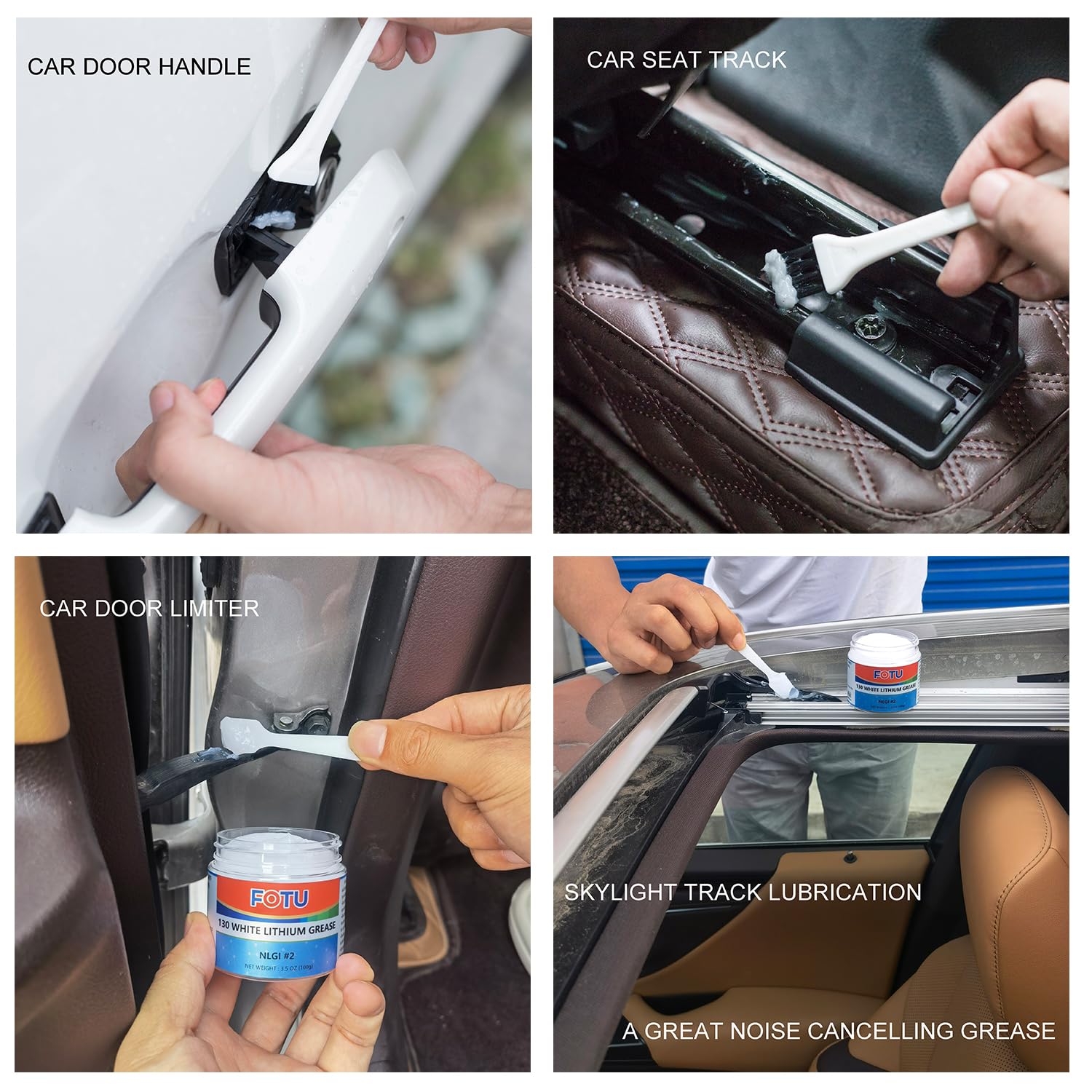
Lithium Grease
Lithium grease is another effective option. It provides excellent lubrication and protection. The grease stays in place for longer periods. This makes it ideal for heavy-duty applications. It also reduces friction and noise significantly.
Graphite Powder
Graphite powder offers a dry lubrication option. It is ideal for reducing friction. This powder does not attract dust or dirt. This keeps the seat rails clean over time. It is especially useful in dusty environments.
Pros And Cons Of Each Lubricant
Choosing the right lubricant for car seat rails can be challenging. Each type has its own advantages and disadvantages. Understanding these can help you make the best choice for your vehicle. Below, we’ll explore the pros and cons of different lubricants. We’ll focus on their performance in various climates, ease of application, and longevity.
Performance In Different Climates
Silicone spray performs well in hot and cold climates. It remains stable and effective, providing smooth movement. Graphite powder, on the other hand, is excellent in dry climates. But it may not perform as well in humid conditions. Lithium grease offers consistent performance in a range of temperatures. Yet, it can become thick in extreme cold.
Ease Of Application
Silicone spray is easy to apply. It comes in a handy spray can. This allows for precise application without mess. Graphite powder can be tricky. It often requires careful pouring or a special applicator. Lithium grease is thicker, making it harder to apply evenly. It usually requires a brush or spatula for application.
Longevity And Durability
Silicone spray offers moderate longevity. It needs reapplication every few months. Graphite powder provides long-lasting lubrication. It’s a good choice for those seeking durability. Lithium grease is durable and long-lasting. It can remain effective for several months. But it may attract dust and dirt over time.
Diy Vs. Professional Lubrication
Choosing between DIY and professional lubrication for car seat rails can be tough. Both options have pros and cons. Understanding these can help make an informed decision. Whether you enjoy hands-on tasks or prefer expert help, consider various factors. Read on to explore costs, safety, and effort involved in both methods.
Cost Considerations
DIY lubrication is usually cheaper. You only need to buy the lubricant. Professional services can be more expensive. They charge for labor and materials. This is important if you are on a budget.
Safety Precautions
Safety matters in DIY and professional lubrication. DIY work needs careful handling of tools and materials. Some lubricants are harmful if mishandled. Professionals have training to handle these safely. They follow safety protocols to prevent accidents.
Time And Effort Required
DIY lubrication can take time. You need to gather tools and materials. Following instructions is important to avoid mistakes. Professional services save time. Experts complete the task quickly and efficiently. This is ideal for those with busy schedules.
Step-by-step Lubrication Guide
Lubricating car seat rails ensures smooth movement and prevents wear. This guide covers everything from preparation to maintenance. Follow these simple steps to keep your car seats gliding effortlessly.
Preparation And Tools Needed
Start by gathering necessary tools and materials. You will need a soft cloth, a small brush, and a suitable lubricant. Silicone-based spray or grease works well. Ensure the car is parked securely and the seats are empty. Adjust the seats to their furthest back position for easy access.
Application Process
Begin by cleaning the seat rails with a soft cloth. Remove dirt and debris. Use a brush for hard-to-reach areas. Shake the lubricant spray well. Apply it evenly along the rails. Avoid over-spraying to prevent residue buildup. Move the seat back and forth to spread the lubricant. Check for smooth movement.
Maintenance Tips
Inspect seat rails regularly for dirt or damage. Clean and lubricate every six months. This keeps the movement smooth. Avoid spills on the rails. They attract dirt and cause friction. If movement becomes rough, repeat the cleaning and lubrication process.

Credit: www.familyhandyman.com
Troubleshooting Common Issues
Car seat rails can develop various issues over time. These problems often arise due to lack of lubrication. Regular maintenance can prevent many of these issues. But what should you do when problems persist? Let’s explore some common issues and how to troubleshoot them.
Identifying Unusual Noises
Unusual noises from car seat rails are a common issue. Creaks or squeaks often indicate dry rails. Check for debris or dirt in the track. Clean the rails thoroughly before applying lubricant. Use a silicone-based lubricant for best results. This type of lubricant reduces noise effectively.
Addressing Sticking Problems
Sticking seat rails can be frustrating. This often means there’s not enough lubrication. Start by inspecting the rails for rust or grime. Clean the rails thoroughly with a soft cloth. Apply a generous amount of lubricant to all moving parts. Ensure the lubricant is evenly spread for smooth operation.
When To Seek Professional Help
Some issues require professional assistance. If lubrication doesn’t solve the problem, consider expert help. Persistent noise or sticking may indicate bigger issues. Professionals can assess and fix these concerns efficiently. Don’t wait too long to seek help, as it may worsen.
Environmental Impact And Safety
Choosing the right lubricant for car seat rails affects both the environment and safety. Many traditional lubricants contain harmful chemicals. These can pose risks to both health and nature. Opting for safer alternatives ensures smoother operation and peace of mind.
Eco-friendly Lubricant Options
Several eco-friendly lubricants are available today. These are made from natural ingredients. They minimize harm to the environment. Vegetable oil-based lubricants are a popular choice. They are biodegradable and non-toxic. Another option is beeswax-based products. They provide excellent lubrication without harsh chemicals. Silicone-based lubricants are also eco-conscious. They offer durability with minimal environmental impact.
Handling And Disposal
Proper handling of lubricants protects both you and the planet. Always wear gloves when applying them. This prevents skin contact with potentially harmful substances. Use a clean cloth to apply the lubricant. It ensures even distribution and reduces waste. Dispose of used materials responsibly. Never pour leftover lubricants down the drain. Check local guidelines for disposal methods. Some areas offer recycling programs for these products. Safe disposal protects water sources and wildlife.

Credit: www.youtube.com
Frequently Asked Questions
What Lubricant Is Best For Car Seat Rails?
Silicone spray is the best lubricant for car seat rails. It’s effective and doesn’t attract dirt. Silicone spray is non-greasy, ensuring smooth movement. It prevents rust and corrosion, prolonging the seat rail’s life. Always apply in a well-ventilated area for safety.
Can Wd-40 Be Used On Seat Rails?
WD-40 can be used, but it’s not ideal. It provides short-term lubrication and protection. However, it attracts dust and dirt over time. It’s best to use silicone-based lubricants for long-lasting results. Regular maintenance is recommended to ensure optimal performance.
How Often Should I Lubricate Seat Rails?
Lubricate car seat rails every six months for best results. Regular lubrication prevents rust and ensures smooth operation. Check for signs of wear or damage during maintenance. If you frequently adjust the seat, consider more frequent lubrication. Proper care prolongs the seat rail’s lifespan.
Is Graphite Powder Suitable For Seat Rails?
Graphite powder is suitable for lubricating car seat rails. It provides excellent dry lubrication. It doesn’t attract dirt, ensuring clean operation. Graphite is a great alternative to liquid lubricants. It’s particularly useful in dusty environments. Always follow the manufacturer’s instructions for application.
Conclusion
Choosing the right lubricant for car seat rails matters. It ensures smooth seat movement and prevents wear. Silicone spray or white lithium grease works well. These products reduce friction and resist dirt buildup. Always clean the rails before applying any lubricant.
Regular maintenance keeps your car seats functioning properly. It also adds to your driving comfort. Investing time in this simple task pays off in the long run. Your car seat rails will stay in top condition. Enjoy smoother rides and longer seat life.