


How Long Can Baby Be in Car Seat Stroller: Safety Tips

As a parent, ensuring your baby’s safety and comfort is always a top priority. You might often find yourself wondering about the best practices for using a car seat stroller.
After all, these convenient devices are a staple for modern parents, offering a smooth transition from car to sidewalk. But how long is it safe for your little one to stay in their car seat stroller? Understanding the right duration is crucial, not only for your baby’s physical well-being but also for their overall contentment.
We will delve into the essential guidelines that will help you make informed decisions, ensuring peace of mind every time you hit the road. Stick around to uncover expert tips and insights that will empower you with the confidence to keep your baby both safe and happy.
Safety Guidelines
Ensuring the safety of your baby in a car seat stroller is crucial. Many parents wonder how long their little ones can safely remain in these seats. Following safety guidelines can help ensure your baby’s well-being. Let’s explore some essential safety tips to consider.
Understanding The Two-hour Rule
The two-hour rule is a key guideline. Babies should not remain in a car seat for more than two hours. This rule helps prevent breathing problems. Long periods in the car seat can restrict airflow. Adjust your travel plans to include breaks. Let your baby stretch and change positions often.
Check Car Seat Fit And Position
A proper fit is vital for safety. Make sure the car seat fits your baby’s size and weight. The harness should be snug but comfortable. The seat should be reclined at the right angle. This prevents the baby’s head from falling forward. Check the seat’s position before every trip.
Monitor Your Baby’s Comfort
Keep an eye on your baby’s comfort level. Look for signs of discomfort or distress. Check if they are sweating, crying, or fidgeting. Adjust the seat or remove extra layers if needed. A comfortable baby is a happy baby. Regular checks can prevent issues.
Ensure Proper Installation
Proper installation is crucial for safety. Follow the manufacturer’s instructions closely. Ensure the car seat is securely attached. A loose seat can be dangerous in sudden stops. Many local fire stations offer installation checks. Take advantage of these services for peace of mind.
Avoid Using Car Seats For Sleep
Car seats are not safe for long naps. Babies should sleep on flat surfaces. Prolonged sleep in a car seat can lead to breathing issues. If your baby falls asleep, move them to a crib once you arrive. This ensures safer sleep and better rest for your baby.
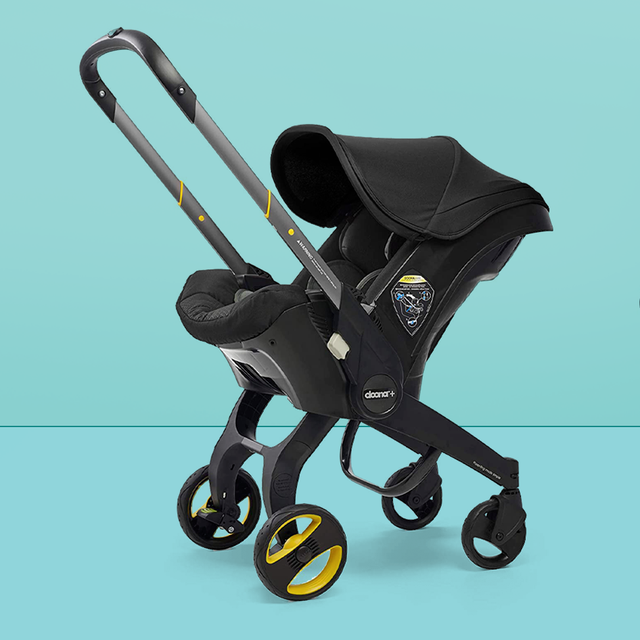
Credit: www.goodhousekeeping.com
Recommended Time Limits
Understanding the recommended time limits for babies in car seat strollers is crucial. It ensures their safety and comfort during travel. Parents often wonder how long is safe. Guidelines help prevent any discomfort or health issues for the baby. This section provides clarity on the advised durations.
Guidelines For Newborns
Newborns have delicate bodies. Limit their time in car seats to 30 minutes. Their developing muscles need support. Frequent breaks are essential. This helps prevent strain on their neck and back.
Infants Up To Six Months
Infants can spend up to 60 minutes in car seats. Ensure they have proper head support. Regular intervals for stretching are important. Take them out every hour to relax their muscles.
Older Babies
Older babies can handle slightly longer periods. Two-hour sessions in car seats are generally safe. Still, it’s important to monitor them closely. Ensure they are comfortable and not overheating. Always prioritize their safety and well-being.
Frequent Breaks Importance
Frequent breaks help prevent discomfort. They also reduce the risk of flat head syndrome. During breaks, let the baby stretch and move. This encourages healthy development and comfort.
Signs Your Baby Needs A Break
Watch for signs of discomfort or restlessness. Crying or fussiness may indicate they’re uncomfortable. If they seem overheated, take a break. Always trust your instincts as a parent. Your baby’s comfort is paramount.
Health Risks
Parents often use car seat strollers for convenience and safety. Yet, prolonged use poses health risks for babies. Awareness is key to ensuring their well-being. Let’s explore potential health issues related to long periods in car seat strollers.
Breathing Issues
Babies have delicate respiratory systems. Long periods in a car seat stroller can affect their breathing. The semi-upright position may compress their chest. This can restrict airflow. Monitor your baby’s breathing during stroller use. Frequent breaks can help.
Posture Concerns
Proper posture is vital for a baby’s development. A car seat stroller’s design can limit movement. This might lead to poor posture. Babies need to lie flat for optimal spine growth. Avoid prolonged stroller use to ensure proper posture.
Circulation Problems
Long periods in a car seat stroller can affect blood flow. Restricted movement may cause circulation issues. Look for signs like redness or swelling. Ensure your baby changes positions regularly. This helps maintain healthy circulation.
Signs Of Discomfort
Understanding the signs of discomfort in your baby is essential. Babies cannot express discomfort like adults. So, watch for physical cues and behaviors. Recognizing these signs ensures your baby stays safe and comfortable.
1. Fidgeting and SquirmingFrequent fidgeting is a clear sign. Babies may twist and turn. This is often due to an uncomfortable position. Adjust the seat or stroller for better support.
2. Crying or WhiningPersistent crying signals discomfort. Check the car seat or stroller for issues. Ensure straps are not too tight. Make sure nothing is pinching the baby’s skin.
3. Red Marks on SkinCheck for red marks after a ride. These can indicate pressure points. Loosen any tight straps. Adjust the seat to reduce pressure on sensitive areas.
4. Unusual Body TemperatureA baby feeling too hot or cold may be uncomfortable. Dress them appropriately for the weather. Ensure proper ventilation in the car seat and stroller.
5. Frequent YawningYawning can indicate fatigue or boredom. If the baby seems tired, take breaks. Allow them to stretch or nap outside the seat.
6. Changes in BreathingRapid or shallow breathing may signal discomfort. Check the baby’s position. Ensure their airway is clear. Adjust the seat to support their head and neck.
Choosing The Right Car Seat Stroller
Finding the perfect car seat stroller is crucial for your baby’s safety. It ensures comfort during travel. A good choice supports healthy posture and avoids discomfort. Parents often face confusion due to the variety of options available. Understanding key features helps make an informed decision. Let’s explore what to look for.
Size And Fit
The stroller should match your baby’s size. A snug fit offers better protection. Check age and weight limits before purchase. Ensure the seat accommodates growth. Adjustable straps and padding are essential. Proper fit prevents unnecessary movements during travel.
Adjustable Features
Flexible features enhance the stroller’s usability. Look for adjustable recline settings. Variable handle heights add convenience for parents. Rotating wheels provide smooth navigation. Adjustable canopies shield from sun and rain. Consider features that grow with your baby.
Quality Materials
Durable materials ensure long-lasting performance. Seek breathable fabrics for comfort. Inspect the frame for sturdy construction. Easy-to-clean surfaces help maintain hygiene. Quality materials reduce wear and tear. Safety-certified products offer peace of mind.
Proper Usage Techniques
Using a car seat stroller safely is crucial for your baby’s health. Understanding proper usage techniques ensures your little one’s safety. Following key guidelines can prevent risks and discomfort. Here, we explore essential techniques for using a car seat stroller effectively.
Correct Installation
Begin with secure installation of the car seat. Ensure the seat clicks into the stroller correctly. Double-check the harness is snug, not tight. Follow the manufacturer’s instructions carefully. Verify the seat doesn’t wobble or shift. Test the installation before each use.
Regular Breaks
Limit the time your baby spends in the car seat. Plan regular breaks during long trips. Aim for breaks every hour or two. Let your baby stretch and move during these breaks. This prevents discomfort and promotes better circulation.
Temperature Awareness
Monitor the temperature in the car or stroller. Avoid exposing your baby to extreme heat or cold. Use sunshades or blankets to shield from direct sunlight. Check your baby’s skin for signs of overheating. Adjust clothing layers as needed to keep them comfortable.
Expert Recommendations
Parents often wonder how long their baby can safely stay in a car seat stroller. Experts offer guidelines to ensure your baby’s comfort and safety. These recommendations help prevent discomfort and potential health risks.
Understanding The Two-hour Rule
Experts say babies should not stay in car seats over two hours. This rule applies to all infants, including newborns. Sitting too long can affect their posture and breathing.
Importance Of Regular Breaks
Frequent breaks are crucial for your baby’s well-being. Take them out every two hours during long trips. Stretching and moving helps keep babies comfortable.
Signs Your Baby Needs A Break
Watch for signs of discomfort. Fussiness or crying may indicate your baby needs a break. Pay attention to their mood and body language.
Pick a car seat stroller that supports your baby’s posture. Ensure it’s designed for long trips with added comfort features. Proper cushioning can help prevent soreness.
Consulting Pediatricians For Advice
Pediatricians can offer tailored advice for your baby’s needs. They can assess your baby’s health and recommend safe practices. Their guidance is valuable for your baby’s safety.
Understanding Manufacturer Guidelines
Follow the manufacturer’s instructions for your car seat stroller. They provide specific recommendations for usage time. These guidelines help ensure your baby’s safety.

Credit: www.goodhousekeeping.com
Alternative Solutions
Parents often worry about the time their baby spends in a car seat stroller. Extended use can lead to discomfort and health concerns. Exploring alternative solutions can offer relief and safety. These options ensure your baby’s comfort during travel.
Baby Carriers
Baby carriers offer a close contact solution for parents. They allow you to carry your baby comfortably. Your baby stays close to your body, feeling secure and loved. This option provides greater freedom of movement. You can move through crowded spaces with ease. Carriers distribute weight evenly, reducing strain on your back. Choose between different styles like wraps, slings, or structured carriers. Ensure the carrier supports your baby’s head and neck properly.
Portable Bassinets
Portable bassinets offer a cozy sleeping spot. They allow your baby to lie flat comfortably. These are lightweight and easy to carry. Ideal for use during long trips or outdoor outings. Bassinets provide a familiar sleep environment for your baby. They often come with a canopy for sun protection. Some models have breathable mesh sides for better airflow. Always ensure the bassinet is stable and secure before use.
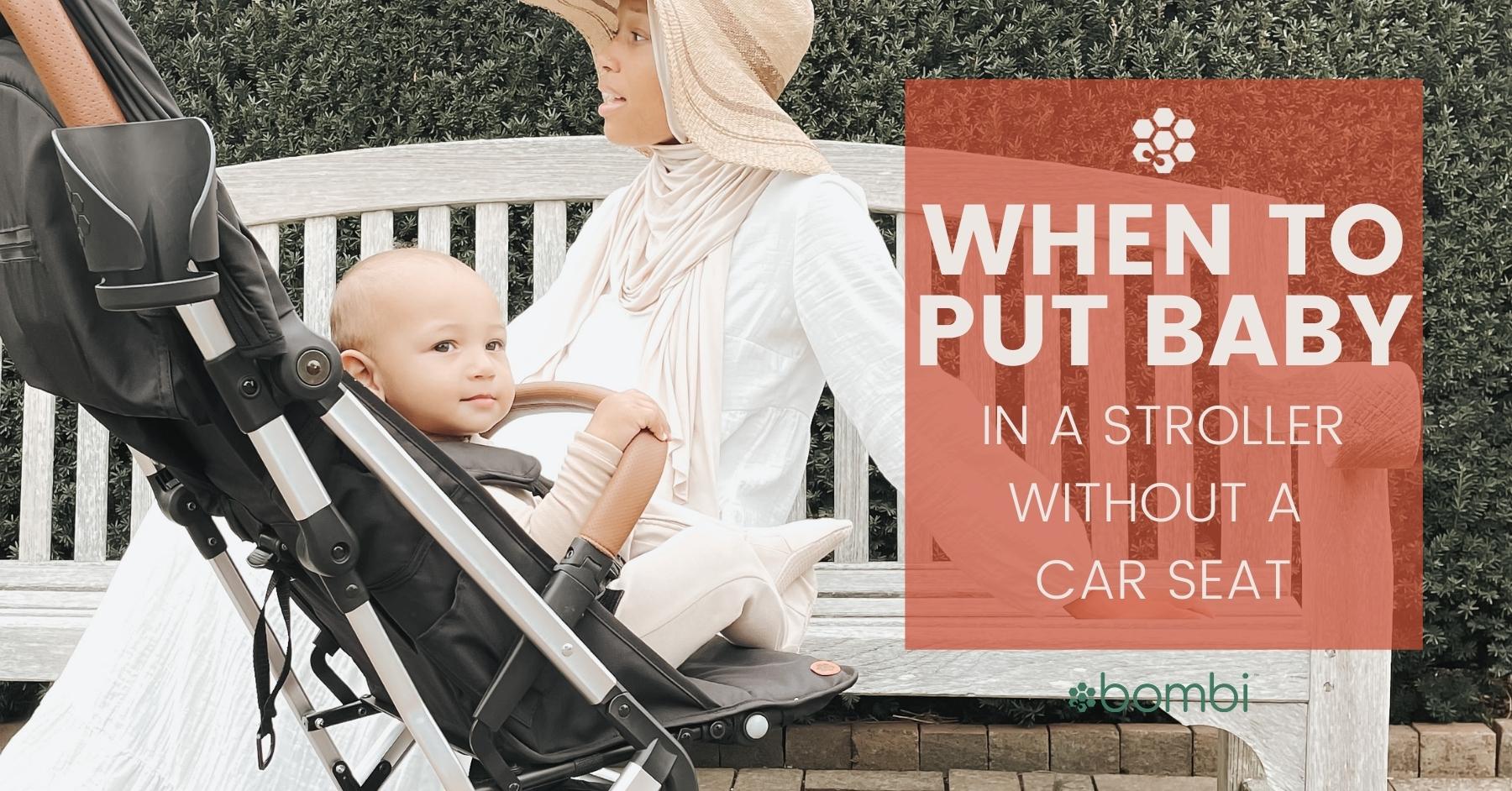
Credit: bombigear.com
Frequently Asked Questions
How Long Can A Baby Stay In A Car Seat?
Babies should not stay in a car seat for more than 2 hours at a time. Extended periods can lead to discomfort and potentially harmful posture. It’s crucial to take breaks, allowing the baby to stretch and move freely.
Are Car Seat Strollers Safe For Newborns?
Car seat strollers are safe for newborns when used properly. Ensure the seat is correctly installed and meets safety standards. Always supervise your newborn, ensuring they are secure and comfortable during travel.
Can I Use A Car Seat Stroller For Everyday Use?
Yes, car seat strollers are convenient for everyday use but should be used cautiously. Limit usage to short trips to avoid prolonged sitting. Always prioritize your baby’s comfort and safety over convenience.
What Are The Risks Of Long Car Seat Usage?
Prolonged car seat use can lead to poor posture and restricted breathing. The risk increases if the baby spends extended periods in the seat. Regular breaks and movement are essential for your baby’s health.
Conclusion
Ensuring baby comfort in a car seat stroller matters. Keep safety guidelines in mind always. Limit time in the stroller to avoid discomfort. Regular breaks help babies relax and stretch. Pay attention to your child’s needs and cues. A happy baby means a smoother travel experience.
Each child is different; adjust based on their needs. Parents should always stay informed and cautious. Balance stroller time with other activities. Enjoy safe, pleasant outings with your little one. They grow fast, cherish each moment.


