

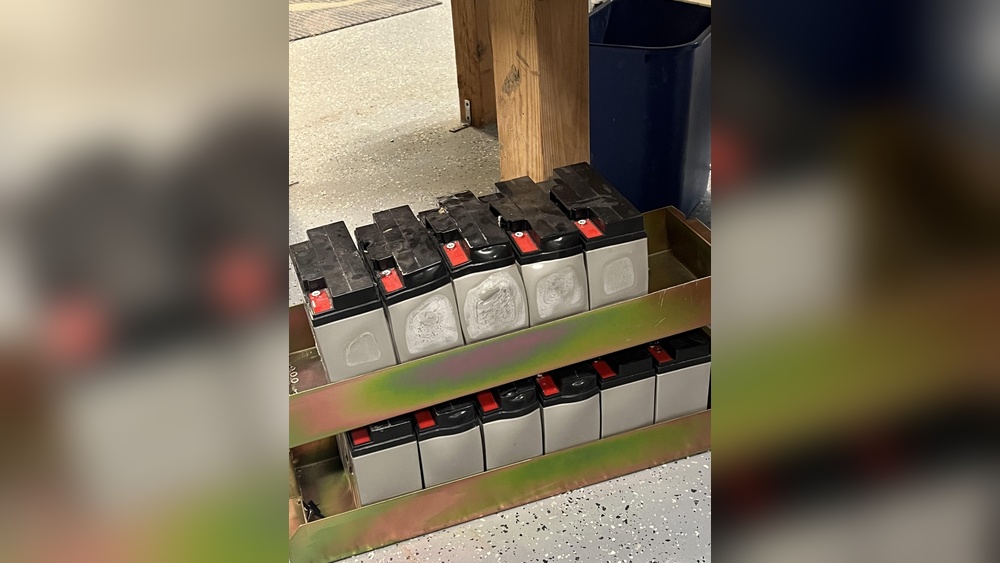
Will a Swollen Car Battery Explode? Warning Signs and Safety Tips

A car battery is a simple box that stores energy, but it can also be dangerous if something goes wrong. Many car owners see a swollen battery and wonder if it could explode. This fear is not just imagination—swelling is a real warning sign. If you care about your car and your safety, it’s important to understand what causes a battery to swell, what the risks are, and how to react. Let’s explore if a swollen car battery can actually explode, what leads to this problem, and what you should do if you spot one in your vehicle.
Why Do Car Batteries Swell?
A car battery swells because something inside is not working as it should. Most car batteries are lead-acid type, which means they have lead plates and acid inside. When things go wrong, the following reasons are common:
- Overcharging: When a battery gets too much charge from the alternator or a faulty charger, the chemical reaction inside becomes too strong. This creates extra heat and gas, making the battery case bulge.
- Extreme Temperatures: Very hot weather or engine heat can make the battery fluid boil or evaporate. This raises pressure inside the battery.
- Old Age: Over time, the inner parts wear down. The battery can’t handle normal charging and discharging, leading to gas build-up.
- Manufacturing Defects: Sometimes, a battery leaves the factory with a weakness. This can show up as swelling, even in new batteries.
- Internal Short Circuit: If the lead plates touch each other, it causes a short. This creates heat and gas, leading to swelling.
A swollen battery is always a sign that something is wrong and needs attention.
Can A Swollen Car Battery Explode?
The short answer is yes, a swollen car battery can explode, but not every swollen battery will. Explosions happen when the pressure and heat inside the battery become too high. Here’s what you need to know:
- Swelling shows gas build-up: The chemical reaction inside a battery creates hydrogen gas. In normal conditions, this gas escapes safely. But if a battery is overcharged or damaged, the gas gets trapped, making the case bulge.
- Explosion risk: If you open, drop, or hit a swollen battery, the built-up gas can escape quickly. If there’s a spark nearby, the hydrogen gas can ignite. This causes the battery to explode, which can send acid and plastic flying.
While not every swollen battery will explode, the risk is high enough that you should treat all swollen batteries as dangerous. In some cases, explosions have caused serious injuries, blindness, or fires in garages and cars.
Real-world Example
In 2018, a car owner in Texas tried to jump-start a car with a swollen battery. The battery exploded, showering the person with acid. It led to hospital visits and damage to the car’s engine bay. This is not a rare event—mechanics report seeing battery explosions several times each year.
Signs Your Car Battery Is Swollen
It is not always obvious that a battery is swollen. Here are the main signs to look for:
- Bulging sides or top: The battery case looks “puffy,” with rounded sides instead of flat ones.
- Cracks in the case: Sometimes, the plastic case splits open.
- Unusual smell: A swollen battery often smells like rotten eggs (sulfur) because of leaking gases.
- Battery won’t hold charge: If your battery is swollen, it usually stops working well.
- Visible leaks: Acid may drip from the battery, especially near the terminals.
If you see any of these signs, do not touch the battery with bare hands. Acid leaks can burn your skin, and gas leaks are dangerous.
What Causes A Car Battery To Explode?
You might wonder, why do some batteries explode and others don’t, even when both are swollen? There are several factors that can push a battery over the edge.
| Cause | How It Leads to Explosion |
|---|---|
| Overcharging | Creates extra heat and gas, increasing pressure until the case bursts |
| Sparks or Flames Nearby | Ignites hydrogen gas escaping from battery, causing explosion |
| Physical Damage | Cracks the case, letting gas escape rapidly and ignite |
| Extreme Temperatures | Increases reaction speed, causing more gas and pressure build-up |
| Poor Maintenance | Allows acid levels to drop or parts to corrode, leading to malfunctions |
Non-obvious insight: Many car owners do not realize that even just connecting jumper cables to a swollen battery can trigger an explosion. The spark when the last cable touches the terminal is enough to ignite hydrogen gas.
Dangers Of A Swollen Battery
The risks from a swollen car battery are serious and can affect more than just your car:
- Chemical burns: Battery acid can cause deep burns on skin and eyes.
- Fire hazard: If the hydrogen gas ignites, it can burn your car or garage.
- Toxic fumes: The gases released are not just smelly—they are toxic to breathe.
- Damage to car electronics: When a battery fails, it can send voltage spikes that break sensitive parts in your car.
Another insight: Even after a battery is removed from your car, if it is swollen, it can still explode if not handled correctly.
What Should You Do If Your Car Battery Is Swollen?
If you see or suspect your car battery is swollen, stay calm and follow these steps:
- Do not start the car: Turning the ignition can create a spark.
- Do not touch the battery: Avoid handling it with bare hands.
- Open windows/doors: Let any gas escape safely.
- Wear protection: If you must get close, wear gloves and safety glasses.
- Call a professional: Auto shops or roadside assistance have the right tools to remove swollen batteries safely.
- Dispose of properly: Never throw a swollen battery in the trash. Take it to a recycling center or mechanic.
It’s better to spend a little time and money on safe removal than to risk injury.
How To Prevent A Swollen Or Exploding Car Battery
Taking care of your car battery is not hard, but many people skip simple steps that could prevent swelling and explosions.
Regular Maintenance Tips
- Check battery terminals: Make sure they are clean and not corroded.
- Inspect for swelling/leaks: Look at the battery every month, especially in hot weather.
- Test charging system: Ask a mechanic to check the alternator and charger.
- Replace old batteries: Most car batteries last 3-5 years. Do not wait for failure.
- Keep battery cool: Park in the shade during summer or use a battery cover.
Common Mistakes To Avoid
| Mistake | Why It’s Dangerous |
|---|---|
| Using the wrong charger | Can overcharge and overheat the battery |
| Ignoring corrosion | Blocks safe current flow, leading to damage |
| Jump-starting too often | Puts stress on weak batteries, risking swelling |
| Leaving lights/accessories on | Drains the battery, shortens life, and can cause swelling when recharged |
Tip: If your battery is more than 4 years old and has needed a jump-start recently, it’s safer to replace it before problems start.
The Science Behind Battery Swelling And Explosions
To understand why batteries swell and explode, it helps to know a bit about how they work. A car battery creates electricity through a chemical reaction between lead plates and sulfuric acid. This process also makes hydrogen gas. Normally, this gas escapes through small vents.
If the battery is overcharged or damaged, too much gas forms too fast, and the vents can’t keep up. Pressure builds, making the case swell. If the case breaks or a spark occurs, the hydrogen gas can ignite, causing an explosion.
Data: Car Battery Failure Rates
Here’s a look at how often car batteries fail due to swelling or explosions compared to other issues:
| Failure Type | Percentage of Cases |
|---|---|
| Battery won’t hold charge | 55% |
| Corrosion on terminals | 20% |
| Swelling/explosion | 4% |
| Physical damage | 6% |
| Other | 15% |
Swelling and explosion are less common than other problems, but the danger is much greater.
When To Replace Your Car Battery
Knowing when to replace your car battery can save you from dangerous situations. You should replace your battery if:
- It is more than 5 years old.
- It shows any signs of swelling, leaks, or a strong sulfur smell.
- Your car has trouble starting often.
- The battery fails a load test at a mechanic’s shop.
Do not try to “get a few more months” out of a swollen or weak battery. The risk is not worth it.
Safe Disposal Of Swollen Batteries
A swollen battery is hazardous waste. Do not throw it in the regular trash or leave it in your garage. Most auto parts stores and recycling centers accept old car batteries for safe disposal. They have proper safety procedures to handle these batteries.
If you need more information about battery safety and recycling, you can read more at EPA’s battery recycling guide.
Frequently Asked Questions
Can A Car Battery Explode Without Swelling First?
Yes, a car battery can explode even if it does not swell. Swelling is a clear warning, but sometimes batteries explode due to internal shorts or sparks without showing obvious signs first.
Is It Safe To Drive With A Swollen Battery?
No, it is not safe to drive with a swollen battery. The risk of explosion is high, especially if the battery is disturbed by bumps or engine heat. Stop driving and get help immediately.
What Should I Do If Battery Acid Leaks Onto My Skin?
If battery acid touches your skin, wash the area with lots of water right away. Remove any clothing with acid on it. If you feel burning or see a rash, seek medical attention fast.
How Can I Tell If My Battery Is Overcharging?
Signs of overcharging include a hot battery, a strong rotten egg smell, bulging case, and quick loss of battery fluid. If you notice these, get your charging system checked by a mechanic.
Will A Maintenance-free Battery Still Swell Or Explode?
Yes, even maintenance-free batteries can swell or explode if overcharged, damaged, or exposed to extreme heat. They are safer but not risk-free.
A swollen car battery is a sign that something is seriously wrong and should never be ignored. The risk of explosion is real, and the results can be dangerous or even life-changing. By understanding the causes, spotting the warning signs, and acting quickly, you can protect yourself, your car, and others.
Prevention and regular checks are your best defenses—never take shortcuts with battery safety.


