

Can a Leaking Car Battery Explode? Safety Risks Explained

A car battery is often out of sight and out of mind—until something goes wrong. One day, you might notice a strange fluid under your car or a rotten egg smell under the hood. It’s easy to ignore, but a leaking car battery can be dangerous. Many drivers wonder: Can a leaking car battery explode? The answer is serious, and knowing why can help protect you, your car, and even your family.
Car batteries contain strong chemicals. A leak is not just a mess—it means something inside the battery is not right. This article will explore how a car battery works, why leaks happen, and what risks come with them. You’ll discover when a leak turns into a real explosion risk, and what you should do if you spot trouble.
The goal is to keep things simple, clear, and practical for drivers at any level of experience.
How A Car Battery Works
Car batteries are not just simple boxes with wires. Most cars use lead-acid batteries, which rely on a chemical reaction to store and release energy. Inside, you’ll find lead plates and a liquid called electrolyte (a mix of water and sulfuric acid). When you turn your key, the battery sends power to start the engine and run electronics.
Here’s a quick look at the basic parts:
- Positive and negative plates: These create electricity through a chemical reaction.
- Electrolyte: The liquid that allows electricity to flow.
- Plastic case: Holds everything together and keeps the acid inside.
When a battery is working well, the system is closed and safe. But if something goes wrong, the chemicals inside can escape.
What Causes A Car Battery To Leak?
Leaks in car batteries don’t happen by magic. There are a few main reasons:
- Physical damage: Dropping the battery or a car crash can crack the case.
- Overcharging: Too much electricity can cause the battery to heat up and push out acid.
- Old age: As batteries age, seals and cases can weaken or break.
- Freezing: Cold weather can cause the electrolyte to expand and crack the battery.
- Internal failure: Sometimes, parts inside the battery break down, leading to leaks.
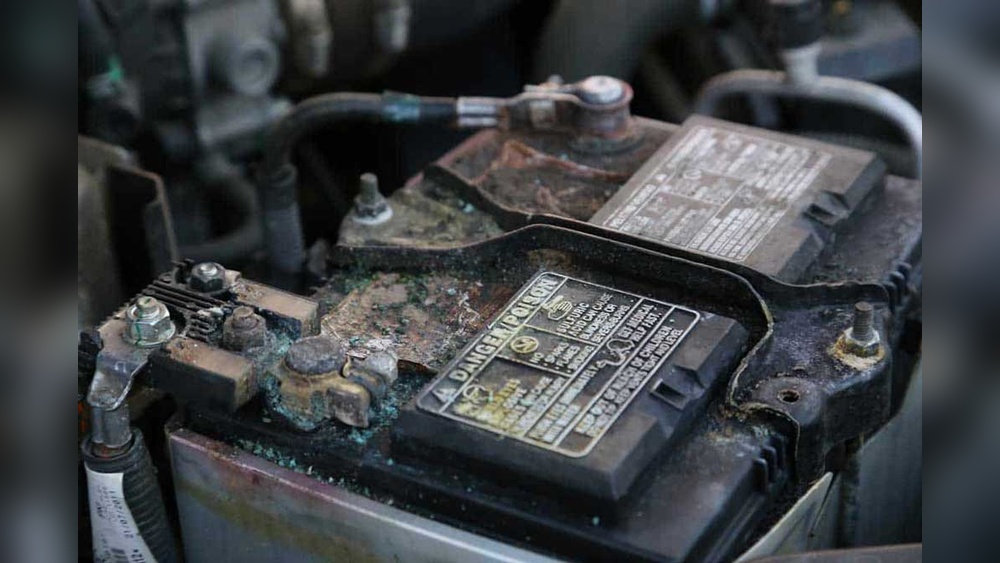
A common sign of a leak is white or blue powder on the battery terminals or a strong sulfur smell (like rotten eggs). If you see liquid or powder around the battery, something is wrong.
Is A Leaking Car Battery Dangerous?
The short answer is yes. A leaking battery is not just a minor problem. Here’s why:
- Sulfuric acid is highly corrosive. It can damage your car’s paint, wiring, and metal parts.
- The acid can burn your skin and eyes if you touch it.
- Battery leaks often release hydrogen gas. This gas is invisible, but it can explode if there’s a spark or flame.
Even a small leak can quickly turn into a bigger risk. Some drivers think, “It’s just a little acid, I’ll clean it later. ” But ignoring a leak can lead to a fire or explosion—especially if you try to jump-start or charge a leaking battery.
Can A Leaking Car Battery Explode?
This is the heart of the question. Yes, a leaking car battery can explode. But it doesn’t happen in every case. Let’s break down why and how it happens.
Why Explosions Happen
When a battery leaks, it often means the chemical reaction inside is out of balance. This can produce hydrogen gas—which is highly flammable. If this gas builds up under the hood and meets a spark (from cables, tools, or even static electricity), it can ignite. The result is a loud bang, flying pieces of plastic, and acid spray.
Real-world Examples
Battery explosions are rare, but they do happen. For example, a mechanic in the US was injured when a customer’s battery exploded during a routine check. The battery had been leaking for days. The explosion sent acid into the mechanic’s eyes and face, causing burns and vision loss.
Key Risk Factors
- Leaking acid indicates the battery is damaged or charging incorrectly.
- Hydrogen gas can collect under the hood, especially if the car is parked in a garage with poor airflow.
- Sparks from jumper cables, tools, or even static can ignite the gas.
How Common Is It?
According to safety reports, battery explosions are not common, but they are more likely when the battery is leaking and the car is being jump-started or charged. Most modern car batteries have safety features, but these can fail if the battery is old or already damaged.
Warning Signs Of A Leaking Or Dangerous Battery
Recognizing trouble early can save you from bigger problems. Watch out for these warning signs:
- Wet spots or puddles under the battery
- White, blue, or green powder on the terminals
- Rotten egg smell under the hood
- Bulging or swollen battery case
- Cracks or splits in the battery case
- Trouble starting the car (especially in cold or hot weather)
If you notice any of these, do not ignore them. A leaking battery is already unsafe.
What To Do If Your Car Battery Is Leaking
If you suspect your battery is leaking, follow these safety steps:
- Turn off the engine and keep the hood open for airflow.
- Do not touch the liquid or powder with bare hands.
- Avoid sparks or flames near the battery.
- Wear gloves and eye protection if you must handle the battery.
- Disconnect the battery if you know how (always remove the negative cable first).
- Do not try to jump-start or charge a leaking battery.
- Contact a professional or take your car to a mechanic.
Never pour water on a leaking battery, as this can spread the acid. If acid gets on your skin or eyes, rinse with lots of water and get medical help fast.
How Battery Leaks Compare To Other Car Problems
To help you understand the risks, let’s compare battery leaks with other common car issues.
| Problem | Immediate Danger | Long-Term Risk | Explosion Risk |
|---|---|---|---|
| Leaking battery | High (acid burns, gas explosion) | Severe (corrosion, fire) | Yes |
| Oil leak | Moderate (slippery, fire if hot) | Engine damage | Low |
| Coolant leak | Low (overheating risk) | Engine failure | No |
| Brake fluid leak | High (brake failure) | Crash risk | No |
As you can see, a leaking car battery is one of the few problems with a real explosion risk.
How To Prevent Car Battery Leaks And Explosions
Prevention is always better than dealing with damage. Here are the best ways to avoid battery leaks and explosions:
- Check your battery at least twice a year for cracks, leaks, or bulges.
- Clean terminals with a mixture of baking soda and water (wear gloves).
- Secure the battery so it does not move or shake while driving.
- Replace old batteries (most last 3-5 years; check the date code).
- Avoid overcharging by using the right charger and checking your alternator.
- Protect from extreme temperatures by parking in a garage during hot or cold weather.
It’s also smart to have your battery tested during routine service. Many auto shops do this for free.
What Happens During A Battery Explosion?
If a battery explodes, the results can be dramatic and dangerous. Here’s what to expect:
- Loud bang: The explosion can sound like a gunshot.
- Shrapnel: Pieces of plastic and lead can fly out.
- Acid spray: Sulfuric acid can splash onto skin, eyes, or car parts.
- Fire risk: Nearby gasoline, oil, or wires can catch fire.
If you’re near an exploding battery, step back and call for help. Do not try to clean up acid without protection.
Lead-acid Vs. Other Batteries: Explosion Risk
Not all car batteries are the same. Let’s compare common types.
| Battery Type | Explosion Risk | Leak Risk | Common Use |
|---|---|---|---|
| Lead-acid (flooded) | High | High | Most cars |
| AGM (Absorbent Glass Mat) | Lower | Lower | Luxury, modern cars |
| Lithium-ion | Low/Moderate (different type of fire risk) | Low | Hybrid, electric cars |
Lead-acid batteries are most likely to leak and explode if damaged. AGM and lithium batteries are safer but should still be checked.
Real-life Safety Tips Most People Miss
There are a few things that even experienced drivers sometimes overlook:
- Static electricity can ignite hydrogen gas. Touch metal away from the battery before working.
- Ventilation is key. If jump-starting or charging, keep the hood up and avoid garages.
- Check the battery hold-down bracket. A loose battery can vibrate, crack, and leak acid.
- Never lean over the battery when starting the car or connecting cables.
These small actions can make a big difference in safety.
Environmental Impact Of Battery Leaks
A leaking battery does not just harm your car—it’s bad for the planet. Sulfuric acid and lead can contaminate soil and water. If you see a leak, clean it up right away and dispose of the battery at a recycling center. Never throw a leaking battery in household trash.
Why Professional Help Matters
Trying to fix a leaking or damaged battery yourself can be risky. Mechanics have the right tools, knowledge, and safety gear. They can also check your car’s charging system to make sure the problem does not come back.
If you want to learn more about battery safety and recycling, the US Environmental Protection Agency has useful resources.
Frequently Asked Questions
Can I Still Drive My Car If The Battery Is Leaking?
No, it is not safe to drive with a leaking battery. The acid can damage your car, and the risk of fire or explosion is high. Have the battery replaced as soon as possible.
How Do I Safely Dispose Of A Leaking Car Battery?
Take the battery to a recycling center or auto shop that handles hazardous waste. Do not throw it in the trash or pour acid down the drain. Wear gloves when handling the battery.
What Should I Do If Battery Acid Gets On My Skin?
Rinse the area with plenty of water for at least 15 minutes. Remove any contaminated clothing. If you feel pain or see burns, seek medical help right away.
How Long Does It Take For A Battery Leak To Cause Serious Damage?
Damage can begin immediately, especially to metal parts or paint near the leak. The longer acid sits, the more harm it can do. Always act quickly if you see a leak.
Are Sealed Car Batteries Safer?
Sealed batteries (like AGM or gel types) are less likely to leak, but no battery is 100% safe. Always check for damage and replace old batteries before problems start.
A leaking car battery is more than an inconvenience—it’s a real risk to your safety and your car. By understanding the dangers, watching for warning signs, and acting fast, you can prevent explosions and protect what matters most. Stay safe, and always treat battery leaks with respect.


