


When to Transition Car Seat to Booster: Ultimate Guide

Choosing the right time to transition your child from a car seat to a booster seat is a decision that can feel both exciting and daunting. You want to ensure your little one is safe and comfortable, yet understanding when and how to make this shift can be puzzling.
Are you feeling unsure about the right moment to switch? You’re not alone, and that’s why this guide is here to help. By the end of this article, you’ll have the clarity and confidence you need to make an informed decision.
So, let’s dive into the key factors that will guide you through this important milestone in your child’s journey.
Age And Weight Factors
Choosing the right time to transition from a car seat to a booster is crucial. Parents often consider age and weight factors. These factors ensure their child’s safety during car rides. Understanding these guidelines helps make informed decisions.
Age Guidelines
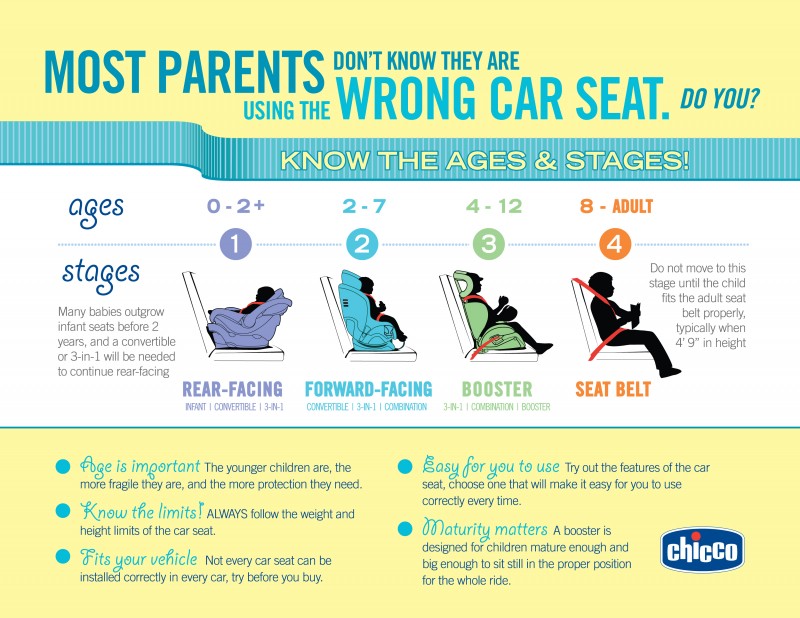
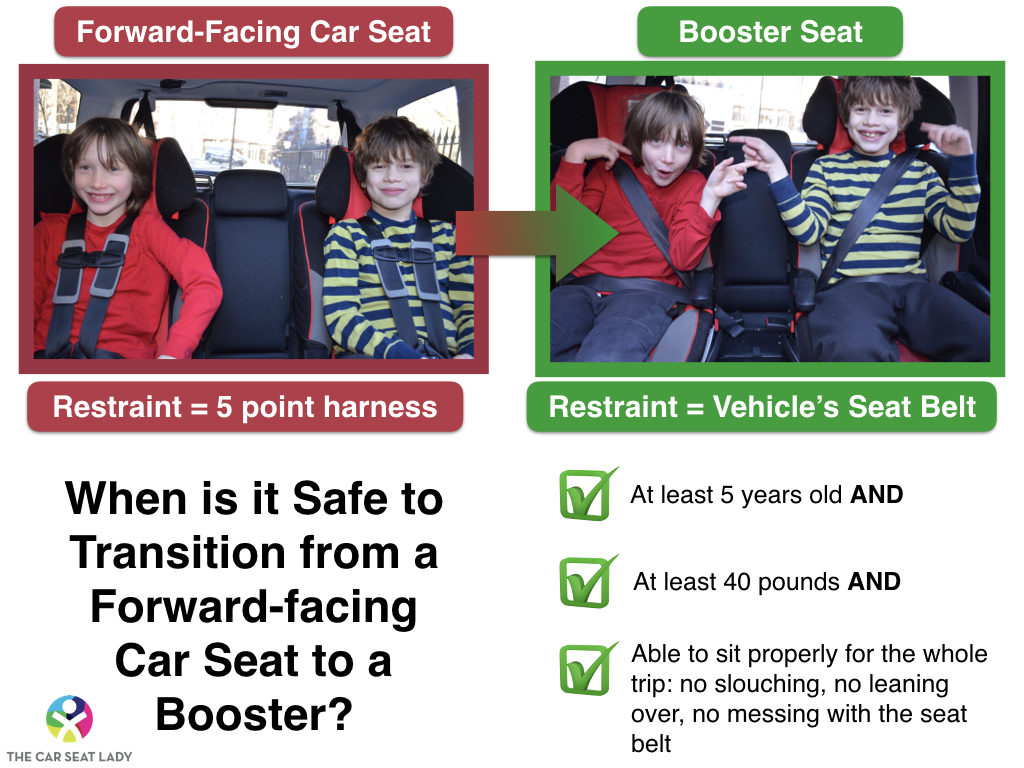
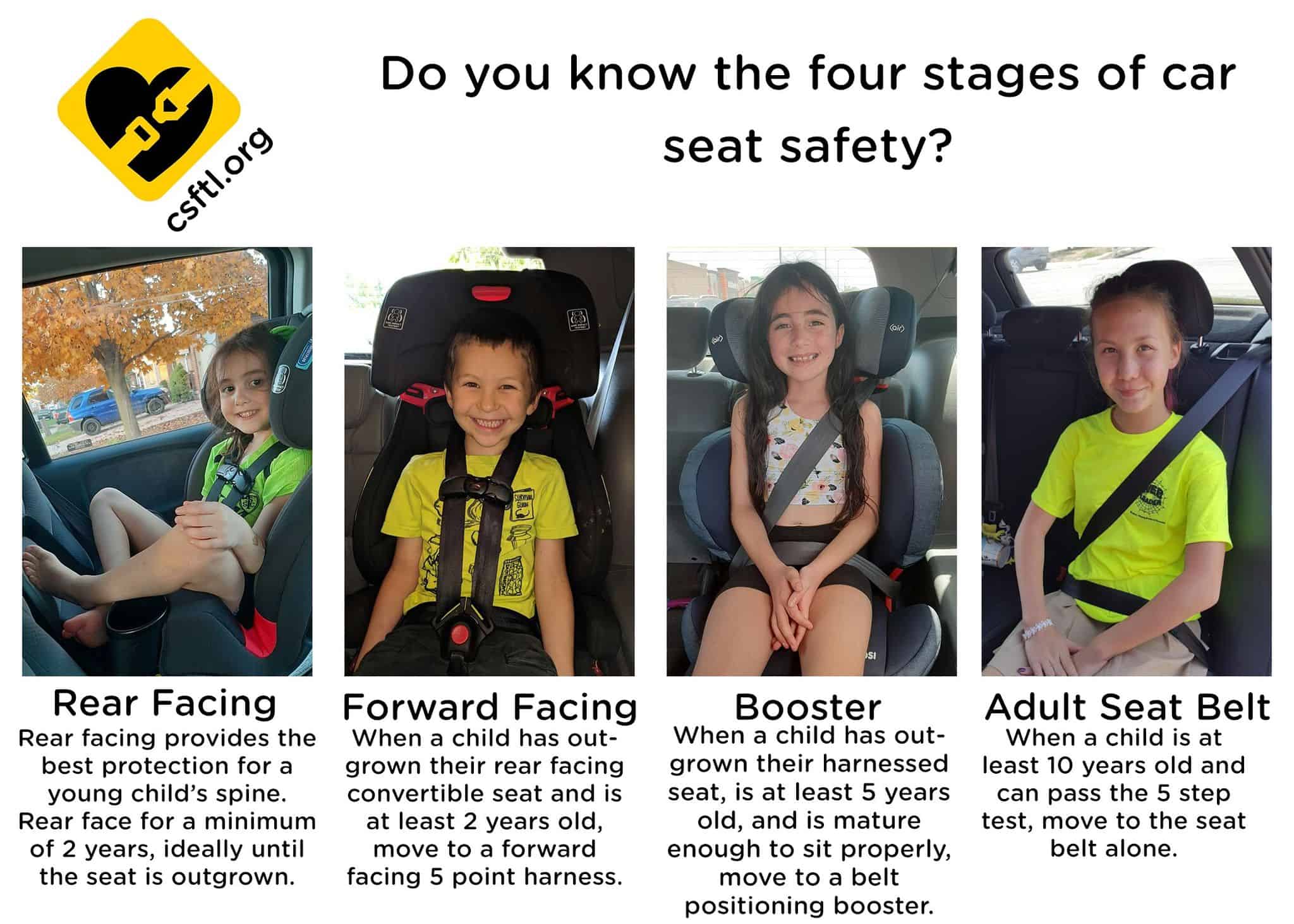
Experts recommend transitioning children to boosters between ages 4 and 8. At this age, kids usually outgrow their forward-facing car seats. They gain better posture and can sit still for longer periods. Always check the manufacturer’s recommendations for age specifics.
Weight Limits
Most booster seats require a minimum weight of 40 pounds. This weight ensures the seat can support the child safely. It’s essential to verify the seat’s weight limits before purchasing. Some boosters accommodate higher weights for larger children. Always match the booster seat with your child’s weight for optimal safety.
Credit: realendpoints.com
Safety Considerations
Transitioning from a car seat to a booster seat is a crucial step. Safety is the main concern during this transition. Parents must ensure the change improves their child’s safety. Each stage of child car safety has different requirements. Understanding these ensures the child’s protection on the road.
Booster Seat Safety Features
Booster seats have special features designed for older children. They raise the child so the seat belt fits properly. The lap belt should lie flat on the thighs. The shoulder belt must cross the middle of the shoulder and chest. This positioning helps protect vital areas during a crash. Some booster seats come with side impact protection. These features offer extra security during side collisions. High-back booster seats provide head and neck support. This is important when a vehicle lacks headrests.
Impact On Child’s Safety
Using a booster seat at the right time increases safety. A properly fitting seat belt reduces injury risk in accidents. Booster seats help position the belt correctly across the body. A poorly fitted seat belt can cause severe injuries. It may affect the abdomen or neck during a crash. Ensuring the right booster seat fit is crucial. It can be the difference between safety and harm. Parents should always follow the manufacturer’s guidelines. These guidelines ensure the booster seat is used correctly.
Types Of Booster Seats
Choosing the right booster seat for your child is crucial. Booster seats come in two main types. Each serves a specific purpose. Let’s explore these types to help you decide.
High-back Boosters
High-back boosters provide head and neck support. They are ideal for cars without headrests. These boosters help position the seat belt correctly. High-back boosters often come with side-impact protection. This feature adds an extra layer of safety.
Some high-back boosters convert to backless boosters. This offers flexibility as your child grows. They are suitable for younger children. Children who still need the extra head and neck support.
Backless Boosters
Backless boosters raise your child for proper seat belt fit. They are compact and easy to move between cars. Suitable for older children who meet height and weight requirements.
Backless boosters require car seats with headrests. They are often more affordable than high-back models. Perfect for families on the go. They provide a simple, effective solution for safe travel.
Signs Your Child Is Ready
Knowing when your child is ready to transition from a car seat to a booster seat is crucial for their safety. Many parents wonder about the right time to make this change. Observing specific signs can help you determine if your child is ready for this transition. Physical growth and behavioral readiness are key indicators.
Physical Growth Indicators
Your child should meet certain physical growth indicators. The child’s height and weight are the primary factors. They should have outgrown the car seat’s height and weight limits. Typically, a child is ready when they weigh at least 40 pounds. Ensure the child’s shoulders are above the car seat’s top harness slot. Their ears should not be above the car seat’s top edge.
Behavioral Readiness
Behavioral readiness is equally important. Your child should be able to sit still during car rides. They need to understand the importance of staying buckled. The child should follow instructions while in the booster seat. They must be mature enough to use the booster seat responsibly. If they can handle these tasks, it’s a good sign they’re ready for the transition.
Legal Requirements
Transitioning your child from a car seat to a booster seat involves understanding legal requirements. Laws vary by region, making it crucial to know your local rules. Staying informed ensures your child’s safety while on the road. Below, we explore the different legal standards you need to consider.
State Regulations
Each state in the U.S. has its own rules for car seat transitions. Typically, these laws consider the child’s age, weight, and height. Most states require children to be in a car seat until they are at least four years old. Some states specify a minimum weight or height. Always check your state’s specific laws to ensure compliance. Failure to follow these rules can lead to fines.
International Standards
International regulations for car seats and boosters vary widely. The European Union, for example, has strict guidelines based on the ECE R44/04 and R129 standards. These rules focus on the child’s height and weight. In countries like Canada, regulations may differ slightly but still prioritize safety. Understanding these international standards is important if you travel abroad. Always adapt to the local laws to ensure your child’s safety.
Credit: thecarseatlady.com
Installation Tips
Transitioning a child from a car seat to a booster is a big step. Ensuring the booster seat is installed properly is crucial for safety. This section covers essential installation tips for a smooth transition.
Proper Positioning
Place the booster seat on the vehicle’s rear seat. Ensure it is flat and stable. Adjust the booster to fit the child’s height. Check that the child’s knees bend comfortably at the seat’s edge. The booster should not wobble or slide.
Securing The Booster
Use the vehicle’s seat belt to secure the booster. Thread the seat belt through the booster’s designated slots. Ensure the belt is snug and not twisted. The lap belt must rest over the child’s thighs. The shoulder belt should cross the middle of the chest. Double-check the belt’s tightness. Ensure it cannot be pulled out easily.
Common Mistakes
Transitioning a car seat to a booster is an important step. Many parents make mistakes during this process. These errors can affect the safety of their children. It’s crucial to understand and avoid these common pitfalls.
Incorrect Usage
Many parents rush the transition to a booster seat. They might think their child is ready, but age or size can deceive. Always check the manufacturer’s weight and height limits. Another mistake is improper installation. A loose booster seat won’t protect your child. Ensure the seatbelt fits snugly across your child’s lap and shoulder. Don’t let it rest on the stomach or neck. This can cause serious injury in a crash.
Ignoring Guidelines
Many overlook car seat guidelines. They might rely on old advice or guesswork. This can lead to unsafe choices. Consult the car seat manual and your vehicle’s handbook. They provide specific instructions and safety tips. Also, many parents ignore local laws. Each region has its own car seat requirements. Follow these to ensure your child’s safety. Check your state’s laws regularly as they can change.
Expert Recommendations
Parents often question when to switch from a car seat to a booster. Expert guidance helps in making this decision. Pediatricians and safety organizations provide valuable insights. Understanding these recommendations ensures your child’s safety.
Pediatricians’ Advice
Pediatricians emphasize the importance of age and weight. The American Academy of Pediatrics suggests using car seats until at least age 4. They recommend switching to a booster when your child outgrows the car seat. This usually happens when your child weighs 40 pounds or more. Height is also crucial. Your child’s ears should be below the top of the car seat.
Listening to your pediatrician can guide you. They know your child’s growth and development. Their advice ensures your child is safe and secure during car rides.
Safety Organizations’ Insights
Safety organizations like the National Highway Traffic Safety Administration (NHTSA) provide guidelines. They suggest keeping children in car seats until they reach the height or weight limit. A booster seat should be used until your child is 4 feet 9 inches tall. Proper fit of the seat belt is vital. The lap belt should lie across the upper thighs, not the stomach.
The shoulder belt should fit snugly across the chest and shoulder. Not the neck or face. Adhering to these guidelines protects your child in case of an accident. Safety organizations stress the importance of following car seat and booster seat instructions. Using the correct seat for your child’s size and age reduces the risk of injury.
Credit: csftl.org
Frequently Asked Questions
When Should A Child Switch To A Booster Seat?
A child should transition to a booster seat when they exceed the height or weight limit of their current car seat, typically around 40 pounds or 4 years old. It’s crucial to ensure the seat belt fits properly across the child’s shoulder and lap for safety.
What Are The Booster Seat Requirements By Age?
Booster seat requirements vary by age, but generally, children aged 4 to 8 years old, weighing between 40 and 80 pounds, should use them. It’s important to check state laws as they may differ. Proper seat belt fit is essential for booster seat readiness.
Is Height Or Weight More Important For Booster Seats?
Both height and weight are important for booster seat readiness. A child typically needs a booster when they exceed 40 pounds or 35 inches. Proper seat belt fit across the shoulder and lap is crucial. Always follow manufacturer guidelines for specific weight and height limits.
Can A 5-year-old Use A Booster Seat?
Yes, a 5-year-old can use a booster seat if they meet the weight and height requirements. Typically, children weighing at least 40 pounds can safely transition. Ensure the seat belt fits correctly over the shoulder and lap. Always adhere to state laws and manufacturer guidelines.
Conclusion
Choosing the right time to switch to a booster seat is crucial. Safety should always come first for your child. Follow guidelines based on weight, height, and age. Test the fit of the booster seat regularly. Ensure the seat belt fits snugly across the shoulder and lap.
Children grow fast, so check their comfort often. Consult with experts if unsure about the transition. Trust your instincts while making this decision. Prioritize your child’s safety at every stage. Your focus on proper car seat use helps ensure a safer journey for your little one.


