


Do 7 Year Olds Need a Car Seat? Essential Safety Tips

Are you wondering if your 7-year-old still needs a car seat? You’re not alone.
Many parents face this question as their little ones grow older. Ensuring your child’s safety on the road is crucial, and understanding the guidelines can be a bit confusing. You want what’s best for your child, and getting it right can give you peace of mind.
You’ll uncover the essential facts about car seats for 7-year-olds and how they impact your child’s safety. By the end, you’ll be equipped with the knowledge to make an informed decision, keeping your child safe and secure every time you hit the road. So, let’s dive in and find out what’s best for your child’s travel safety.
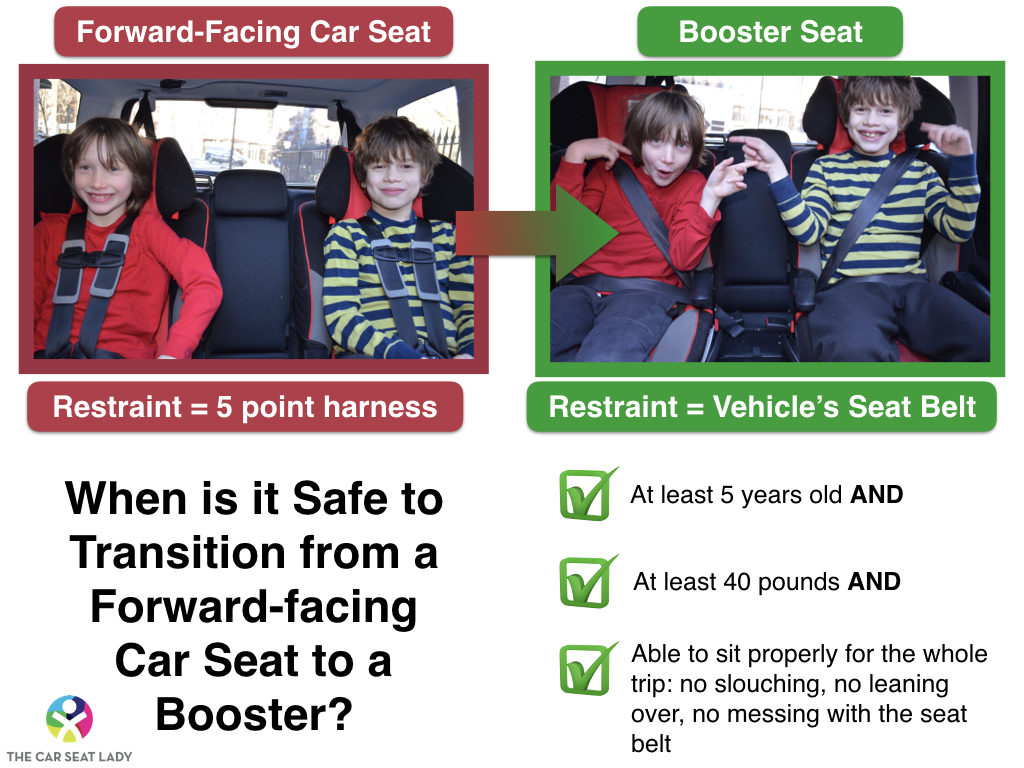
Credit: thecarseatlady.com
Legal Requirements For Car Seats
Car seats are crucial for child safety in vehicles. Laws ensure children are secure while traveling. Understanding these laws helps parents make informed choices. Different regions have specific rules for car seats. It’s important to know the laws in your area.
Age And Weight Guidelines
Car seat guidelines vary by age and weight. A 7-year-old may need a booster seat. It depends on their size and development. Most guidelines suggest booster seats until a child is 4 feet 9 inches tall. Weight is also a factor. Usually, children under 80 pounds need a booster.
State-specific Regulations
Each state has its own car seat laws. Some states require booster seats until age 8. Others base the requirement on height and weight. Check your state’s regulations for exact details. This ensures you comply with local laws. It also keeps your child safe on the road.
Types Of Car Seats For Seven Year Olds
Choosing the right car seat for a seven-year-old can be confusing. Safety and comfort are top priorities for parents. As children grow, their car seat needs change. Understanding the types of car seats available is crucial. Let’s explore the options for your growing child.
Booster Seats
Booster seats are designed for older children. They help position the seat belt properly. A booster seat elevates the child, ensuring safety. It’s crucial for the seat belt to fit correctly. The lap belt should lie across the upper thighs. The shoulder belt should rest on the chest, not the neck. Booster seats come in two main types: high-back and backless. High-back boosters offer head and neck support. Backless boosters are more portable and easy to move.
Convertible Seats
Convertible seats grow with your child. They start as rear-facing for infants. Then switch to forward-facing for older kids. Some models can convert to boosters. This versatility makes them a popular choice. Convertible seats have harness systems for added safety. They are bulkier compared to booster seats. Ideal for parents seeking long-term use. Ensure it fits your vehicle before buying. Check the weight and height limits for safety.
Installation Tips
Proper installation of a car seat is crucial for safety. Many parents struggle with this task. Ensuring your child’s safety starts here. Follow these tips for peace of mind.
Correct Positioning
Place the car seat in the back seat. This is the safest spot in the car. Ensure it faces the correct direction. The seat should be level. Check the manufacturer’s guidelines for the angle.
Make sure the car seat does not move side to side. A properly positioned seat enhances safety. Double-check your work before moving on.
Securing The Seat
Use the seat belt or LATCH system to secure the car seat. The seat should not move more than an inch. Tighten the straps until the seat is snug. Pull on the seat to test its security.
Check that the straps are not twisted. Twisted straps can reduce safety. Keep the belt path free of obstructions. This ensures a better fit and more security.

Credit: www.henrycountyymca.org
Common Mistakes To Avoid
Ensuring a child’s safety in a vehicle is crucial. Parents often make mistakes with car seats for seven-year-olds. These errors can risk a child’s safety. Understanding these common mistakes helps ensure a secure ride.
Incorrect Seat Size
Choosing the right seat size is vital. Many parents select a car seat based on age, not size. This can lead to choosing a seat that doesn’t fit properly. Always check the manufacturer’s guidelines. They provide height and weight limits. This ensures the seat matches your child’s needs.
Another common error is using a booster seat too soon. Children should be in harness seats until they fit booster seats safely. A snug fit is key for protection. Don’t rush this transition. Prioritize safety over convenience.
Improper Installation
Installation errors are frequent. A seat must be installed tightly. It shouldn’t move more than an inch. Many parents skip reading the manual. This can lead to loose installations. Follow step-by-step guides for secure setup.
LATCH systems are helpful but misunderstood. Parents might not know if their car supports LATCH. Check your car’s manual. Ensure compatibility before using it. Proper use enhances safety. A secure installation can prevent injuries.
Regular checks are essential. Sometimes seats loosen over time. Ensure a tight fit regularly. Your child’s safety depends on it. Make adjustments as needed. This practice keeps your child safe during every ride.
Safety Features To Consider
Car seats are crucial for children’s safety. At age 7, a booster seat is often necessary. It ensures the seatbelt fits correctly, protecting in case of accidents. Always check the height and weight requirements for the best fit.
Ensuring your seven-year-old’s safety in the car is crucial. Choosing the right car seat involves understanding key safety features. These features can provide essential protection during a trip. They help reduce the risk of injury in case of an accident. Let’s explore some important safety features to consider.
Side Impact Protection
Side impact protection is vital for shielding your child. It protects against injuries from side collisions. Look for seats with energy-absorbing foam. These materials help absorb crash forces. Deep side wings also enhance protection. They cradle your child’s head and body. This reduces movement during sudden impacts.
Adjustable Harness Systems
An adjustable harness system is a must-have feature. It ensures a snug fit as your child grows. Five-point harnesses provide superior security. They distribute crash forces across the body. Check for easy-to-use adjustments. This allows quick changes for growing kids. Ensure the harness rests at or above shoulder level. This position is safer for forward-facing seats.
Transitioning Out Of Car Seats
Transitioning out of car seats is a significant milestone for many children. Parents often wonder if their 7-year-old still needs a car seat. Safety is the top priority during car rides. Understanding when a child is ready to move on is crucial. This transition involves evaluating readiness and exploring alternative safety measures.
Signs Of Readiness
Check the child’s height and weight. A child is ready to transition when they reach the recommended limits for their car seat. Observe their behavior during car rides. A child who sits properly without slouching may be ready. Ensure the child can use the seatbelt correctly. It should fit snugly across their lap and shoulder.
Alternative Safety Measures
Consider using a booster seat. It helps position the seatbelt correctly. Ensure the vehicle seatbelt fits well. The lap belt should lie flat across the thighs. The shoulder belt should cross the chest and shoulder. Teach your child about car safety rules. They should understand the importance of sitting properly during rides. Regularly check the seatbelt’s fit as your child grows.
Parental Tips For Car Travel
Traveling with children requires careful planning. Safety is the top priority. Parents must ensure kids are secure during car journeys. This involves using the right car seats. It also includes educating children on travel safety. Here are some tips to help make travel smooth and safe.
Educating Children On Safety
Teach kids the importance of seat belts. Explain how seat belts keep them safe. Make it a habit to buckle up before the car moves. Show them how car seats work. Ensure they understand why car seats are necessary for them. Create a fun routine around safety checks. This makes learning enjoyable.
Encourage questions about safety. Answer them patiently. Let them know why rules are important. Reinforce safety measures during each trip. Praise them for following rules. This boosts their confidence in making safe choices.
Planning Long Trips
Prepare snacks and drinks for the journey. Keep kids comfortable with pillows and blankets. Plan regular breaks for rest and movement. Choose routes with scenic views. These keep kids engaged during travel.
Play games that involve spotting things outside. This makes travel fun and interactive. Bring books and toys to keep them entertained. Ensure the car seat is comfortable for long durations. Adjust the seat for their comfort. Rest stops are crucial for everyone.
Long trips need careful planning. This ensures a smooth experience. Happy children mean a happy journey.
Frequently Asked Questions
Do 7 Year Olds Require A Car Seat?
Yes, most 7 year olds need a car seat. Laws vary by state, but safety guidelines suggest using a booster seat until the child is 4’9″ tall. A car seat ensures proper seatbelt positioning for maximum safety during travel.
When Can A Child Stop Using A Car Seat?
Children can stop using a car seat when they reach 4’9″ tall. This height is typically reached between ages 8-12. Always check local laws, as regulations may differ. Proper seatbelt fit is crucial for the child’s safety.
Are Booster Seats Necessary For 7 Year Olds?
Yes, booster seats are recommended for most 7 year olds. Booster seats ensure that the vehicle’s seatbelt fits properly over the child’s shoulder and lap. This positioning is essential for safety in the event of a crash.
What Car Seat Is Best For A 7 Year Old?
A booster seat is best for most 7 year olds. It raises the child so that the seatbelt fits properly. Look for a booster seat with high safety ratings and easy installation.
Conclusion
Deciding on a car seat for a seven-year-old is important. Safety comes first. Many parents wonder if a booster seat is necessary. It often is. Laws vary, but protection remains crucial. A booster seat can prevent injuries in accidents. Check your local regulations.
They guide you on age and height requirements. Comfort matters too. Ensure the seat fits well. Kids grow fast. Regular checks are wise. Keep your child safe and secure. Prioritize their well-being on every ride. Always choose safety over convenience.
Your peace of mind is priceless. Make informed choices. Protect your loved ones.


