


When to Switch from Infant Car Seat to Convertible: Expert Tips

As a parent, you always want the best for your baby, especially when it comes to safety. One of the most important decisions you’ll face is knowing when to switch from an infant car seat to a convertible one.
This choice can be daunting, but it’s crucial for your child’s safety and comfort. Imagine driving down the road with peace of mind, knowing your little one is secure and comfy in the right seat. This article will guide you through the signs and factors to consider, so you can make the safest choice for your precious passenger.
Curious about when to make the switch? Let’s dive in and ensure your child rides safely on every journey.
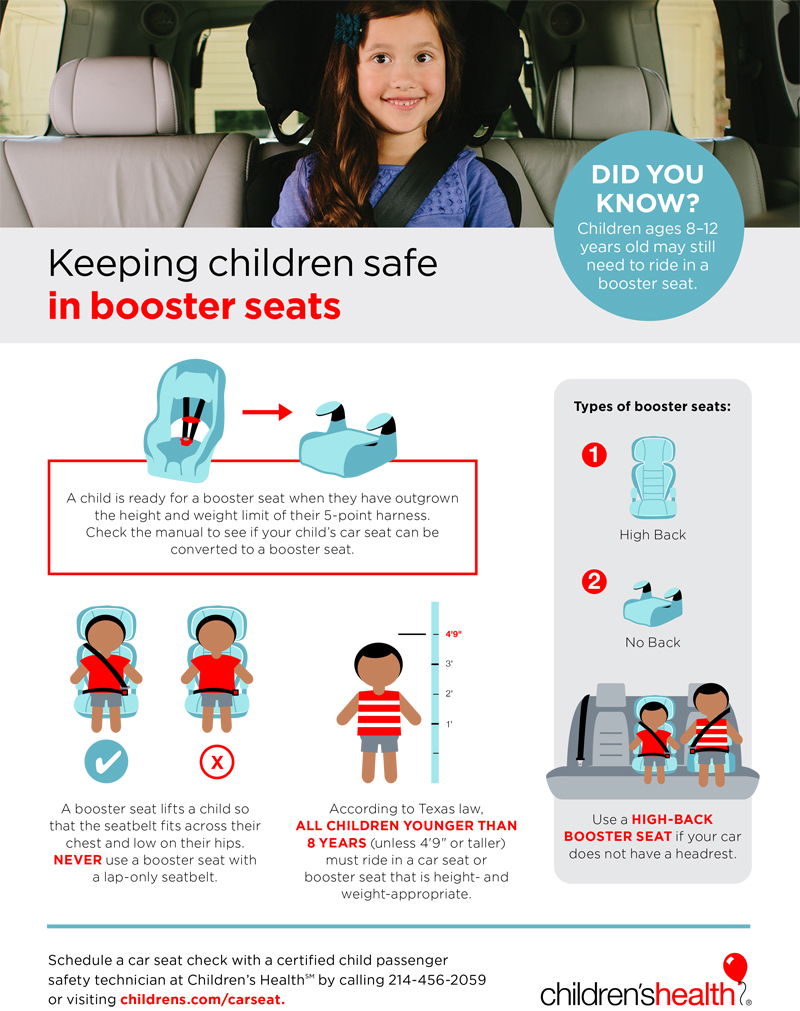
Credit: www.childrens.com
Signs It’s Time To Switch
Transitioning from an infant car seat to a convertible is a key milestone. Parents often wonder when to make this switch. Safety and comfort are top priorities for your child. Knowing the signs helps ensure their car seat is appropriate.
Outgrowing The Infant Car Seat
Infant car seats are designed for the early months. As babies grow, they may become cramped and uncomfortable. Check if your child’s head is nearing the top of the car seat. This indicates they may have outgrown it. Another sign is if their feet are hanging over the edge. These clues suggest it’s time to consider a convertible car seat.
Weight And Height Limits
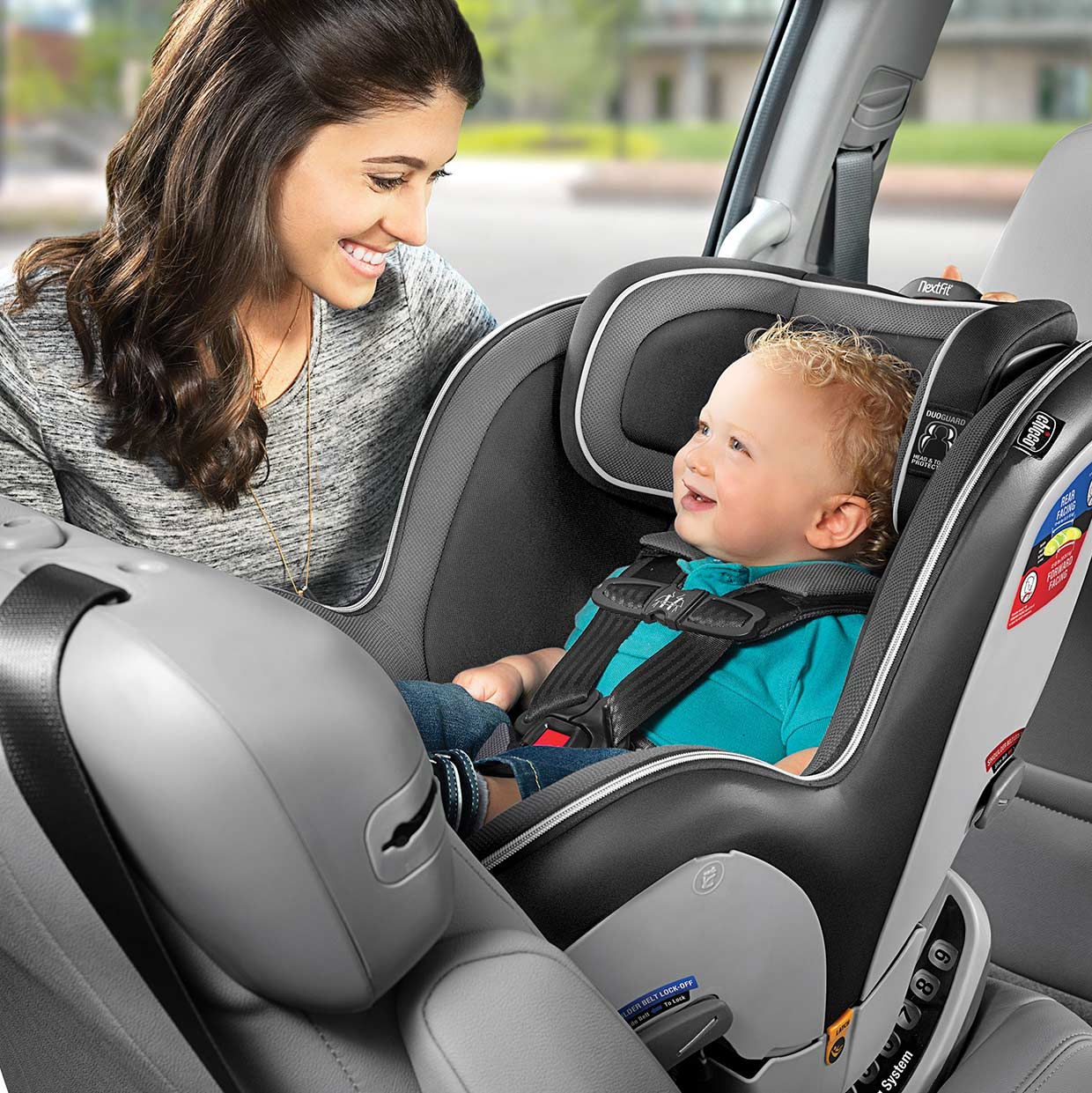
Every infant car seat has weight and height limits. These guidelines are crucial for safety. Review the car seat manual to understand its limits. If your child exceeds these measurements, it is time to switch. This ensures they are secure and supported during travel. Proper fit is vital for their safety on the road.
Credit: www.chiccousa.com
Benefits Of Convertible Car Seats
Choosing the right car seat for your child is crucial. Convertible car seats offer many advantages over infant car seats. They provide flexibility and cater to growing children. Understanding their benefits can help parents make informed decisions.
Longevity And Versatility
Convertible car seats grow with your child. They accommodate infants and toddlers alike. Parents won’t need to purchase a new seat frequently. These seats transition from rear-facing to forward-facing. They adapt to your child’s development stages.
Enhanced Safety Features
Safety is a top priority for parents. Convertible car seats come with advanced safety features. They offer side-impact protection and energy-absorbing foam. These features reduce the risk of injury in accidents. Their design ensures your child’s safety on the road.
Factors To Consider Before Switching
Choosing the right time to switch car seats is crucial. Each child’s needs are unique. Various factors play a role in this decision. These factors ensure your child’s safety and comfort during travel.
Child’s Comfort And Preference
Observe if your child feels cramped in the infant seat. Kids grow fast. More space might be needed. Your child should sit comfortably without restriction. A convertible seat offers more room. This allows for better movement. Listen to your child’s feedback. Their comfort matters.
Vehicle Compatibility
Check if your vehicle suits a convertible seat. Not all cars fit every seat model. Verify the seat’s dimensions against your car’s space. Ensure it fits securely without hindrance. A proper fit ensures safety. Test the seat in your vehicle before buying. This avoids future hassles. Safety is paramount.
Expert Recommendations
Knowing the right time to switch from an infant car seat to a convertible is crucial for your child’s safety. Experts recommend this transition based on specific guidelines and developmental milestones. Understanding these recommendations ensures your child stays safe and comfortable.
Age And Developmental Milestones
Infant car seats are designed for newborns and young babies. They usually support children up to two years old or weigh around 30 pounds. Once your child reaches these benchmarks, it’s time to consider a switch. Additionally, observe your child’s physical growth. When their head nears the top of the seat, a convertible seat may be necessary. Convertible seats accommodate larger children, providing more space and support as they grow.
Safety Guidelines And Regulations
Safety is the top priority when choosing a car seat. Regulations require that children remain rear-facing in their car seats until they meet certain age and weight criteria. Convertible seats offer extended rear-facing capabilities, enhancing safety. Experts emphasize the importance of adhering to these guidelines. Always check the seat’s label for specific weight and height limits. Using a car seat that fits these requirements ensures optimal protection for your child.
Installation Tips For Convertible Seats
Switching to a convertible car seat is a big step. Proper installation ensures safety for your child. Here are some helpful tips for installing convertible seats.
Proper Positioning Techniques
Position the seat at the correct angle. Most convertible seats have a recline indicator. This helps you ensure the right angle. Always use this feature for rear-facing installations.
Check the car’s manual and seat guide. They provide specific instructions. Follow them closely for a secure fit. Make sure the seat is tightly secured. There should be no more than an inch of movement.
Common Installation Mistakes
Many parents make common errors. Loose installation is a top mistake. Ensure the seat doesn’t shift easily. Use your body weight to tighten the straps.
Another mistake is incorrect belt path usage. Convertible seats have different belt paths for rear and forward-facing. Use the correct path for your child’s position.
Not using the tether strap is also common. The tether strap adds extra stability. Always connect it when the seat is forward-facing.
Maintaining Convertible Car Seats
Convertible car seats grow with your child. Keeping them in top condition is essential. Regular maintenance ensures safety and longevity. This guide provides easy steps for upkeep. Let’s dive into some key areas.
Regular Safety Checks
Check for loose straps or buckles often. Ensure the seat is tightly installed. Look for signs of wear and tear. Examine the foam padding for damage. Replace any worn-out parts immediately. The seat should not move more than an inch. Ensure the harness fits snugly against your child. Safety checks save lives.
Cleaning And Upkeep
Spills and crumbs are common. Clean the seat regularly to avoid buildup. Use mild soap and water for fabric parts. Avoid harsh chemicals that can damage materials. Let the seat air dry completely. Wipe down plastic parts with a damp cloth. Check the manual for specific cleaning instructions. Regular cleaning keeps the seat fresh and safe.

Credit: www.babylist.com
Frequently Asked Questions
When Should I Switch To A Convertible Car Seat?
You should switch to a convertible car seat when your baby outgrows the infant car seat’s height or weight limit. Typically, this happens around 9 to 12 months. Ensure you follow the manufacturer’s guidelines for safe transition.
What Are Signs My Baby Needs A New Car Seat?
Look for signs like your baby’s head reaching the top of the infant seat or exceeding weight limits. If your baby seems cramped, it’s time for a transition. Always consult the car seat manual for specific limits.
How Do I Choose The Right Convertible Seat?
Choose a convertible seat based on your child’s weight, height, and age. Ensure it fits your vehicle properly. Check safety ratings and features for maximum protection. Opt for a seat with easy installation and adjustment options.
Can I Use A Convertible Seat From Birth?
Yes, many convertible seats are designed for newborns. They can be used in a rear-facing position. However, ensure the seat is suitable for your baby’s size and weight. Always follow the manufacturer’s guidelines for safe usage.
Conclusion
Choosing the right time to switch car seats is crucial. Safety comes first. Watch your child’s growth. Follow guidelines and ensure comfort. Convertible car seats provide flexibility. They suit growing needs and offer longer use. Regularly check height and weight limits.
Stay informed on seat specifications. Make the transition smooth and safe. Proper installation is key. A well-fitted seat protects your child. Trust your instincts as a parent. Prioritize safety in every journey. Keep your child secure and happy on the road.
Always stay updated with safety standards. Your child’s well-being matters most.


