


When to Move Car Seat Straps Up: Essential Guidelines

As a parent, ensuring your child’s safety is your top priority, especially when it comes to car travel. One crucial aspect is the correct positioning of car seat straps.
But how do you know when it’s time to move those straps up? This decision can feel overwhelming, but understanding the right moment can significantly enhance your child’s safety. You’ll discover the key signs to watch for, making sure your little one is both secure and comfortable.
Keep reading to empower yourself with the knowledge you need to protect what matters most.
Car Seat Safety Basics
Understanding car seat safety basics is crucial for every parent. Safety begins with proper installation and strap adjustment. This ensures your child’s security during travel. Adjusting the car seat straps is a vital part of this process. It protects your child in the event of sudden stops or accidents. Regular checks and adjustments are necessary as your child grows. Knowing when to move car seat straps up is key for effective safety.
Understanding Car Seat Strap Height
Strap height affects how securely your child is held. Straps should be at or above the shoulders for forward-facing seats. For rear-facing seats, straps should be at or below the shoulders. Correct strap height keeps your child snug and safe. Always check the manufacturer’s guidelines for specific details.
Signs To Adjust Strap Position
Watch for signs your child needs a strap adjustment. If the straps are below their shoulders, move them up. Straps should sit comfortably and not dig into the neck. The fit should be snug but not overly tight. Regular adjustments ensure the best fit as your child grows.
Importance Of Regular Strap Checks
Regular checks maintain safety standards. Inspect the straps each time before buckling your child in. Look for twists or tangles that affect fit. Ensure the straps are smooth and correctly positioned. Regular checks prevent discomfort and enhance safety during travel.
Checking The Fit With The Pinch Test
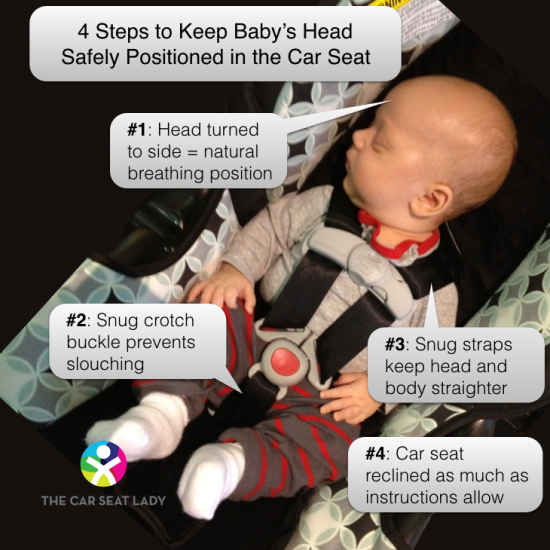
Use the pinch test to check strap tightness. After buckling, try to pinch the strap above the shoulder. If you can pinch excess webbing, tighten the straps. This test helps you ensure a snug, safe fit every time.
Credit: thecarseatlady.com
Signs It’s Time To Adjust Straps
Adjusting car seat straps is crucial for your child’s safety. Parents often wonder when to make these adjustments. Recognizing the right time helps ensure proper protection. Key signs indicate it’s time to move the car seat straps up. Let’s explore these signs.
Child’s Height And Weight
Height and weight influence car seat strap position. Check if your child has grown taller. They may need more space. If their head is above the car seat top, it’s time. Weigh your child regularly. Exceeding the seat’s weight limit is a clear sign.
Strap Position Relative To Shoulders
Strap position is vital for comfort and safety. Observe where the straps rest on the shoulders. For rear-facing seats, straps should be at or below shoulder level. For forward-facing seats, straps should be at or above shoulder level. If the straps are too low, adjust them higher. This ensures your child remains secure.
Guidelines For Rear-facing Seats
Rear-facing car seats are crucial for keeping infants safe. They protect against sudden impacts and collisions. Proper strap placement is essential for effectiveness. Moving the straps at the right time ensures optimal safety. Parents often wonder about the correct time to adjust the straps. Understanding guidelines helps make informed decisions.
Proper Strap Placement
Strap placement matters for rear-facing car seats. Straps should sit at or below the child’s shoulders. This positioning secures the child in the seat during a crash. Check the harness for snugness. You should not be able to pinch any slack in the straps. A proper fit prevents unnecessary movement. Regular checks ensure continued safety as your child grows.
When To Move Straps Up
Knowing when to adjust straps is key. Move straps up when they are below the child’s shoulders. This change is necessary as your child grows taller. Regularly check the shoulder level while buckling. If straps fall below the shoulders, it’s time for adjustment. Consult your car seat manual for specific guidelines. Each seat may have different rules.
Adjusting Straps In Forward-facing Seats
Adjusting straps in forward-facing car seats is crucial for safety. Proper strap positioning ensures your child’s protection during drives. Knowing the right time to adjust these straps is essential. This section will guide you through determining the ideal strap height and recognizing indicators for moving straps.
Ideal Strap Height
Straps should be at or above the child’s shoulders. This positioning holds your child securely in their seat. Ensure straps are snug, not loose. Loose straps can compromise safety. Check regularly to maintain correct height.
Indicators For Moving Straps
Your child’s growth is the primary indicator. As they grow, their shoulder height changes. Observe the straps’ position after each growth spurt. If straps fall below shoulders, it’s time to move them up. Also, check strap tightness. If tightening becomes difficult, reposition them. Regular checks prevent future safety issues.
Common Mistakes To Avoid
Car seat safety is crucial for your child’s protection. Many parents unknowingly make common mistakes. These errors can compromise safety and comfort. Understanding these mistakes can help you avoid them. Let’s explore some frequent errors related to car seat straps.
Incorrect Strap Positioning
Strap positioning is vital for safety. Straps should be at or above the shoulders. Many parents place them too low. This can cause the seat to function improperly. Check the strap height regularly as your child grows. Ensure they fit snugly over the shoulders.
Ignoring Weight Limits
Every car seat has weight limits. Ignoring them can be dangerous. As children grow, their weight changes. Regularly check your car seat’s weight limits. Adjust the straps when your child reaches the limit. This ensures continued safety and comfort.
Tips For Safe Adjustments
Making sure your child’s car seat straps are correctly adjusted is crucial. Proper adjustments ensure safety and comfort. It’s important to know when to move car seat straps up. Here are some tips to help you make safe adjustments.
Regular Strap Checks
Check the car seat straps regularly. Children’s growth can be unpredictable. They might outgrow their seat settings faster than expected. Make it a habit to examine straps every few weeks. Look for signs of discomfort or tightness. If the straps seem snug, it’s time for adjustment.
Consulting Car Seat Manuals
Always consult the car seat manuals for guidance. Manuals provide specific instructions for strap adjustments. They offer details based on the seat model. Each car seat brand may have unique features. Understanding these features ensures correct strap adjustments. Manuals help avoid common mistakes. Keeping the manual handy is a smart practice.
Professional Advice And Resources
Adjusting car seat straps correctly is crucial for your child’s safety. Knowing when to move them up can be tricky. Professional guidance and resources can help. This section highlights expert advice and useful online guides.
Seeking Help From Experts
Consulting with a certified car seat technician is beneficial. These professionals provide hands-on guidance. They help ensure the straps fit securely. Visit local clinics or safety events for expert advice. Many offer free inspections. This gives peace of mind knowing your child is safe. Technicians are trained to spot common mistakes. They also provide personalized tips for your specific car seat.
Utilizing Online Guides
Online resources offer valuable information on car seat safety. Many websites provide detailed tutorials. These guides often include step-by-step instructions. Videos can be especially helpful. They visually demonstrate how to adjust the straps. Some sites even have interactive tools. These tools help determine the correct strap height. Make sure to use reputable websites for accurate information. Check for updates regularly. Safety guidelines can change over time.

Credit: ucsg.safekids.org
Frequently Asked Questions
When Should I Move Car Seat Straps Up?
You should move the car seat straps up when your child’s shoulders are above the current harness slot. This ensures a secure fit. Regularly check the harness position as your child grows to maintain safety.
What Are Signs That Straps Are Too Low?
Signs include the harness falling below your child’s shoulders or difficulty buckling. Ensure the straps are at or above the shoulders for forward-facing. Adjust immediately if they’re too low.
How Often Should I Check Car Seat Straps?
Check car seat straps every few months or after a growth spurt. Regular adjustments ensure safety. Frequent checks help maintain proper fit as your child grows, preventing the straps from being too tight or loose.
Is It Safe If Car Seat Straps Are Loose?
Loose car seat straps are not safe. They can lead to injury in an accident. Ensure the straps are snug and secure. A properly fitted harness should allow only a finger’s width between your child and the strap.
Conclusion
Ensuring your child’s safety in the car is crucial. Adjust car seat straps as your child grows. Check strap positioning often. Keep straps at or above shoulder level. This provides better protection. Don’t forget the importance of regular checks. Growth can be rapid, causing quick changes.
Always follow the car seat manual. It offers specific guidelines. Safety should always come first. Make adjustments part of your routine. Doing so helps avoid common mistakes. Remember, your child’s safety matters most. A well-positioned strap can save lives. Stay informed, stay safe.
Adjustments are simple but essential. Prioritize safety.


