


When to Adjust Car Seat Straps: Essential Safety Guide

Have you ever wondered if your child’s car seat straps are adjusted correctly? You’re not alone.
Ensuring that your little one is safely secured during every car ride is a top priority for any parent. But how do you know when it’s time to adjust those straps? This small detail can make a big difference in your child’s safety and your peace of mind.
We’ll guide you through the signs that indicate it’s time for an adjustment, so you can drive with confidence knowing your child is protected. Keep reading to discover the simple steps that could make all the difference in an emergency, and learn how to avoid common mistakes that many parents unknowingly make. Don’t leave your child’s safety to chance. Let’s dive in and get it right together.
Importance Of Proper Car Seat Strap Adjustment
Ensuring your child’s safety during car travel starts with proper car seat strap adjustment. Properly adjusted straps provide crucial protection in the event of a collision. Loose or incorrectly placed straps increase the risk of injury. Regular checks and adjustments keep your child secure and comfortable. Understanding the importance of this adjustment is key to your child’s safety.
Impact On Child Safety
Proper strap adjustment directly affects your child’s safety. Snug straps prevent excessive movement during sudden stops. They keep your child firmly in place. This reduces the risk of serious injury. Loose straps may lead to your child slipping out. This is dangerous in accidents. Always ensure straps are tight yet comfortable.
Legal Requirements
Many regions have laws regarding car seat strap use. These laws aim to protect children during travel. Non-compliance can lead to fines or penalties. More importantly, it could endanger your child. Ensure your car seat meets these legal standards. Regularly check for updates in safety regulations. This keeps your child safe and you compliant.
Signs Straps Need Adjustment
Car seat straps play a crucial role in child safety during travel. Properly adjusted straps ensure your child’s security and comfort. Recognizing signs of poorly adjusted straps is essential.
Visible Slack In Straps
Loose straps pose a significant safety risk. Check for any slack by gently pinching the strap at the shoulder. If you can pinch excess material, the straps need tightening. Straps should lie flat against your child’s body without gaps.
Red Marks On Child’s Skin
Red marks indicate straps might be too tight or improperly placed. Adjusting strap height and tightness can alleviate this issue. Ensure the harness is snug but not constricting. Regularly check for such marks after each journey.
Adjusting Car Seat Straps For Different Ages
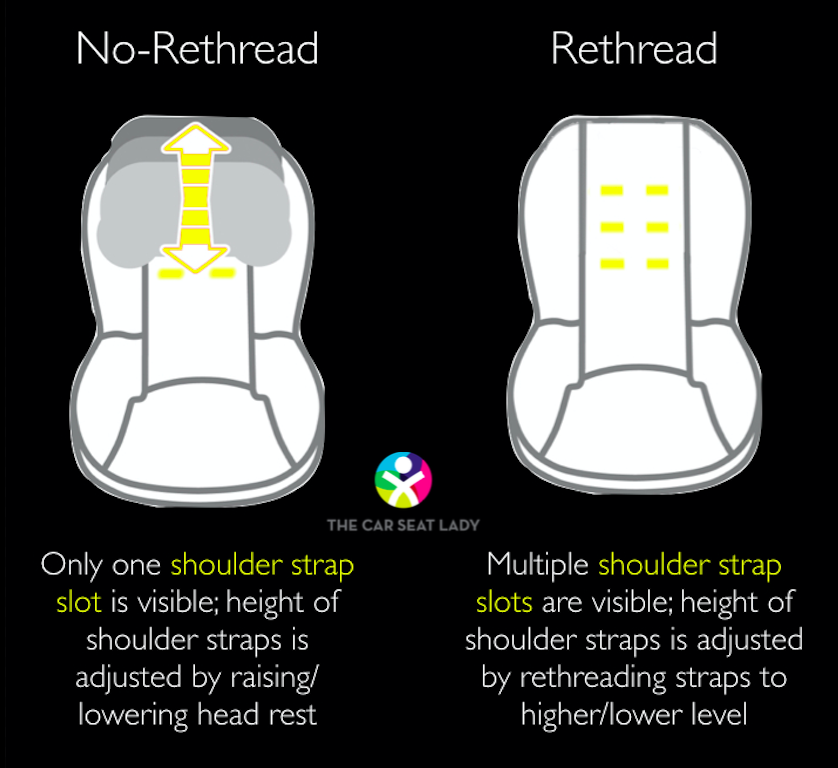
Adjusting car seat straps for different ages is crucial for safety. Car seats protect young passengers in case of a crash. Properly adjusted straps ensure maximum protection. Each age group requires unique strap adjustments. Let’s explore adjustments for infants, toddlers, and older children.
Infants And Newborns
Infants and newborns need extra support and care. Their necks and spines are fragile. Keep the car seat straps snug and secure. The harness should be at or below their shoulders. Ensure the straps lie flat without any twists. A proper fit keeps them safe and comfortable.
Toddlers And Preschoolers
Toddlers grow quickly and need frequent adjustments. For forward-facing seats, place the harness at or above their shoulders. Check the straps regularly to maintain a snug fit. Ensure the chest clip is at armpit level. These adjustments help protect active toddlers during a ride.
Older Children
Older children need a booster seat for safety. Adjust the seat belt to fit properly. The lap belt should lie across their upper thighs. The shoulder belt should cross the chest and shoulder. Avoid placing the belt under the arm or behind the back. These adjustments ensure safety and comfort.
Credit: thecarseatlady.com
Step-by-step Strap Adjustment Process
Adjusting car seat straps properly ensures your child’s safety during drives. Understanding the step-by-step strap adjustment process is crucial. It helps to keep your little one secure and comfortable. Here’s how you can adjust the car seat straps effectively.
Checking Strap Position
First, examine the straps’ position on your child’s shoulders. They should be at or just below the shoulders for rear-facing seats. For forward-facing seats, straps should be at or just above the shoulders. Correct positioning prevents slippage and ensures protection.
Securing The Buckle
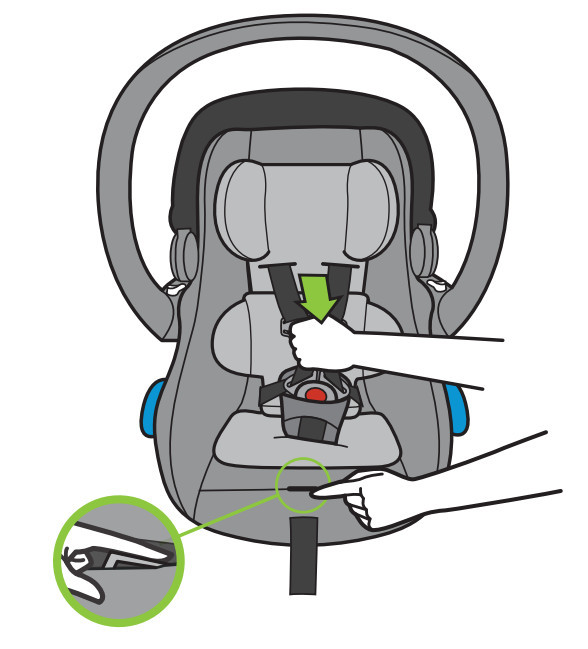
Next, secure the buckle. Ensure the buckle clicks firmly into place. Listen for a clear click sound. This indicates the buckle is locked securely. A loose buckle can compromise safety.
Testing Strap Tightness
Finally, test the tightness of the straps. They should be snug but not too tight. You should not be able to pinch any strap material. A snug fit keeps your child from moving too much in the seat. Adjust the straps as needed to achieve a secure fit.
Common Mistakes And How To Avoid Them
Adjusting car seat straps correctly ensures your child’s safety. Many parents make common mistakes with straps. These mistakes can compromise safety. Understanding these errors helps you avoid them. Learn how to ensure your child’s seat is secure.
Using Loose Straps
Loose straps are a frequent mistake. They might seem comfortable, but they aren’t safe. Loose straps can allow excessive movement in a crash. Always check the tightness before each drive. The straps should be snug against your child’s body. A quick test: try pinching the strap. If you can pinch it, it’s too loose. Tighten until you can’t pinch any fabric. This ensures your child stays secure.
Incorrect Strap Height
Strap height plays a crucial role. It should match your child’s shoulder height. For rear-facing seats, straps should be at or below the shoulders. For forward-facing seats, position them at or above the shoulders. Check the height regularly as your child grows. Adjust accordingly to ensure safety. Misaligned straps can lead to injury. Keep an eye on your child’s growth to maintain proper alignment.
Tools And Accessories For Optimal Strap Adjustment
Adjusting car seat straps can ensure your child’s safety. Using the right tools and accessories can make this process easier. Each piece has a specific role, ensuring your child is snug and secure. This section explores key items that aid in perfecting strap adjustments.
Harness Adjusters
Harness adjusters help in fine-tuning the fit of the straps. They allow you to tighten or loosen straps with ease. Look for adjusters that are simple to operate. Smooth adjustments mean a safer ride for your child.
Chest Clips
Chest clips keep the harness straps in place. They ensure straps do not slip off your child’s shoulders. Place the chest clip at armpit level. This position maximizes safety and comfort during travel.
Expert Tips For Ensuring Strap Safety
Car seat straps are vital for your child’s safety. Parents must ensure straps are properly adjusted. Poorly adjusted straps can lead to serious risks. Follow expert tips to guarantee safety.
Regular Strap Checks
Inspect the car seat straps frequently. Look for any signs of wear or damage. Adjust the straps as your child grows. Ensure the harness is snug but comfortable. Straps should not be twisted.
Consulting With Professionals
Seek advice from certified car seat technicians. They can provide guidance on correct strap adjustments. Professionals can inspect the seat for any issues. Attend car seat safety checks in your area.

Credit: www.youtube.com
Credit: www.nexcha.co.jp
Frequently Asked Questions
How Often Should Car Seat Straps Be Adjusted?
Car seat straps should be adjusted regularly as your child grows. Check the fit each time your child is placed in the seat. Adjust for comfort and safety, ensuring the straps are snug and positioned at or below the child’s shoulders.
What Signs Indicate Car Seat Strap Adjustment Is Needed?
Signs include the harness being too loose or tight. Straps should lie flat without twisting. If the harness is above your child’s shoulders, it’s time to adjust. Regularly check for these indicators to ensure optimal safety and comfort.
Can Seasonal Clothing Affect Car Seat Strap Fit?
Yes, bulky clothing like winter coats can affect strap fit. Straps may appear tight but not be secure. Always adjust straps after dressing your child in seasonal clothing to ensure a snug and safe fit.
When Should Car Seat Straps Be Tightened?
Straps should be tightened when they can be pinched between fingers. A snug fit prevents excess movement. Always check the tension after securing your child in the car seat to ensure maximum safety.
Conclusion
Adjusting car seat straps is crucial for your child’s safety. Regular checks ensure the straps fit snugly. Always tighten the straps after your child grows. Loose straps can be dangerous in sudden stops. Keep an eye on the strap position as seasons change.
Bulky clothes can affect how straps fit. Listen for the “click” when securing the seat. Make adjustments part of your routine. This keeps your child safe on every ride. Remember, safety comes first. Stay vigilant and enjoy peace of mind on the road.


