


Do You Need an Infant Car Seat: Essential Guide

Are you expecting a little one and wondering about the essentials for your growing family? Among the list of must-haves, an infant car seat is a top priority.
But do you really need one? The answer could impact your baby’s safety and your peace of mind. We’ll dive into the reasons why an infant car seat is more than just a purchase—it’s a crucial investment in your child’s well-being.
Discover how this small piece of equipment can make a big difference in your daily life. Stay with us, and let’s ensure you’re making informed decisions for your precious cargo.

Credit: www.reddit.com
Importance Of Infant Car Seats
Infant car seats play a vital role in ensuring your baby’s safety. They are not just a legal requirement. They are a crucial tool for protecting your little one. In the event of an accident, these seats can prevent serious injuries. Choosing the right car seat is, therefore, essential for every parent.
Ensuring Safety And Security
Infant car seats are designed with safety in mind. Their structure helps absorb impact during collisions. This reduces the risk of injury to the child. Secure harnesses keep the infant snug and safe. Proper installation ensures the seat performs effectively.
Providing Comfort During Travel
Comfort is essential for a happy travel experience. Infant car seats offer padded cushions and adjustable settings. This ensures that your baby remains cozy and calm. Long journeys become more manageable with the right seat. A comfortable baby is a happy baby.
Legal Requirements And Regulations
Laws mandate the use of infant car seats in many places. Compliance ensures you avoid fines and penalties. More importantly, it promotes the safety of young passengers. Understanding the regulations is crucial for responsible parenting.
Longevity And Versatility
Many infant car seats offer adjustable features. As your child grows, the seat adapts to fit them. This prolongs the use of the car seat, making it a wise investment. Some seats even convert into boosters for older children.
Peace Of Mind For Parents
Knowing your child is safe provides peace of mind. Infant car seats offer that assurance. With a reliable seat, parents can focus on the road. It allows for a stress-free driving experience.
Legal Requirements
Understanding car seat laws is important for your baby’s safety. Each country has specific rules. They ensure children travel safely in vehicles. These laws are not just guidelines. They are mandatory for all drivers.
Being informed helps avoid legal troubles. More importantly, it keeps your child safe. Let’s explore the key legal aspects of infant car seats.
Mandatory Use Of Car Seats
Most countries require car seats for infants. This law protects young passengers. The requirement applies from the moment they leave the hospital. Failure to comply can result in fines.
Age And Weight Regulations
Car seat laws often depend on age and weight. Infants under a certain weight need specific seats. These rules ensure the seat fits your child’s size. Check local regulations for exact requirements.
Rear-facing Seats For Infants
Infants must use rear-facing seats for safety. This position supports their head and neck. Rear-facing is often required until age two. It provides the best protection in a crash.
Installation Standards
Correct installation is crucial for safety. Laws often specify how seats should be installed. Read the car seat manual carefully. Improper installation can lead to legal penalties.
Transition To Booster Seats
Children eventually outgrow infant car seats. Laws guide this transition. Booster seats are the next step. They help fit the car’s seat belt properly. Follow the guidelines to know when to switch.
Types Of Infant Car Seats
Choosing the right infant car seat is crucial for your baby’s safety. Different types cater to varied needs and preferences. Understanding these options helps in making an informed decision. Let’s explore the main types of infant car seats available.
Rear-facing Seats
Rear-facing seats are essential for newborns and small infants. They provide the best protection for a baby’s head, neck, and spine. The seat faces the rear of the car. This position absorbs the force of a crash better. These seats are designed for infants up to 40 pounds. They are often portable, making them easy to carry.
Convertible Seats
Convertible seats grow with your child. Initially, they serve as rear-facing seats. Once your child grows, they convert to forward-facing. This flexibility extends their usability. Convertible seats are ideal for long-term use. They offer a cost-effective solution for parents. Yet, they are usually bulkier and less portable.
All-in-one Seats
All-in-one seats offer a complete solution. They transition from rear-facing to forward-facing. They even convert into a booster seat. This makes them a long-term investment. These seats accommodate children from infancy to early childhood. They are versatile and save space. Yet, their size can be challenging in smaller cars.
Safety Features To Consider
Ensuring your baby’s safety is crucial when selecting an infant car seat. Key safety features protect your little one during travel. Each element plays a significant role in safeguarding your child. Let’s explore the essential safety features to consider.
Side-impact Protection
Side-impact protection shields your baby from side collisions. This feature often includes extra padding on the seat’s sides. The added padding absorbs impact, keeping your child secure. Check for seats with enhanced side protection.
Five-point Harness
The five-point harness secures your child with straps at five points. It includes two shoulder straps, two waist straps, and one between the legs. This design distributes force evenly during a crash. Ensure the harness is adjustable for a snug fit.
Energy-absorbing Foam
Energy-absorbing foam reduces crash impact by absorbing shock. It cushions your baby’s body, minimizing injury risk. Look for seats with high-quality foam materials. This feature enhances overall seat safety.
Installation Tips
Ensuring your infant car seat is installed correctly is crucial for safety. Proper installation reduces risks during travel. Let’s explore some tips to help you get it right.
Using The Latch System
The LATCH system provides a secure way to install car seats. It stands for Lower Anchors and Tethers for Children. Many cars have built-in anchors. These are found between the seat cushion and the backrest. Connect the car seat straps to these anchors. Make sure they click into place. This method often feels more secure than using seat belts.
Securing With Seat Belts
If your car doesn’t have LATCH, use seat belts. First, check the car seat manual. It guides you on threading the belt. Pull the seat belt through the correct path. Buckle it firmly. Ensure there are no twists. Once buckled, lock the belt. This prevents it from loosening over time.
Checking For Tightness
After installation, check the seat’s tightness. Hold the seat near the belt path. Try moving it side to side. It should not move more than one inch. If it does, re-tighten the connections. A tightly secured seat protects your child. Double-check each connection. Safety is the priority.
Common Mistakes To Avoid
Ensuring your infant’s safety is crucial. Many parents unknowingly make mistakes with car seats. Understanding these common errors can prevent potential risks. Here’s what to watch out for when using an infant car seat.
Incorrect Angle Position
The angle of the car seat matters. A wrong angle can affect your baby’s breathing. Always check the manual for the correct angle. This helps ensure your infant’s head stays upright. A reclining position can be risky. Use the built-in angle indicators for guidance.
Loose Straps
Loose straps are dangerous. Straps should fit snugly against your baby. Check them each time you place your baby in the seat. A simple pinch test can help. You should not be able to pinch any strap material. This ensures your baby stays secure during the ride.
Placing In Front Seat
Never put an infant seat in the front. The back seat is always safer. Front airbags can injure your baby. Even in a minor crash, they pose a threat. Always use the rear seat for infant car seats. Ensure you follow the car seat laws in your area. Safety first, always.
Choosing The Right Car Seat
Finding the perfect car seat for your infant is crucial. It ensures safety and comfort during travels. With many options available, making the right choice can be tough. Focus on key factors to guide your decision.
Weight And Height Limits
Check the weight and height limits of the car seat. These limits vary across different models. Ensure the seat fits your baby comfortably. A seat that supports growth offers better value. Always choose one that aligns with your child’s size.
Compatibility With Vehicle
Not all car seats fit every vehicle. Verify the seat’s compatibility with your car model. Some seats work best with specific cars. Check the manufacturer’s guidelines. This ensures a secure and proper fit.
Ease Of Cleaning
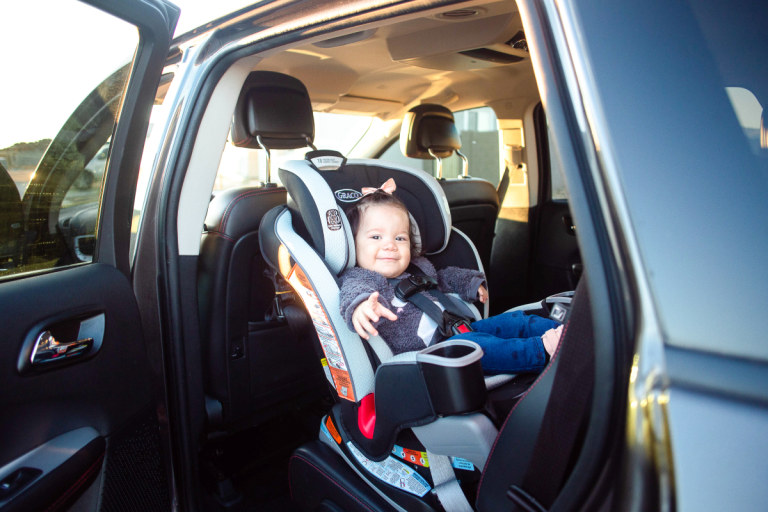
Babies make messes. Choose a car seat that’s easy to clean. Removable covers and machine-washable materials are ideal. They save time and effort. A clean seat keeps your baby healthy and happy.
Credit: www.babylist.com
Maintenance And Care
Maintaining your infant car seat ensures safety and longevity. Regular care prevents wear and tear. It keeps the seat in optimal condition. Proper maintenance can extend its life, giving you peace of mind. Let’s dive into the key aspects of caring for your infant car seat.
Regular Inspections
Check the car seat for damages frequently. Inspect straps, buckles, and padding. Look for signs of wear or fraying. If you notice issues, address them promptly. Regular inspections ensure the seat remains safe for your child.
Cleaning Guidelines
Keep the car seat clean for hygiene. Use mild soap and water. Avoid harsh chemicals. Remove the cover and wash it separately. Follow the manufacturer’s cleaning instructions carefully. Proper cleaning maintains both appearance and safety.
Expiration Dates
Car seats have expiration dates. Typically, they last six to ten years. Check the label or manual for specifics. Using an expired seat can compromise safety. Always ensure your seat is within its valid period.
Traveling Tips With Infants
Traveling with infants requires thoughtful planning. Their comfort and safety are priorities. Knowing travel tips helps ensure a smooth journey. Different travel methods need different preparations. From long drives to plane trips, each has unique needs. Equip yourself with the right accessories for a stress-free experience. Let’s explore some essential tips for traveling with infants.
Long Distance Travel
Long drives need careful preparation. Ensure the infant car seat is securely installed. Check for safety certifications and reviews. Pack essentials like diapers, wipes, and snacks. Keep your baby’s favorite toys and books handy. Frequent stops help stretch and relax. Play soothing music or sing nursery rhymes. Maintain a comfortable temperature in the car. Hydration is crucial; offer drinks regularly.
Air Travel Considerations
Flying with infants requires planning. Book seats with extra legroom if possible. Consider traveling during nap times for a peaceful flight. Use a lightweight stroller for convenience at airports. Carry a blanket for warmth and comfort. Pack baby food in easy-to-access containers. Manage ear pressure during takeoff and landing. Offer a pacifier or bottle to help with ear discomfort. Prepare for potential delays with extra supplies.
Comfortable Travel Accessories
Travel accessories enhance comfort. Neck pillows support sleeping infants. Sunshades protect against bright light. Noise-canceling headphones reduce ambient noise. Use a portable changing mat for hygiene. Baby carriers keep your infant close and secure. Choose breathable fabrics for clothing. Travel bags with compartments keep items organized. Keep a first-aid kit ready for minor emergencies.
:max_bytes(150000):strip_icc()/GettyImages-1209117975-cf1b218cde5c45b5af55dccb6513f6a7.jpg)
Credit: www.parents.com
Frequently Asked Questions
Do All Infants Need Car Seats?
Yes, all infants need a car seat for safety. Infant car seats are designed to protect your baby during car rides. They provide essential support and reduce the risk of injury in case of accidents. Ensuring your baby is secured in a car seat is crucial for their safety.
When Should I Buy An Infant Car Seat?
You should buy an infant car seat before your baby is born. It’s crucial to have one installed before the hospital discharge. This ensures your newborn is safe for their first car journey home. Early purchase also allows you time to understand installation and usage instructions.
How Long Can An Infant Use A Car Seat?
Infants can use a car seat until they outgrow its weight or height limit. Typically, this is around 12 months. It’s essential to follow the manufacturer’s guidelines for specific limits. Transition your child to a convertible car seat when they exceed these limits for optimal safety.
What Are The Benefits Of Infant Car Seats?
Infant car seats offer numerous benefits for your baby’s safety. They provide essential head and neck support, minimizing injury risks. They are also portable, allowing easy movement between car and stroller. Additionally, they ensure compliance with legal requirements for child passenger safety.
Conclusion
Choosing the right infant car seat is crucial for safety. It offers protection during travel, ensuring peace of mind. Considerations like size, comfort, and compatibility matter. Prioritize models with strong safety ratings. Check installation ease before buying. Read reviews from other parents for insights.
Remember, a reliable car seat supports your baby’s growth. It adapts as your child grows, providing long-term value. Investing in a quality seat is investing in your child’s safety. Make an informed choice. Keep your little one secure during every journey.
Safety on the road starts with the right car seat.


