


How to Turn Car Seat into Booster: Easy DIY Guide

Imagine this: your little one is growing up fast, and so are your responsibilities as a parent. Ensuring their safety during car rides is top priority, and it might be time to transition from a car seat to a booster.
But how do you make this switch seamlessly? You’re not alone in pondering this question, and the good news is, it’s simpler than you might think. You’ll discover straightforward steps to convert your car seat into a booster, ensuring your child’s safety and comfort.
We’ll also reveal some insider tips that other parents swear by, making the transition smooth and stress-free. By the end of this guide, you’ll feel confident and empowered, ready to handle this new phase of your child’s journey. So, why wait? Let’s dive into the details and get your child buckled up safely!

Credit: www.youtube.com
Safety Considerations
Turning a car seat into a booster requires careful attention to safety. Ensuring your child’s safety should always be a priority. A booster seat helps position the seat belt correctly across your child’s body. This minimizes the risk of injury during a crash. Proper installation and usage of a booster seat are crucial. Let’s explore key safety considerations you must keep in mind.
Understanding Weight And Height Limits
Booster seats have specific weight and height limits. Always check the manufacturer’s guidelines. Ensure your child fits within these limits before transitioning. This prevents improper fit and potential harm.
Correct Seat Belt Positioning
Seat belts must fit snugly across the child’s shoulder and lap. Ensure the shoulder belt does not touch the neck. The lap belt should lie low across the upper thighs. Incorrect positioning can lead to injuries.
Secure Installation
Follow the installation instructions carefully. Ensure the booster seat is firmly installed. A loose seat can compromise safety during a crash. Check the seat’s stability regularly.
Inspect For Wear And Tear
Regularly inspect the booster seat for wear and damage. Look for cracks, frayed straps, and loose parts. Replace the seat if you find any damage. A damaged seat cannot protect your child effectively.
Follow Manufacturer’s Guidelines
Each booster seat model may have specific guidelines. Follow these instructions closely. This ensures optimal safety and performance. Read the manual thoroughly before use.
Stay Updated On Safety Standards
Safety standards evolve over time. Stay informed about current regulations. Ensure your booster seat meets these standards. This guarantees your child’s protection.
Materials Needed
Turning a car seat into a booster requires essential materials. Each item ensures safety and comfort. Gathering the right materials is crucial for a seamless transformation.
Materials List
Start with a detailed list. This ensures you miss nothing important. A comprehensive list saves time and effort.
Car Seat Cover
A car seat cover offers protection. It keeps the booster clean and durable. Choose a cover that fits snugly.
Padding Material
Padding adds comfort for your child. It provides extra cushioning. Select padding that is soft and supportive.
Safety Straps
Safety straps are vital for security. They keep the booster stable. Use straps that are strong and adjustable.
Non-slip Mat
A non-slip mat prevents movement. It ensures the booster stays in place. Choose a mat with high grip.
Tools For Assembly
Gather basic tools for assembly. A screwdriver and wrench work well. These tools help in securing parts.
Instruction Manual
Follow an instruction manual closely. It guides the assembly process. Manuals provide step-by-step directions.
With these materials, you can confidently transform your car seat. Prioritize safety and comfort throughout the process. Each item plays a vital role in ensuring success.
Preparing The Car Seat
Preparing the car seat for its transformation into a booster requires careful attention. Ensuring safety and comfort is crucial. This process involves a few straightforward steps. Each step contributes to a secure booster seat. Follow these guidelines to make sure your car seat is ready.
Removing Extra Padding
First, remove any extra padding from the car seat. These paddings are often used for infants. They provide extra support for smaller children. As your child grows, they need less padding. Removing it creates more space. It also allows the seat to fit better as a booster. Check the car seat manual for specific instructions. Some padding may be essential for safety. Only remove what is not needed.
Checking Seat Integrity
Next, check the integrity of the car seat. Look for any signs of wear and tear. Ensure all buckles and straps are in good condition. The plastic shell should be free of cracks. This ensures the seat can still protect your child. Inspect the harness system as well. Make sure it adjusts easily and locks securely. A thorough inspection guarantees the seat’s reliability as a booster.
Adjusting Seat Height
Adjusting the seat height is crucial for child safety in cars. It ensures your child is comfortable and secure during travel. A properly adjusted booster seat can prevent injuries. It aligns the seatbelt to the child’s shoulder and lap. This section guides you on how to adjust the seat height effectively.
Using Foam Blocks
Foam blocks are a simple way to raise the seat height. They provide a stable and comfortable base. Measure your child’s height to determine the block size needed. Place the foam block on the car seat. Ensure it is firm and not sliding. This method elevates the seat safely and affordably.
Securing With Straps
Straps are essential for securing the booster seat. They hold the seat firmly in place. Check the car seat’s manual for strap placement instructions. Attach the straps to the car’s anchor points. Tighten them until the seat is stable. This prevents the seat from moving during travel. Secure straps mean enhanced safety for your child.
Creating The Back Support
Transforming a car seat into a booster requires proper back support. A sturdy back support ensures safety and comfort for your child. This section guides you on crafting a reliable back support for your booster seat.
Using Fabric Covers
Fabric covers can enhance comfort and style. Choose durable fabric that withstands wear and tear. Opt for breathable materials. Breathable fabrics keep your child cool during long rides. Consider designs that appeal to your child. Fun patterns make the seat inviting.
Attaching Securely
Secure attachment is crucial for safety. Use strong straps or belts to fasten the back support. Check the compatibility with your car seat. Ensure the straps do not loosen over time. Regularly inspect for wear and tear. Replace any damaged parts immediately.

Credit: www.evenflo.com
Testing For Stability
Transforming a car seat into a booster is a practical choice. Safety should be the top priority. Ensuring the seat is stable is crucial. Stability testing ensures the seat stays secure during a ride. It prevents unnecessary movement that can be dangerous. Stability checks help avoid accidents.
Begin by testing the seat’s fit. Make sure it fits well in the car. A proper fit enhances safety and comfort for the child.
Ensuring Proper Fit
Check the seat’s position in the car. It should sit firmly without wobbling. Try moving the seat from side to side. If it shifts too much, adjustments are needed. A snug fit is vital for the child’s safety.
Use the seat’s anchors or belts correctly. They help secure the seat in place. Don’t rely on the seat alone. Ensure the car’s system supports the seat well.
Checking Buckle Functionality
Buckles are essential for safety. Check if they fasten and unfasten smoothly. They should not stick or be hard to use. This ensures quick access in emergencies.
Examine the buckle’s condition. Look for any signs of wear or damage. Replace worn-out buckles to maintain safety. A fully functional buckle is a must for a stable seat.
Final Adjustments
Transform a car seat into a booster with these simple steps. Adjust the seat’s height and remove unnecessary straps. Ensure the seatbelt fits snugly across your child’s shoulder and lap. Prioritize safety by checking the manufacturer’s guidelines for any specific instructions.
Turning a car seat into a booster seat requires careful adjustments. This ensures your child’s safety and comfort. Final adjustments make sure everything is just right for your little one.
Fine-tuning Seat Position
Place the booster seat securely in the car. Check that it sits firmly without wobbling. Align the seat with the car’s seatbelt system. Ensure the booster seat does not shift during travel. Position it so your child can easily reach the seatbelt. Double-check that the booster seat is facing forward. Adjust the seat’s position for optimal safety.
Ensuring Comfort
Comfort is key for long journeys. Check the seat padding and material. Ensure it is soft and comfortable. Make sure the seatbelt fits snugly over your child’s shoulder. Test the seatbelt’s ease of use. Your child should be able to buckle and unbuckle easily. Ensure the booster seat has enough legroom. Adjust the seat’s angle if needed for comfort. Check that your child’s feet can rest comfortably on the car floor.
Tips For Maintenance
Maintaining your car seat turned booster is essential for safety and longevity. Regular upkeep ensures your booster seat remains reliable for everyday use. With a few easy steps, you can keep it in top condition.
Regular Inspections
Check the booster seat for loose parts weekly. Inspect the harness for wear and tear. Ensure the seatbelt guides work well. Examine the padding for any damage. Look for cracks in the plastic frame. Regular checks help catch issues early.
Cleaning Procedures
Wipe down the seat with a damp cloth. Use mild soap for stubborn stains. Avoid harsh chemicals that damage materials. Clean the fabric cover as per instructions. Vacuum crumbs from seams and crevices. A clean seat prevents mold and odors.
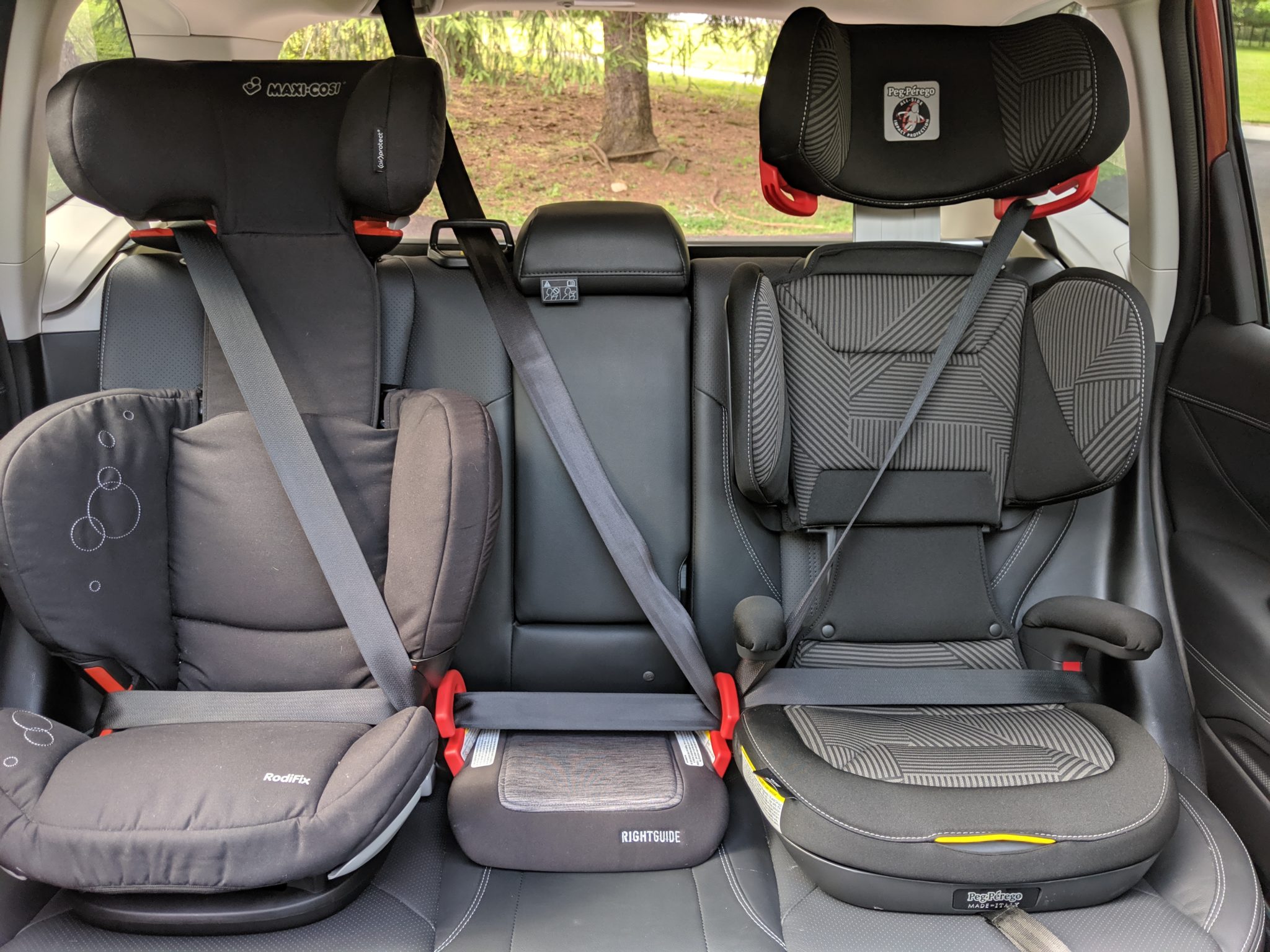
Credit: www.jrai.net
Frequently Asked Questions
What Is A Booster Seat Conversion?
A booster seat conversion involves modifying a car seat to function as a booster seat. This process ensures your child sits at the right height. It helps the seatbelt fit properly across their shoulder and lap. Always follow manufacturer instructions for a safe conversion.
When Should You Convert To A Booster Seat?
Convert to a booster seat when your child outgrows their forward-facing car seat. This typically happens when they exceed the height or weight limits. Children should be at least 4 years old and weigh 40 pounds. Always prioritize safety and follow guidelines.
How Do I Know If My Car Seat Is Convertible?
Check the car seat manual or manufacturer’s website for conversion options. Convertible car seats often have adjustable parts and settings. Look for features that accommodate growth, like removable harnesses. Ensure your seat meets safety standards for booster use.
Are Booster Seats Safer Than Car Seats?
Booster seats are not necessarily safer than car seats; they serve different age groups. Car seats with harnesses are safer for younger children. Booster seats are designed for older children who have outgrown car seats. Both offer safety when used appropriately.
Conclusion
Transforming a car seat into a booster is simpler than you think. Follow the steps carefully for a safe and snug fit. Always check your car’s manual for specific instructions. Ensuring your child’s safety is the top priority. Adjust the seat belt correctly across your child’s shoulder.
This keeps them secure during rides. Regularly inspect the booster setup for any wear or damage. Safety checks matter. Stay informed about the latest safety standards. With attention to detail, you can confidently turn your car seat into a reliable booster.
Safe travels!


