

What is the Weight Limit for Rear Facing Car Seat: Essential Guide

Are you wondering about the weight limit for a rear-facing car seat? You’re not alone.
Many parents like you are keen to ensure their child’s safety and comfort during car rides. Understanding the weight limits of rear-facing car seats is crucial, as it directly impacts your little one’s security. By learning about these limits, you can make informed decisions and travel with peace of mind.
Dive into this article to discover everything you need to know about rear-facing car seat weight limits, and make sure your precious cargo is as safe as possible on the road.
Importance Of Rear Facing Car Seats
Understanding the importance of rear-facing car seats is crucial for child safety. These seats provide unmatched protection during a collision, safeguarding young children. Rear-facing car seats are designed to absorb impact forces, keeping a child’s head, neck, and spine aligned. This alignment significantly reduces the risk of severe injuries. Choosing the right car seat can be a lifesaver.
Why Rear-facing Is Safer
Rear-facing seats protect the most vulnerable parts of a child’s body. They support the head and spine, preventing whiplash. In a crash, these seats distribute force evenly, reducing injury risks. This is essential for infants and toddlers.
Duration Of Rear-facing Use
Children should use rear-facing seats until they reach the weight limit. This ensures maximum safety during travel. Typically, this limit is around 40 pounds, but it varies. Always check the manufacturer’s guidelines for specifics.
Choosing The Right Seat
Selecting a seat involves understanding weight limits and seat features. Choose seats with strong safety ratings. Make sure they fit well in your car. Compatibility is key for proper installation and safety.
Installation Tips
Correct installation is vital for seat effectiveness. Follow instructions carefully. Ensure the seat is tightly secured. Check that the angle is correct for your child’s comfort and safety.
Common Mistakes To Avoid
Avoid transitioning to forward-facing too soon. This can compromise safety. Never ignore weight limits. Always use the seat as directed by the manufacturer.
Understanding Weight Limits
Understanding the weight limits for rear-facing car seats is crucial. It ensures your child’s safety during travel. Parents often wonder about the correct weight capacity. This knowledge helps in selecting the right seat. Proper understanding prevents unnecessary risks.
What Are Car Seat Weight Limits?
Weight limits indicate the maximum weight a car seat can support. Each seat has specific weight guidelines. These guidelines are set by manufacturers. They ensure the seat can protect your child effectively. Always check the weight label on the car seat.
Why Are Weight Limits Important?
Exceeding weight limits can be dangerous. The seat might not function properly in a crash. Proper use of weight limits ensures optimal protection. It keeps your child secure during sudden stops or impacts.
How To Find Weight Limits?
Weight limits are usually listed in the car seat manual. They are also marked on the car seat itself. Always refer to these resources before use. This ensures you are using the seat correctly.
Rear-facing seats typically support children up to 40 pounds. Some advanced models can support more. Always check your specific model for details. This ensures you adhere to safety standards.
Safety Standards And Regulations
Understanding safety standards and regulations for rear-facing car seats is crucial. These rules ensure the safety of young passengers. Each country has specific guidelines to protect children in vehicles. Adhering to these regulations can reduce the risk of injury in accidents. Let’s explore the key standards and regulations for rear-facing car seats.
What Are The General Safety Standards?
Safety standards for car seats vary by region. They dictate how seats should be tested and used. Manufacturers must meet these standards before selling their products. This ensures that car seats can protect children during a crash. Parents should check that their car seat meets these standards.
Why Rear-facing Seats Are Safer
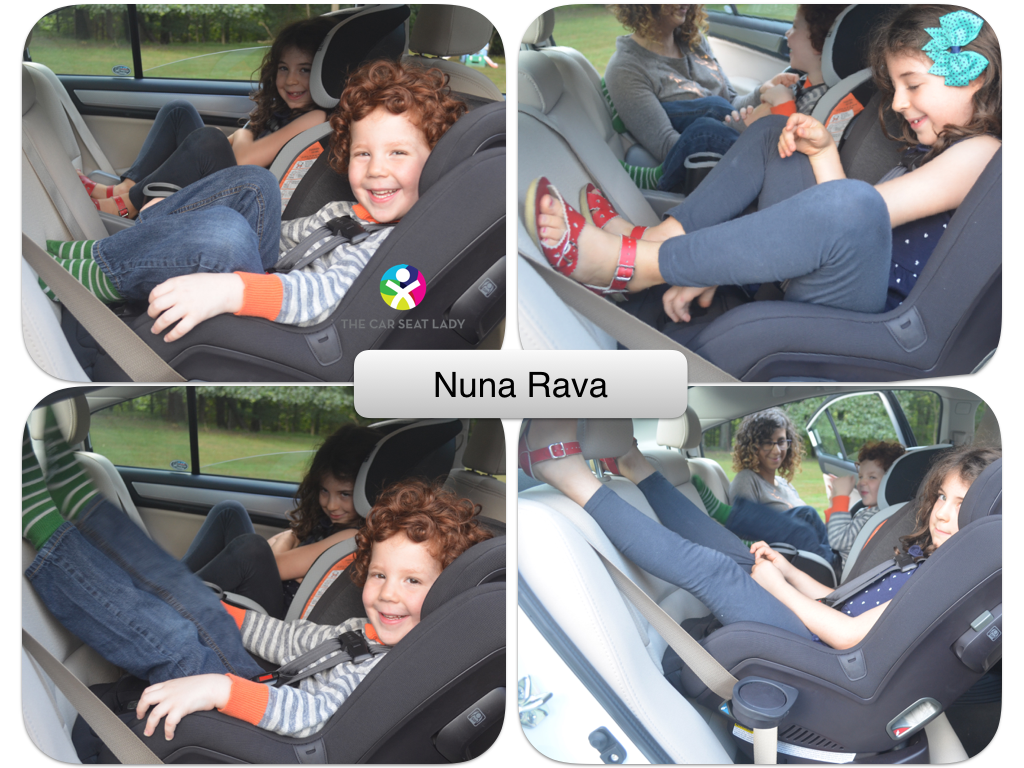
Rear-facing seats are designed to support a child’s head, neck, and spine. They distribute the force of a crash more evenly across the body. This makes them safer for young children compared to forward-facing seats. Experts recommend keeping children rear-facing for as long as possible.
Weight Limits And Regulations
Each rear-facing car seat has a weight limit set by the manufacturer. This limit is based on safety tests and regulations. Parents should always follow these limits to ensure safety. Exceeding the weight limit can compromise the seat’s effectiveness. Check the car seat’s label or manual for these details.
Importance Of Certification Labels
Certification labels indicate that a car seat meets safety standards. These labels are typically found on the car seat itself. They provide important information, including weight limits and installation instructions. Parents should look for these labels when purchasing a car seat. This ensures they choose a safe and reliable product.
Regular Updates To Regulations
Regulations and standards for car seats are updated regularly. This reflects new research and safety findings. Parents should stay informed about these changes. This knowledge helps them make informed decisions about their child’s safety. Checking for updates ensures continued compliance with safety standards.
Credit: thecarseatlady.com
Factors Influencing Weight Limits
Understanding the weight limit for rear-facing car seats is crucial for safety. Many factors influence these weight limits. Parents often seek clarity on these aspects. This section will explore the primary factors affecting weight limits.
Manufacturers’ Guidelines
Manufacturers provide specific guidelines for car seat use. These guidelines include weight limits to ensure safety. Always check the manual that comes with the car seat. It offers essential details on weight restrictions. Adhering to these guidelines keeps your child secure.
Car Seat Design Features
Design features of a car seat impact weight limits significantly. Some seats have adjustable harnesses for growing children. Others feature reinforced frames for added support. Look for seats with clear weight specifications. This ensures they meet your child’s needs effectively.
Child’s Growth And Development
Each child’s growth and development vary. Consider your child’s unique growth pattern. A child’s weight can increase rapidly during certain ages. Regularly monitor your child’s weight. Ensure it aligns with the car seat’s specified limits. This practice enhances safety and comfort.
Common Weight Limit Ranges
Understanding the weight limits for rear-facing car seats ensures child safety. Many parents ask about common weight limit ranges. These limits vary across different car seat models. Manufacturers design seats for specific weight ranges. Knowing these limits helps parents choose the right seat.
Infant Car Seat Weight Limits
Infant car seats typically accommodate babies up to 30 pounds. They are portable and ideal for newborns. These seats fit snugly into a base installed in the vehicle. They are convenient for carrying infants to various locations.
Convertible Car Seat Weight Limits
Convertible car seats offer extended rear-facing usage. They support weights from 5 to 40 pounds or more. Parents can adjust the seat as the child grows. These seats transition from rear-facing to forward-facing modes.
All-in-one Car Seat Weight Limits
All-in-one seats provide the most flexibility. They cover weight ranges from infancy to booster seat age. These seats support weights up to 50 pounds rear-facing. They offer long-term use and value for families.
Importance Of Following Weight Limits
Adhering to weight limits ensures maximum safety. Overloading a car seat compromises its effectiveness. Parents should check the manufacturer’s guidelines. Regularly assess their child’s weight. This practice helps maintain proper usage and safety.
Transitioning To Forward Facing Seats
Transitioning to forward-facing seats is a crucial milestone. Parents often wonder when to make this change. Rear-facing car seats provide excellent protection. But eventually, your child will outgrow them. Knowing the right time to switch is vital for safety.
Signs It’s Time To Switch
Observe your child’s weight and height. These are key factors. Check the car seat’s specific weight limit. Usually, it ranges from 30 to 50 pounds. Also, consider your child’s head position. If their head is near the top of the seat, it’s time. Ensure they meet the minimum weight for forward-facing seats.
Safety Considerations
Safety is the top priority. Forward-facing seats offer different protection. Make sure your child fits comfortably. Ensure the harness is secure. It should be snug against their body. Read the car seat manual thoroughly. Follow all safety guidelines. Proper installation is essential for effectiveness.
Tips For Choosing The Right Car Seat
Choosing the right car seat ensures your child’s safety during travel. Understanding weight limits for rear-facing seats is crucial. You want to pick a seat that fits your child’s needs. This guide helps you make an informed decision.
Assessing Your Child’s Needs
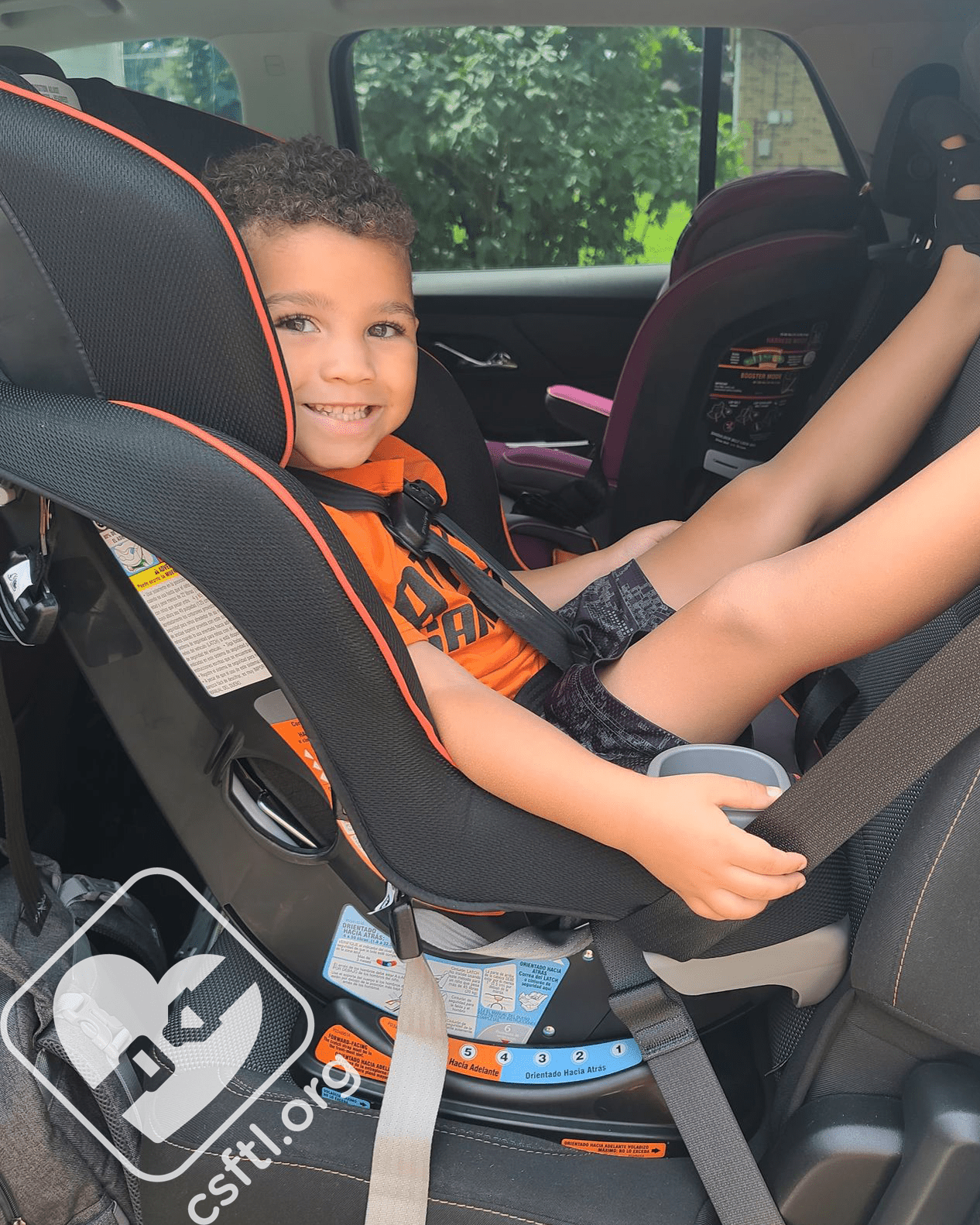
Start by considering your child’s age and weight. These factors are important for car seat selection. Look for seats that accommodate your child’s current size. Check the manufacturer’s guidelines for weight limits. Rear-facing seats are safer for young children. They offer better protection in a crash.
Consider how quickly your child grows. Some children grow faster than others. Choose a car seat that can adjust to your child’s growth. Look for features like adjustable harnesses and headrests. These features provide comfort and safety as your child grows.
Evaluating Car Seat Models
Research different car seat models. Compare their features and prices. Read reviews from other parents. Their experiences can provide valuable insights. Look for seats that meet safety standards. Check for certifications like FMVSS 213.
Consider the ease of installation. A seat that is hard to install can compromise safety. Look for models with simple installation instructions. Ensure the seat fits well in your vehicle. Some seats are designed for specific vehicle types.
Consider the material and padding of the car seat. Comfortable padding ensures a pleasant ride for your child. Look for breathable fabrics that keep your child cool. A happy child makes for a smoother journey.
Credit: csftl.org
Maintaining Car Seat Safety
Ensuring your child’s safety in a car seat is crucial. Rear-facing seats provide the best protection for young children. Understanding weight limits is essential for maintaining safety. Parents must remain informed and vigilant.
Proper Installation Techniques
Correct installation is vital for car seat safety. Always read the manufacturer’s instructions carefully. Use the LATCH system or seat belt to secure the seat. Check for a snug fit to prevent movement. The seat should not move more than an inch side-to-side.
Ensure the harness is properly adjusted. The harness should be at or below the child’s shoulders. Straps must be snug but comfortable. Test the fit by pinching the strap; you should not be able to pinch any excess material.
Regular Safety Checks
Regularly inspect the car seat for wear and damage. Look for cracks, frayed straps, or broken buckles. Replace damaged parts immediately to maintain safety. Check the expiration date of the car seat. Expired seats may not provide adequate protection.
Evaluate the seat’s fit as your child grows. Adjust harness and strap settings accordingly. Ensure your child remains within the weight limit for rear-facing use. Always follow the manufacturer’s guidelines for weight and height limits.
Frequently Asked Questions
What Is The Typical Weight Limit For Rear Facing Car Seats?
The typical weight limit for rear facing car seats ranges from 30 to 50 pounds. This varies by brand and model. Always check the manufacturer’s guidelines for specific weight limits. Ensuring your child meets the weight requirement is crucial for their safety.
How Long Should A Child Stay Rear Facing?
Children should stay rear facing until at least two years old or until they reach the seat’s weight limit. Rear facing provides better support for the child’s head, neck, and spine. Transition to forward facing only when they outgrow the rear facing limits.
Why Is Rear Facing Safer For Children?
Rear facing car seats better protect the child’s head, neck, and spine in a crash. They distribute the crash forces more evenly across the body. This positioning significantly reduces the risk of serious injuries during an accident.
Can A Tall Child Exceed The Height Limit Before Weight?
Yes, a tall child may exceed the height limit before reaching the weight limit. Always check the car seat’s height guidelines. Consider transitioning to a convertible seat if your child is tall but within the weight limit.
Conclusion
Rear facing car seats protect young children in accidents. Knowing the weight limits ensures safety. Different models have different weight limits. Always check the manufacturer’s guidelines. This prevents errors and keeps your child secure. Rear facing seats offer better protection for young kids.
Following the weight limits is crucial for their safety. Make safety a priority on every journey. Adjust the seat as your child grows. This maintains comfort and protection. Regular checks on the seat ensure it stays secure. Keep your child safe and enjoy peace of mind.


