


Is It Legal to Sell a Used Car Seat: Essential Insights

When your child outgrows their car seat, you might wonder about the best way to pass it along. Selling a used car seat could seem like a practical option, especially if it’s still in good condition.
But is it legal to sell a used car seat? This question might have crossed your mind, and understanding the legalities can save you from potential trouble. You want the best for your child, and ensuring the safety of other children is just as important.
Before you make any decisions, let’s explore what the law says and why it matters. Stick around to learn how you can make the right choice without compromising on safety or legality.
Legal Aspects Of Selling Used Car Seats
The legality of selling used car seats varies significantly. Understanding the laws is crucial. Some regions have strict regulations. Others offer more flexibility. Buyers and sellers need awareness. This ensures safety and compliance.
Understanding State And Local Laws
Each state has different rules. Research your local laws. Some states ban selling used car seats. Others allow it with conditions. Check if your car seat meets legal requirements. This protects you and the buyer.
Federal Regulations On Car Seats
The U.S. government sets safety standards. The National Highway Traffic Safety Administration (NHTSA) oversees these. Car seats must meet federal safety guidelines. Selling one that doesn’t is illegal. Always ensure compliance with these standards.
Liability And Safety Concerns
Selling a defective car seat can lead to liability. If an accident occurs, the seller might face legal consequences. It’s vital to ensure the car seat is safe. Check for recalls or damages. Provide accurate information to the buyer.
Documentation And Proof Of Safety
Keep documentation of the car seat’s history. This includes purchase receipts and manuals. Proof of no recalls is essential. A written statement of the seat’s condition helps. Buyers appreciate transparency and honesty.
Ethical Considerations In Selling Used Car Seats
Think about the ethical side. Selling a car seat involves trust. Consider the safety of the child using it. Ensure the seat is in good condition. This builds trust with the buyer.

Credit: practicalmotoring.com.au
Safety Concerns
Safety concerns are vital when selling a used car seat. This ensures the protection of young passengers. A car seat that is compromised can lead to serious risks. Here, we explore key safety aspects.
Expired Car Seats
Car seats come with an expiration date. Manufacturers set these for safety reasons. Materials degrade over time, affecting performance. Always check the label for the expiration date. An expired seat may not protect well in an accident.
Damaged Or Recalled Seats
Never sell a seat that is damaged. Cracks, frayed straps, or broken parts reduce safety. Even minor damage can affect performance. Recalled seats are also a major concern. Manufacturers recall seats for safety defects. Always check if the seat has been recalled. Selling a recalled seat is risky and often illegal.
State Regulations
Understanding state regulations is crucial when selling a used car seat. Different states have different laws about this. Being aware of these can help you avoid legal issues. Let’s explore how these regulations might affect you.
Variation In Laws
State laws about selling used car seats differ widely. Some states strictly prohibit selling them. Others allow it with certain conditions. It’s important to know the specific laws in your state. This ensures you are not breaking any rules. Always check local regulations before selling a used car seat.
Compliance Requirements
Compliance with state laws is essential. Some states require you to check the car seat’s expiration date. Others might need you to verify its safety history. A car seat must meet safety standards. Make sure it hasn’t been in an accident. It should also have all necessary parts. Following these rules helps maintain safety for future users.
Market Demand
Market demand for used car seats varies widely. Many parents are budget-conscious. They often seek affordable options for their children’s safety. Used car seats offer a cost-effective solution. Yet, safety concerns impact buying decisions. Some parents prioritize new car seats for peace of mind.
Understanding market demand helps sellers and buyers. It highlights the balance between cost and safety. People need to know if used car seats meet their needs. This insight aids decision-making in the market.
Consumer Preferences
Consumer preferences play a crucial role in the market. Safety is a top priority for many parents. They want assurance that a used car seat is safe. Parents often research thoroughly before buying. They prefer trusted brands with good reviews.
Price is another key factor for consumers. Affordability influences their choice. Used car seats attract those seeking savings. Yet, they do not compromise on quality. Parents often weigh the benefits and risks carefully.
Alternatives To Buying Used
Alternatives exist for those wary of used car seats. Some parents opt for rental services. These services offer newer models at lower costs. Renting allows access to the latest safety features.
Another option is buying from certified sellers. These sellers ensure the car seats meet safety standards. Certified pre-owned car seats provide peace of mind. They offer a balance of safety and affordability.
Parents may also explore trade-in programs. These programs allow upgrades to newer models. They often offer discounts on new purchases. Exploring these alternatives helps parents make informed decisions.
Checking Car Seat History
Before selling a used car seat, knowing its history is crucial. Understanding the seat’s past ensures safety and legality. Many buyers want this information for peace of mind. Sellers should gather all relevant details. This builds trust and avoids legal troubles.
Verification Methods
Checking the serial number is a good start. Contact the manufacturer for recalls or safety notices. Look for the car seat’s expiration date. This indicates safety standards compliance. Inspect the seat for any visible damage. Cracks or missing parts mean the seat is unsafe.
Importance Of Documentation
Documentation plays a key role in selling a used car seat. Keep the original purchase receipt if possible. Provide manuals and warranty papers. These documents reassure potential buyers. They show the car seat’s legitimacy and history.
Having a record of any repairs is vital. This helps buyers understand the seat’s condition. It also highlights any issues that were fixed. Documented proof builds buyer confidence. It shows the seller is honest and transparent.

Credit: goodbuygear.com
Tips For Sellers
Selling a used car seat can be a responsible choice. It helps others save money and reduces waste. But safety and legality should be top priorities. Follow these tips to ensure a smooth and safe transaction.
Inspecting The Car Seat
Examine the car seat thoroughly. Check for cracks or wear. Ensure straps and buckles work properly. Verify the expiration date. Car seats have limited lifespans. Confirm it’s never been in an accident. A damaged seat can be unsafe.
Providing Accurate Information
Be honest about the seat’s condition. Share details clearly. Include the make and model. State the expiration date. Mention any repairs or replacements. Transparency builds trust with buyers. It ensures they know what they’re getting.
Advice For Buyers
Buying a used car seat can save money, but it requires careful consideration. Knowing what to look for ensures safety for your child. Not all used car seats are safe or legal to sell. Buyers need to be informed about key factors that influence the safety and legality of a used car seat. This section offers essential advice to help buyers make a wise decision.
Assessing Seat Condition
Always inspect the car seat before purchase. Look for visible damage. Check the harness and straps for wear. Examine the buckle and adjusters. These parts should work smoothly. Make sure the seat has not been in a crash. Damage can be hidden. Ask the seller about its history. Ensure all parts are intact and functional. Look for the expiration date on the seat. Car seats have limited lifespan. An expired seat may not be safe.
Understanding Risks
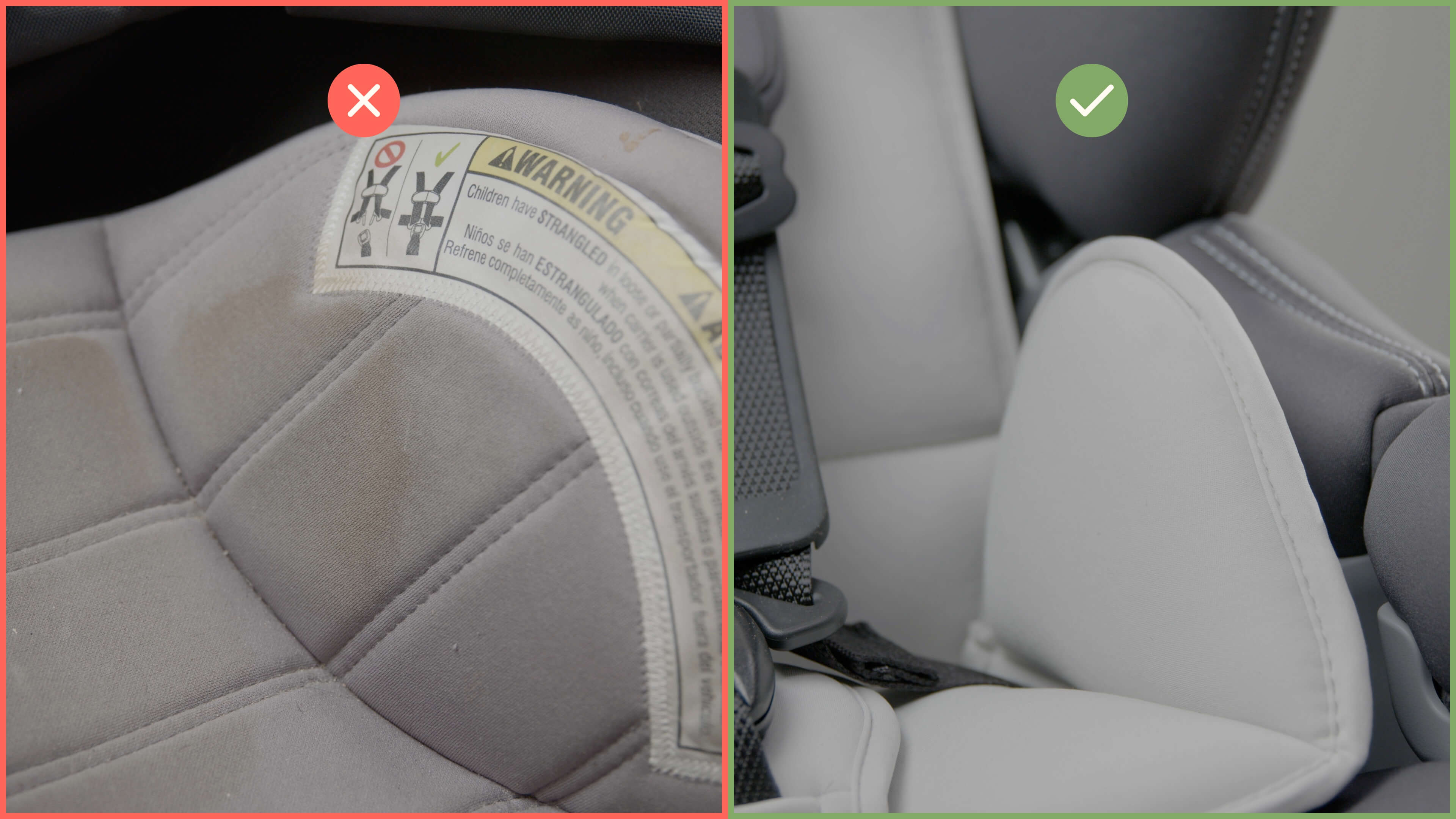
Used car seats can pose risks. They may not meet current safety standards. Newer models often have updated features. A seat that has been recalled should not be used. Check if the seat has been subject to a recall. Recalls indicate potential safety issues. The lack of a warranty is another concern. Buyers should be aware of these risks. They must weigh these risks against potential savings. Safety should always be the priority.
Credit: goodbuygear.com
Frequently Asked Questions
Can You Sell A Used Car Seat Legally?
Yes, selling a used car seat is legal in many places. However, you must ensure it meets safety standards. Check for recalls, expiration dates, and any damage. Always provide the buyer with the car seat’s manual. It’s important to prioritize safety when selling or buying a used car seat.
What Should I Check Before Selling A Car Seat?
Before selling, check the car seat for recalls, expiration dates, and damage. Ensure it has the original manual. Confirm it has not been in any accidents. This information is crucial for the buyer’s safety. Providing accurate details helps build trust and ensures compliance with safety standards.
Are There Restrictions On Selling Used Car Seats?
Yes, some areas have restrictions on selling used car seats. Check local regulations before proceeding. Safety standards vary, and it’s essential to comply with them. Ensure the car seat is not expired or recalled. Prioritizing safety helps avoid legal issues and ensures the buyer’s trust.
Is It Safe To Buy A Used Car Seat?
Buying a used car seat can be risky if not thoroughly checked. Ensure it hasn’t expired, been recalled, or damaged. Always request the car seat’s history and manual. Prioritize seats from trusted sources. Safety should always be the top priority when purchasing a used car seat.
Conclusion
Selling a used car seat involves careful consideration. Safety is crucial. Check local laws before selling. Ensure the seat meets safety standards. Many laws vary by region. Some places restrict selling used car seats. Buyers should know the seat’s history.
Make sure it hasn’t been in accidents. Inspect for wear and tear. Always provide clear information. Transparency builds trust. A safe car seat protects children. Selling responsibly ensures safety for new owners. Prioritize safety over profit. Make informed decisions. Protect the little ones.
Their safety matters most. Act wisely when selling used car seats.


